
Trending
- How to assess legitimate trading platforms in Kenya using trust, transparency and risk controls
- Kenya secures landmark EU data adequacy pact in first for Africa
- Kenya’s $37.3 billion budget that promises everything except development
- UNEP lauds Ghana tree planting push, terms it continental blueprint
- Blue-Raman: What EU funded new internet cable means for EAC
- Kenya’s huge food deficit mask a deeper failure of finance, FSD Kenya reveals
- Tanzania eyes Belarusian tractor model and motor pools to unlock untapped farmland
- AI-first telcos will lead the race in Africa


Author: The Exchange

The Exchange
- We provide economic news and analysis on the investment arena in Africa, with a particular interest in doing business. Our key areas of focus include banking, capital markets, energy, mining, manufacturing and industrial development.

Global economic trends, such as interest rate changes, inflation, and geopolitical uncertainties, significantly impact gold-backed financing products. Some financial products are now linking gold investments to environmentally and socially responsible mining practices. This trend reflects a broader shift towards sustainable and ethical investment practices across financial markets. Gold has been a symbol of wealth and a form of currency for centuries, but its role in the modern financial system has evolved significantly. Today, gold-backed financing encompasses a range of innovative financial products and services, from traditional loans secured by gold to gold trading CFDs. These new trends reflect the enduring…
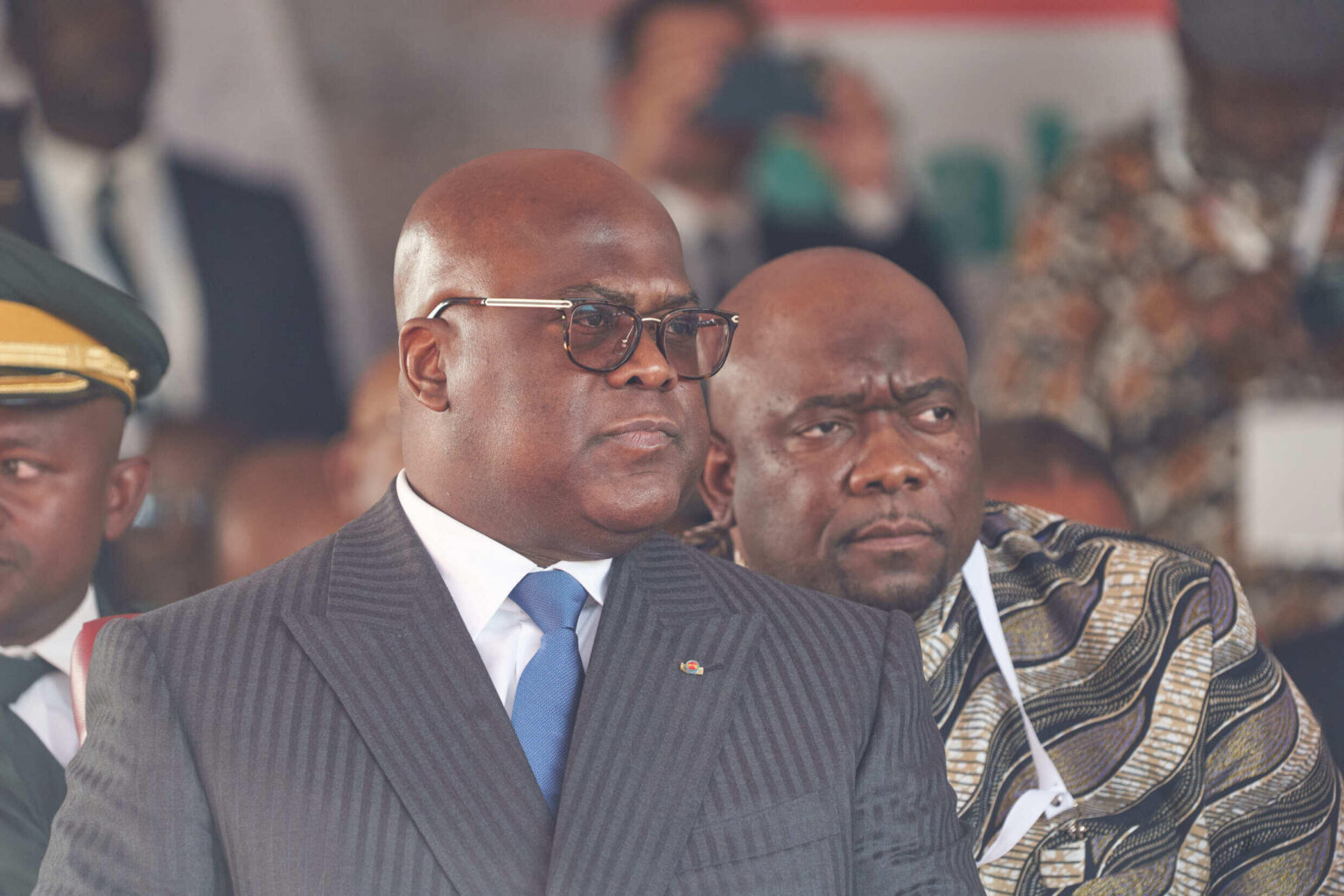
Economic considerations are why the world is watching the DR Congo elections. President Félix Tshisekedi’s approach to the Eastern Congo crisis is a matter of immediate political strategy and a defining aspect of his legacy. DR Congo’s political stability is crucial for international markets. The Democratic Republic of Congo (DR Congo) is at a pivotal moment with the delay of its December 20th election, attracting global attention. This postponement, amid logistical challenges and the ongoing conflict in the eastern provinces, raises concerns about the integrity of the electoral process. The country’s history of electoral irregularities, including allegations of fraud in…
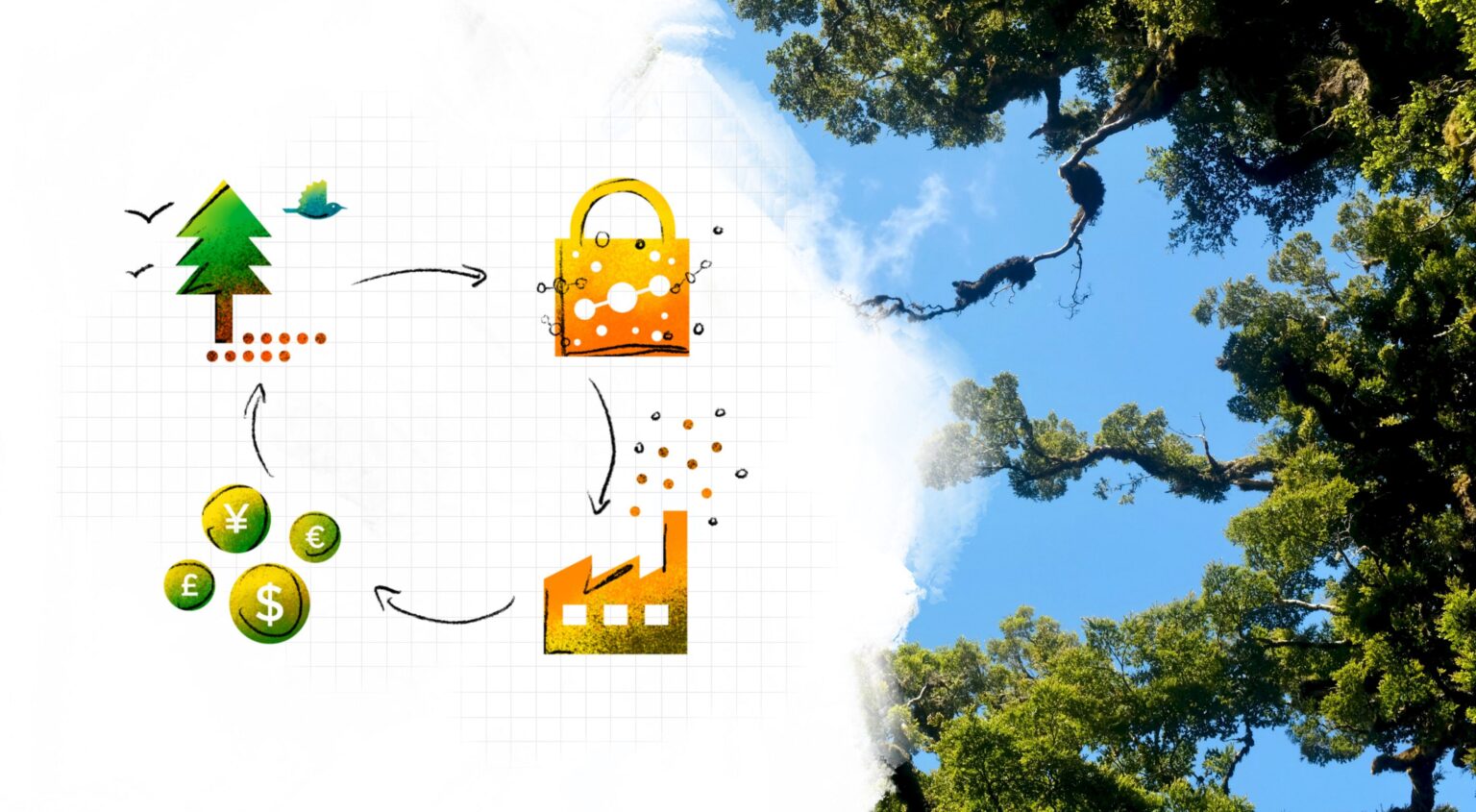
The reward for fixing the carbon credit trade could be enormous, especially for Africa’s energy transition. The $2 billion global trade in voluntary carbon markets (VCMs) has suffered from greenwashing allegations, with prices plummeting from the 2022 peaks. For some African climate-linked businesses, the successful functioning of the carbon credits market is not a nice one but is core to their operating strategy. Highly indebted nations need all the financing available to support their energy transition and climate adaptation needs. With the developed world lagging on its climate funding pledges, market-based solutions provide a supplementary funding source. Carbon credits, a…
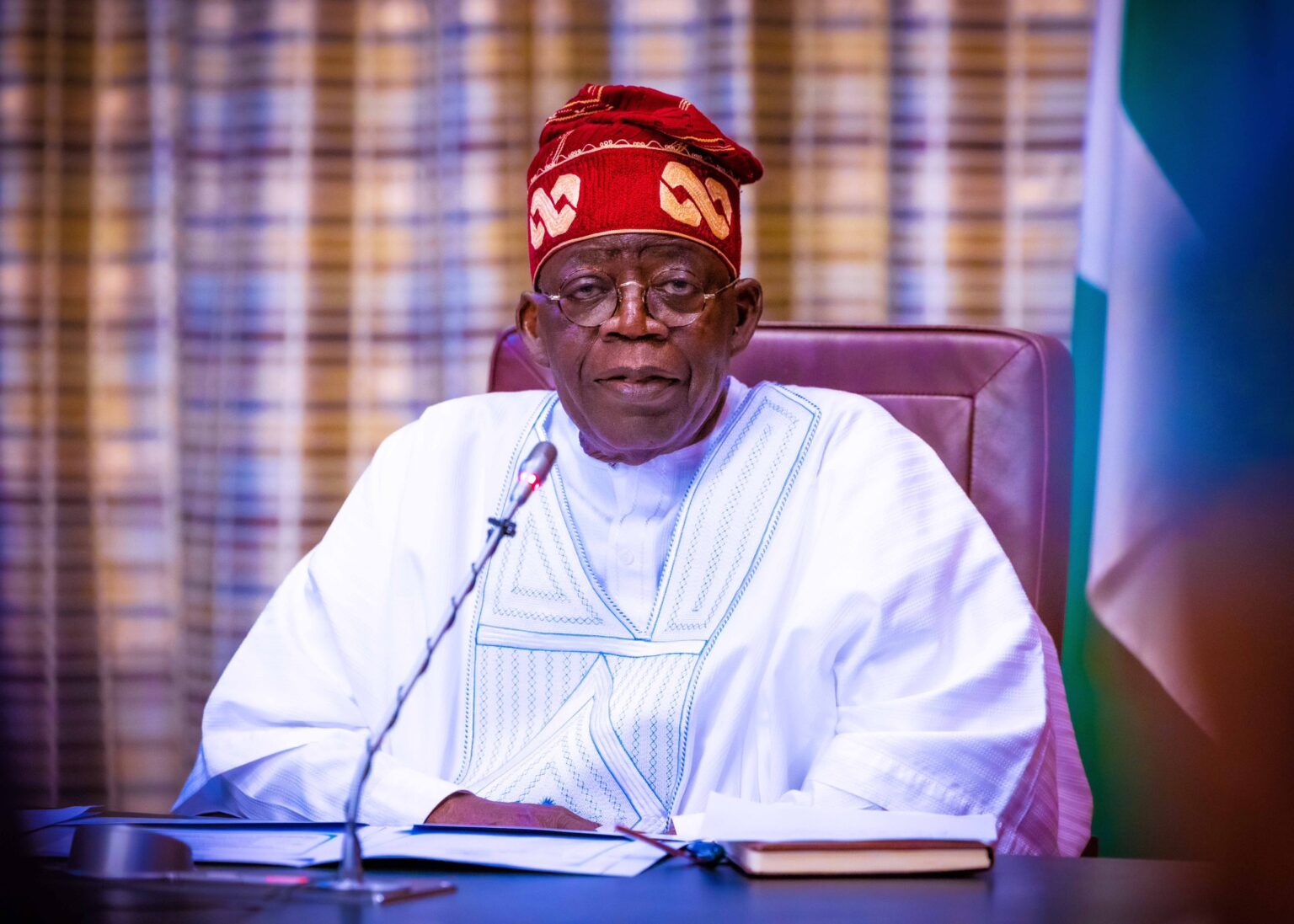
In a significant move by Moody’s Investors Service, Nigeria’s credit rating has been upgraded from stable to positive. The devaluation of the Naira and the reduction of the oil subsidy are seen as bold steps towards fiscal responsibility. The recent devaluation of the Naira, a significant move by President Bola Tinubu’s administration, carries profound implications for Nigeria’s credit rating. In a significant move by Moody’s Investors Service, Nigeria’s credit rating has been upgraded from stable to positive. This shift, while not altering the country’s credit rating, marks a potential turning point for the nation’s fiscal and economic health. The December…

The whereabouts of Joseph Kony, the infamous leader of the Lord’s Resistance Army (LRA), remains one of the most enduring mysteries in international justice and African politics. Despite extensive efforts to capture him, Kony continues to evade justice, with his exact location a subject of much speculation and few definitive answers.
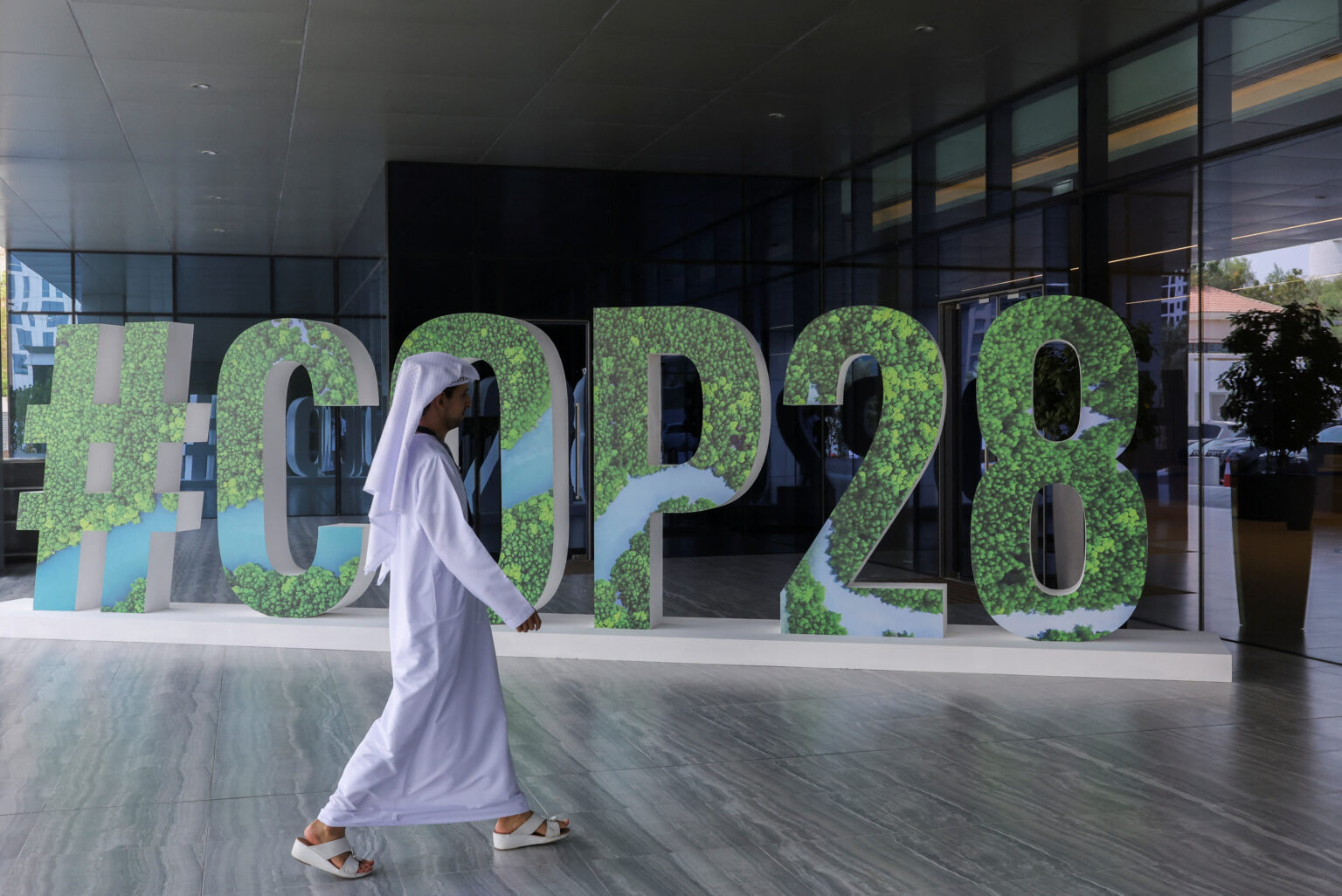
Global oil and gas producers have remained under immense pressure to show more goodwill in the energy transition agenda. As this year’s climate summit enters its homestretch, the most intriguing question is whether the final accord will pledge to reduce fossil fuels. The oil and gas industry’s confidence has also caused tension with renewable groups and climate activists. The 2015 Paris Agreement establishes measures and conditions requiring all member states to mitigate climate change through emission reductions. Further, Goal 7 of the 2030 Agenda for Sustainable Development calls for concerted efforts to ensure access to modern, cleaner forms of energy,…
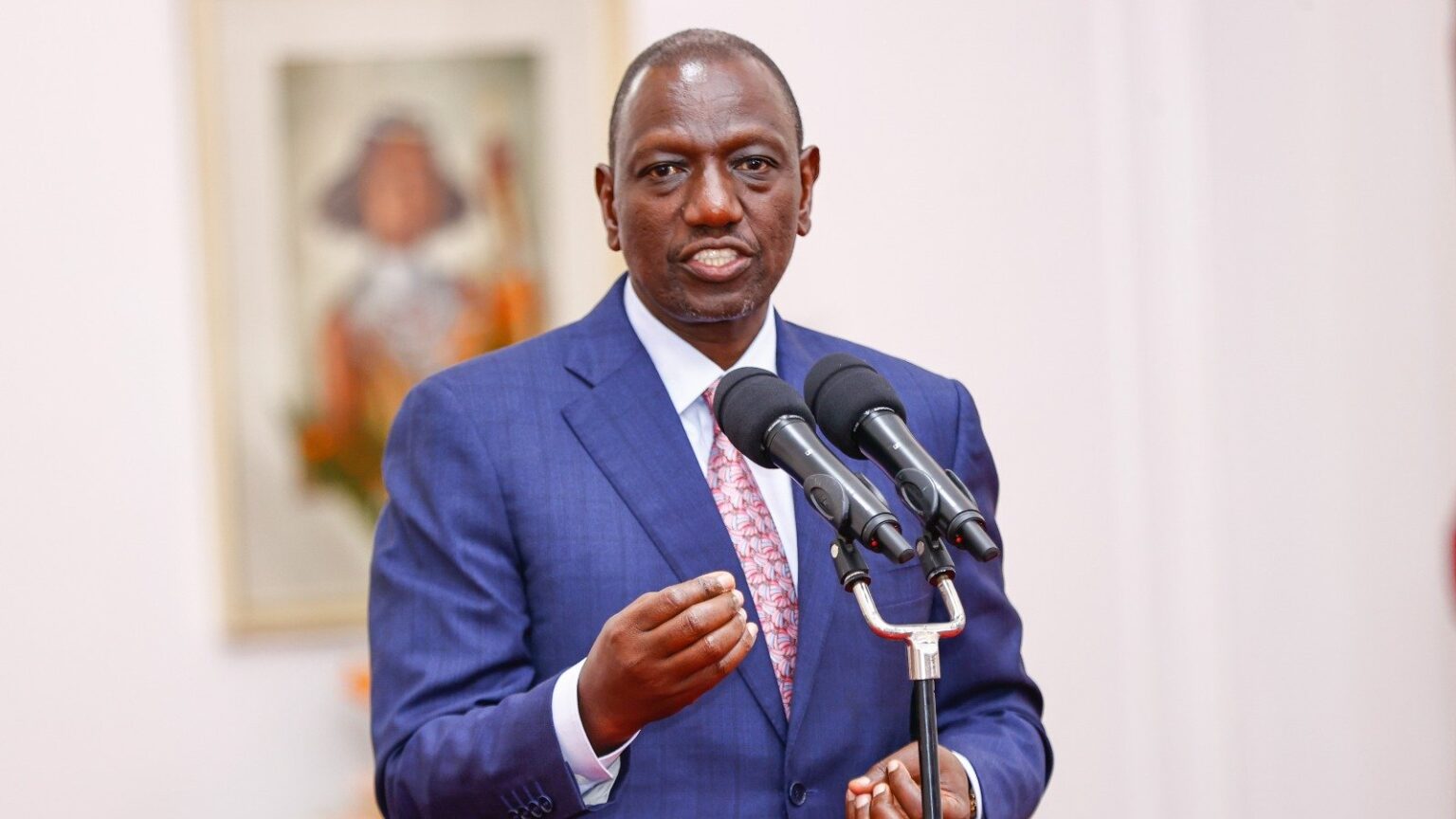
Since ascending to office in September 2022, President Ruto has remained relentless in his bid to boost Kenya’s agricultural productivity. Agriculture remains the bedrock of the country’s development and the key to creating equitable and sustainable growth for its citizens. President Ruto has focused on implementing policies and programs to enhance productivity, improve farmers’ incomes, and ensure food security. Agriculture as a bedrock of Kenya’s economic prosperity Kenya has made impressive economic strides in innovation and entrepreneurship, private sector enterprise, infrastructure, and human skills development. However, agriculture remains the bedrock of the country’s development and the key to creating equitable…

Tanzania’s island of Zanzibar, once known for tourism, is now charting a new course toward becoming a powerhouse in technology and e-commerce. The recent launch of an electronic products shop in Zanzibar is not just a commercial opening; it symbolises the dawn of an ambitious era for the island’s investment sector.
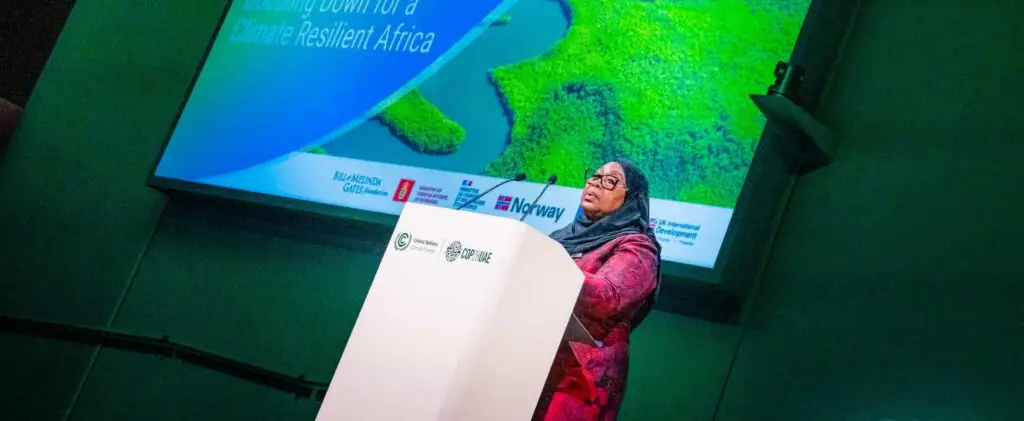
President Samia Suluhu Hassan highlighted the need for international commitment to climate agreements and innovative financing, including a $700 million green bond initiative for adaptation and mitigation strategies while representing Tanzania at COP28. Through the African Group of Negotiators, African nations pushed for a just energy transition and increased climate financing, advocating for the right to use fossil fuels for development before transitioning to renewable energy sources. Global leaders recognized Africa’s climate adaptation needs, with significant pledges such as the UK’s GBP 1.5 billion commitment for adaptation in Africa by 2025 and the African Development Bank Group’s initiative to mobilize…
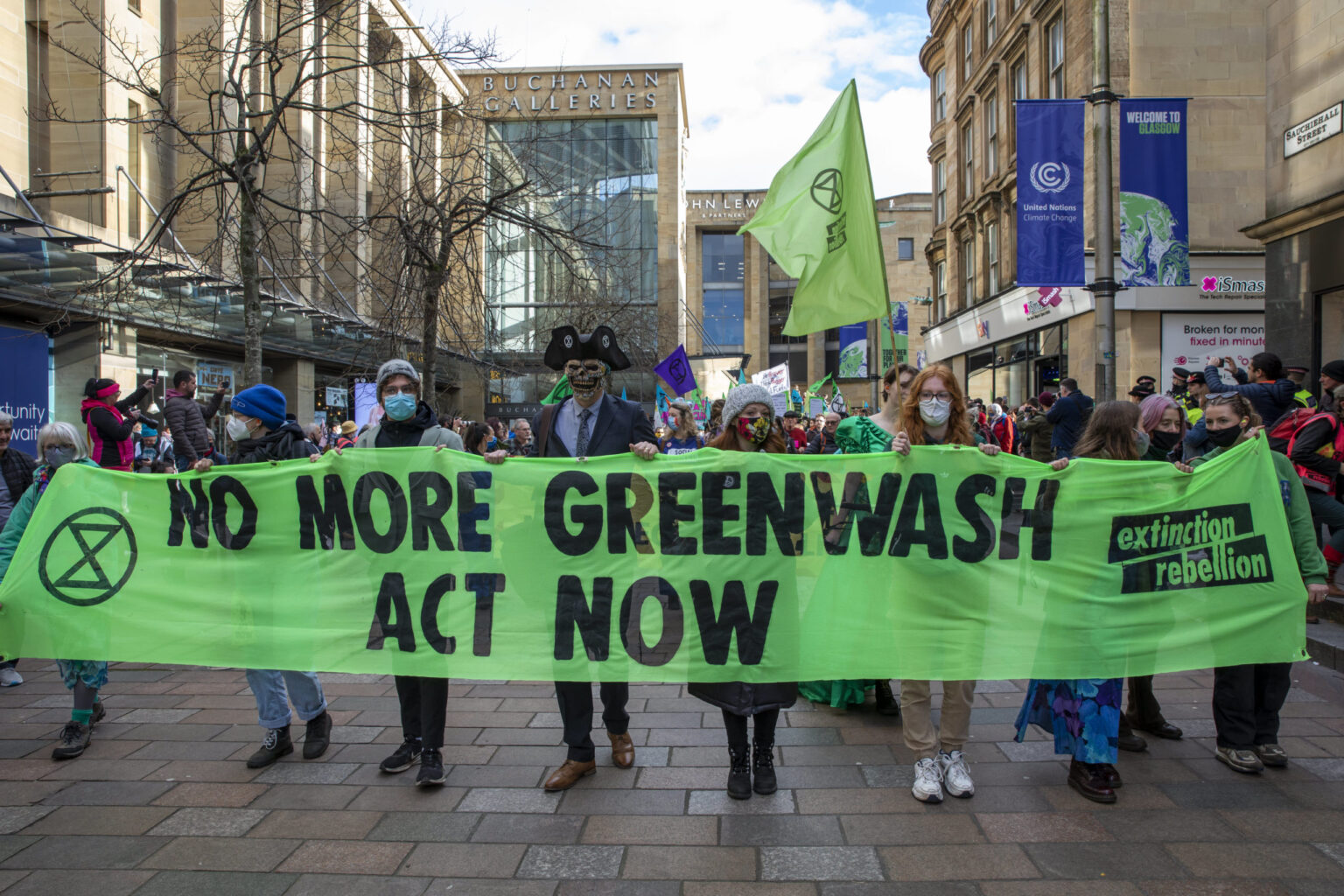
As COP28 unfolds with its myriad discussions and commitments, a less visible but equally critical issue looms on another continent – the pervasive problem of greenwashing in Africa. From the corridors of corporate power to the burgeoning startup ecosystem, greenwashing emerges as a misleading marketing tactic and a significant barrier to genuine environmental and social progress in Africa.
In Africa’s corporate sector, greenwashing has become a strategic tool used by both corporations and governments to cover up environmentally detrimental practices. This issue is acutely critical in a continent where environmental conservation is not just a matter of policy but survival.