Trending
- Zimbabwe edges closer to arrears payment, debt restructuring and reset of ties with IMF
- Tanzania coffee industry mulls commercializing wastes to spur fresh revenue streams
- Reasons for African Currencies Growing in Significance for Business Decisions
- Nairobi forum launches push to close Africa’s climate protection gap
- East Africa’s lessons from India’s economic growth playbook
- Tanzania and Serbia to revive falling trade relations
- TotalEnergies commits $10 billion to Angola as fresh oil find comes on stream in three months
- In Africa, the conversations defining corporate reputation are going on in channels most CEOs cannot see


Author: James Wambua

James Wambua
James Wambua is a seasoned business news editor specializing in various industries including energy, economics, and agriculture. With a comprehensive understanding of these industries across Africa, he excels in delivering accurate and insightful news coverage that keeps readers informed about key developments and trends.
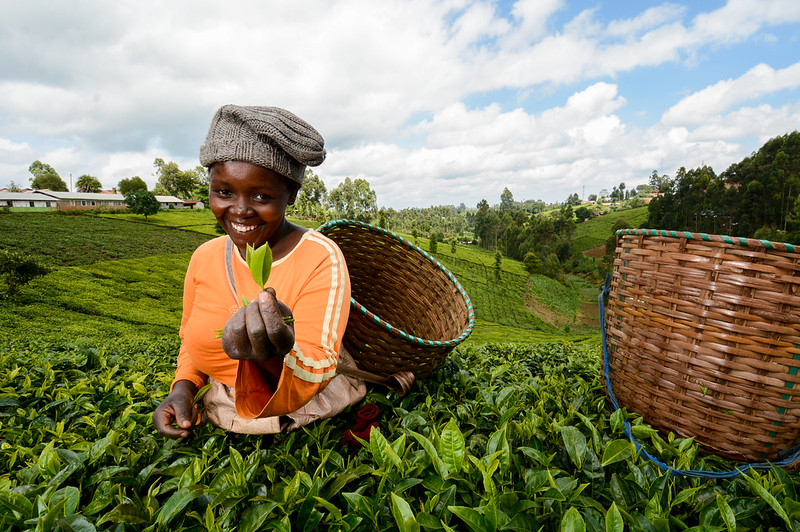
In 2023, Kenya’s economy experienced real GDP growth, surging from 4.8% in 2022 to an estimated 5 per cent. Kenya’s agriculture, which had grappled with severe drought, recovered with critical crops, such as tea and coffee, displaying remarkable resilience. High cost of living, exchange rate pressures, and global economic uncertainties remain persistent risks to growth this year. In 2023, Kenya’s economy strengthened, defying persistent challenges as highlighted in the World Bank’s 28th edition of the Kenya Economic Update (KEU). Despite facing continued hurdles, East Africa’s biggest economy experienced an acceleration in real GDP growth, surging from 4.8 per cent in…
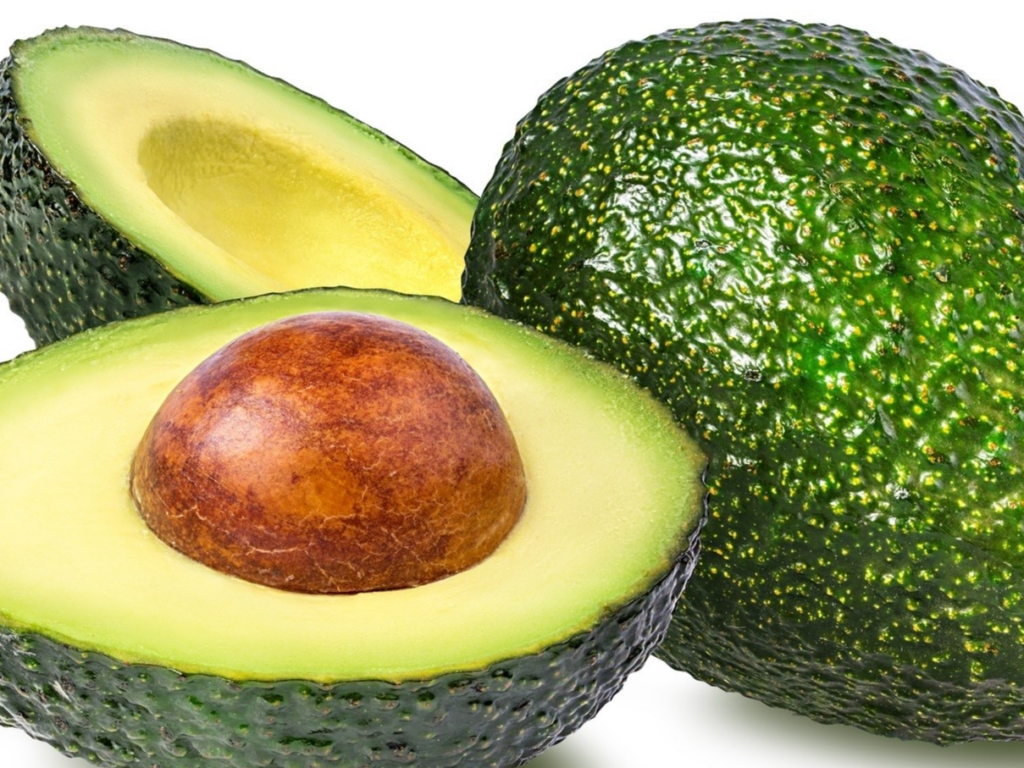
Fruit exports played a pivotal role in bolstering Kenya’s agricultural sector, posting a surge of 84.3 per cent to 59,684.5 metric tonnes in September this year. Kenya’s vegetable exports reached 20,427.1 metric tonnes, while tea production soared to 138,771.6 metric tonnes in the quarter under review. Other sectors that experienced notable growth were financial, ICT as well as the accommodation and food service industries. Kenya’s GDP growth witnessed an upswing, with the real Gross Domestic Product increasing by 5.9 per cent in the third quarter of 2023. This marked a substantial improvement from the 4.3 per cent recorded during the…
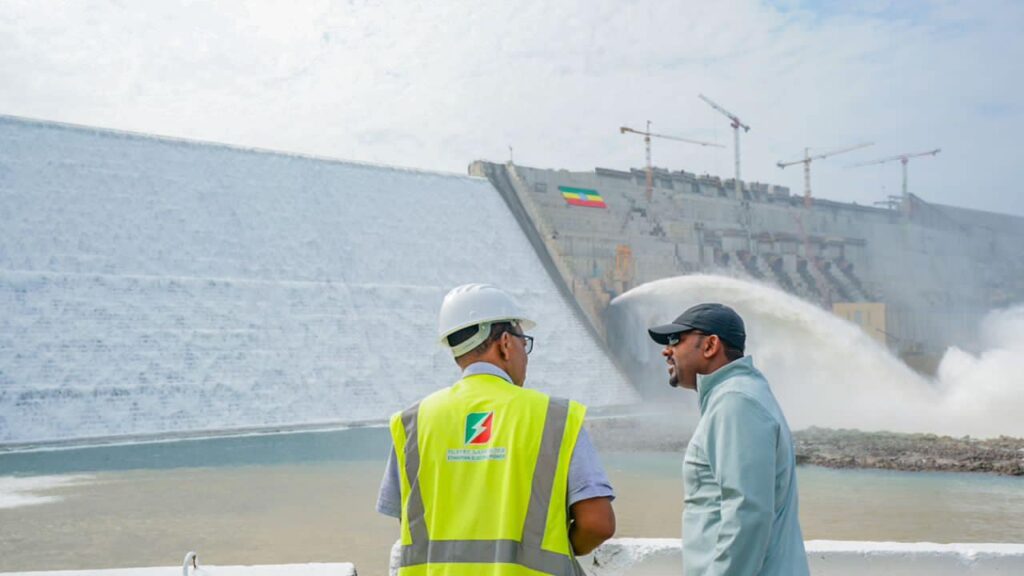
The latest round of talks on the Grand Ethiopian Renaissance Dam (GERD) has concluded in Addis Ababa without success. Egypt, heavily reliant on the Nile for its water supply, is blaming Ethiopia for rejecting proposals that safeguard the interests of the three nations involved. On its part, Ethiopia is accusing Egypt of “misrepresenting” its positions in the talks. The latest round of Ethiopia-Egypt talks on the Grand Ethiopian Renaissance Dam (GERD) has concluded without success. The meeting, held in the Ethiopian capital Addis Ababa, failed to produce any tangible results, as Ethiopia remained steadfast in its refusal to accept technical…
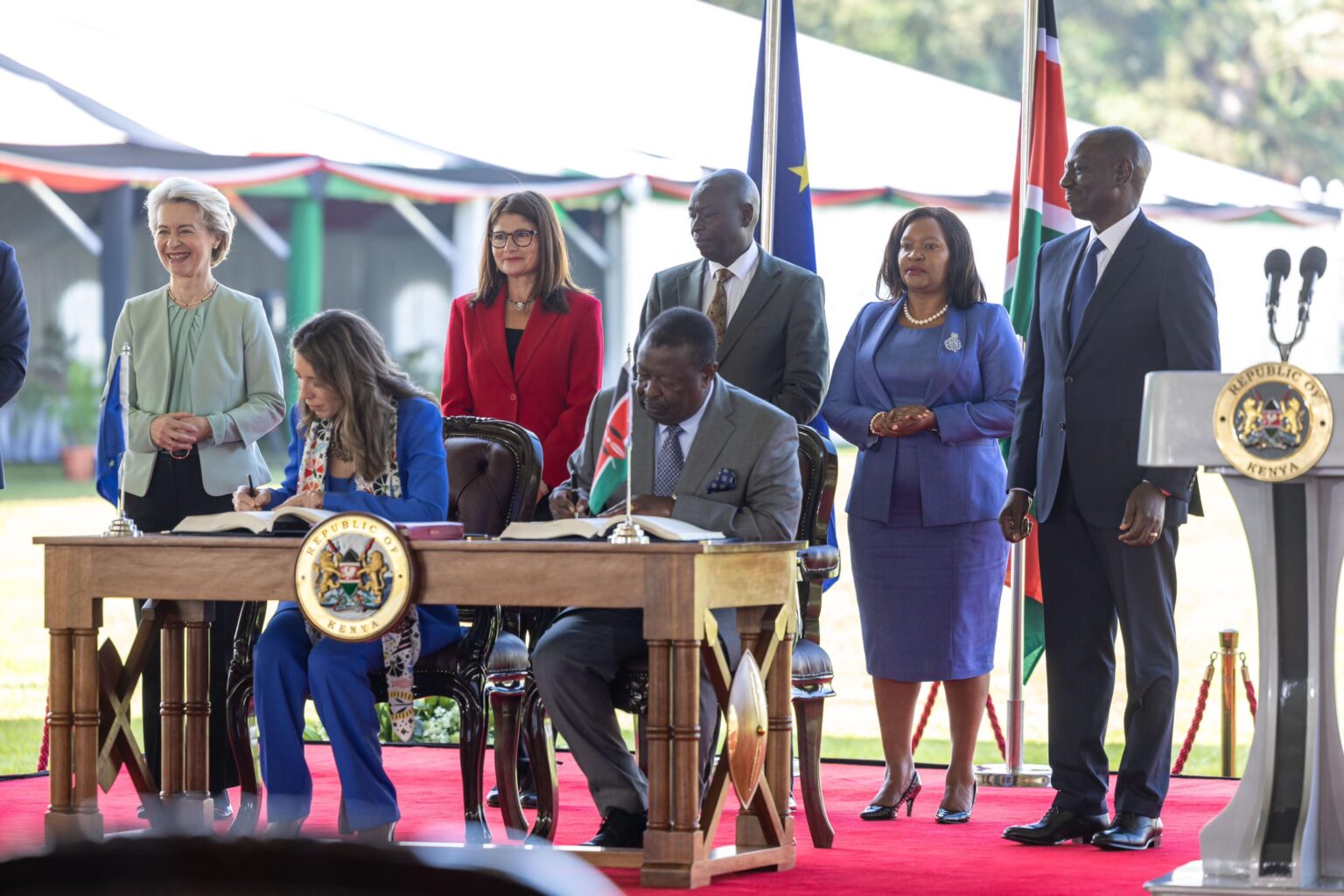
Kenya stands to benefit from duty-free and quota-free access to the expansive opportunities that historic Economic Partnership Agreement (EPA) presents with the 27-member EU bloc. President Ruto has lauded EPA, saying it seeks to put real money into the pockets of ordinary people (in Kenya). Kenya aims to roll out provisions contained in the EU-East African Community EPA, and will be open for regional countries to join in the pact in the future. Kenya and the European Union (EU) have taken a significant stride towards strengthening their trade relations with the signing of the Economic Partnership Agreement (EPA) in Nairobi.…
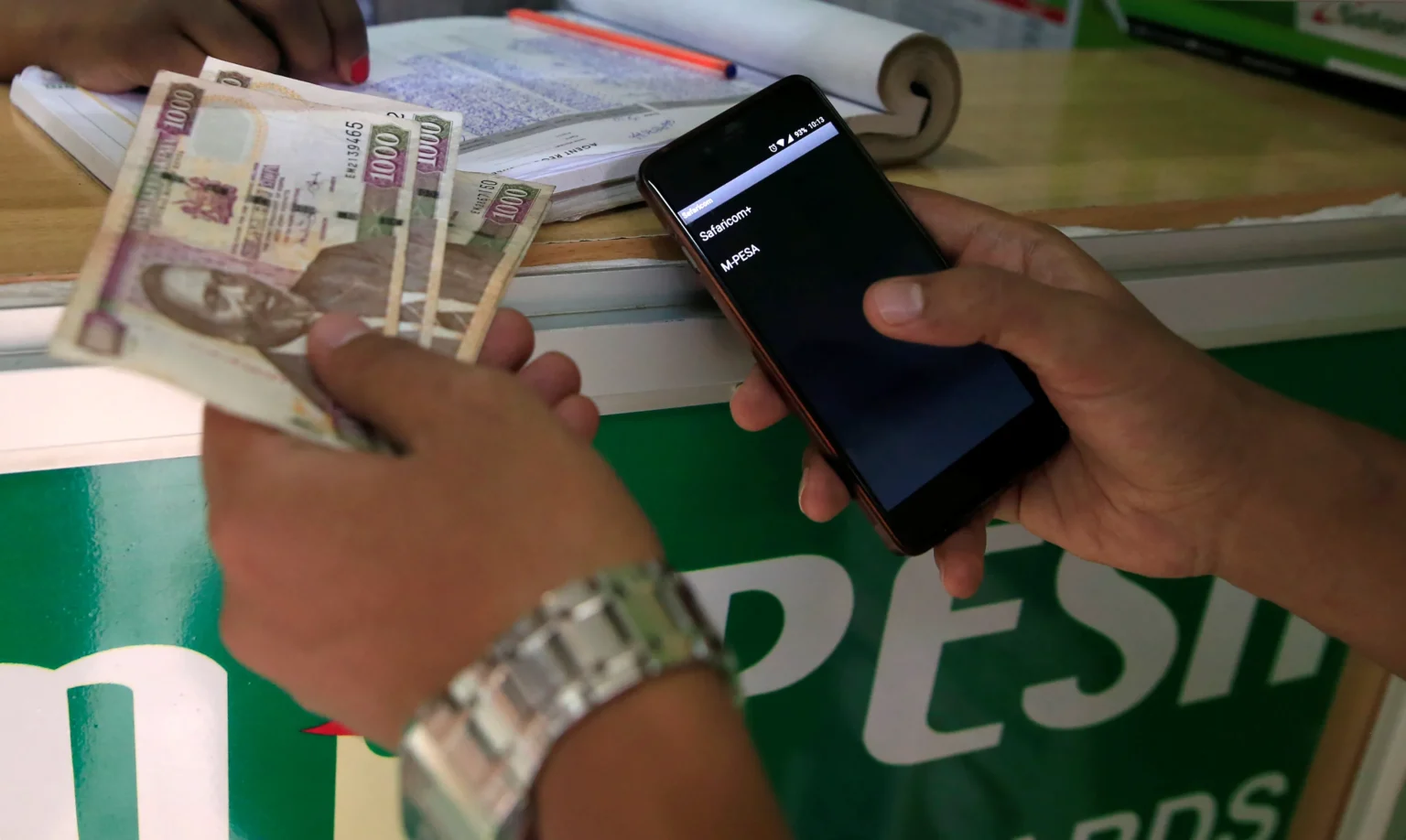
The World Bank recommends three broad policy pathways to achieve inclusive growth and fight poverty. These include connecting the poor to economic growth and strengthening households’ resilience to adverse weather shocks. The lender also advocates leveraging fiscal policy programs to support poverty reduction objectives. Kenya’s economic growth holds the promise of lifting millions out of poverty, even amid challenging economic conditions. According to the World Bank, the secret lies in adopting an inclusive growth strategy that not only enhances economic opportunities and productivity for the poorest but also remains steadfast in pursuing long-term developmental objectives. This vision is captured in…
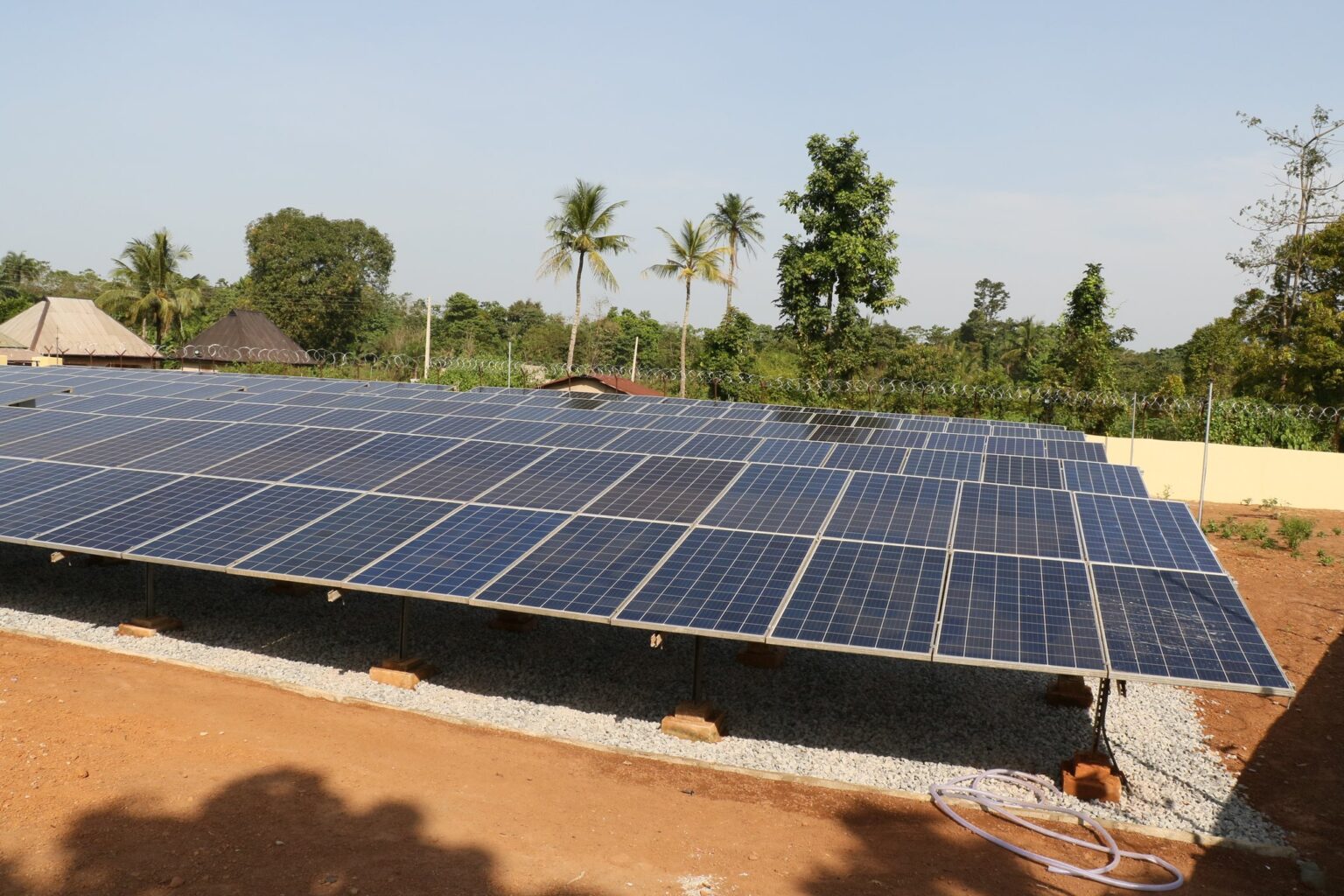
The project will benefit over 17.5 million unserved, underserved, rural, and remote Nigerians through the deployment of standalone solar and mini-grids. The initiative will replace over 280,000 polluting and expensive petrol and diesel generators, helping Nigeria to achieve energy transition targets. Under the project, up to 237,000 small businesses will access reliable and clean electricity for productive uses. The International Development Association (IDA) is readying a credit of $750 million from the World Bank’s fund for poor nations to support clean energy initiatives in Nigeria. The goal is to enhance electricity access to roughly 17.5 million people in Africa’s most…
In a body blow, Fitch Ratings has moved Ethiopia’s rating from “CC,” where it had been downgraded in November, to the new status of “C”. This adjustment reflects the agency’s deepening concerns about Ethiopia’s economic health and the rising risk of default following a missed interest payment on 11 December. A further severe downgrade by Fitch Ratings to ‘restricted default’ (RD) looms if Ethiopia fails to make the coupon payment within the set 14-day grace period. Fitch Ratings agency has served Ethiopia’s economy a gut punch by further downgrading Ethiopia’s credit rating into junk territory, expressing concerns about the “increased…
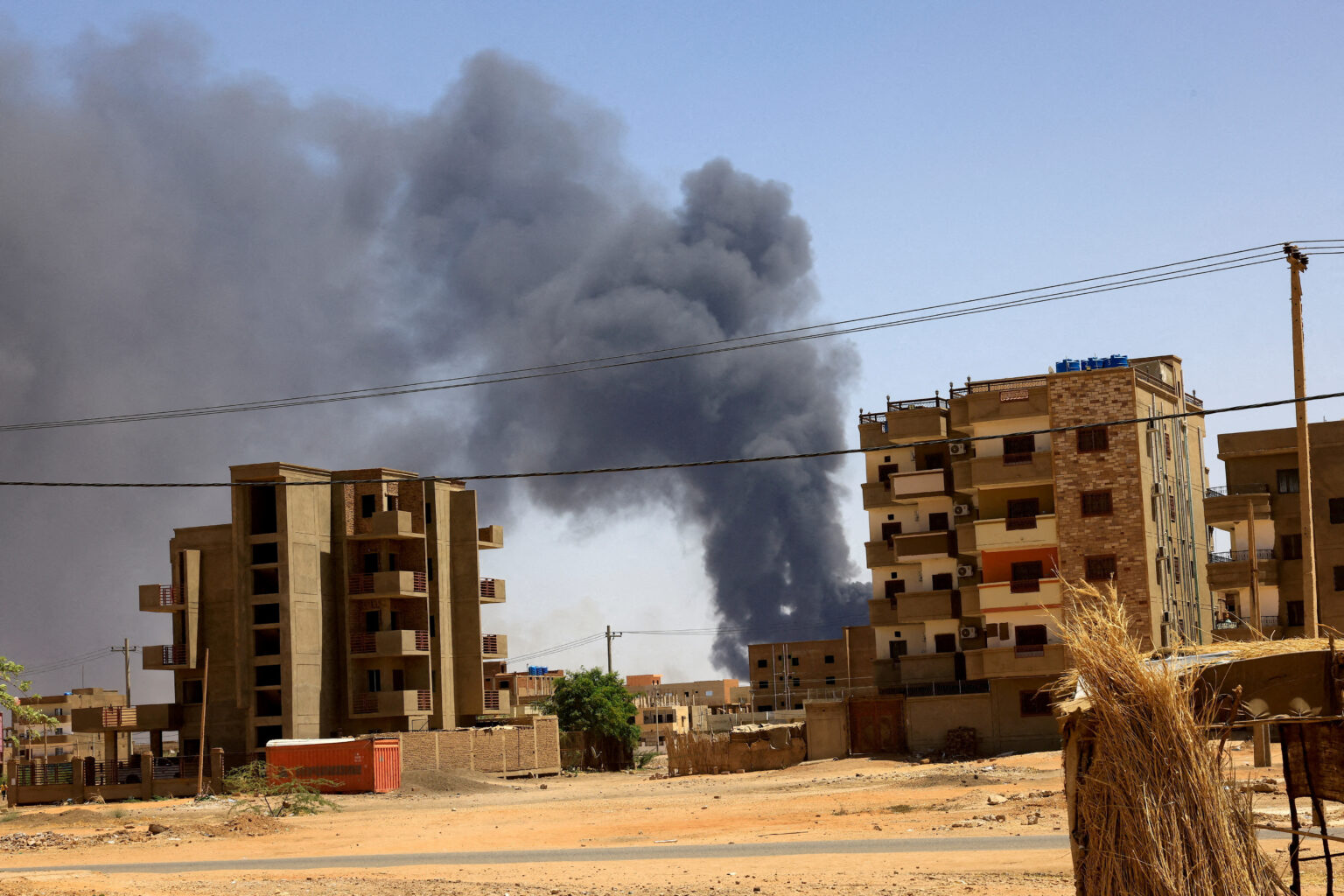
Sudan’s economy is set to shrink by 18.3 per cent this year even as joblessness hits nearly half the country’s population. Khartoum city, once a bustling hub, now bears the scars of conflict with factories, banks, shops, and markets falling victim to looting or destruction. About 10,400 schools in conflict-affected areas are closed, rendering 19 million Sudanese children without access to education. The humanitarian crisis in Sudan is poised to worsen next year even as the economy is set to contract by 18 per cent in 2023. This comes as New York-based International Rescue Committee (IRC) identified Sudan as the…
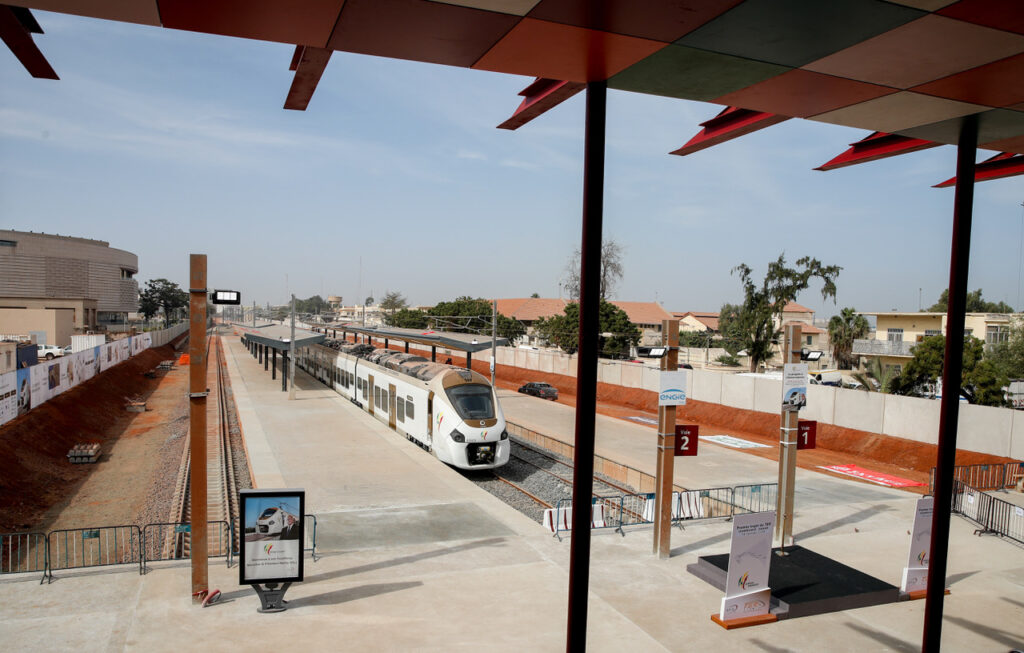
AfDB will provide US$98.62 million to Burundi in the form of grants and US$597.79 million to Tanzania in the form of loans and guarantees. The Joint SGR Project plays a pivotal role in fostering development, facilitating trade, and enhancing accessibility across East Africa. Investment will also unlock and connect key economic processing zones, industrial parks, Inland Container Depot, and population centers along the central corridor. The Board of AfDB has taken a significant step in advancing East Africa’s regional connectivity and infrastructure development by approving a total financing package of U$696.41 million for Burundi and Tanzania Standard Gauge Railway (SGR)…

Kenyan and Nigerian stores will soon experience absence of Procter & Gamble (P&G) products, as the American multinational embarks on a phased withdrawal. In Kenya, P&G has set its sights on leaving Nairobi by June 2024, citing high cost of doing business, dollar shortages, and dip in sales. P&G’s response to these challenges involves increased pricing as a strategy to mitigate currency impacts, but this has seen it lose market share to rivals. The shelves of Kenyan and Nigerian stores will soon experience a noticeable absence of Procter & Gamble (P&G) products, as the American multinational consumer goods manufacturer embarks…