Trending
- Libya’s oil sector just signed its biggest foreign deals in a generation
- African trade is growing despite the obstacles
- Why global capital is betting big on Africa’s digital promise
- Kenya posts stronger-than-expected Q1 growth at 5.3% on manufacturing rebound, tourism boom
- China’s new investment rules are about guardrails, not closed doors
- Zanzibar optimistic economic growth will hit 7.5% on tourism boom
- Kenya defies economic shocks to post record $22 billion in tax collections
- Forget South Africa: East Africa now rules in banking industry returns



East Africa has become a key frontier for economic expansion so as to have a balance of power against the West and as a…
The market share of Tanzania tea is gaining ground globally.…

People have been told for a long time that the…


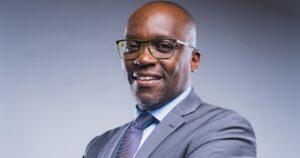
KBL Managing Director John Musunga has been appointed the Managing Director and Chief Executive Officer…
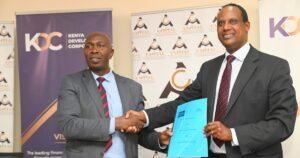
The Capital Markets Authority (CMA) and the Kenya Development Corporation (KDC) have signed a new…
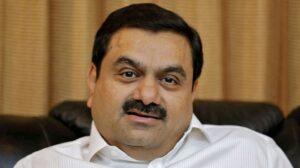
His fortune is estimated to be worth a staggering US$148 billion. He is second only to Tesla founder and eccentric billionaire Elon Musk. Very interesting to note is the fact that the rise of Adani into the high stakes of global wealth is also the first time that two of the wealthiest individuals in the world are from countries that comprise the BRICS nations.
Though now a US citizen, Elon Musk has South African heritage, and Adani is an Indian national.
That two of the richest men in the world are from BRICS countries is indicative of the emergence of the bloc. Adani is the first person of Indian descent to occupy the position. Adani is the chairman of the Adani Group, which operates a litany of businesses in coal mining, infrastructure, and thermal power generation. His companies also operate private airports and firms. According to media reports, Adani’s wealth began to surge at the beginning of this year when he was ranked 14th on the Bloomberg Billionaires Index.

Aviation umbrella body Kenya Association of Air Operators (KAAO) has announced the appointment of Engineer…

An expert in the tourism industry has urged countries in the East African Community (EAC)…
Countries must continue to work to mitigate their vulnerabilities over time. This involves minimizing balance-sheet misalignments, establishing money and foreign exchange markets, and lowering exchange rate passthrough by increasing monetary policy credibility.
However, in the short term—while vulnerabilities remain high—the use of extra instruments may assist relieve short-term policy trade-offs when certain shocks occur. In particular, foreign exchange intervention, macroprudential policy measures, and capital flow controls may help increase monetary and fiscal policy autonomy, promote financial and price stability, and minimize output volatility if reserves are enough and these instruments are available.