
Trending
- 2026 is turning out as a defining year in geopolitics, but for whom?
- Bitcoin Surges 20%: How Crypto Holders Are Exploring Cloud Mining Income in 2026
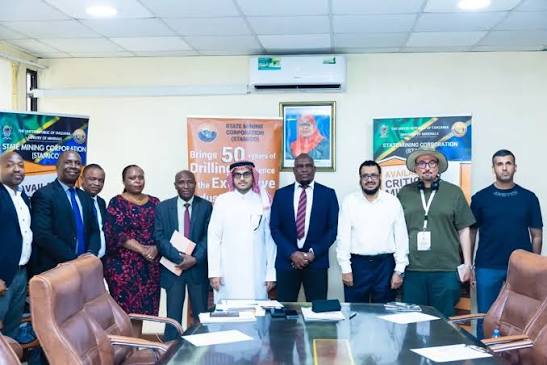
- Saudi Arabia and Tanzania pledge to deepen bilateral trade ties
- Tanzania rewrites its digital investment playbook
- Ethical sourcing boosting demand for Tanzania organic cotton
- DRC deploys 70,000 Ebola vaccine doses in high-stakes trial against deadly Bundibugyo strain
- Kenya’s private sector optimistic on growth despite inflation and geopolitical risks
- AfDB and Standard Bank ink $332 million social bond deal to fund South African SMEs



East Africa has become a key frontier for economic expansion so as to have a balance of power against the West and as a…

The market share of Tanzania tea is gaining ground globally.…

People have been told for a long time that the…


New data now shows that CIC Asset Management has retained its leading position in unit…

KCB Bank Kenya has invested over KSh 120 billion to support Oil Marketing Companies (OMCs)…

Kenya has not been left behind in the growth and development of technology. East Africa’s richest economy stands tall in the development of digital technology. However, a lot needs to be done, and the new administration has enough space to execute its plan regarding the advancement of the Kenyan digital space.

Persons with Disabilities in Kenya will get connected to jobs more easily following a partnership…

According to the EIU graphic, much of the external debt stock of African countries consists of public medium- and long-term borrowings. This form of borrowing has been on the rise since 2000.
Private medium- and long-term debt stock in Africa has also been on the increase but not at the same scale and magnitude as the public debt. In short, governments, through their finance ministries, have been on a borrowing binge since 2000, whereas the private sector has marginally increased its borrowings in United States-denominated debt.
The increased levels of borrowing in hard currency badly expose governments to movements in interest rates and exchange rates. South Africa has the most external debt exposure of any country in Africa, followed by Egypt and Nigeria. With these facts in mind, it is no surprise to how much the Rand, the South African currency unit, has depreciated against the dollar.

The answer is in the law and the governance models that these countries approach. The way in which the governments of those countries approach the mining industry is imperative.
In South Africa, the natural resource curse is more pronounced in the sense that while the mining sector has made a few individuals fabulously wealthy, inequality in that country has meant that while the richest of the rich get richer, the poor get poorer.
How can governments approach the mining sector to ensure its development leads to broad-based and shared prosperity for all? The answer is the same. The answer is in the respective governments and the legal frameworks for the mining industries of those countries.