


Trending
- Weather experts warn of the most powerful El Niño in decades as extreme weather hits Africa
- Africa Blockchain Festival ignites a new dawn for African innovation
- Africa’s gaming market set to quadruple to $4 billion, defying global slowdown
- Tanzania throws its bond market wide open to the global investors
- VALR sets sights on East Africa as blockchain moves deeper into Africa’s financial system
- The cost of the data gap: Why Kenya’s lenders can’t afford to miss the full picture
- Tanzania takes EAC labour migration helm as regional rules face overhaul
- 2026 is turning out as a defining year in geopolitics, but for whom?



A majority of Kenyan workers are disengaged according to the 2024 edition of Gallup employees survey. The survey further shows that men are slightly…
Kenya’s $168Bn plundered development loans were taken over 11 year…

Kenya’s Political Instability has seen calls for President Ruto’s impeachment,…



The CBK has also issued circulars to local commercial banks warning them against dealing with cryptocurrencies transactions or face penalties for non-compliance.
The last circular was issued in 2018 and has remained in action up until now.
While delivering the monetary policy announcement where the monetary policy committee retained the base lending rate at seven per cent for the 12th time, Dr Patrick said that their position had not changed on any of the crypto products in the market.
Justice Makau’s ruling was as follows, “I find as decided in the Court of Appeal decision, the petitioner has a right to mechanise and adopt technology in its operations. The matter in dispute is therefore effectively concluded and settled in terms stated.”
If the cry of the workers’ Union is true, then this ruling threatens more than 50,000 workers’ jobs and allegedly, already over 10,000 tea pickers have lost their jobs to the machines.
However, the odds are pinned against the peasants, the Kenya Tea Growers Association says the loss of jobs has nothing to do with the machines but rather ‘…tea companies reducing their workforce through natural attrition.

The start-up has converted more than 170 vehicles from petrol and diesel engines to electric powered ones. The company is building supporting infrastructure to their cause through installation of public charging stations.
Brand new OPIBUS electric buses will cost US$100,000.
The chief strategy and marketing officers at OPIBUS, Albin Wilson said that the company would be testing 10 of their buses in Nairobi to ensure that the product fits and is optimized to the usage patterns in the country.

Kenya Insights reported that the ship (MT Jag Prarena) docked at the Port of Mombasa on December 30 and was offloaded for nearly three days. Four other vessels that had gone through the legal importation process we kept at bay, incurring approximately Ksh100 million (US$88 million) in demurrage charges.
OMAK said that Gulf had imported the petrol contrary to the petroleum act 2019, with the importation and offloading of the cargo being done outside the Open Tender System (OTS).
The act prohibits private imports of refined petroleum products using state-owned common user facilities.

In 2018, the global textile industry’s worth stood at approximately $920 billion. The global Textile Market Analysis of 2021 to 2028 anticipates that the market could reach $1,412.5 billion by 2028.
The market drivers include the rise in consumer awareness, e-commerce platforms to support sales, and the fast-changing fashion trends in the industry.
The CEO of Basra Textiles, Ahmed Othmad, said on January 11 that the factory at Chunguni area in Zanzibar was targeting to export to markets across East and Central Africa.
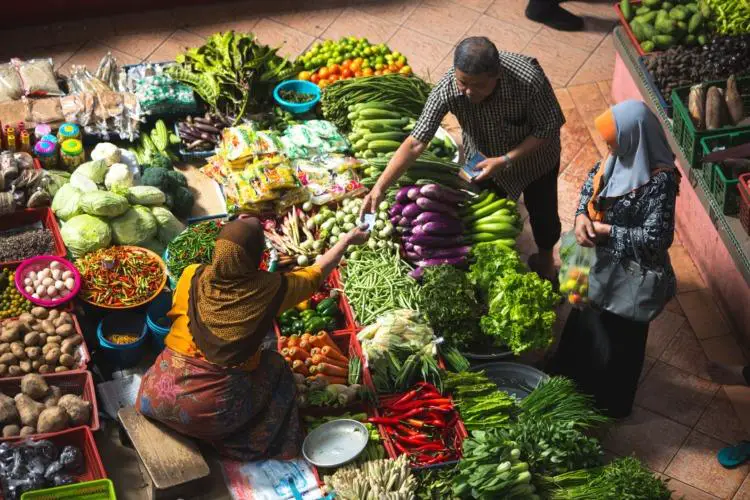
In the first six months of the year, Kenya’s food imports had increased to sh103.34 billion. The figures collected by the Kenya Revenue Authority (KRA) showed that the food imports were sh12.35 billion more than the amount spent in the same period in 2020.
According to data from the national treasury, import expenditure increased by 29 per cent in the third quarter of 2021. China is the most significant contributor of Kenyan imports accounting for 31.6 per cent of the total bill from the Asian continent.
This is the fastest growth in the food import bill since a 60 per cent jump recorded in 2016 when the bill stood at sh82.83 billion. The exponential increase has been linked to the growing popularity of digital trading, allowing retailers and consumers to order and ship food and other commodities directly.