



- From preferential tariffs to tractor-for-hire models, East Africa’s agricultural value chains are being rewired for private capital.
- With EAC protective duties of up to 100% and a two-tractor-per-1,000-hectare deficit, equipment rental and logistics emerge as the new frontier.
As Tanzania, along with the rest of East Africa, looks to industrialize, it has extended various incentives that promise high returns on investment, so much that investors from across the world are flocking in. Agro-industrialisation, the phrase has been conjured from cyclic nature of Africa’s industrialisation ambitions.
Until recently, agriculture was seemingly the aspect of development stagnation in Africa but now, it is this same aspect that is driving industrialisation.
Agriculture offers unprecedented opportunities to invest across its various value chains thanks to extended incentives that are meant to promote industrialisation in the EAC.
Agricultural industrialisation comes with other concepts like agro-mechanization as the EAC rolls out strategic pathways for economic transformation based on mechanising the long agriculture value chains.
For instance, Tanzania is reported to have an annual machinery growth rate of nearly 3% according to the Centre for Agricultural Mechanization and Rural Technology (CAMARTEC).
Starting off with smallholder farmers that dominate the sector, the money cow, so to speak, can be milked by investors who can creatively offer targeted machinery solutions.
Agriculture is driving growth of machinery markets and vise versa. According to CAMARTEC, the northern and southern highlands of Tanzania are leading the localized industrial revolution.
Arusha is reported to command more than 13% of the country’s four-wheel tractors. It is followed by neighbouring regions of Kilimanjaro and Manyara, and as far out as Mbeya in the south; all have the highest rates of tractor-based land preparation, CAMARTEC reports.
Machinery involved thus far are the four-wheel tractors while the smaller sister two-wheel tractors are popular for smaller plots and rice paddies.
Remote and rugged terrain kept Africa from industrializing it’s rural areas but now, therein lays the investment opportunity; tailored machinery for land preparation, seeding, pesticide creation and application, all the way to harvesting, storage, marketing and transportation.
CAMARTEC says Africa has fewer than two tractors per 1,000 hectares and this opens up opportunities for entrepreneurs and investors to offer equipment rental services.
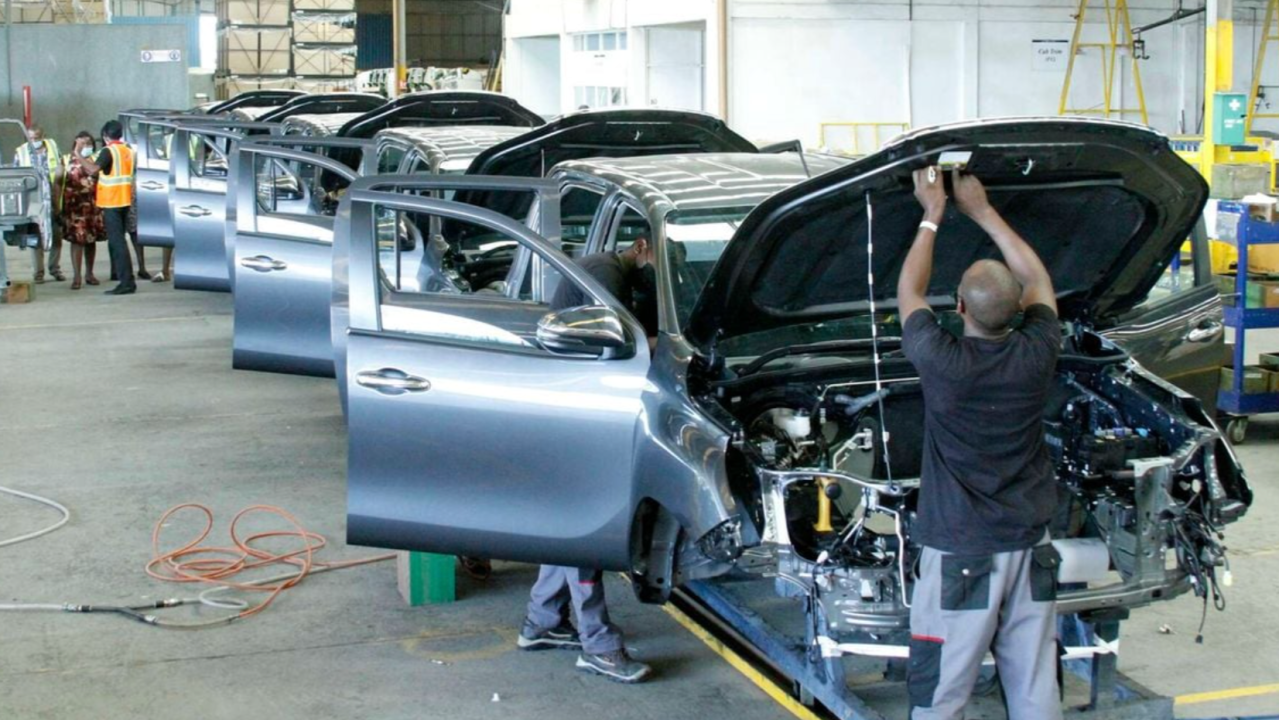
Which brings us to another mechanisation and digitalization opportunity in financing, insurance, marketing, transport logistics and local machinery assembly.
“Smallholder farmers often find purchasing tractors cost-prohibitive, creating high demand for accessible tractor-for-hire services to increase yield and reduce post-harvest losses,” elaborates
You also have the pre-farming subsector covering research, development, and testing of the appropriate rural technologies all of which are investment opportunities in mechanizing agriculture and in so doing industrializing the country.
With agriculture contributing over 30% of the regional GDP and employing more than 70% of the population, CAMARTEC sees near infinite Agro-industrialisation investment opportunities.
Furthermore, the EAC governments have made investment along the agriculture value chains even more so attractive with sector related incentives.
“The EAC has shifted its focus from subsistence farming to value-added manufacturing and commercialized agribusiness,”
CAMARTEC goes on to note that the EAC coordinates regional agriculture-led industrialisation through several favorable legislative provisions.
This includes the EAC Industrialisation Policy (2012–2032) that prioritizes agro-processing as “…a tool to structural change, build economic resilience, and create off-farm employment.”
Then you have the Regional Agri-Food Systems Investment Plan (RASIP 2026–2035). This 10-year investment framework targets food system transformation, climate resilience, and modernized market systems.
Likewise, the EAC Customs Union & Common External Tariff (CET) now extends protective import tariffs that range from 35% to 100% for all sensitive staples and necessities like maize, sugar, and milk.
Also Read: How Tanzania is franchising its way to a new economy
Agro-industrialisation policy incentives in East Africa
Earlier this month, the Permanent Secretary in Tanzania’s Ministry of Agriculture, Gerald Mweli, had talks with Kenya’s Ambassador to Tanzania, Catherine Wahome, agreed to cooperate in the industriazation initiatives.
In this regard, more than half a dozen Memorandums of Understanding (MoUs) have been entered between the two countries.
Presidents of the two countries, Kenya’s William Ruto and Tanzania’s Samia Suluhu kick started the MoUs on May 4, 2026, in Dar es Salaam, Tanzania during a state visit of Kenyan President Ruto.
They agreed and played down ground work for teams of experts from both countries to coordinate and execute commitments for a joint action plan to realize the sought after agro-industrialisation outcomes.
“The leaders also discussed the importance of harmonising phytosanitary certification requirements in order to remove non-tariff barriers affecting agricultural trade and boost the exchange of agricultural products between Tanzania and Kenya,” details the brief.
The official executive media brief says the agreements cover strategic areas of cooperation including the development and management of the new and existing transport systems to facilitate the movement of goods and people within and beyond the East African Community.
With agriculture industrialisation as the main stay, Kenya and Tanzania have committed to institutional strengthening through training, skills development, and exchange programmes for their public servants and more importantly, for private sector involvement.
“Overall, the agreements signal a strategic direction toward building an integrated economy grounded in coordinated infrastructure, policy alignment, and effective resource governance across the East African region,” the communique details.
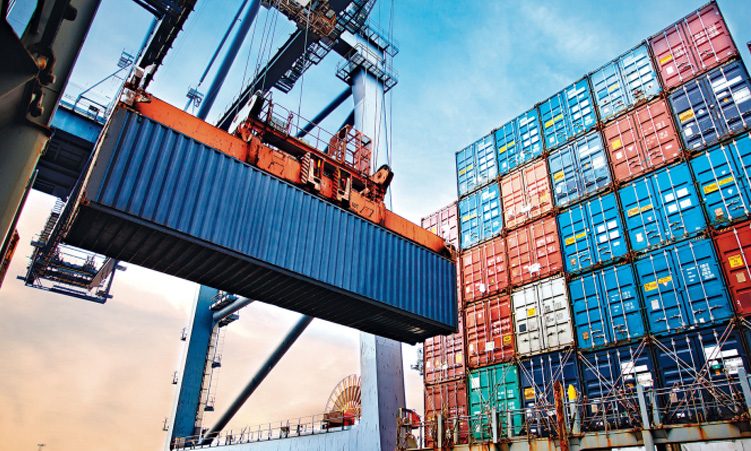
It goes on to highlight a new strategy for maritime transport was also discussed. In effect, it will see the two countries improve shipping services and port operations.
Here, investors have opportunity as the countries seek to enhance efficiency at the Port of Dar es Salaam and the Port of Mombasa, the key trade gateways in the East African region.
To this end, analysts are confident that, if supported, “…investments in technology and infrastructure, could increase joint agricultural output by over 20% in the medium term.”
According to the press statement; “The MoUs are expected to significantly impact the energy sector by increasing access to affordable energy and strengthening strategic cooperation in energy resources.”
It goes on to highlight standards and quality assurance to harmonize product standards, reduce trade barriers, and to ensure they meet global and regional quality benchmarks within the common market and globally.
“Overall, the agreements signal a strategic direction toward building an integrated economy grounded in coordinated infrastructure, policy alignment, and effective resource governance across the East African region,” the document says.
With EAC governments encouraging industrialisation through agriculture, investors have opportunity to tap into the policy incentives to invest in agro machinery for remote and rugged terrain, for transportation and storage, and marketing logistics.
Furthermore, with green energy at the core, opportunities lay in digital frontiers including AI models for agriculture value chains, but that is discourse in our next agro-industrialisation coverage. Look out for; “Agro-industrialisation: Digitalizing agriculture, opportunities for investors and youth employment.
Read also: Smallholder-at-scale intelligence: The AI frontier shaping Africa’s US$1 trillion agriculture future