

Trending
- Weather experts warn of the most powerful El Niño in decades as extreme weather hits Africa
- Africa Blockchain Festival ignites a new dawn for African innovation
- Africa’s gaming market set to quadruple to $4 billion, defying global slowdown
- Tanzania throws its bond market wide open to the global investors
- VALR sets sights on East Africa as blockchain moves deeper into Africa’s financial system
- The cost of the data gap: Why Kenya’s lenders can’t afford to miss the full picture
- Tanzania takes EAC labour migration helm as regional rules face overhaul
- 2026 is turning out as a defining year in geopolitics, but for whom?



A majority of Kenyan workers are disengaged according to the 2024 edition of Gallup employees survey. The survey further shows that men are slightly…
Kenya’s $168Bn plundered development loans were taken over 11 year…
Kenya’s Political Instability has seen calls for President Ruto’s impeachment,…

Safaricom has rolled out a campaign to offer technological solutions for enterprise and the public…

KCB Group Plc has recorded a historic 74 per cent rise in profit after tax…

CMC Motors Group has partnered with Stanbic Bank to introduce ‘Ford Finance’ to enable clients…

Google has unveiled the list of successful applicants of its Google for Startups Accelerator Africa…
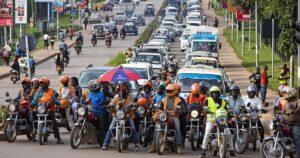
President Uhuru Kenyatta has ordered a countrywide security crackdown to weed out rogue boda boda…

Nairobi needs a few changes in transport. First of all, the Central Business District should be free of Matatus. This means of transport is as old as independent Kenya and on a good day, ferries 80 per cent of Nairobi dwellers. It also racks millions in income both for individuals as well as taxes. However, the industry makes the city lose more than it makes.
Matatus are known for breaking all transport rules including double parking, blocking lanes and sometimes harbouring criminals. It costs even more money to position policemen and county government officers to reinforce discipline.
Trams and light rails have always been mooted. However, the cost and time for this have made the idea be delayed. Creating circular high capacity-bus trips commonly known as Bus Rapid Transport (BRT) system in key roads around the CBD and fed by well-positioned termini from the estates will ensure that there is a consistent flow of people to the city without the matatus clogging the road.