

Trending
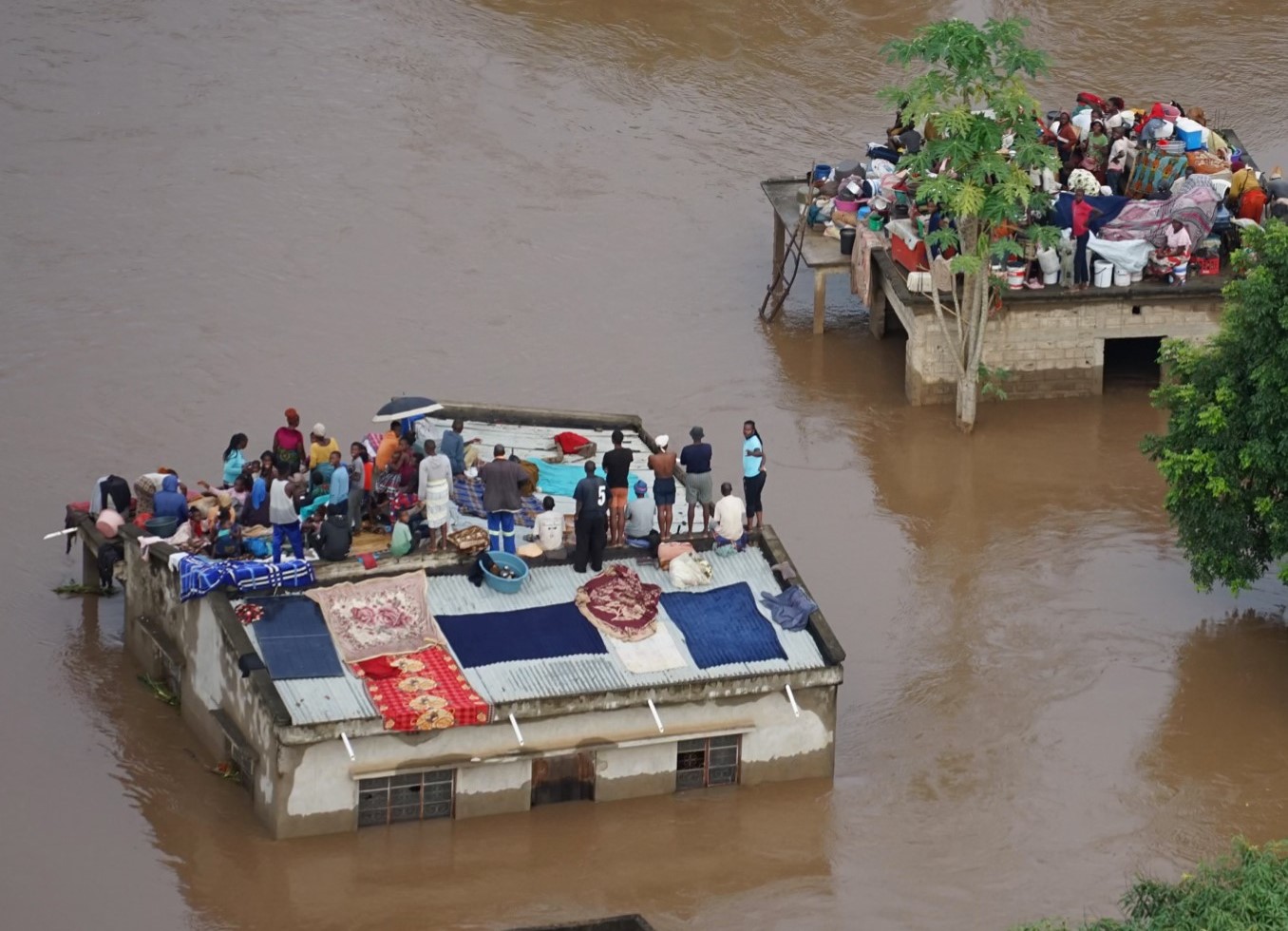
- Weather experts warn of the most powerful El Niño in decades as extreme weather hits Africa
- Africa Blockchain Festival ignites a new dawn for African innovation
- Africa’s gaming market set to quadruple to $4 billion, defying global slowdown
- Tanzania throws its bond market wide open to the global investors
- VALR sets sights on East Africa as blockchain moves deeper into Africa’s financial system
- The cost of the data gap: Why Kenya’s lenders can’t afford to miss the full picture
- Tanzania takes EAC labour migration helm as regional rules face overhaul
- 2026 is turning out as a defining year in geopolitics, but for whom?



Saudi Arabia commits to increased trade with Tanzania. Already the oil-rich nation has entered into an agreement to set up a meat processing plant…

Tanzania is rolling out new laws aimed at attracting investors…
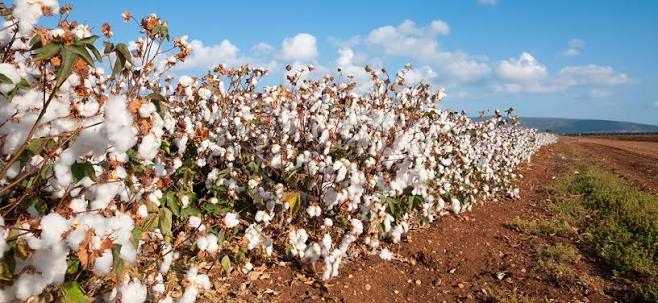
Tanzania organic cotton gaining global market interest. Growing call for…
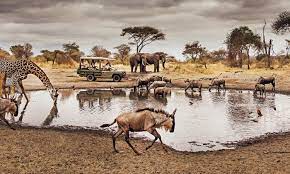
The Serengeti, home to the largest annual migration of over 1.5 million wildebeest and zebras making…

Tanzania’s financial services sector, which contributed approximately 3.8 percent to the country’s total GDP on…
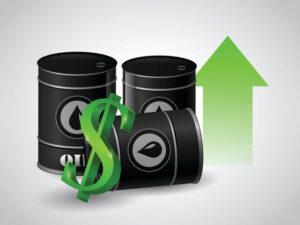
As of July 1, price for petroleum products in Tanzania increased drastically owing to the amendments outlined in the country’s new Finance Act as passed by parliament. A huge chunk of the money you pay at the pump goes to the government in taxes; in fact the government takes anything between 30 and 40 percent in form of taxes, levies and regulatory fees.
Nonetheless, Tanzania’s Energy and Water Utilities Regulatory Authority (Ewura) still attributed the price hike to global trends, in part admitting to the tax effect and in part deflecting it to global trends.

A plan seeking to revive tourism in East Africa has been approved, following the negative…
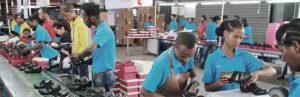
That year, in 2015, Kenya, Rwanda, Uganda, and Tanzania settled for a three-year plan to phase out the importation of used clothes, a major exporter been the United States. To realise the intended ban, taxes were increased on second-hand clothes were increased effectively deterring their importation. The plan was to completely ban the import of second-hand clothes as of 2019.
This ambitious vision was never realized as the Trump administration issued an ultimatum for EAC to rescind the ban on second-hand clothes by 23 February 2018 or, as the DW writer Isaac Mugabi puts it ‘face the consequences.’

Diamonds maybe forever but gold is the stand of measure for and store of…