

Trending
- Weather experts warn of the most powerful El Niño in decades as extreme weather hits Africa
- Africa Blockchain Festival ignites a new dawn for African innovation
- Africa’s gaming market set to quadruple to $4 billion, defying global slowdown
- Tanzania throws its bond market wide open to the global investors
- VALR sets sights on East Africa as blockchain moves deeper into Africa’s financial system
- The cost of the data gap: Why Kenya’s lenders can’t afford to miss the full picture
- Tanzania takes EAC labour migration helm as regional rules face overhaul
- 2026 is turning out as a defining year in geopolitics, but for whom?


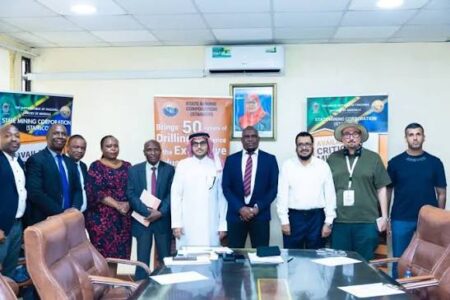
Saudi Arabia commits to increased trade with Tanzania. Already the oil-rich nation has entered into an agreement to set up a meat processing plant…

Tanzania is rolling out new laws aimed at attracting investors…
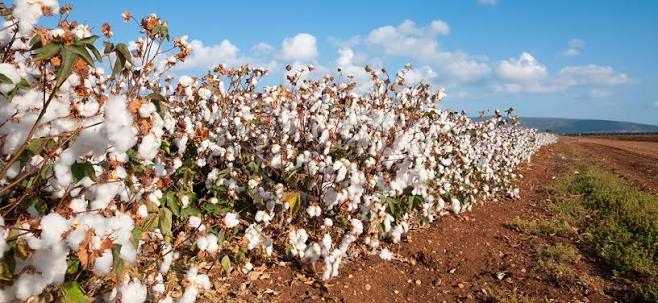
Tanzania organic cotton gaining global market interest. Growing call for…
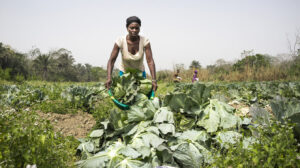
The Household Budget Survey (HBS) report for 2019/2020 was released by the office of the chief government statistician (OCGS) in May painting the poverty reduction agenda on different levels, as the tool collected information pertaining to private households’ economic activities, household income and expenditure, housing characteristics and expenditure.
The HBS report argued that the 2019/20 HBS helped in evaluating Zanzibar’s performance concerning the United Nations Sustainable Development Goals (SDGs), as well as regional development strategies.
Zanzibar is the semi-autonomous region of the United Republic of Tanzania, made up of two isles, Pemba
Zanzibar International Tourism Show- The Exchange
and Unguja, inhabited by more than 1.7 million people. The archipelago is dominated by two main economic operations, agriculture and services, particularly the tourism service industry.
Nonetheless, production remains very low, and this is true for most other parts of the continent as well. Even though Africa has some of the world’s largest water bodies and is surrounded by the Atlantic on the West and the Indian Ocean on the East, the Mediterranean Sea in the North and the merging of the Atlantic and Indian Oceans to the South, the continent contributes only a small percentage of the global fish supply.
Tanzania is looking to change this fact. Following a presidential order to boost fish production, the country is embarking on a gigantic project to harvest 12 tonnes of fish per month. Undertaken by the country’s National Service (military branch) the project is expected to also produce more than 200,000 fish seeds.

CRDB is enjoying a remarkable dash for its shares having sold an impressive 5.0…

Tanzania has earned a record $3 billion from gold sales as price for the…
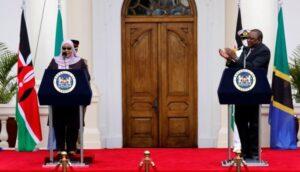
Within her first two months in the executive office. With Uganda, President Samia Suluhu Hassan…

The government of Tanzania is working on a blue print to increase sell of the…