Trending
- African trade is growing despite the obstacles
- Why global capital is betting big on Africa’s digital promise
- Kenya posts stronger-than-expected Q1 growth at 5.3% on manufacturing rebound, tourism boom
- China’s new investment rules are about guardrails, not closed doors
- Zanzibar optimistic economic growth will hit 7.5% on tourism boom
- Kenya defies economic shocks to post record $22 billion in tax collections
- Forget South Africa: East Africa now rules in banking industry returns
- Lamu over Tanga: The commercial calculus that cost Tanzania $20bn refinery



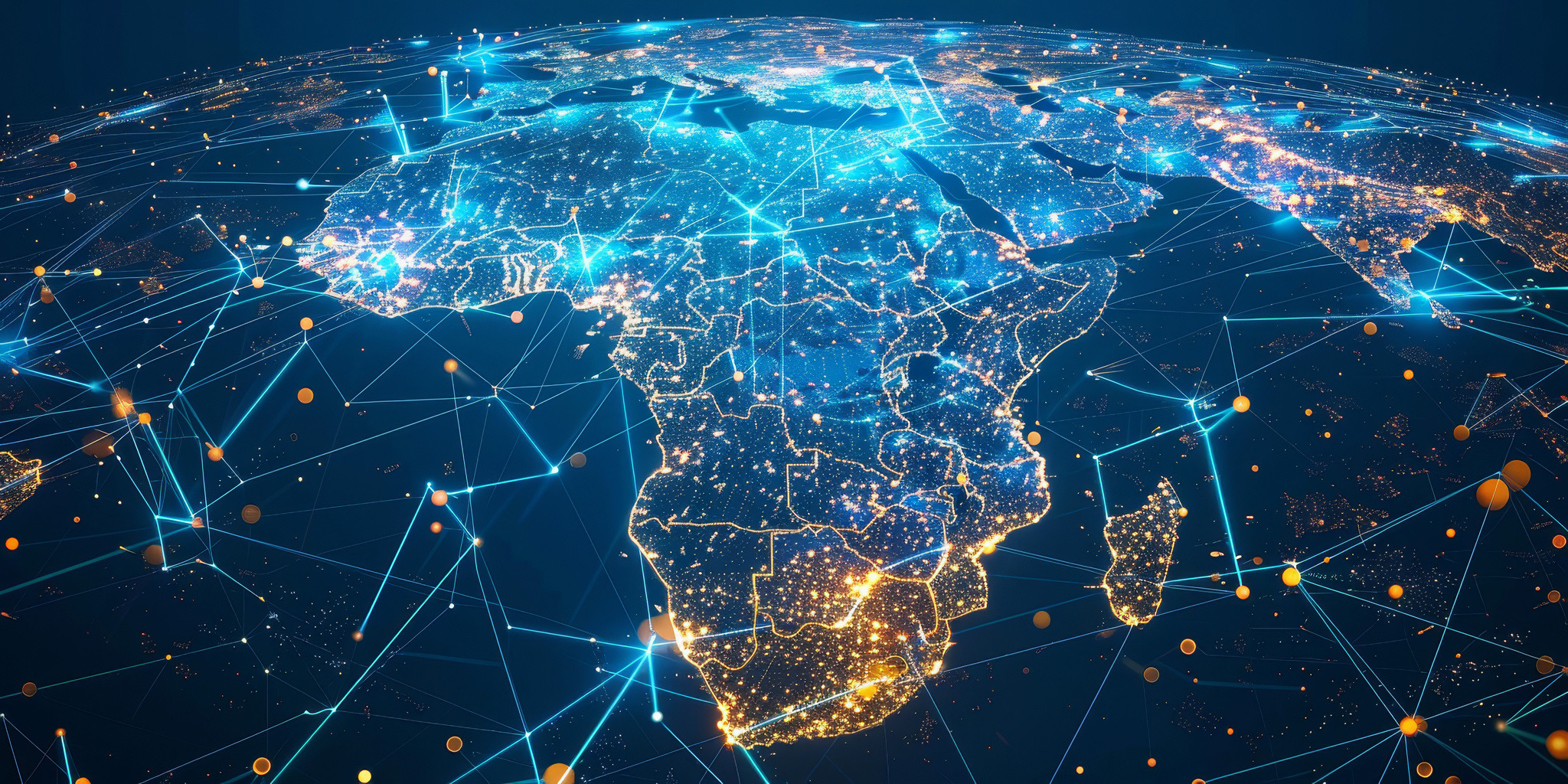
Digital development is attracting new Foreign Direct Investment (FDI) to Africa. This as overall FDI into Africa is on the decline according to data…
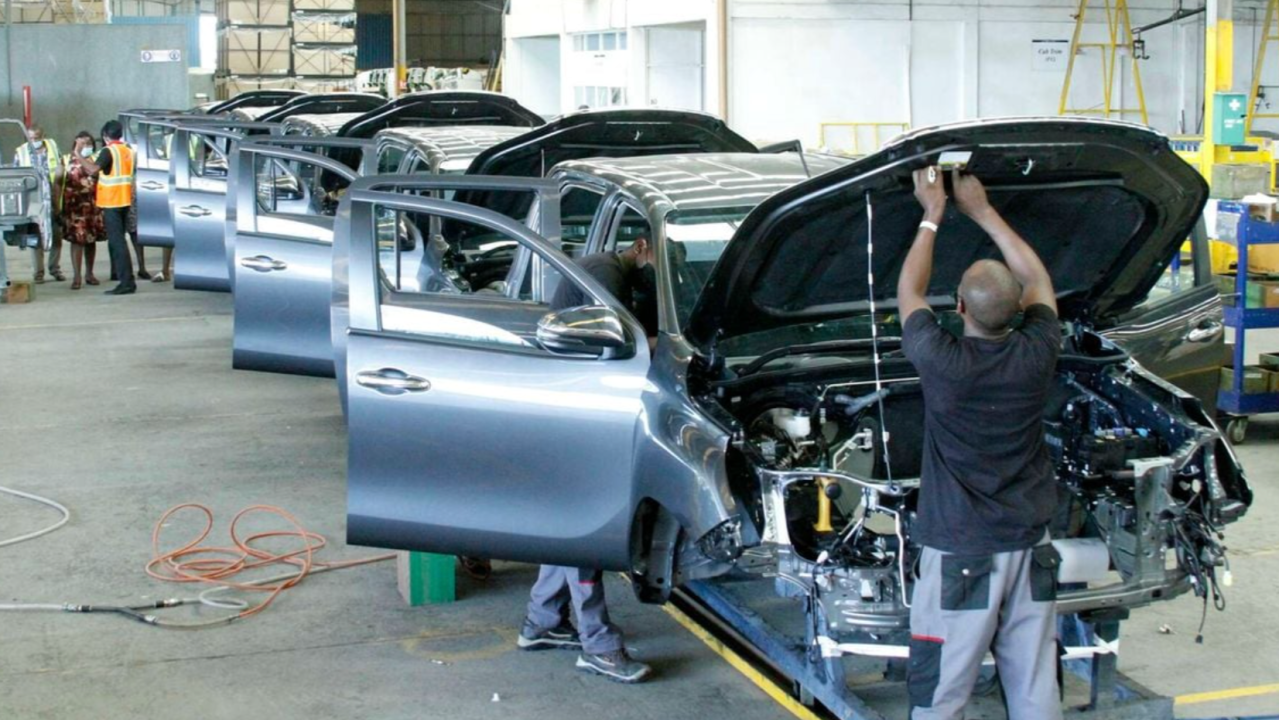
Kenya’s economy grows 5.3% in first quarter, powered by manufacturing…
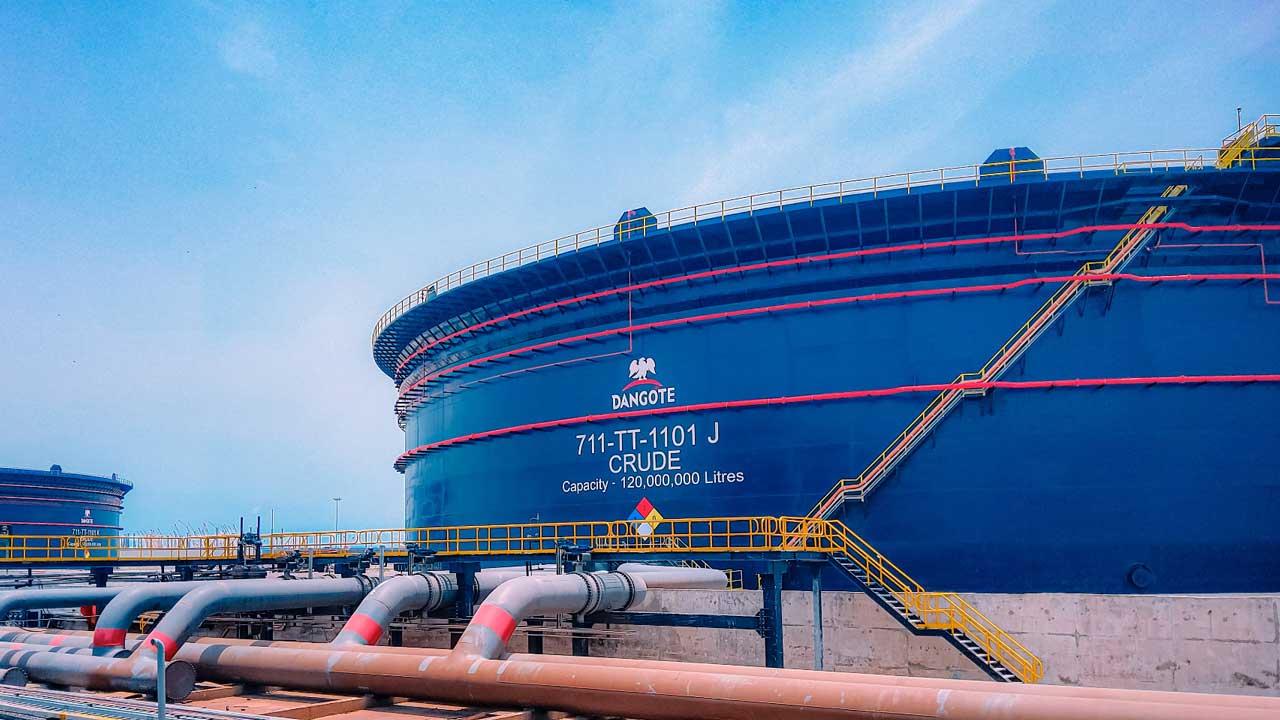
Dangote Group’s major refinery in East Africa needed deep-water berths…

The forum is being organised by the government of Barbados and the African Export-Import Bank (Afreximbank) under the theme “One People, One Destiny: Uniting and Reimagining Our Future”.
Other conveners are the AfCFTA Secretariat, the Africa Business Council, the CARICOM Secretariat, and the Caribbean Export Development Agency.
The conference will give business communities in Africa and those in the Caribbean Community (CARICOM) region an opportunity to develop strategic partnerships and enhance bilateral cooperation in trade, investment, technology transfer, innovation, tourism, culture, and other sectors.
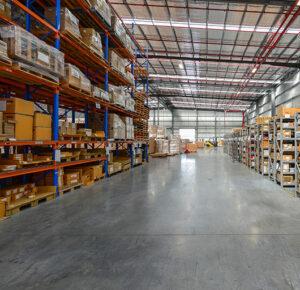
The demand for quality warehousing in Africa has been skyrocketing, especially with the rapid mushrooming…

Reallocation of government financing is essential in unlocking infrastructure potential. It eliminates the crowding out of private-sector funding, as government investing in most commercially viable assets is crucial to those with lower returns (Mckinsey).
Tanzania is one of the nations that leverages its internal revenue to fund its projects, including iconic bridges in the nation’s commercial capital and several roads, buildings and facilities across the country.
Kenya is another excellent example of a solution offered by Mckinsey as the government prioritised investment in municipal infrastructure as part of a drive to provide 500,000 new affordable housing units in five years.
Ethiopia is moving similarly, whereby it has prioritised investment in industrial development zones to attract global apparel manufacturers.
Most Kenyans, 83 per cent, indicated a willingness to increase the amount of money they allocate to savings and investments, but the inability to save due to insufficient funds after fulfilling their obligations that require regular funding and the availability of quick digital loans.
Among their obligations which contribute to Kenyans’ financial strain is supporting their extended family which considerably bites into their savings. 84 per cent of people indicated that they regularly provide some income to their extended family, mostly in case of emergencies, because they feel a sense of obligation to send their extended families money and because their extended family members treat them better when they are sent money.
On their part, the extended family members mostly use the money to cater to recurring expenses like food & transport, school fees and medical expenses at 23 per cent, 19 per cent and 18 per cent respectively. Farm-related expenses like purchase of fertiliser ranked fourth at 14 per cent, phone and home upgrades came in fifth at 7 per cent while entertainment like Christmas celebration was sixth.
According to The Carnegie Endowment, “UK investors accounted for the second-largest FDI stock in Africa in 2019 with US$66 billion, with roughly 83 per cent concentrated in oil, gas, mining, and financial services.”
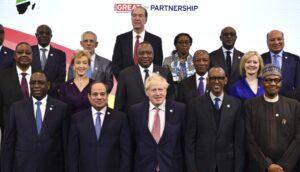
However, the connection between the two areas is important. After the UK’s post-Brexit foreign and development policy, the relationship between the two was strengthened in 2020 during the UK Africa Investment Summit, thanks to the establishment of the UK’s Foreign, Commonwealth, and Development Office.
At the Commonwealth Heads of Government Meeting (CHOGM) this year in Rwanda, common principles and plans for improving people’s lives were reaffirmed. The most ideal goal to which almost every country in the region aspires is the economic prosperity of Africa.
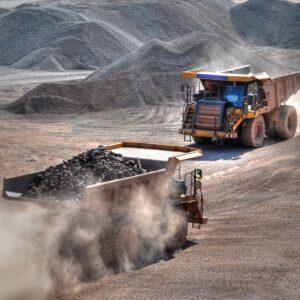
The global mining industry is changing minerals that drove mining activity and profits are slowly…