
Trending
- African trade is growing despite the obstacles
- Why global capital is betting big on Africa’s digital promise
- Kenya posts stronger-than-expected Q1 growth at 5.3% on manufacturing rebound, tourism boom
- China’s new investment rules are about guardrails, not closed doors
- Zanzibar optimistic economic growth will hit 7.5% on tourism boom
- Kenya defies economic shocks to post record $22 billion in tax collections
- Forget South Africa: East Africa now rules in banking industry returns
- Lamu over Tanga: The commercial calculus that cost Tanzania $20bn refinery



Digital development is attracting new Foreign Direct Investment (FDI) to Africa. This as overall FDI into Africa is on the decline according to data…
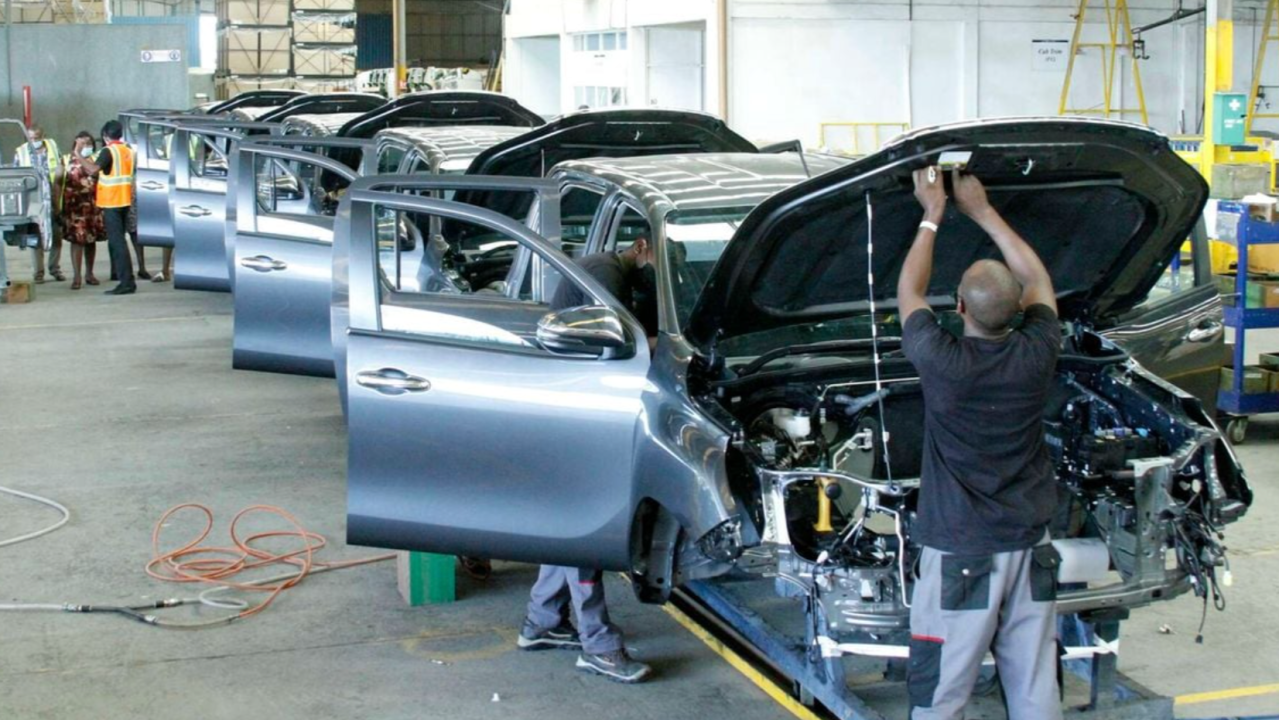
Kenya’s economy grows 5.3% in first quarter, powered by manufacturing…
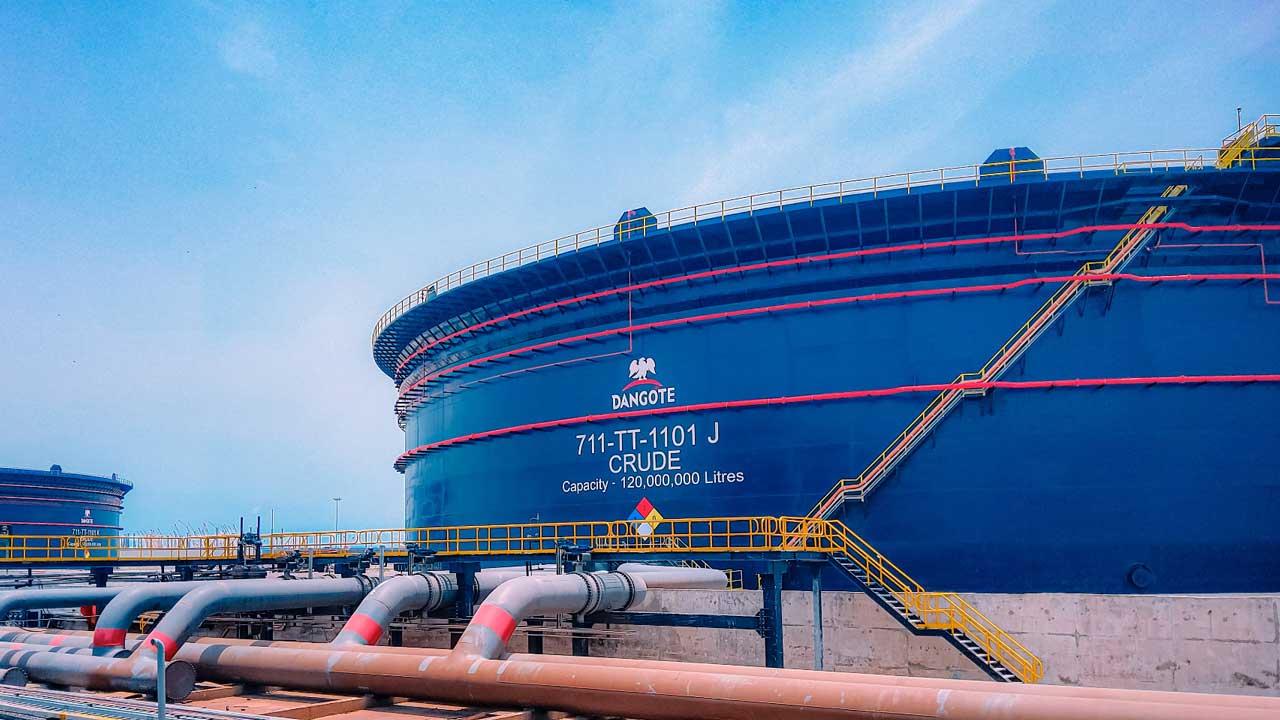
Dangote Group’s major refinery in East Africa needed deep-water berths…



Brand Finance ranked giant telecommunications company Safaricom as the most valuable brand Equity Group Holdings Limited…

ZAMBIA and Tanzania last week agreed to revamp and recapitalize the TAZARA railway and expand the TAZAMA pipeline following a change in objectives from the transportation of crude oil to finished products.
Tanzanian President Samia Suluhu Hassan said the agreement to revive TAZARA was reached when she held talks with visiting Zambian President Hakainde Hichilema at State House in the commercial capital Dar es Salaam.
According to Zambia Daily Mail, TAZARA was constructed as a turnkey project between 1970 and 1975 through an interest-free loan from China, with commercial operations starting in July 1976, covering 1,860 kilometres from Dar es Salaam in Tanzania to New Kapiri Mposhi in Zambia.
President Hassan added that the two leaders have also agreed to work closely in promoting trade and investment through the revival and renovation of key joint post-independence infrastructure projects that were built to link the two nations, including the Tanzania-Zambia Crude Oil Pipeline (TAZAMA).

Most business executives in Kenya expect a stable economy after the August 9 general elections…

CIC Insurance’s gross profit hit KSh 464 million in the first six months of 2022,…
De Beers also said the ship’s state-of-the-art dynamic positioning system optimizes its performance in changing weather conditions to minimize energy use. It also generates fresh water through its heat recovery systems and a reverse osmosis plant.
“The Benguela Gem is the first of its kind and represents an outstanding feat of engineering design, technology innovation, and sustainability performance,” said De Beers Group CEO Bruce Cleaver.
The vessel was designed and built in Europe, and the mission equipment was designed and built in Cape Town in large modules parallel to the vessel built in Europe. The mission equipment was then integrated into the vessel in Cape Town by De Beers Marine.
In terms of performance, according to an article by The Namibian dated July 29, 2022, South Africa, Botswana, and Canada all saw diamond production levels dipping at 4%, 4%, and 24%, respectively.
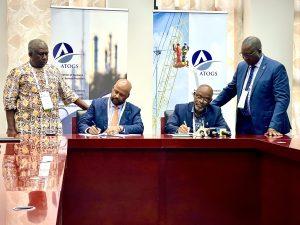
The second issue the MoU covers is building capacity on health and safety standards, which is another key disqualifier marked on local companies when competing with global actors in the oil and gas market.
Further, the MoU brings onboard knowledge to help the local technocrats, upcoming companies, and experts submit and succeed at various tenders offered on the international markets. In most cases, local companies have lost tender bids to experienced foreign companies.
“We need the local players to understand deeply about these oil and gas related tenders and deliver within the internationally recognized standards”, He added.
The ATOGS chief didn’t hold back his grand ambition to transform Tanzania’s business operations for the greater good, highlighting Nigeria’s success story.