
Trending
- African trade is growing despite the obstacles
- Why global capital is betting big on Africa’s digital promise
- Kenya posts stronger-than-expected Q1 growth at 5.3% on manufacturing rebound, tourism boom
- China’s new investment rules are about guardrails, not closed doors
- Zanzibar optimistic economic growth will hit 7.5% on tourism boom
- Kenya defies economic shocks to post record $22 billion in tax collections
- Forget South Africa: East Africa now rules in banking industry returns
- Lamu over Tanga: The commercial calculus that cost Tanzania $20bn refinery



Digital development is attracting new Foreign Direct Investment (FDI) to Africa. This as overall FDI into Africa is on the decline according to data…
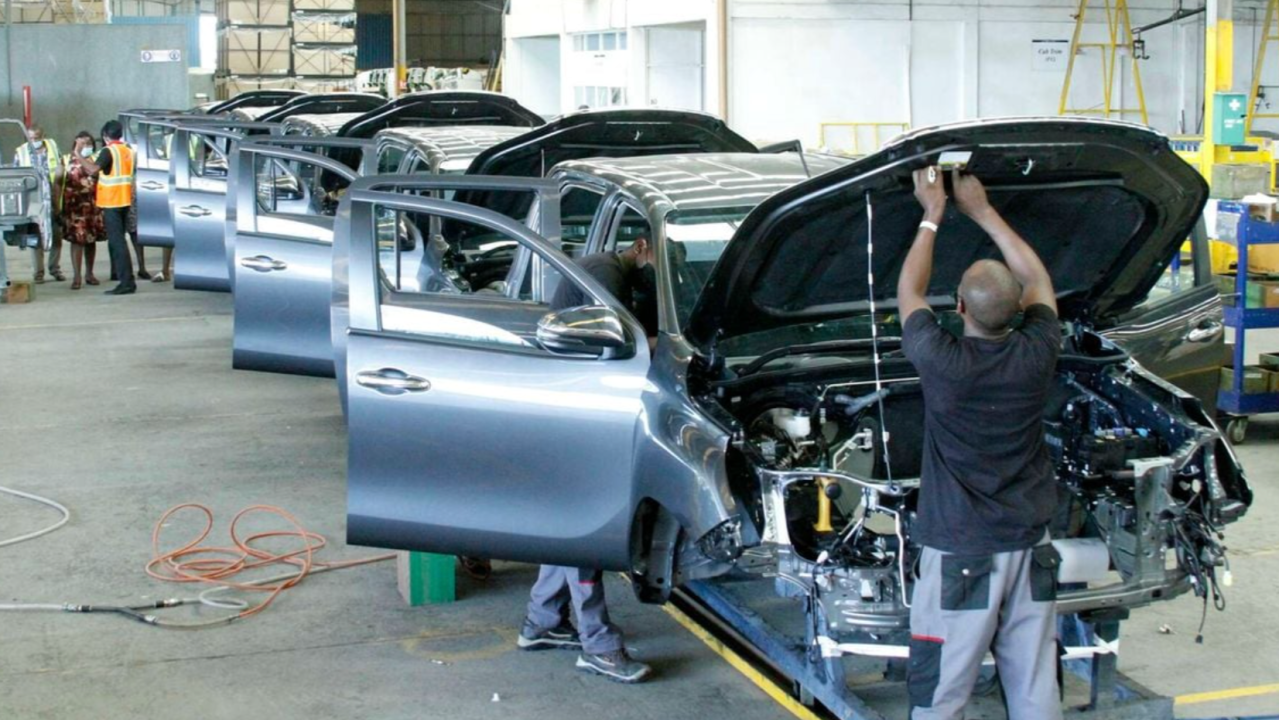
Kenya’s economy grows 5.3% in first quarter, powered by manufacturing…
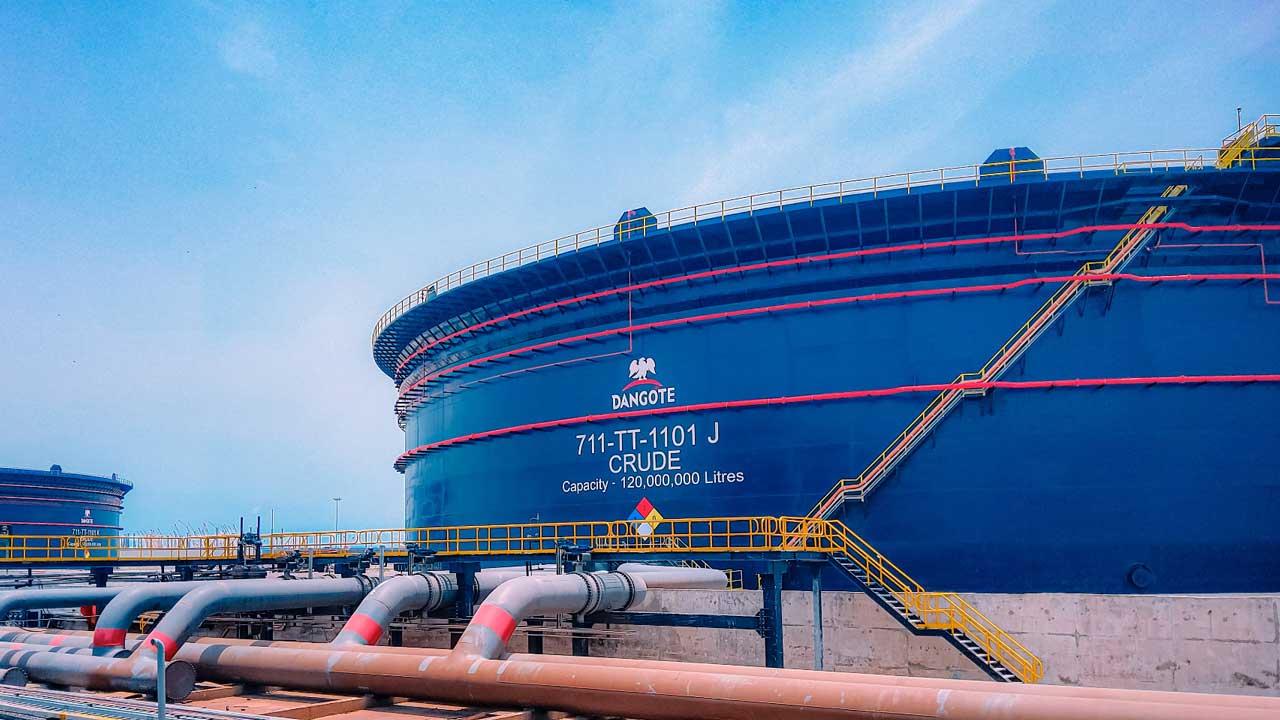
Dangote Group’s major refinery in East Africa needed deep-water berths…
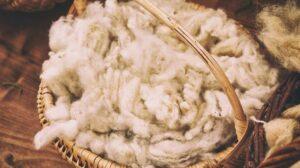
In 2020, Wool was the world’s 653rd most traded product, with a total trade of US$2.5 billion. Between 2019 and 2020, Wool exports decreased by -31.4 per cent, from US$3.65 billion to US$2.5 billion. Trade in Wool represents 0.015 per cent of total world trade.
Wool is a part of fine or coarse animal hair, horsehair yarn, and woven fabric. They include greasy shorn wool, not carded or combed, Degreased shorn wool, not carded, combed, or carbonize, Carbonized wool, not carded or combed, Degreased wool, not carded, combed, or carbonized, and Greasy wool (other than shorn) not carded or combed. In 2020 the top exporters of Wool were Australia, South Africa, New Zealand, the United Kingdom, and Uruguay.
The fastest growing export markets for Wool of South Africa between 2019 and 2020 were China, Eswatini, and Uruguay. In April 2022, South Africa’s Wool exports accounted for up to ZAR205 million, and imports accounted for up to ZAR4.5 million, resulting in a positive trade balance of ZAR200 million. Between April 2021 and April 2022, South Africa’s Wool exports decreased by ZAR-96.2 million (-32 per cent) from ZAR301 million to ZAR205 million, while imports increased by ZAR1.76 million (64 per cent) from ZAR2.75 million to ZAR4.5 million according to data from OEC.World.
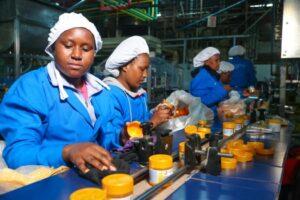
The AfCFTA Agreement has been signed by 54 African nations thus far. Among them, 46 tariff proposals have been filed, including one by the Customs Union. Furthermore, 29 tariff proposals are technically validated for trade.
Under the Rules of Origin discussions, 87.7% of import tariffs have been settled, while phase two consultations on Investment, Intellectual Property Rights, Competition Policy, Women and Youth in Trade, and Digital Trade are underway.
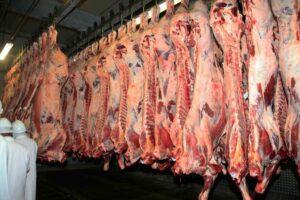
The detection of foot-and-mouth disease (FMD) in Botswana has sent shockwaves through the livestock sector…
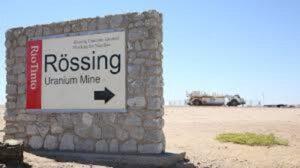
Paladin is restarting its Langer Heinrich uranium mine in Namibia that was idled due to low prices. Australian uranium producers, including Paladin, have raised close to US$282.08 million in share sales this year to fund exploration and resuscitate mines.
The current primary uranium supply is unable to meet demand, and the deficit is being met by secondary supplies and inventory drawdowns, Paladin CEO Ian Purdy said at the Digger & Dealers Mining Forum in Kalgoorlie, Australia.
The average annual deficit is projected to be in the range of 40 million pounds over the coming decade, he told the forum.
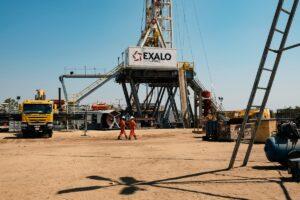
Invictus Energy received environmental impact assessment (EIA) renewal approval from the Zimbabwe Environmental Management Agency (EMA) for the Cabora Bassa project.
The renewal will be valid until July 2023 and permits the company, which owns 80 per cent of the project, to operate in accordance with Part XI of the Environmental Management Act.
Additionally, the renewal concludes the permitting requirements and enables the company to undertake activities in the field, including seismic acquisition and exploration drilling.
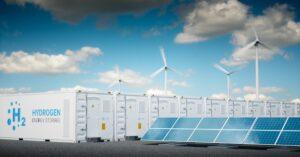
In June, Zawya Projects announced that Namibia had received 25 submissions for pilot projects, from which it plans to select no more than five.
The four projects – the Daures, Namport, Cleanergy, and TransNamib projects – have a combined value of over N$890 million (53,39 million euros), and some of the funds will be sourced by the initiators of the projects. The four projects will be located in the Erongo region, which has been marked as ‘valley 1’ of the envisaged national hydrogen ecosystem.