
Trending
- African trade is growing despite the obstacles
- Why global capital is betting big on Africa’s digital promise
- Kenya posts stronger-than-expected Q1 growth at 5.3% on manufacturing rebound, tourism boom
- China’s new investment rules are about guardrails, not closed doors
- Zanzibar optimistic economic growth will hit 7.5% on tourism boom
- Kenya defies economic shocks to post record $22 billion in tax collections
- Forget South Africa: East Africa now rules in banking industry returns
- Lamu over Tanga: The commercial calculus that cost Tanzania $20bn refinery



Digital development is attracting new Foreign Direct Investment (FDI) to Africa. This as overall FDI into Africa is on the decline according to data…
Kenya’s economy grows 5.3% in first quarter, powered by manufacturing…
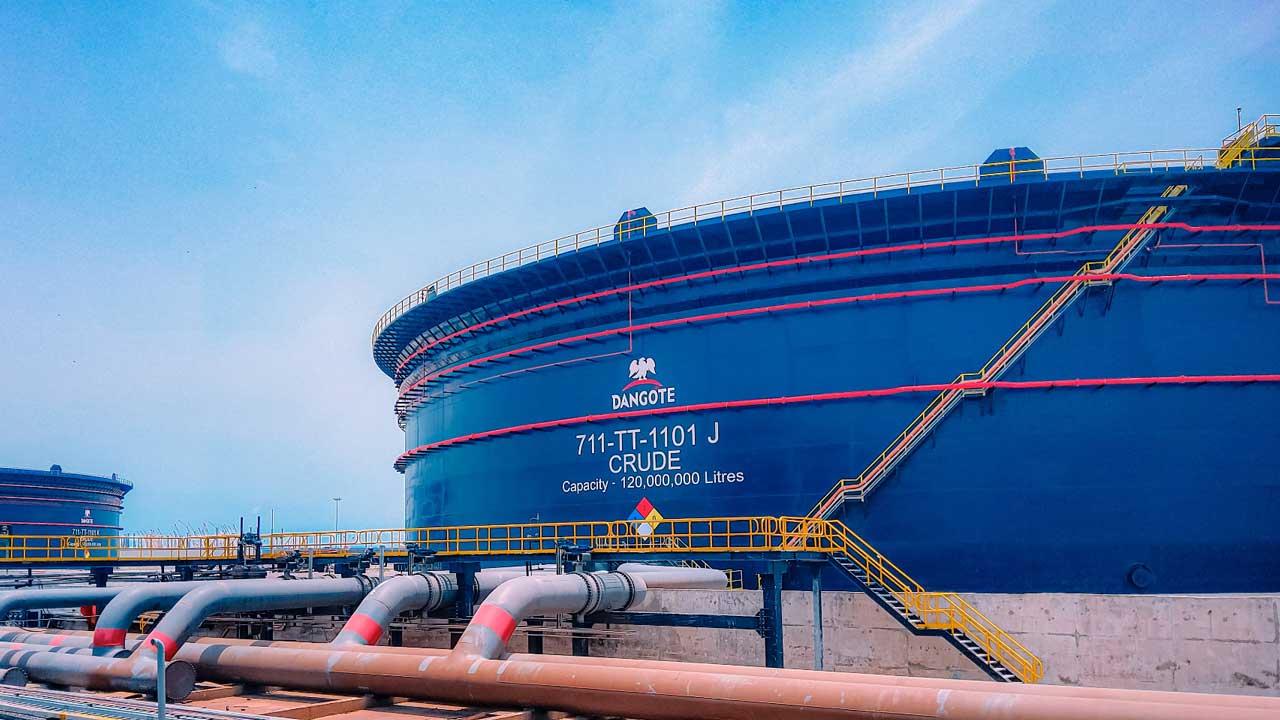
Dangote Group’s major refinery in East Africa needed deep-water berths…

It is critical to strengthen a professional, independent supervision secretariat to make the AfCFTA agreement’s promise a reality. A strong secretariat can assist states in developing strong domestic institutions to administer, monitor, and enforce the AfCFTA. The moment for change has arrived. The conventional development models have failed Africa. The AfCFTA, on the other hand, signifies that Africa is open for business.
AfCFTA will be a game changer for Africa, but its success depends on certain enablers being present. The first and most obvious impediment and an obstacle to the initiative will be mustering the political will of the signatories to implement the necessary reforms to enable its success. This may not always be politically feasible or possible.
The less obvious enablers and the financial institutions on the African continent. Their presence and activities have a direct and strong bearing on the success of AfCFTA. One of the foremost bankers on the African continent, Sim Tshabalala, the chief executive of the continent’s largest banking institution by assets, is fond of saying that banking is a derived business. This means that banks butter their bread from the activities of economic agents.
If AfCFTA is to succeed in its quest to merge the various comparative advantages of the countries that constitute Africa it will need champion banks to support the intra and intercontinental trade activity from there being a single market and all participants, both local and foreign looking to make money. Africa will need champion banks to facilitate the flow of capital to worthwhile projects and ensure that the capital deployed into various activities earns the best returns for its providers.
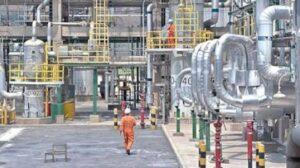
President of Dangote Group, Aliko Dangote in his speech described the new plant as a game changer, as it can make Nigeria self-sufficient in fertilizer production, with spare capacity to export to other markets in Africa and the rest of the world.
While Dangote’s initial export targets were primarily Africa, current market realities mean there is increasing demand from outside the continent. Orders have come from far-flung places in the US, Brazil, Mexico, India, and the EU according to an article by African Business published on May 5, 2022.
According to the World Bank, the proximity of the new fertilizer plant offers a critical window of opportunity for Benin policymakers and the private sector to engage their Nigerian counterparts within the frameworks of the Economic Community of African States (ECOWAS), the African Continental Free Trade Agreement (AfCFTA) and other bilateral agreements to source fertilizer inputs for its farming population to increase food production and meet increasing regional demand for food products. This will make it easier for African countries to improve food production.
The African Continental Free Trade Area (AfCFTA) has been hailed as a catalyst to immense…
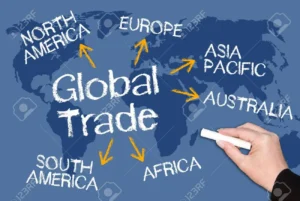
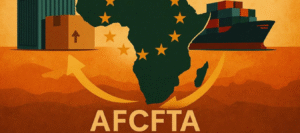
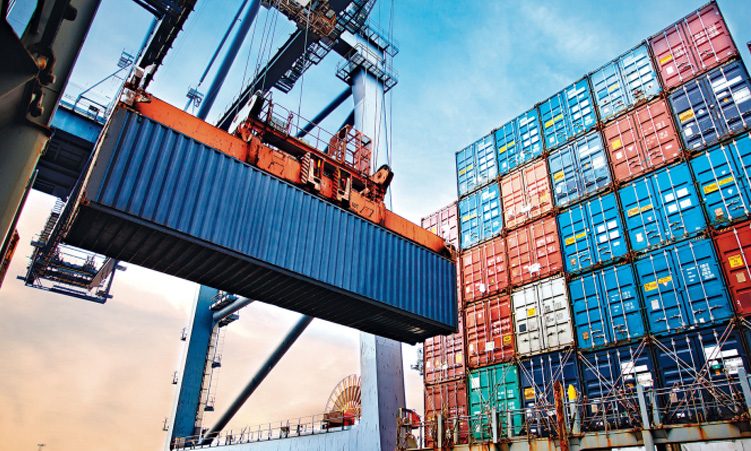
Nations launched the AfCFTA as one of the actions made to support more extensive intra-African trade. The AfCFTA aspires to establish a unified continental market for goods and services. The agreement seeks to harmonise the continent’s various trade liberalization procedures and promote regional integration. Each African nation is a member of at least one of the continent’s approximately 30 bilateral or regional trade agreements.
Africa suffers from marginalization in the global trade system. Nevertheless, the African Regional Trade Agreements heralded a new age of economic integration with significant trade creation impacts. The path to free trade poses several significant obstacles and concerns that African governments must solve.
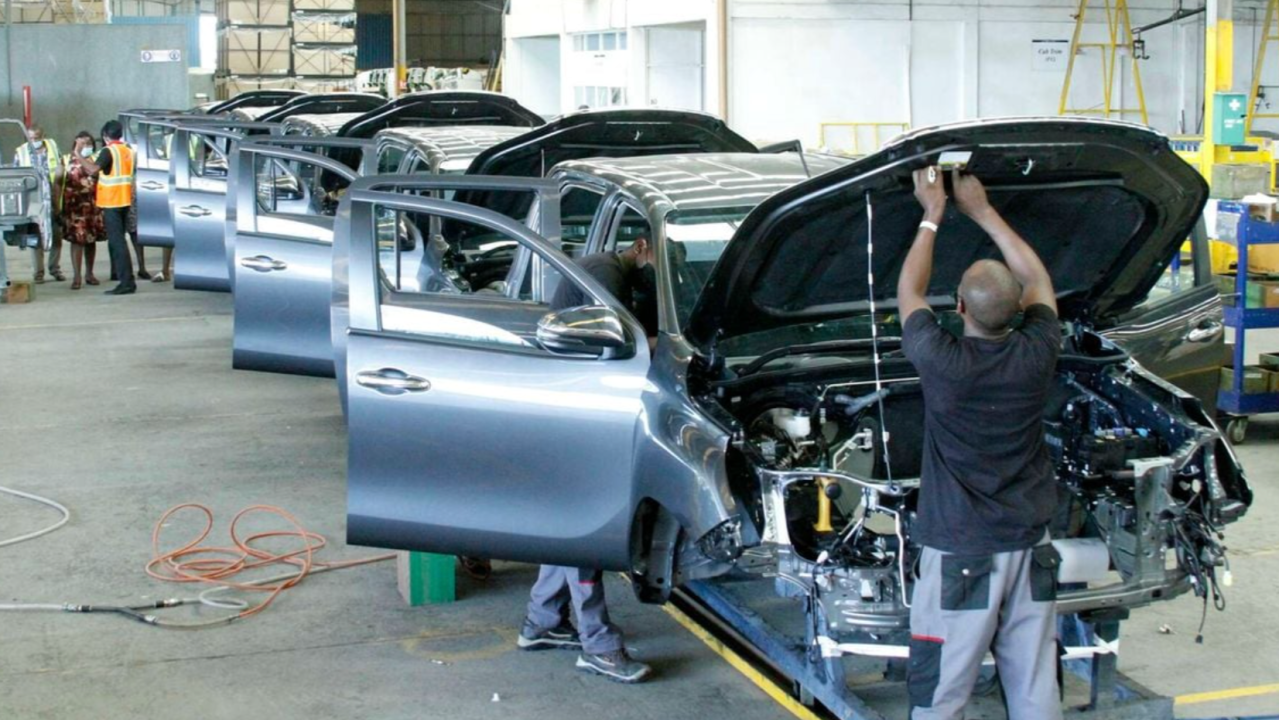
The report indicated that AfCFTA has the potential to attract greater FDI, required for Africa to diversify into new industries such as agribusiness, manufacturing and services. The report projects that this could create 18 million new jobs by 2035, with 2.5 per cent of the continent’s workers moving to new industries. In addition, more significant FDI could raise Africa’s exports to 32 per cent by 2035, with intra-African exports growing by 109 per cent, especially in the manufactured goods sectors. All countries will record an intra-African export increase, such as Tunisia by 165%, Cameroon by 144%, Ghana by 132%, Tanzania by 126% and South Africa by 61%.
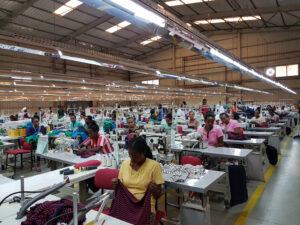
Breaking trade barriers will increase investment and export sectors likely to grow the most: textiles and apparel, rubber, chemical and plastic products, and processed foods. Deeper integration would lower trade costs and boost capital inflows, bolstering exports from service sectors such as communication, transport and hospitality.
According to the ‘Futures Report: Which Value Chains for a Made in Africa Revolution’ prepared by the UNDP and AfCFTA Secretariat, there are opportunities that need to seizing for the One African Market, such as pharmaceuticals; automotive; cultural and creative industries; cocoa; soya; leather and tanned products; mobile financial services; lithium-ion batteries; textiles and apparel; vaccine manufacturing. In view of this, governments and entrepreneurs on the whole, can identify which opportunities are best suitable for their nation’s entry into the AfCFTA market.