

Trending
- African trade is growing despite the obstacles
- Why global capital is betting big on Africa’s digital promise
- Kenya posts stronger-than-expected Q1 growth at 5.3% on manufacturing rebound, tourism boom
- China’s new investment rules are about guardrails, not closed doors
- Zanzibar optimistic economic growth will hit 7.5% on tourism boom
- Kenya defies economic shocks to post record $22 billion in tax collections
- Forget South Africa: East Africa now rules in banking industry returns
- Lamu over Tanga: The commercial calculus that cost Tanzania $20bn refinery



Digital development is attracting new Foreign Direct Investment (FDI) to Africa. This as overall FDI into Africa is on the decline according to data…

Kenya’s economy grows 5.3% in first quarter, powered by manufacturing…

Dangote Group’s major refinery in East Africa needed deep-water berths…




Kenya’s export value increased by 17 per cent in 2021 to hit KSh 666.7 billion…

Insurance provides farm income stability by compensating the losses to the farmers in a timely and efficient manner. It ensures that the farmer is kept on the farm doing what they know and loves best, farming, thereby contributing to food security.
The majority of the farming community in Africa generally operates on thin margins. Most do not have title to land or any bankable assets that they can use as collateral to access finance for the much-needed inputs. By using the insurance policy as collateral, the farmers can access the finance they need, source the right inputs on time and be more productive per unit area, thereby contributing to the food security of their country, apart from also creating their own margins.
The National Bank of Commerce (NBC) in Tanzania have an Agricultural Insurance product in collaboration with Jubilee Insurance Company, aimed at protecting farmers, fishermen, and livestock keepers in the country against losses when they experience various disasters that may affect their production, according to Tanzania Daily News.
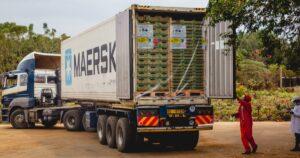
NSE-listed agribusiness Kakuzi says it has secured pre-shipment approvals from the Kenya Plant Health Inspectorate…
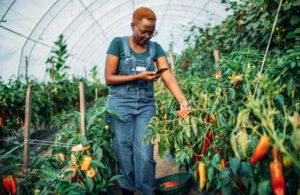
Smartphone adoption in Africa remained sluggish in the latter part of the last decade. This…

The regulator said retailers would be free to allocate up to 10% of chilled space/refrigerators in each beverage cooler owned by NBL or Distell Namibia in any on- and off-consumption outlet in Namibia.
“This allocation right will apply only to products manufactured or packaged in Namibia by Namibian-owned and Namibian-controlled companies. The existing NBL commercial policy must be amended, and the merged entity will educate its employees and inform the market of the new changes to its commercial policy,” the conditions read.
The commission said it identified entry barriers as a concern, particularly the ability of small Namibian companies to enter the market.
NBL’s commercial policy prohibited retailers from placing other products in NBL-branded refrigerators. After the merger, the likelihood of this policy being enforced could deter or limit the entry of Namibian-owned and Namibian-controlled undertakings into the market.

The EABC noted that foreign direct investments from the US. to Tanzania stood at US$1.5 billion in 2019, a 5.2 per cent increase from 2018. Tanzania is followed by Kenya – which received US$353 million in the same year – followed by Uganda US$42 million, Rwanda (US$11 million) and Burundi, which managed to attract US$1 million in the same year (2019).
Tanzania has managed to secure the US. as a development partner and as a viable investment in potential sectors such as mining and agriculture. President Samia has worked to give the investment landscape 180 shifts, particularly enhancing the domestic and international confidence in Tanzania’s business climate.
Over the past years, agricultural produce, minerals and textiles have covered most of the goods exported to the US. However, there are other avenues of potential investment in Tanzania, especially in oil and gas, real estate, manufacturing and telecommunications.