Trending
- African trade is growing despite the obstacles
- Why global capital is betting big on Africa’s digital promise
- Kenya posts stronger-than-expected Q1 growth at 5.3% on manufacturing rebound, tourism boom
- China’s new investment rules are about guardrails, not closed doors
- Zanzibar optimistic economic growth will hit 7.5% on tourism boom
- Kenya defies economic shocks to post record $22 billion in tax collections
- Forget South Africa: East Africa now rules in banking industry returns
- Lamu over Tanga: The commercial calculus that cost Tanzania $20bn refinery



Digital development is attracting new Foreign Direct Investment (FDI) to Africa. This as overall FDI into Africa is on the decline according to data…
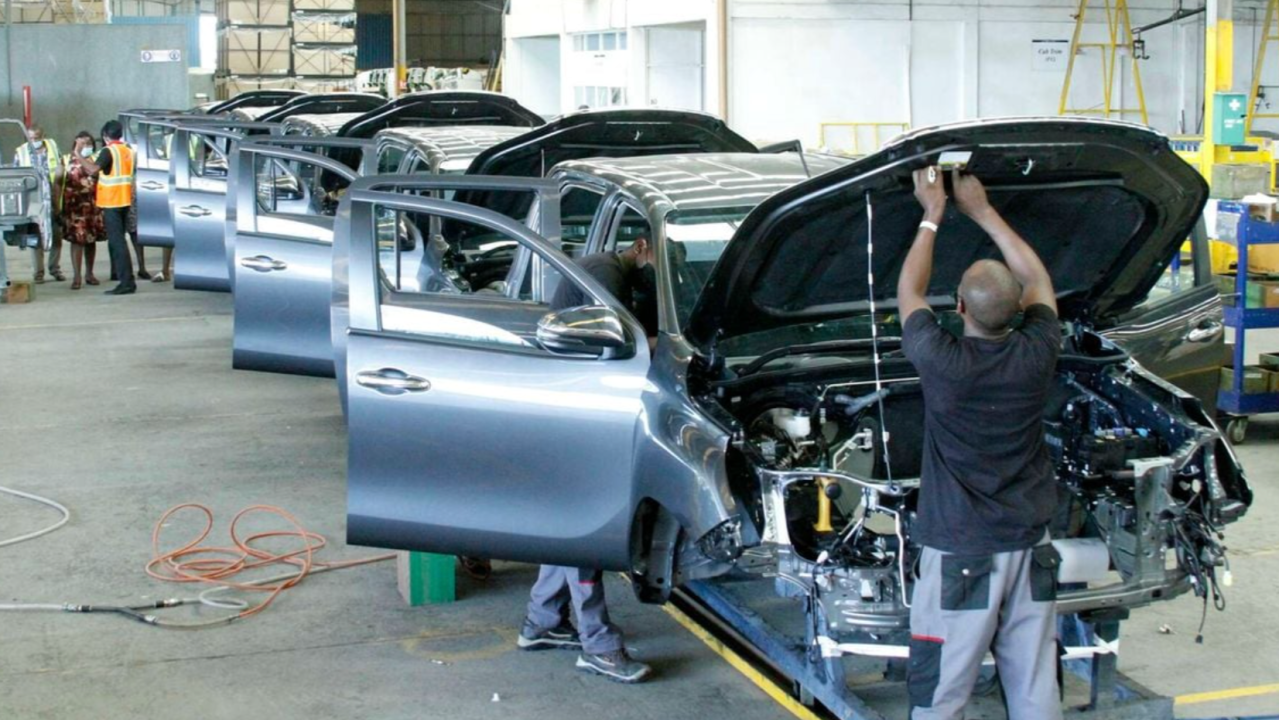
Kenya’s economy grows 5.3% in first quarter, powered by manufacturing…
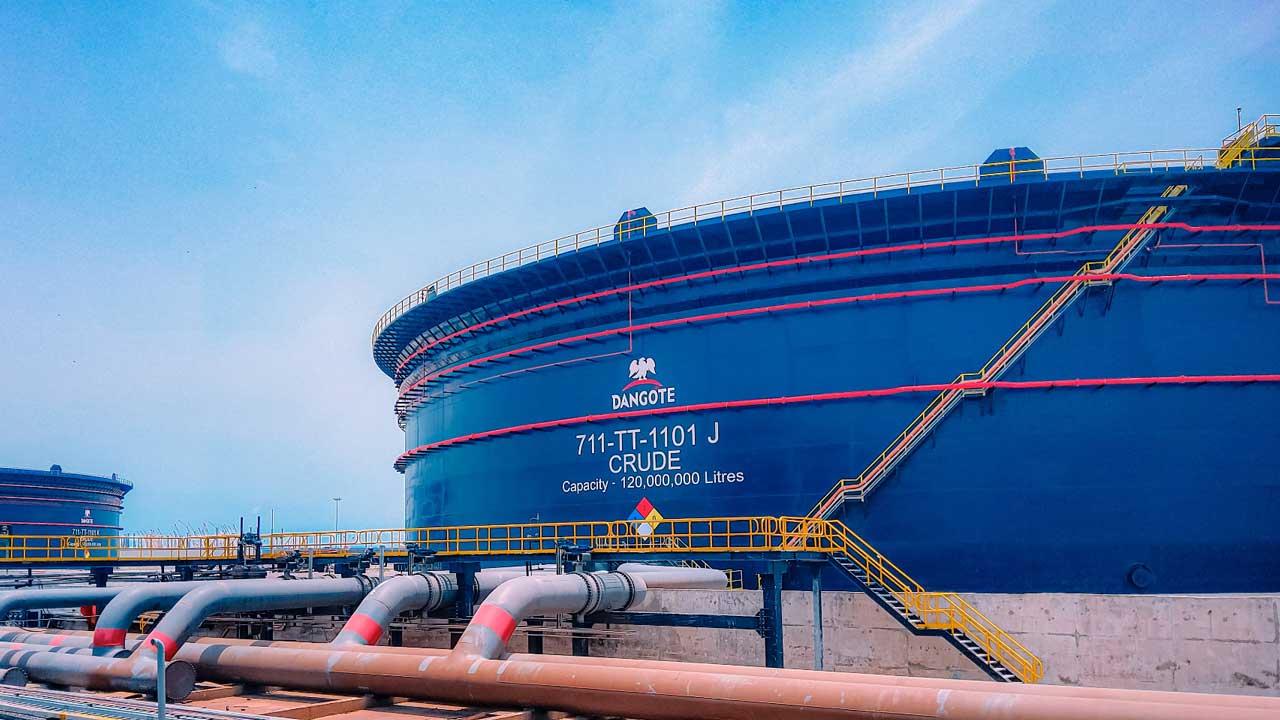
Dangote Group’s major refinery in East Africa needed deep-water berths…

These gains will come from reduced tariffs which are stubbornly high among states in the region. More and greater gains will come from the reduction of trade costs by reducing non-tariff barriers and improving what the World Bank describes as hard and soft infrastructure at borders. The aim of these measures is to reduce red tape, lower compliance costs for traders and make the integration of African businesses with global supply chains seamless.
AfCFTA is still in its infancy stages in terms of implementation with a lot still to be seen in terms of its success. These practical reforms will be difficult to implement given the sheer size of the trade area. The trade area encompasses 54 countries however, the successful implementation of the initiative will provide substantial rewards. In terms of employment, seamless and frictionless trade between African countries has the potential to lower the gender wage gap in favour of women and help all workers by increasing the amount of decent employment opportunities.
The World Bank estimates that the implementation of AfCFTA will lead to an increase in wages by 10% with the largest gains accruing to women and unskilled labour.
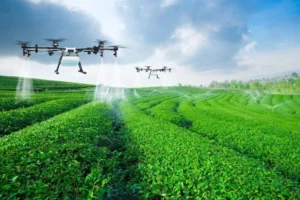
The economies of African countries’ are dominated by agriculture and the continent’s growth relies heavily…

Inarguably, agriculture is the mainstay in most African economies, contributing an average of 30 to…

Prostate cancer patients covered by the National Hospital Insurance Fund (NHIF) can now access an…

Earlies this month, the government of Tanzania demonstrated how serious the nation is with a big deal sealed in the nation’s capital, Dodoma, on Saturday (11 June).
The Government of Tanzania and its partners, including global industry giants Equinor, Shell and ExxonMobil, have set the bar so high with a historic Host Government Agreement (HGA), which will realize ambitious gas and Liquified Natural Gas (LNG) mega project.
The $30 billion natural gas project aims to produce 10 million tons per annum of LNG for export with transformational potential for industrialization by bringing investment, technology, skills and infrastructure to the country, which will benefit Tanzanian businesses and its citizens.
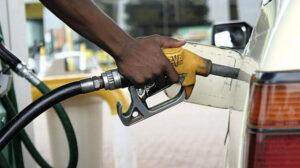
According to an article by Newsday dated May 2, 2022, Zimbabwe’s fuel consumption increased to almost 1,2 billion litres during the 11 months to November last year, compared to just over one billion litres in 2020, data from the energy regulator showed.
In its market update, Zera said the country guzzled 1 152 198 301 litres during the period, 10% more than the 1 035 624 744 litres used during the same period in 2020.
Zimbabwe now has the highest fuel prices, not only in the Southern African Development Community (SADC) but also on the African continent according to globalpetrolprices.com.
In the same article, Consumer Council of Zimbabwe (CCZ) spokesperson Chris Kamba expressed concern over the impact of the fuel hike on consumers.