
Trending
- African trade is growing despite the obstacles
- Why global capital is betting big on Africa’s digital promise
- Kenya posts stronger-than-expected Q1 growth at 5.3% on manufacturing rebound, tourism boom
- China’s new investment rules are about guardrails, not closed doors
- Zanzibar optimistic economic growth will hit 7.5% on tourism boom
- Kenya defies economic shocks to post record $22 billion in tax collections
- Forget South Africa: East Africa now rules in banking industry returns
- Lamu over Tanga: The commercial calculus that cost Tanzania $20bn refinery



Digital development is attracting new Foreign Direct Investment (FDI) to Africa. This as overall FDI into Africa is on the decline according to data…

Kenya’s economy grows 5.3% in first quarter, powered by manufacturing…
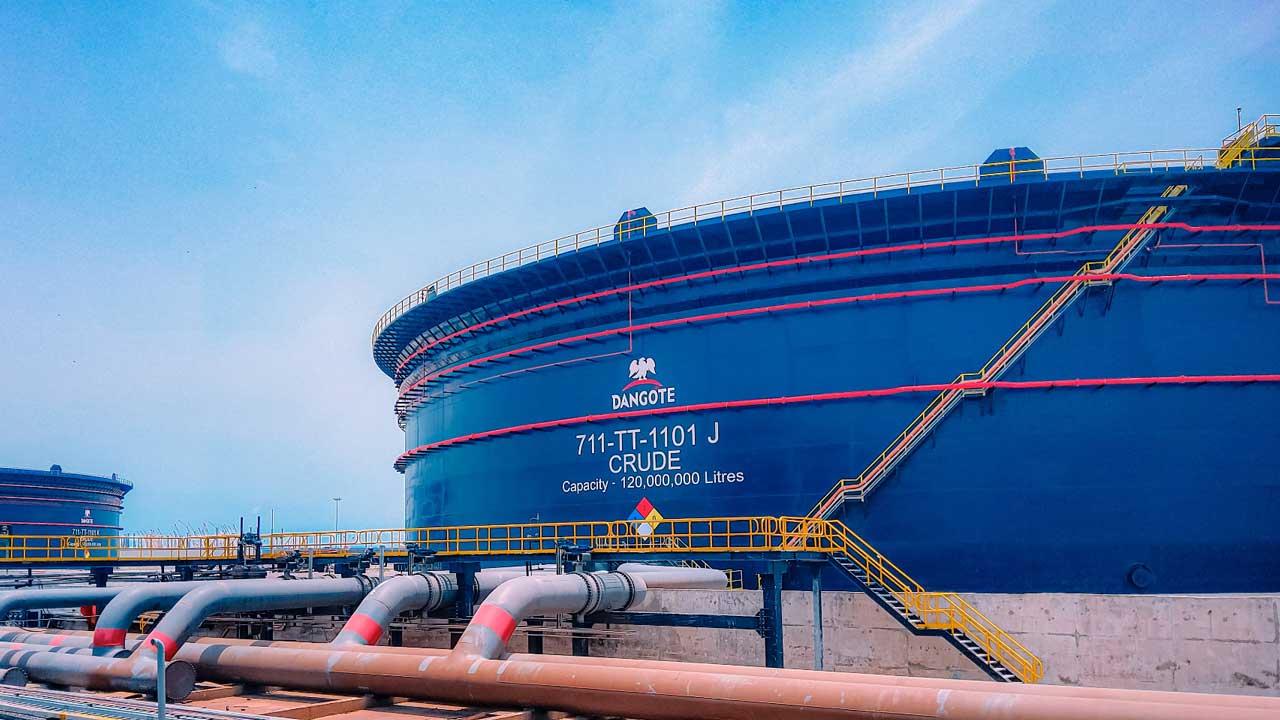
Dangote Group’s major refinery in East Africa needed deep-water berths…



Tanzania has signed an energy deal to export natural gas Tanzania’s 4th energy summit to…

Absa Bank Kenya partners with Visa to launch a domestic and cross-border remittance service The…

Moringa has received an undisclosed amount of investment from Proparco to support its expansion outside…

The DRC investment summit is a creative tool used by the nation to attract global investment stakeholders. According to the summit organizers, the summit brings together international investors, businesses, developers, and policymakers to attract and retain investment, as well as discuss trends that influence economic growth in the DRC.
DRC is arguably one of Africa’s richest countries in terms of natural resources, but it still ranks lower in investment performance.
Furthermore, DRC’s Human Capital index is 0.3 percent below the SSA average of 4 percent.
DRC has the world’s third-largest human population of impoverished people, which the WB argued remains widespread and is increasing due to the impacts of the COVID-19 pandemic.

Industry experts now say that the lack of youth involvement in Agriculture is inhibiting the…

Iqbal revealed that the South Asian country has been importing tea on credit, putting pressure on its economy, which faces a high inflation rate.
CNN reported that he urged his fellow citizens to consider reducing their drink intake by one or two cups daily.
“I appeal to the nation to cut down the consumption of tea by one to two cups because we import tea on loan,” the senior government official said.
The minister urged Pakistanis to avoid all products the country does not produce independently. The Observatory of Economic Complexity (OEC) noted that Pakistan was the largest importer of tea in the world in 2020.