
Trending
- VALR sets sights on East Africa as blockchain moves deeper into Africa’s financial system
- The cost of the data gap: Why Kenya’s lenders can’t afford to miss the full picture
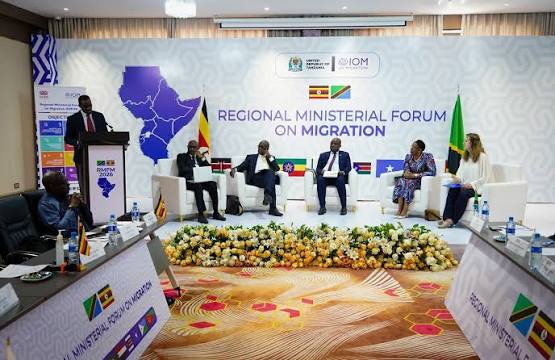
- Tanzania takes EAC labour migration helm as regional rules face overhaul
- 2026 is turning out as a defining year in geopolitics, but for whom?
- Saudi Arabia and Tanzania pledge to deepen bilateral trade ties
- Tanzania rewrites its digital investment playbook
- Ethical sourcing boosting demand for Tanzania organic cotton
- DRC deploys 70,000 Ebola vaccine doses in high-stakes trial against deadly Bundibugyo strain


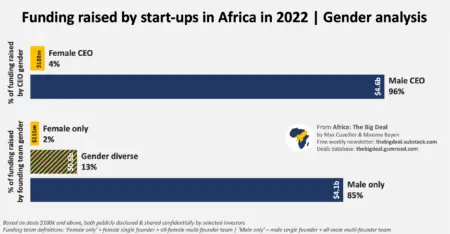
Female-led and female-founded ventures attracted even less funding in 2022 than they had in 2021. Female-led start-ups in Africa have raised $188m (4%) in…
The recent leaked Pandora papers have shown how African leaders have directed their investments towards other countries and kept the investments a secret to avoid taxation and hide their wealth.
Leaders exposed by the papers include Presidents Denis Sassou-Nguesso of DRC, Uhuru Kenyatta of Kenya, and Patrick Achi of Cote d’Ivoire, among 46 other politicians.
The papers showed that Sassou owned a company that controlled diamond mines. Seven members of the Kenyatta family were linked to at least seven offshore companies and foundations. Through Union Banque Privée (UBP), the Kenyatta’s set up three foundations to avoid inheritance tax and hide their extensive wealth.
The foundations were suspended after failing to pay annual taxes, law firm Algocal says.

African Development Bank Group has approved two grants worth $83.6…

In 2013, Rio Tinto had to write down its Mozambican assets by US$3 billion as a result of failure to transport its coal to port for export. The company had invested huge sums of money based on assumptions of vast coking coal reserves that it would export. Upon the insurgence of extremist rebel groups, with escalating violent activities, the rail network was disrupted and there were increased security risks for normal operations to continue.
The company suffered great loss as it failed to recoup its capital outlay and eventually failed to continue its operations. The high-security risks at a time when investment capital is yet to be recouped, have the potential to turn away more foreign capital injections in the gas-rich country.
The Grassroots Business Fund (GBF), a global impact organization that utilizes the power of blended capital to invest in traditionally under-financed businesses, has announced the spin-off of its Latin America team into a new fully-fledged unit operating as Andes Impact Partners – AIP with its headquarters in Lima, Peru and is planning on expanding its African operations from Nairobi.
AIP launched APF-I in November 2020 with an initial focus on Peru and Colombia and a possibility to expand to other markets in the region. The fund targets inclusive businesses which incorporate underserved, vulnerable or low-income communities in their supply chains, helping to improve incomes and the quality of life of these communities. Target businesses must be committed to gender equity and to promoting equal opportunities.

For many businesses, 2020 would be a year they would not want to remember. The…

The power of music to unify can not be understated. South African hit song Jerusalema…

Africa’s tech habitude is on the rise. Internet usage has risen significantly on the continent. On top of that, the advent of the coronavirus pandemic accelerated the prospect of growth in the digital sphere. E-commerce is one such opportunity that affords businesses access to broader market opportunities in every arena. According to McKinsey, a worldwide consulting firm, the e-commerce industry in Africa is expected to grow to a $75 billion industry by 2025.
E-commerce is growing. It is accelerated by a growing and youthful population that is increasingly exposed and has an appetite for greater efficiency and improvement of business to first-world standards. The African diaspora has also contributed to this growing demand as people have become more exposed to what is going on around the world. Technology itself dissolves existing borders and opens up trade regionally and internationally.
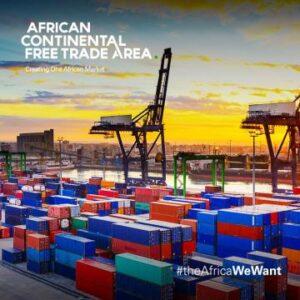
The African Continental Free Trade Area (AfCTA) is billed to transform the face of trade…