
Trending
- VALR sets sights on East Africa as blockchain moves deeper into Africa’s financial system
- The cost of the data gap: Why Kenya’s lenders can’t afford to miss the full picture
- Tanzania takes EAC labour migration helm as regional rules face overhaul
- 2026 is turning out as a defining year in geopolitics, but for whom?
- Saudi Arabia and Tanzania pledge to deepen bilateral trade ties
- Tanzania rewrites its digital investment playbook
- Ethical sourcing boosting demand for Tanzania organic cotton
- DRC deploys 70,000 Ebola vaccine doses in high-stakes trial against deadly Bundibugyo strain


Browsing: internet

Market size of Africa’s digital economy could reach $712 billion by 2050. In 2022 only 36 percent of the African…
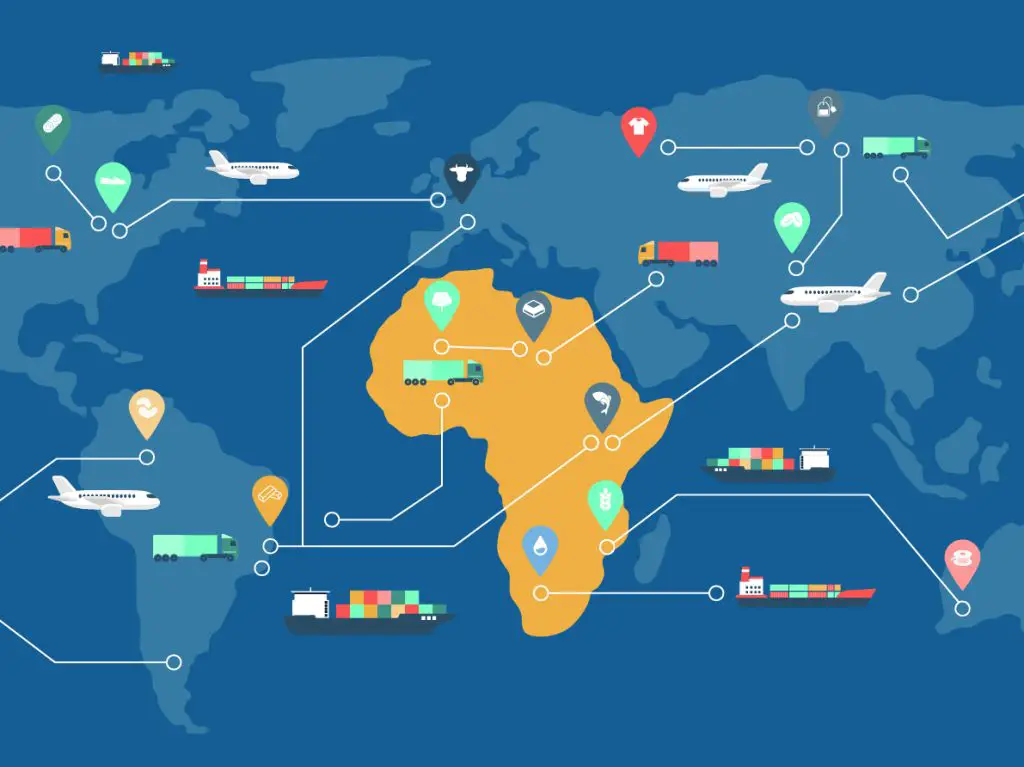
The world largely considers Africa as the next great growth market, a designation that has persisted for years. There are several reasons to be optimistic: the African continent has some of the world’s youngest populations, promises to be a key consuming market over the next three decades, and is becoming more mobile phone-enabled. Because access to smartphones and other devices improves consumer information, networking, job-creating resources, and even financial inclusion, a rising digital ecosystem is especially important as a multiplier of heightened economic growth.
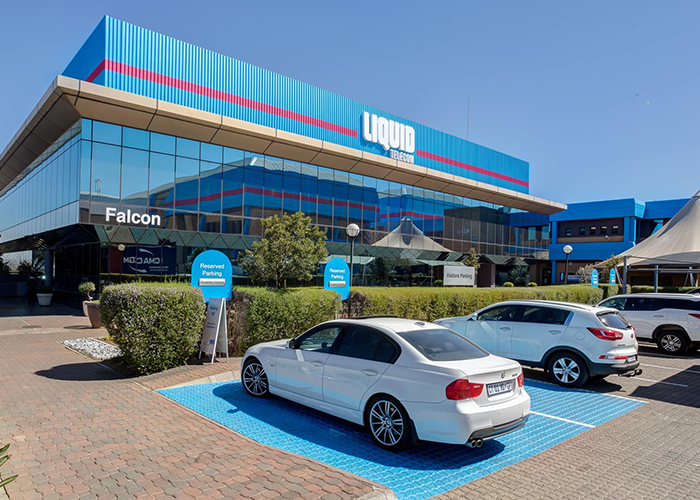
The additional Gbps will be part of the highly anticipated global submarine cable. It is aimed at increasing the availability of high-performance and reliable internet connectivity access across the continent leveraging Liquid’s 100,000km of terrestrial fibre across 12 countries.
While acting as a new global internet route between Asia, Europe and the USA, the additional capacity will help increase the proliferation of faster and more affordable internet, Cloud and cyber security services to the African people and businesses.
“We are delighted to provide new subsea capacity between Mombasa, Karachi and Marseille, with extensions planned towards Singapore and Asia. This creates a cost-effective, low-latency and diverse route that our customers can leverage to serve their business-critical connectivity needs. The submarine cable will be ready in 2022,” Liquid Dataport (a division of Liquid Intelligent Technologies) CEO David Eurin said.
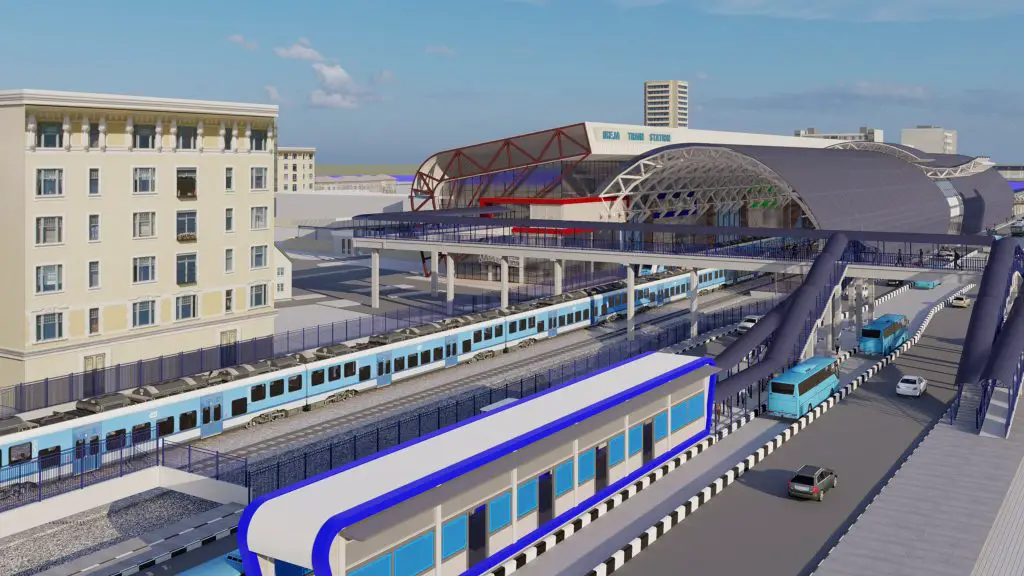
At the start of the year, state governor Babajide Sanwo-Olu was photographed inspecting two high-speed trains purchased from the United States of America for the Red Line, which is expected to form the second spoke of the LRMT. The line runs from Marina to Agbado, 30 kilometres from Lagos.
The Blue and Red lines, when complete, are expected to move more than a million people across the expansive metropolis daily, addressing the heavy congestion that has become common within the city.
The light rail project was first contemplated a few decades ago, the initial projections indicating that the Blue Line would be completed in 2011. However, the project was weighed down by a myriad of challenges, including bureaucracy, corruption, mismanagement, and funding.
The light rail project is one of the numerous long-delayed plans to connect Nigeria by rail that has been invigorated by President Muhammadu Buhari’s government.
This as 19 per cent of people in sub-Saharan Africa lived in areas not covered by mobile networks while an additional 53 per cent did not use mobile internet despite having coverage.
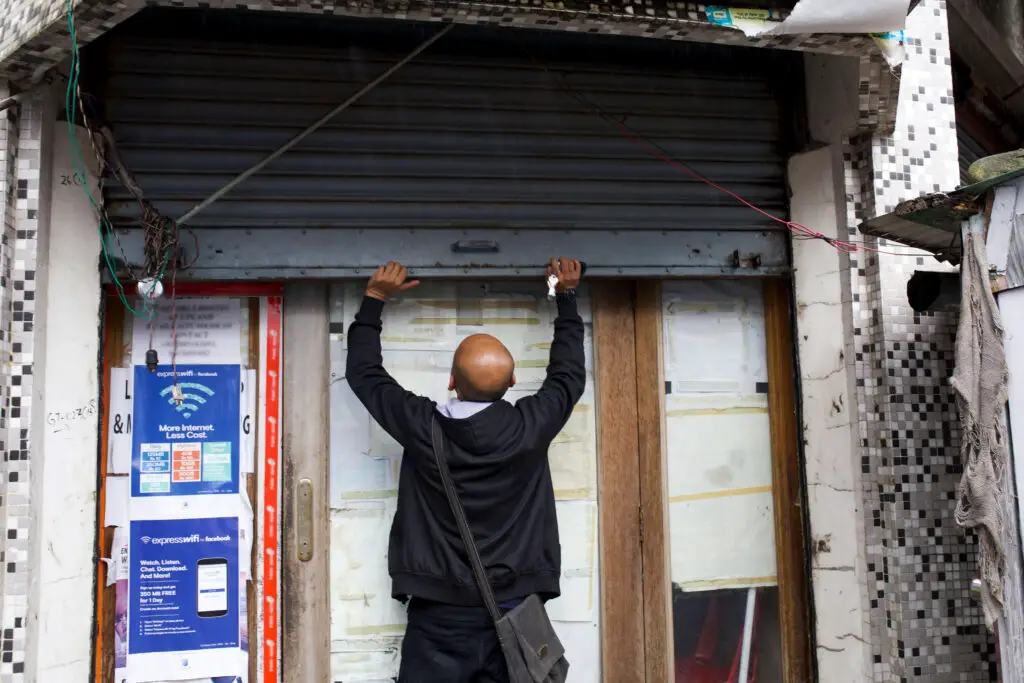
The need for accessible internet solutions comes after Meta (formerly Facebook) announced plans to shut down its low-cost Express Wi-Fi internet.
The programme was launched back in 2016 to drive internet connectivity in regions where other forms of connectivity, like ADSL and fibre-optic networks, aren’t readily available or established.

Africa has some of the most expensive mobile data services in Africa. With the increase in connectivity via smartphones, people…

As banks, security organizations and other entities requiring data storage, Africa is seeing a growth of data centres across the…
For the past six years the number of people going online has doubled in Tanzania, from 9 million in 2013…