
Trending
- VALR sets sights on East Africa as blockchain moves deeper into Africa’s financial system
- The cost of the data gap: Why Kenya’s lenders can’t afford to miss the full picture
- Tanzania takes EAC labour migration helm as regional rules face overhaul
- 2026 is turning out as a defining year in geopolitics, but for whom?
- Saudi Arabia and Tanzania pledge to deepen bilateral trade ties
- Tanzania rewrites its digital investment playbook
- Ethical sourcing boosting demand for Tanzania organic cotton
- DRC deploys 70,000 Ebola vaccine doses in high-stakes trial against deadly Bundibugyo strain


Browsing: Mobile money
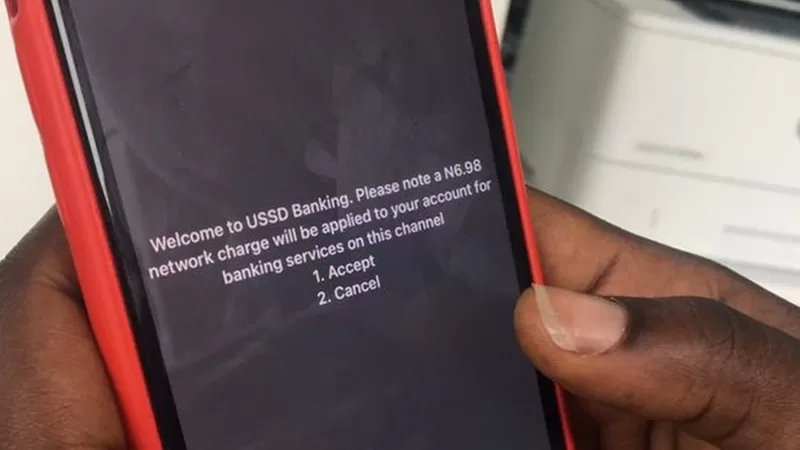
As far back as June 28, 2017, This Day Live said another point to note is that USSD is very important within emerging economies, where the cost to access data services is increasing. Despite the growth of smartphone penetration and 3G/4G coverage, the data access cost is a key factor in deciding how information is consumed.
Meanwhile, the continued reliability of USSD will enable mobile service providers and financial institutions more opportunities to satisfy new market segments, add more value to the customer, and meet underserved customer needs.
In a related article by Myriad Connect published January 29, 2018, the core benefit of USSD is that it doesn’t rely on a data connection to operate, thereby helping reach the billions of people in areas where network coverage is at its most basic or for sectors of the population for whom a data connection is too expensive to access.
So long as a phone can make a call and send a text, then the technology is good to go.
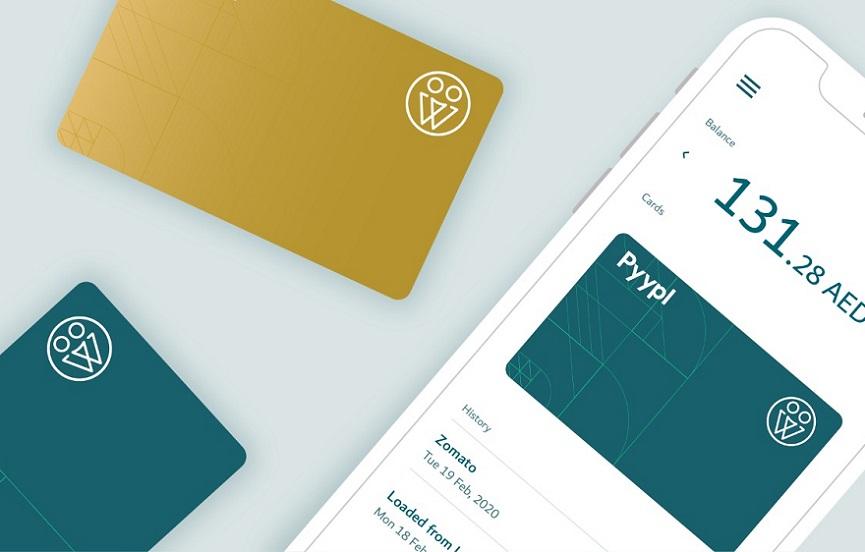
Pyypl uses advanced Artificial Intelligence (AI) and Machine Learning (ML) for regulatory compliance, Anti Money Laundering (AML), and Counter-Terrorism Financing (CTF).
The platform also conducts real-time Politically Exposed Persons (PEP) and sanctions (both country and individual) screening against the latest and historical UNSC, USDT, FATF, OFAC, and EUCFSF records, as well as all local databases.
Fintech startups in Africa have continued to gain a lot of attention from investors who have been pouring billions of dollars to support the industry.
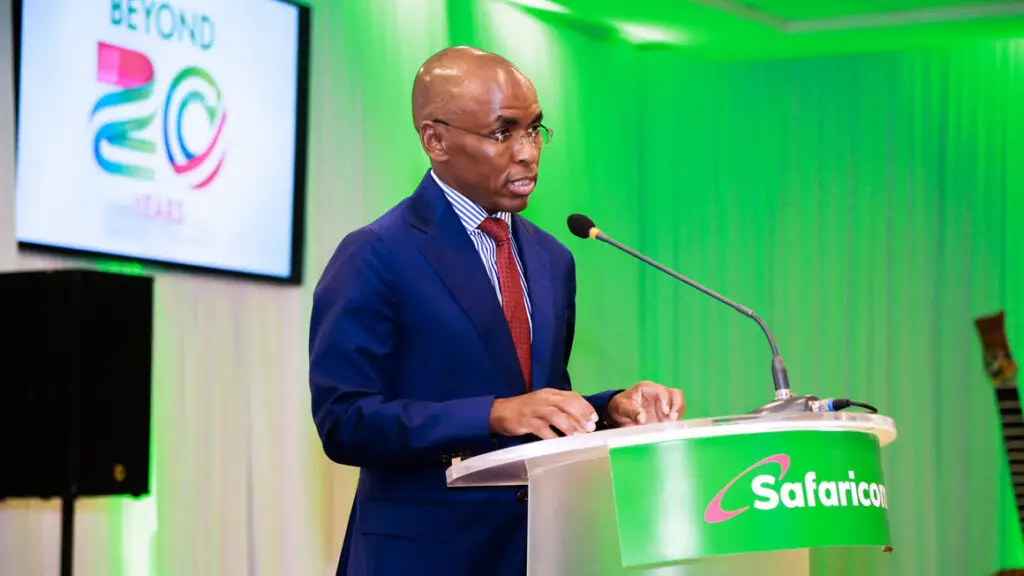
Safaricom has a network of partners whose collaboration allows subscribers to send and receive money from more than 200 countries and territories.
The launching of the M-Pesa supper app has also enabled its users to operate mobile money transfer easily and securely making it rise faster in the African continent.
For instance, access to financial services and products in Kenya grew by an astonishing 56 per cent between 2006-2019 due to the availability of the mobile money services . M-Pesa has been credited with lifting at least two per cent of Kenyan households out of extreme poverty.
Airtel Network Kenya, the second biggest telecommunications network, saw shareholder loans from its holding firm, Bharti Airtel Kenya BV, rise by 12.01 per cent from sh46.6 million in 2020 to sh52.2 million in the year ending December 2020.
The causes of the financial losses have been additional lending, forex losses as the shilling depreciate, and postponement in paying interests.
Capitalization interest due to being paid stands at Sh1.34 billion, which has disrupted cash flow in the firm.
Airtel Kenya said that the issued shareholder funds, revenue generated from its operations, and borrowing from external lenders had kept the company afloat.
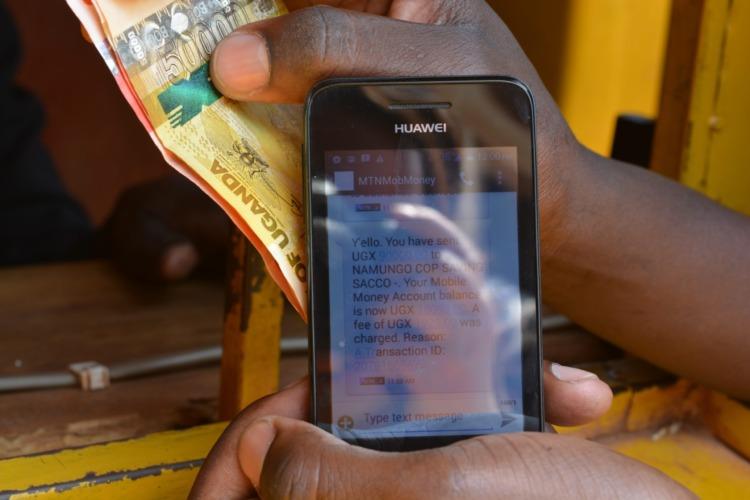
Mobile money is growing fast in East Africa Despite of the pandemic, still mobile money regulators enabled its performance Financial…
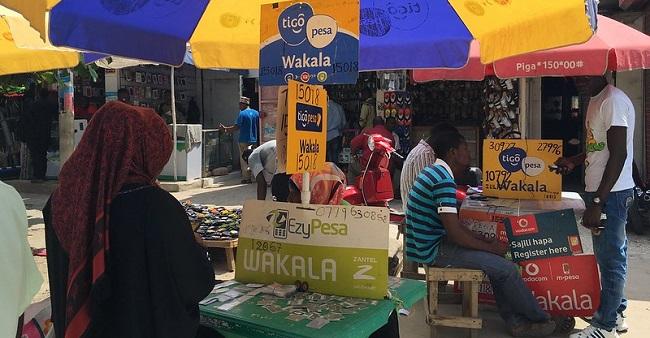
The government amended the Electronic and Postal Communication Act (CAP) last month by imposing a levy of between US$0.0043 (10Tsh) and US$4 on mobile money transactions, depending on the amount sent and withdrawn.
One of the key factors that led to the expansion of mobile money in Africa and Tanzania, in this case, was the increased interoperability, product expansion—which brought financial inclusion to enable nearly everyone with decent income-earning schedules to own a mobile wallet account.
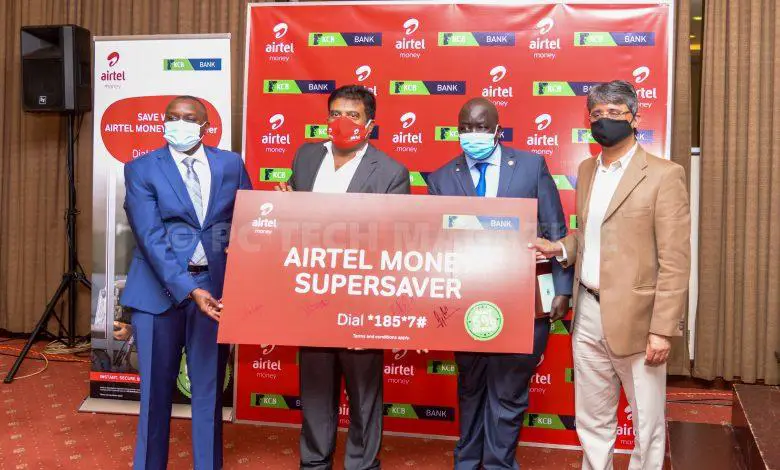
Airtel Uganda and KCB Bank Uganda announced a partnership to introduce a variety of mobile loans and savings solutions in…
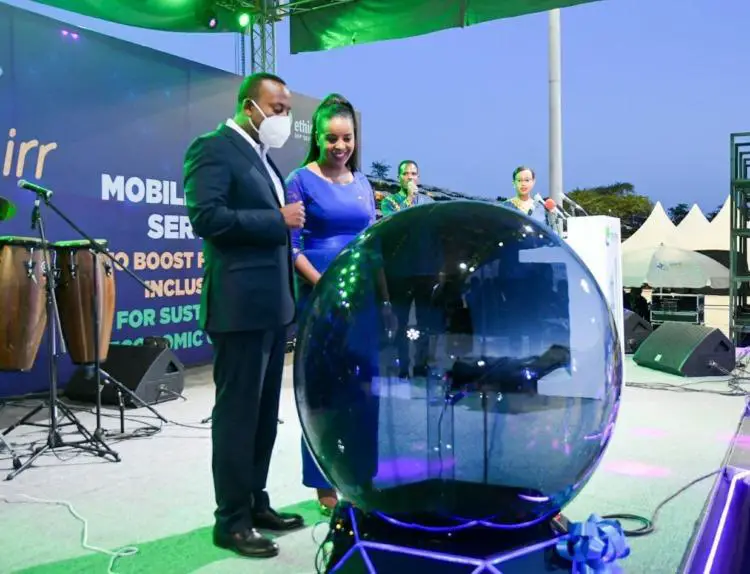
Ethio- telecom launched a service called ‘Telebirr’ as it seeks to boost growth by offering cashless transactions in Ethiopia. Telebirr…
East Africa is a global leader of mobile money with the highest penetration of mobile money in the world according…
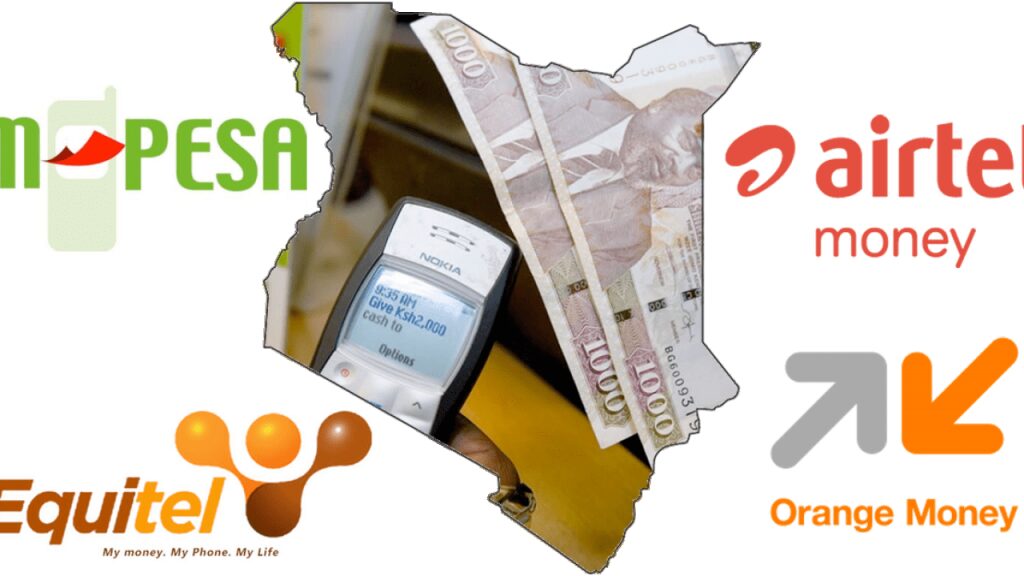
Banks continue to fill the impact of mobile money as it eats into their asset quality and profits despite partnering…