Trending
- Silicon Valley’s Tim Draper backs Nairobi blockchain festival, sees Africa as next digital frontier
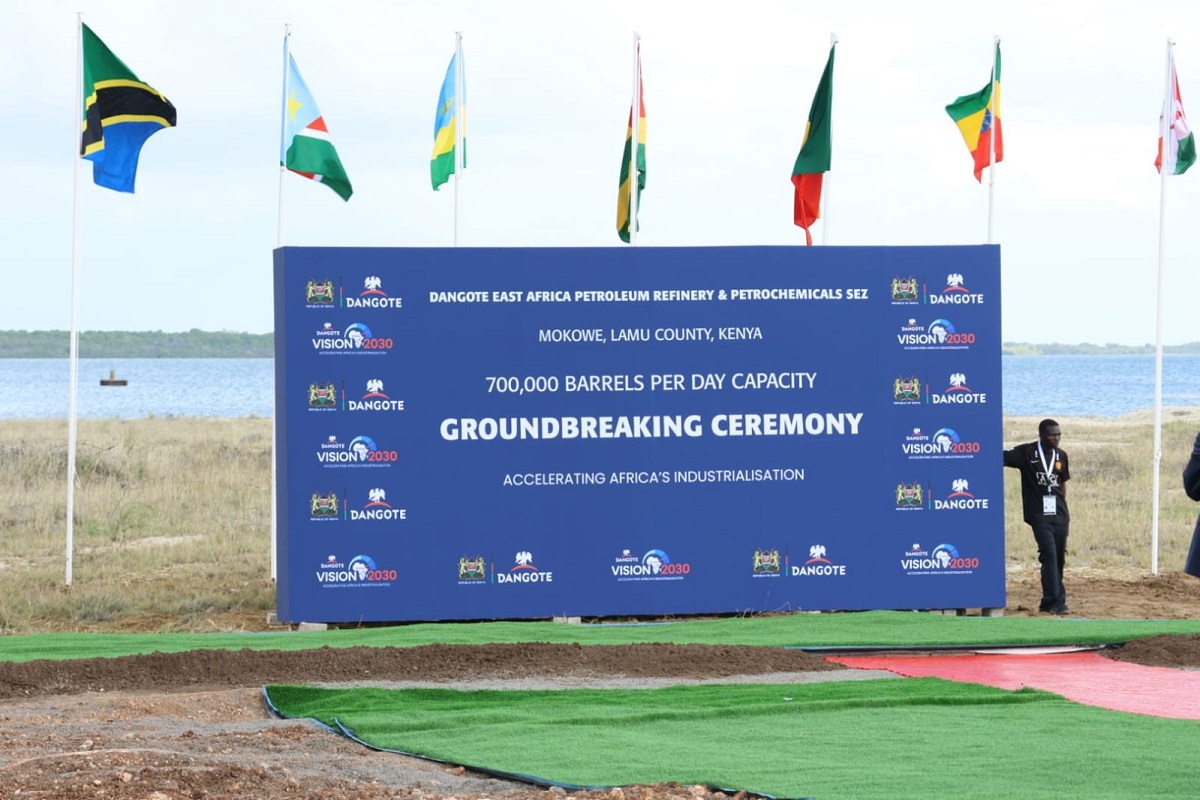
- Dangote breaks ground on $16bn Lamu refinery as East Africa seeks fuel independence
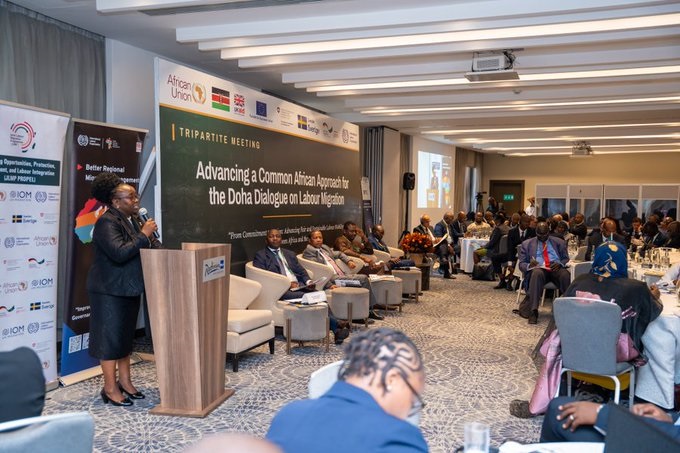
- Gulf and African states meet in Dar to rewrite rules of labour migration
- African governments drive new forest finance progress as global report warns funding globally must scale faster
- Fine Spinners eyes Kenya’s Agoa-backed apparel supply chain with $5m plant
- Why young Kenyan investors need to stop treating the stock market like a betting slip
- Tanzania tax reforms mandate VAT refunds to under 30 days
- In New York, world leaders unveil plan to overhaul global health architecture


Browsing: Nigeria
Nigeria’s Access Bank and the United States International Development Finance Corporation (DFC) have signed a commitment letter for a $280 million financing to assist in tackling the gap in financing for small- and medium-sized enterprises (SMEs).
The most significant concern is Africa’s susceptibility to growing inflation in developed and developing economies, given the continent’s reliance on imports.
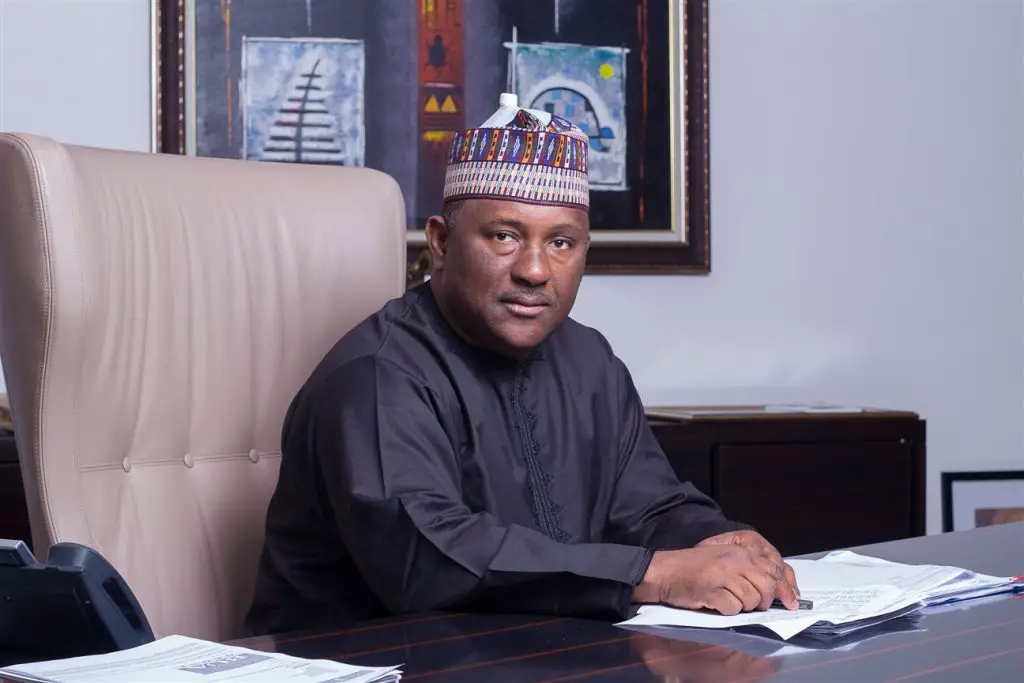
Right across the financial divide, the company reported strongly. Even more remarkable and unprecedented, the Nigerian cement company declared a dividend of N$ 2.61, which was paid instantly during the shareholders’ meeting. This is not something that often happens, if at all.
Normally a company declares a dividend, and then what follows is a process where shareholders are notified by either their stockbrokers, the company itself or the press of the dividend on offer and which shareholders are eligible for the payout, usually those shareholders who are on the company’s record on or before a specific date. This was not the case at the BUA Cement Limited shareholder’s meeting.
The dividend was declared during the meeting and was paid to shareholders before they left the auditorium where they were gathered.
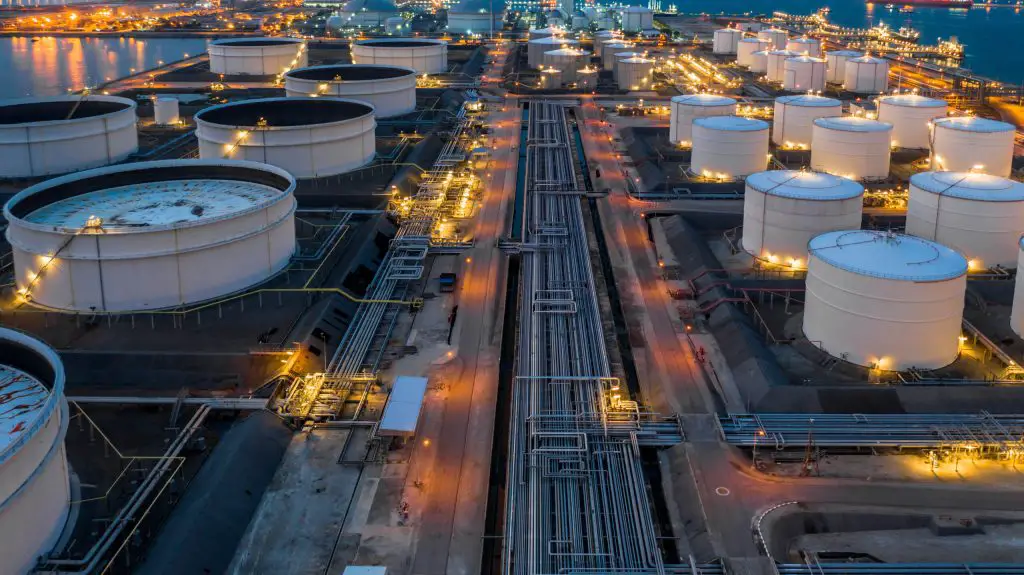
The European Union has imposed restrictions, including a partial oil embargo on Russia. The sanctions will see the E.U. ban seaborne imports of Russian crude oil by the end of 2022. Additionally, petroleum product imports would stand prohibited by early 2023. European Commission President Ursula von der Leyen reiterates the E.U. plans to reduce reliance on Russian fossil resources by 2027.
Because of the European Union’s political determination to minimize its reliance on Russia in response to Moscow’s invasion of Ukraine, the E.U. is now searching for alternative suppliers. The search implies that suppliers such as Africa’s underdeveloped frontier energy markets may discover new energy markets in Europe. Optimism remains high since it is clear the E.U. no longer rely on Russian gas. Russia has for years remained a primary gas supplier in Europe.
Among the ways that the colonizers slowed down the growth and unity of Africa is through the demarcation of boundaries 60 years ago. These boundaries gave birth to over 41 different currencies on the continent that have complicated intra-African trade.
The continent uses over 5 billion dollars in currency conversion, monies that could have been directed to other economic development projects. African countries’ attempts to form a common regional currency have proven futile precisely because of all the frameworks of laws that need to be revised and harmonized in the different countries.
One arrow in a pirating scheme quiver is the false claim to work or authorship or ownership. With Blockchain one can ascertain proof-of-work and proof-of-authorship if they upload their work, comply with Blockchain agreements and get their digital certificate which includes a private key, kind of a personal signature.
This can prove ownership of the works as it is time-stamped and known to be in existence. One can also trace the transactions and copyright use of their works and be able to calculate the intellectual property value in the forms of royalties and license fees and any other form of exploitation either economically or morally.
For a long time, creatives have decried the often rigid and unclear remuneration process of their royalties, the blame always shuttling between collective management organizations, CMOs and the broadcasters.

Most Kenyans, 83 per cent, indicated a willingness to increase the amount of money they allocate to savings and investments, but the inability to save due to insufficient funds after fulfilling their obligations that require regular funding and the availability of quick digital loans.
Among their obligations which contribute to Kenyans’ financial strain is supporting their extended family which considerably bites into their savings. 84 per cent of people indicated that they regularly provide some income to their extended family, mostly in case of emergencies, because they feel a sense of obligation to send their extended families money and because their extended family members treat them better when they are sent money.
On their part, the extended family members mostly use the money to cater to recurring expenses like food & transport, school fees and medical expenses at 23 per cent, 19 per cent and 18 per cent respectively. Farm-related expenses like purchase of fertiliser ranked fourth at 14 per cent, phone and home upgrades came in fifth at 7 per cent while entertainment like Christmas celebration was sixth.
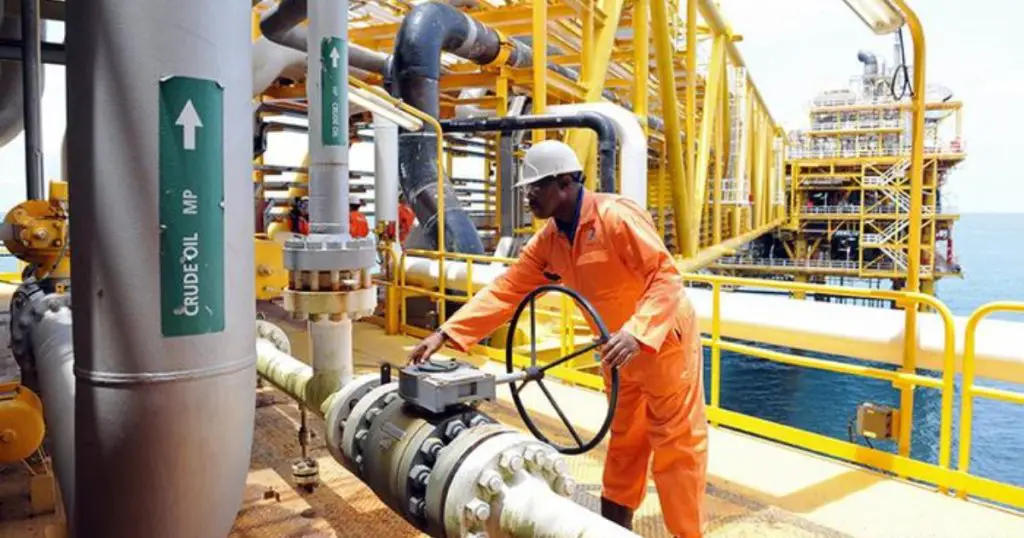
Africa has unlimited opportunities as it’s rich in natural resources such as arable land, water, oil, natural gas, minerals, forests…
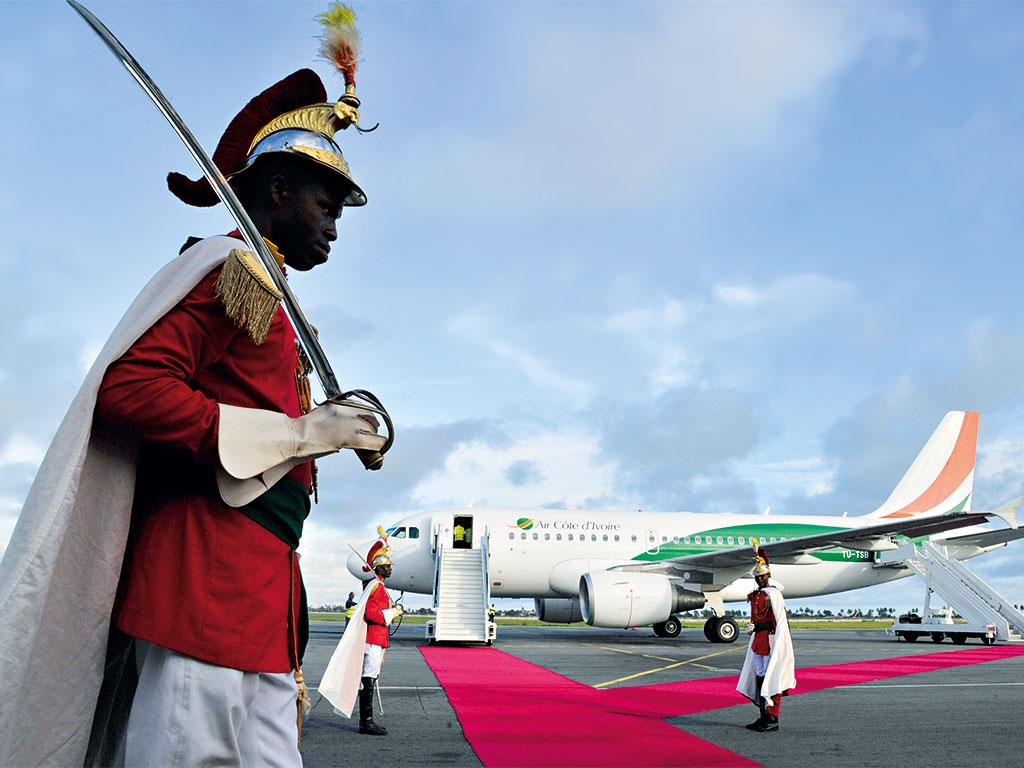
The Entebbe airport stands to transform Uganda’s movement over time as it advances to become an oil economy alongside Tanzania.
South Africa, one of the wealthiest countries, has the largest road network, 750,000kms, while Tanzania, East Africa’s competitive economy, has more than 86,000km of roads.
In the current economic scenario, where uncertainty brought by economic shocks from the pandemic and political tensions force nations to expand their horizon of influence, the past years have shown why African infrastructures must be robust and conducive to enhancing value creation.
Whoever moves fast and swiftly dominates the economic conversation. South Africa, Kenya, Namibia and Nigeria are among the top African nations with more robust economies.
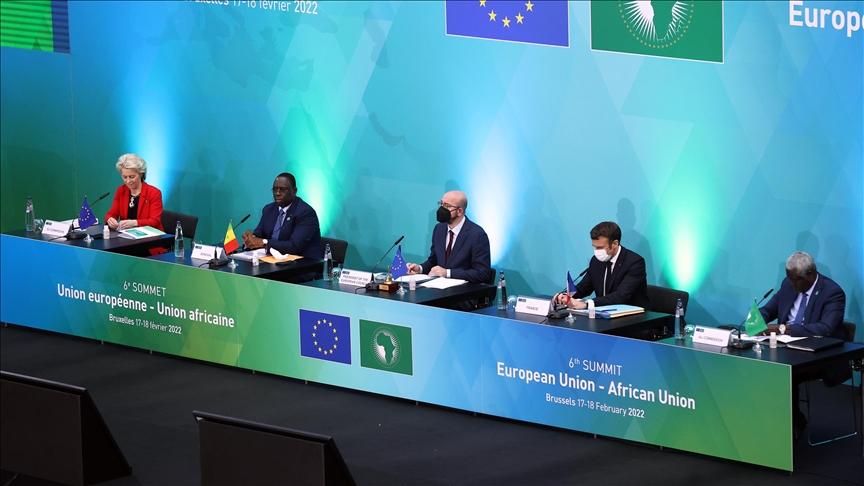
The European Union (EU) and Nigeria have enjoyed robust trade and bilateral relations since the formulation of this lucrative partnership,…