Trending
- Zimbabwe edges closer to arrears payment, debt restructuring and reset of ties with IMF
- Tanzania coffee industry mulls commercializing wastes to spur fresh revenue streams
- Reasons for African Currencies Growing in Significance for Business Decisions
- Nairobi forum launches push to close Africa’s climate protection gap
- East Africa’s lessons from India’s economic growth playbook
- Tanzania and Serbia to revive falling trade relations
- TotalEnergies commits $10 billion to Angola as fresh oil find comes on stream in three months
- In Africa, the conversations defining corporate reputation are going on in channels most CEOs cannot see


Browsing: South Africa

The lockdown occasioned by the coronavirus pandemic saw new e-commerce users rise by 5 percent in Sub-Saharan Africa in 2020…
Imperial (www.Imperiallogistics.com)is pleased to advise that in F2019 and F2020, it created value of R146 billion ($10.23 billion) and R98…
Practically speaking, it is not difficult to invest offshore. It is not illegal. It is perfectly legal.
There are no guarantees that investments made offshore will perform better than those available locally. FNB the South African bank says that diversifying share portfolio geographically has similar benefits to diversifying across asset classes.
Whatever the reason, the outcome was that most notable BEE transactions went to Patrice Motsepe’s African Rainbow Minerals and Ubuntu Botho Investments, Tokyo Sexwale’s Mvelaphanda Holdings and the current President Cyril Ramaphosa’s Shanduka Investments which is now part of the Pembani Group.
Legislated empowerment whose focus was primarily on ownership levels produced heavily skewed results towards benefitting political stalwarts and not the broader masses that were previously disadvantaged during apartheid.
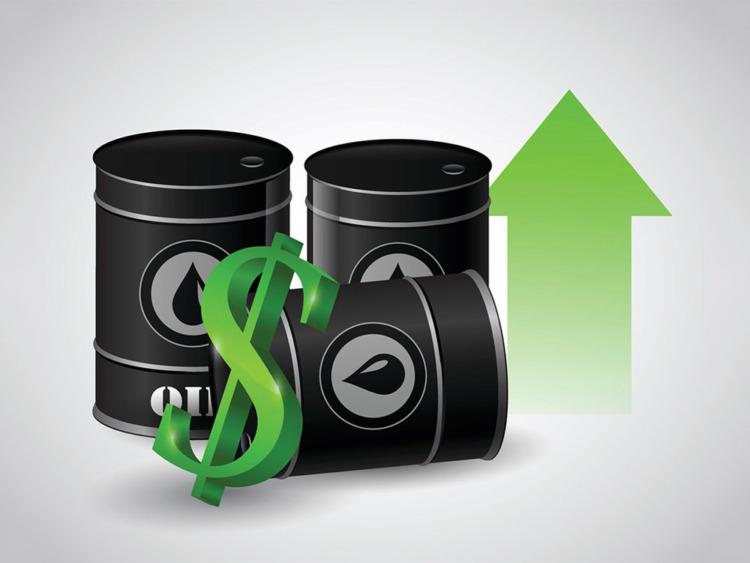
As of July 1, price for petroleum products in Tanzania increased drastically owing to the amendments outlined in the country’s new Finance Act as passed by parliament. A huge chunk of the money you pay at the pump goes to the government in taxes; in fact the government takes anything between 30 and 40 percent in form of taxes, levies and regulatory fees.
Nonetheless, Tanzania’s Energy and Water Utilities Regulatory Authority (Ewura) still attributed the price hike to global trends, in part admitting to the tax effect and in part deflecting it to global trends.
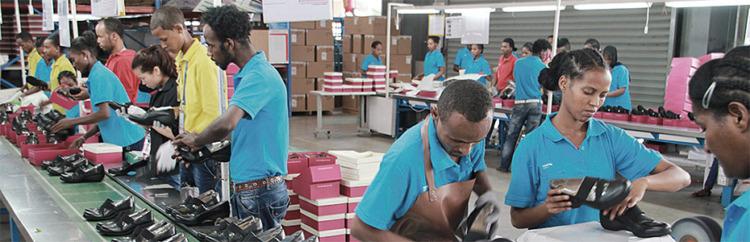
That year, in 2015, Kenya, Rwanda, Uganda, and Tanzania settled for a three-year plan to phase out the importation of used clothes, a major exporter been the United States. To realise the intended ban, taxes were increased on second-hand clothes were increased effectively deterring their importation. The plan was to completely ban the import of second-hand clothes as of 2019.
This ambitious vision was never realized as the Trump administration issued an ultimatum for EAC to rescind the ban on second-hand clothes by 23 February 2018 or, as the DW writer Isaac Mugabi puts it ‘face the consequences.’
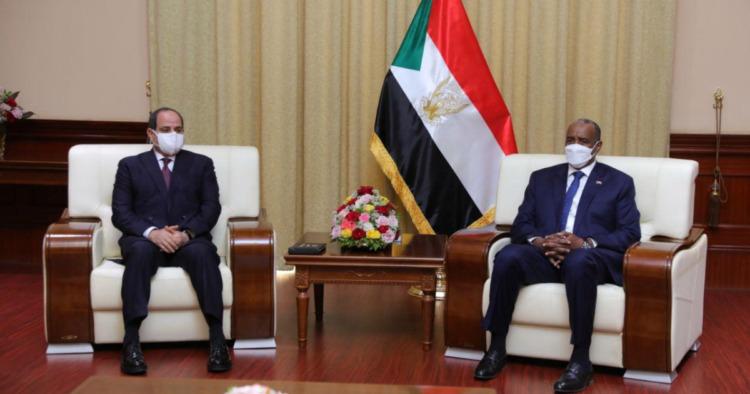
Ethiopia plans to go ahead with it scheduled second filling of its embattled Grand Ethiopian Renaissance Dam (GERD). When complete, the GERD…
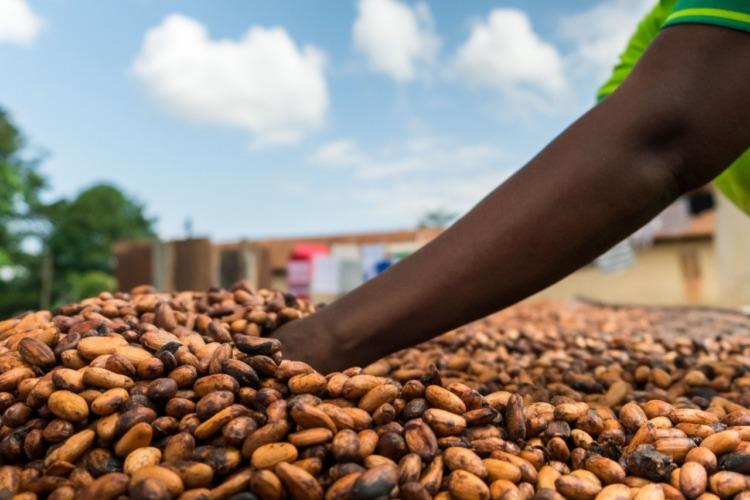
Fairtrade International has committed to double the average income of farmers and workers in Africa. Speaking during the ongoing 7th…
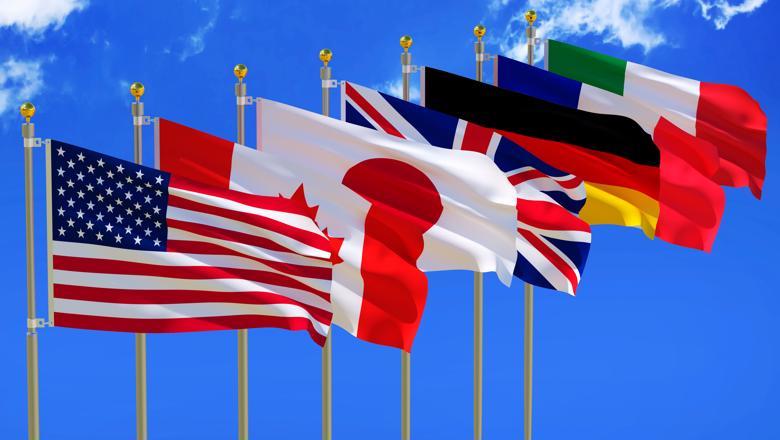
The private sector in the African continent is set to receive US480 billion in investments over the next five years.…
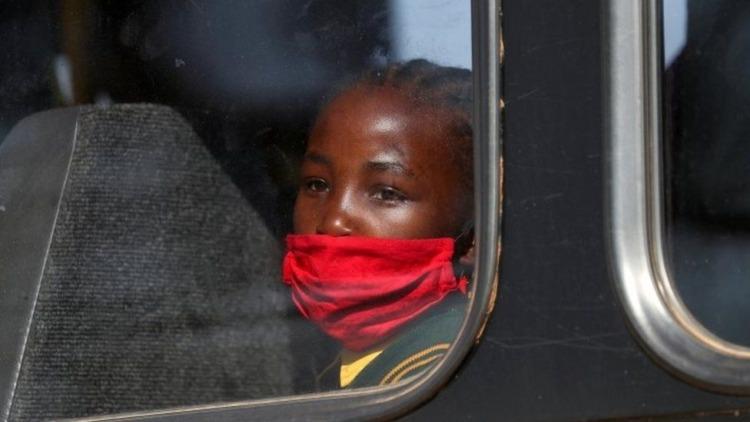
Africa’s second top economy, South Africa is yet unhinged with the grilling impacts of the coronavirus, which has already taken…