
Trending
- African governments drive new forest finance progress as global report warns funding globally must scale faster
- Fine Spinners eyes Kenya’s Agoa-backed apparel supply chain with $5m plant
- Why young Kenyan investors need to stop treating the stock market like a betting slip
- Tanzania tax reforms mandate VAT refunds to under 30 days
- In New York, world leaders unveil plan to overhaul global health architecture
- Minisend grows Kenya presence as official payment partner of Africa Blockchain Festival 2026
- UN resolution challenges world maps that make Africa look smaller
- Zimbabwe edges closer to arrears payment, debt restructuring and reset of ties with IMF


Browsing: zimbabwe
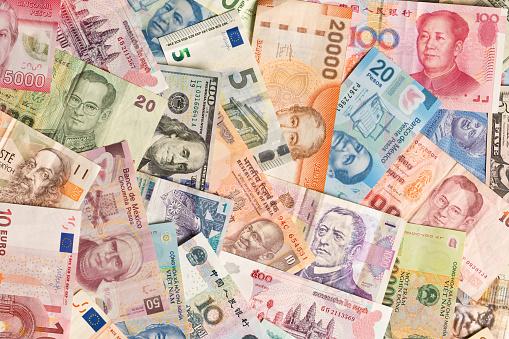
Despite these fundamentals, the Zimbabwe dollar has continued to slide against the United States dollar prompting the government to take drastic and unprecedented measures last month which culminated in the prohibition of bank lending (albeit temporarily), the prohibition of third-party international payments, the prohibition of third-party payments to stockbrokers and the introduction of taxes which can be viewed as punitive for investors on the Zimbabwe Stock Exchange.
Prior to these stringent measures, the monetary authorities had instituted a policy called willing buyer willing seller to try and narrow the gap between the official foreign currency exchange rate and the parallel market foreign currency exchange rate. This gap between the 2 exchange rates reached its peak in the first week of May 2022 at 153% according to a Zimbabwe publication called the Business Weekly.
The premium between the parallel market rate and the official rate has reduced somewhat to 60%. The attempt to get the foreign exchange rates to converge set the parallel market rate raging and it has since breached the ZWL$ 500/US$ 1 mark in the first week of June 2022.
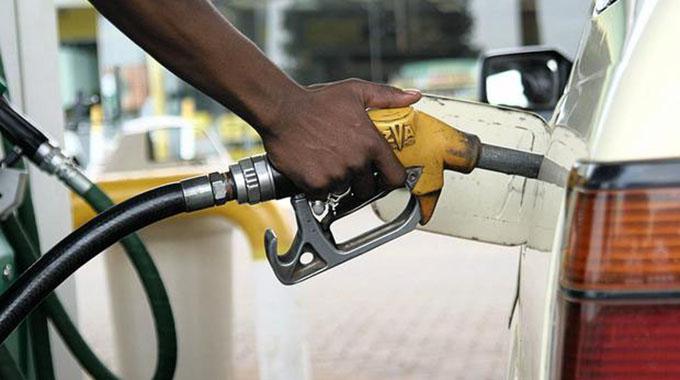
According to an article by Newsday dated May 2, 2022, Zimbabwe’s fuel consumption increased to almost 1,2 billion litres during the 11 months to November last year, compared to just over one billion litres in 2020, data from the energy regulator showed.
In its market update, Zera said the country guzzled 1 152 198 301 litres during the period, 10% more than the 1 035 624 744 litres used during the same period in 2020.
Zimbabwe now has the highest fuel prices, not only in the Southern African Development Community (SADC) but also on the African continent according to globalpetrolprices.com.
In the same article, Consumer Council of Zimbabwe (CCZ) spokesperson Chris Kamba expressed concern over the impact of the fuel hike on consumers.
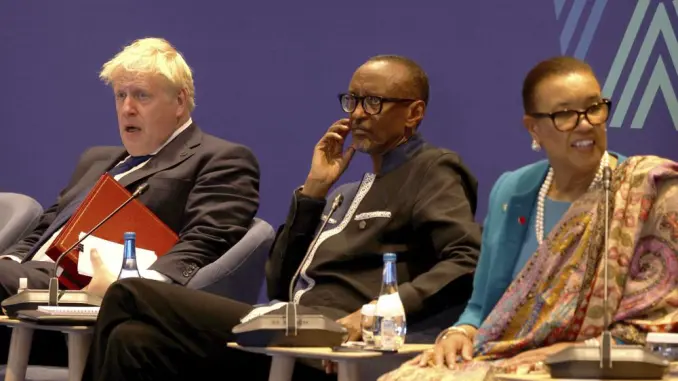
Commonwealth along racial lines, but the body managed to forge a compromise at its Nigeria summit, appointing a seven-nation panel to monitor Zimbabwe’s progress towards improved democratic values.
President Emmerson Mnangagwa’s government applied on May 15, 2018, to re-join the grouping, a year after toppling Mugabe through a military coup.
According to an article by the Independent dated June 17, 2022, Scotland subsequently deployed a Commonwealth team led by Ghana’s former president John Dramani Mahama to observe Zimbabwe’s 2018 elections.
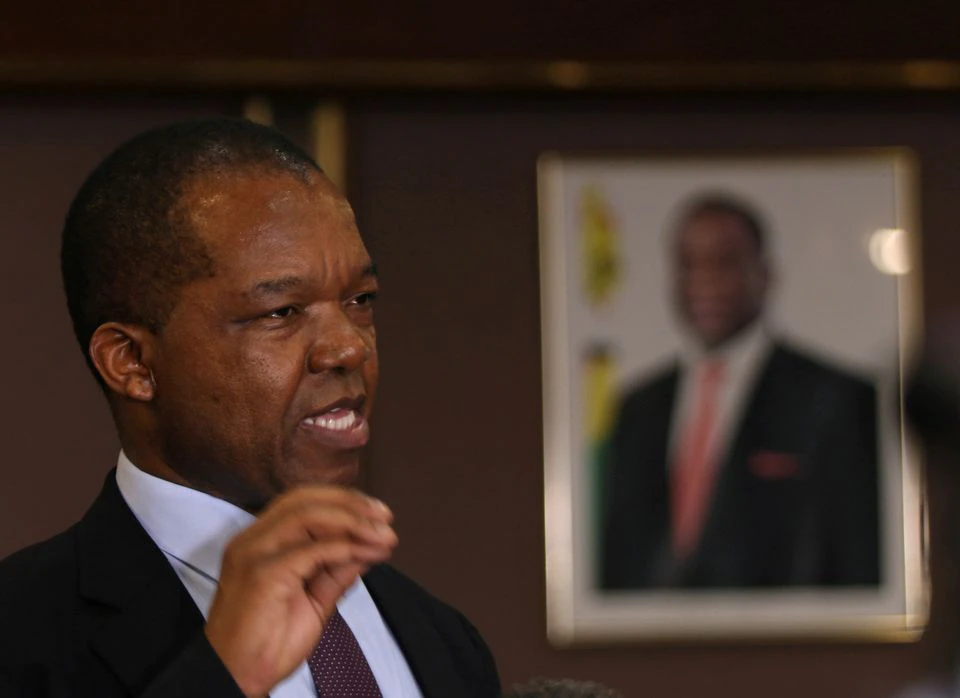
Zimbabwe’s Central Bank said the increase in its policy rate to 200 per cent from 80 per cent will take effect from July 1 after annual inflation hit almost 192 per cent this month.
The benchmark interest rate was last raised to 80 per cent in April from a previous 60 per cent.
“The committee noted that the increase in inflation was undermining consumer demand and confidence and that, if not controlled, it would reverse the significant economic gains achieved over the past two years,” central bank governor Dr. John Mangudya said.
The latest figures from the Zimbabwe National Statistics Agency (ZIMSTATS) showed Saturday that the country’s annual inflation rate reached 191 per cent in June. A new blow to the purchasing power of Zimbabweans, stoking fears of a return to the 2008 hyperinflation period where savings were wiped out.
According to an article by the Herald published on June 27, 2022, popular bullion coins include the American eagle, the Canadian Maple Leaf, the South African Krugerrand, the Isle of Man Gold Cat, the Australian Kangaroo, and the China Mint Panda Bear. They added that gold is a haven against inflation and a gold coin is made mostly of gold while most gold bullion coins are pure gold.
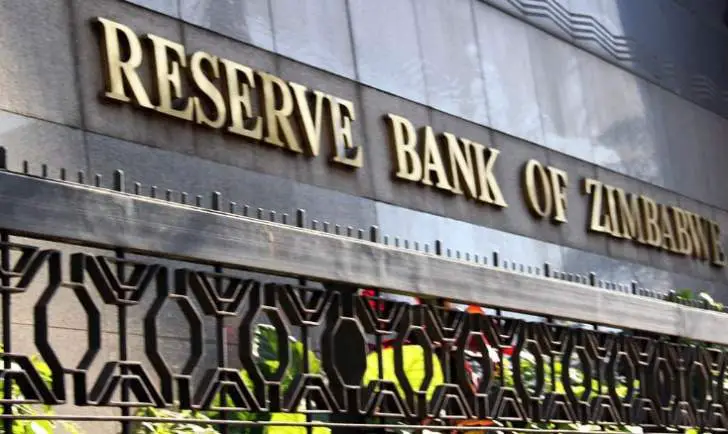
Meanwhile, in an article dated May 27, 2022, Bloomberg described the RBZ as the world’s most aggressive central bank. According to an article by Pindula News published on June 27, 2022, Zimbabwe’s former Finance and Economic Development Minister, Tendai Biti, said the Reserve Bank of Zimbabwe (RBZ) has outlived its usefulness and, therefore, should be abolished.
He made the remarks in response to a cocktail of measures introduced by the government to stabilize the economy. The main duty of the RBZ is to present monetary policies with primary objectives that address the management of inflation or unemployment, and the maintenance of currency exchange rates.
Fossil Mines is reportedly owned by Obey Chimuka, according to 263Chat Business.
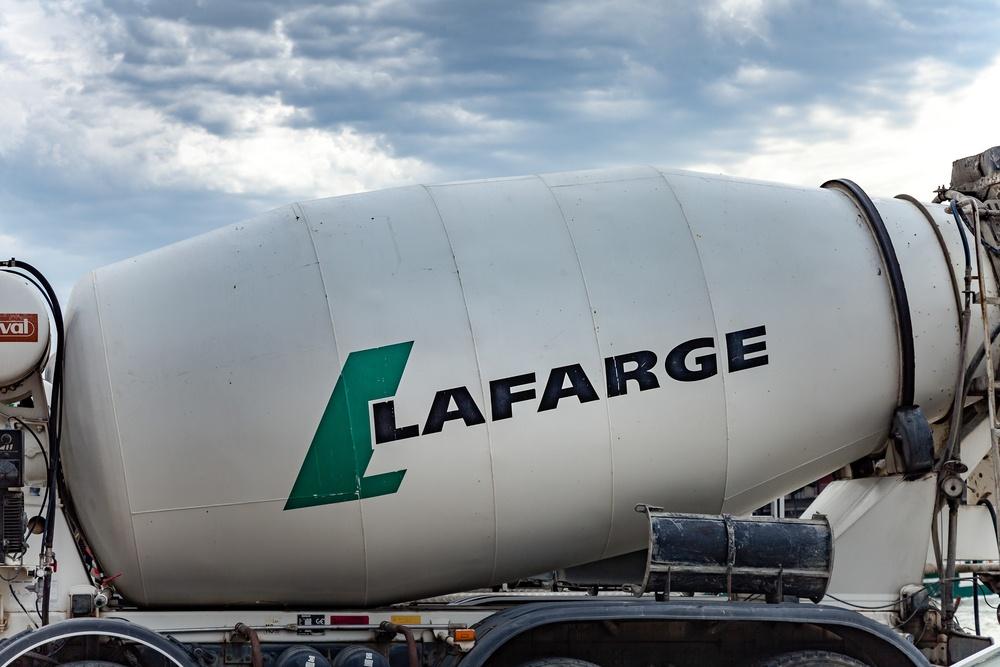
According to a publication by New Zimbabwe dated June 7, 2022, the disposal of Holcim’s Zimbabwean shareholding follows prior disposals of Holcim shareholding in the Northern Ireland, Zambian and Malawian markets amid plans that the group is in the process of disposing of its Indian cement business. The firm told Bloomberg that they are constantly evaluating possibilities to align their portfolio with a vision to open new growth opportunities.
On January 25, 2022, the group announced the intention to dispose of its 76.45 per cent shareholding in LACZ as part of its strategy to divest from the cement manufacturing business before inviting interested bidders to submit their expressions of interest to its Financial Advisors, ABSA Corporate and Investment Banking in South Africa.
The movement of exchange rates on the parallel market has been caused by the government itself. Firstly, the government introduced a currency that economic agents have no confidence in because it did not have the macroeconomic fundamentals to give it credence. There was no parallel market for foreign currency during the years that the country made use of a basket of currencies.
The parallel market only emerged when the government introduced a surrogate currency called the bond note which was said to be at par with the United States dollar. No sooner than the surrogate currency had been introduced that the parallel market emerged, and United States dollars started trading at a premium.
Secondly, the government reportedly purchases foreign exchange on the parallel market. Through the central bank, the government issues new currency and then purchases foreign currency on the parallel market and drives up the exchange rate. It has been documented and widely reported that this is taking place on a grand scale, that the central bank is creating money supply and using it to purchase foreign exchange.

Stock broker Morgan and Co to launch Made in Zimbabwe ETF on June 17, 2022 Made in Zimbabwe ETF to…
The National Association of School Governing Bodies’ general secretary, Matakanye Matakanye, told SowetanLIVE during an interview that many teachers were unemployed and the government should prioritize them over foreign teachers.
Matakanye also accused the government of failing to create a strong local capacity for specialist teachers.
“There are lots and lots of university graduates who are not working and we don’t get the department’s logic of taking people from outside our country when our people are not working. If this was happening five or 10 years after democracy, it would be understandable. It is unacceptable that the department of basic education is still getting educators from Cuba and Zimbabwe after 26 years of democracy,” he said.
Meanwhile, according to the Rwanda Education Board (REB), Rwanda is set to receive close to 500 Zimbabwean teachers by September this year. The teachers will be placed in polytechnics and higher learning institutions.
Platinum mining is where Loucas Pouroulis, the chairman of mining outfit Tharisa PLC made and then lost money and then…