

Trending
- African governments drive new forest finance progress as global report warns funding globally must scale faster
- Fine Spinners eyes Kenya’s Agoa-backed apparel supply chain with $5m plant
- Why young Kenyan investors need to stop treating the stock market like a betting slip
- Tanzania tax reforms mandate VAT refunds to under 30 days
- In New York, world leaders unveil plan to overhaul global health architecture
- Minisend grows Kenya presence as official payment partner of Africa Blockchain Festival 2026
- UN resolution challenges world maps that make Africa look smaller
- Zimbabwe edges closer to arrears payment, debt restructuring and reset of ties with IMF


Browsing: zimbabwe
Tharisa PLC will be the latest foreign platinum mining firm to enter and invest in the Great Dyke in Zimbabwe.…

Zimbabwe’s platinum resources are out of reach for most of the investing public. Platinum is one the largest generators of…
Banks provide working capital for the day to day running of the majority of corporate Zimbabwe. Most suppliers work on a 30 to 90-day credit facility where supermarkets get access to products and then pay for the merchandise later. With no line of credit, there has been a shock to the supply chain. A few days after the announcement, companies started issuing press statements stating their failure to honour pre-standing contracts. Within a week, certain products started disappearing from shelves.
Cooking oil, cornmeal, and sugar have vanished from supermarket shelves. A precedent that echoes the dreaded year 2008 when another policy inconsistency made supermarkets into ghost towns. Zimbabweans know the signs of a dying economy and remember how tough life became in 2008.

Zimbabwe allows for 100% ownership of medicinal cannabis investments, allows for farming on private land, and has put in an added layer of protection called the Investment Stability Agreement.
Recently, Zimbabwe’s President Emmerson Mnangagwa commissioned a US$27 million Swiss Bioceuticals Limited Medicinal Cannabis Farm and Processing Plant in Mount Hampden, Mashonaland West Province.
Farmers Review Africa on May 12, 2022, said Swiss Bioceuticals limited constructed a state-of-the-art medicinal cannabis processing plant, fitted with the first line of medicinal cannabis oil processing. It is also equipped with a cannabis oil processing line aimed at stimulating bio-medical solutions and pharmaceutical products for both local and international markets.
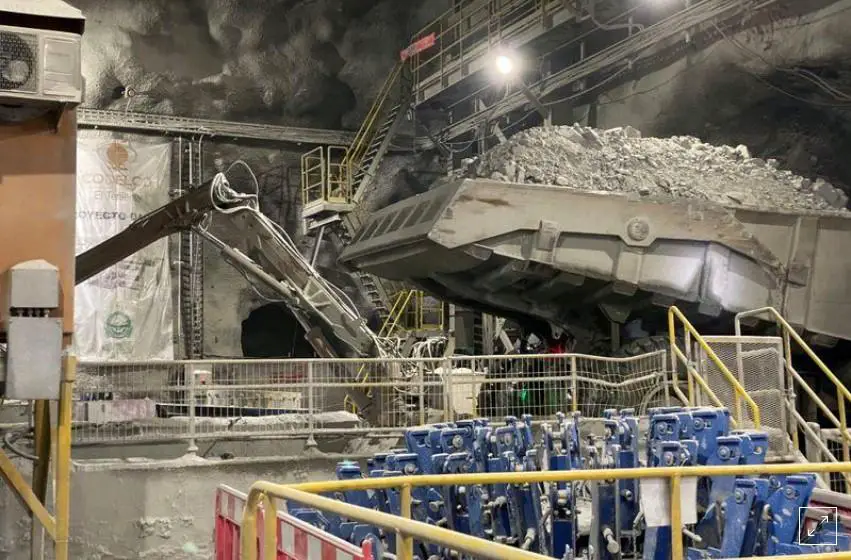
Copper production is set to resume at Alaska Mine in Chinhoyi after a US$6 million capital injection by Chinese investors in partnership with the Zimbabwe Mining Development Corporation (ZMDC). The total capital injection required is US$12 million and so far, a Chinese investor, Grand Sanyuan Copper Resources has poured in half the amount.
As far as June 10, 2021, ZBC News said the majority of the funds will be channelled towards the construction and refurbishment of a flotation plant, a smelter, and an electrolysis refinery, with an environmental impact assessment completed.
The Alaska Copper smelting plant has been closed since 2000, but has now been resuscitated and is expected to be fully operational by July this year with a target to produce 300 tonnes of copper per day.
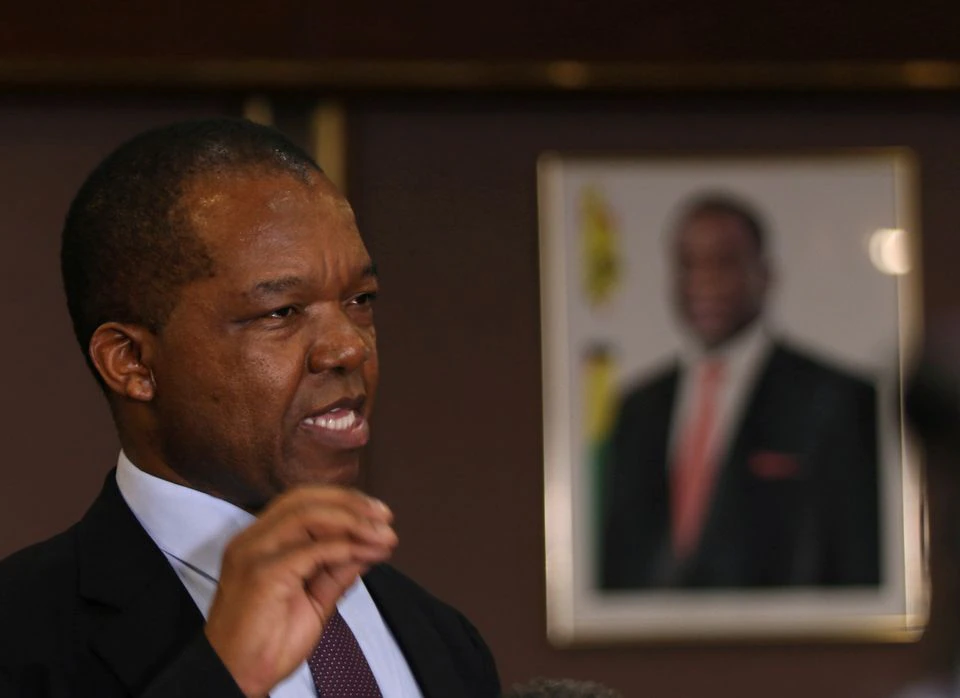
The president announced in a May 7 televised speech that banks had been banned from lending in a bid to stem the precipitous decline of the local currency inter alia increasing capital holding tax, banning third party transactions on the local bourse, and increasing Intermediated Money Transfer Tax (IMTT).
The move came as the local currency had been depreciated against the United States dollar. This is amid high demand for the greenback which is seen as a store of value.
An executive at an agro-processing firm, name with-held, told NewZimbabwe that his company can’t borrow what it needs to pay 500 farmers for the soy and sugar beans. It contracted them to grow, or fund the purchase of inputs such as fertilizer for the next season’s crop.
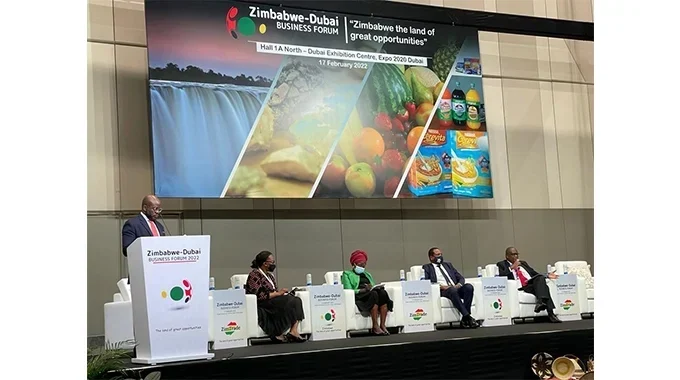
Bilateral relations between the two countries improved after the UAE showed its benevolence. This was by sending aid in response to the Cyclone Idai storm in March 2019. Planeloads of humanitarian assistance were sent to Zimbabwe, which went a long way in helping victims and mitigating the impact of the cyclone. UAE also assisted the Southern African country’s fight against Covid-19 with a consignment of required medical drugs.
Early March, the new dispensation approved the establishment of a commercial consulate in the commercial hub of Dubai. Economic and trade attachés will operate in the consulate. This is an effort to complement investment promotion being done by Zimbabwe’s embassy in the UAE.
In a cabinet briefing published by The Herald on March 17, 2022, Minister of Foreign Affairs and International Trade Ambassador Frederick Shava said the development created an environment conducive to doing business.
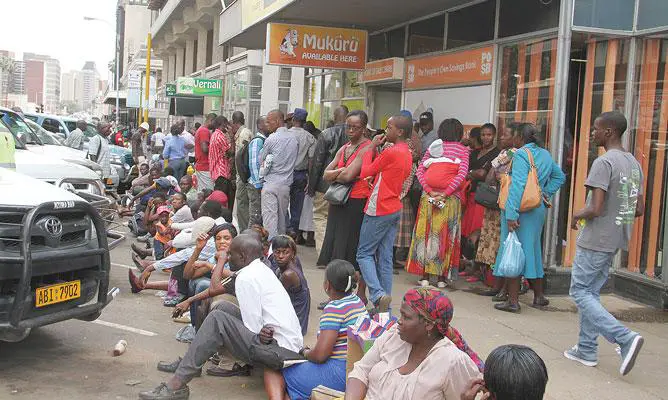
Prices of essential and non-essential commodities will increase as fuel and gas prices skyrocket due to dwindling supplies. Air and marine freight prices have increased significantly. As a result, customers should brace for price increases caused not by the government’s actions but by direct and indirect conflict repercussions.
Numerous businesses have been forced to reduce or halt output due to the economic crisis. Zimbabwe is in danger of exhausting what remains of its productive capability unless drastic measures are taken to pique the interest of foreign investors.
Russia is the world’s second-largest supplier of petroleum products. Now that they are embroiled in a conflict with Ukraine, they cannot supply numerous markets, resulting in supply limits. When supply falls far behind demand, prices tend to rise, which is our situation.
The services Zimbabwe paid for range from software, to professional and technical services like mining exploration, servicing of complex machinery, expatriate medical aid schemes and so on.
If the country was able to develop the capability to provide these services, it would not only save on the expenditure of foreign exchange it would also earn foreign exchange.
There are 16 countries that make up the Southern African Development Community of which Zimbabwe is a part. All these countries use and pay for the same services that Zimbabwe is paying for. If Zimbabwe were to become an exporter of services to all these countries in the SADC region alone and they spent on services roughly what Zimbabwe spends on services.
The country could potentially earn (15 member states multiplied by US$ 636 million) US$ 9.5 billion annually. Adding this figure to the foreign exchange earnings reported in the monetary policy statement gives a perspective of potential Zimbabwe could realize. Developing the services sector requires substantial investment in education, tourism, information technology, and healthcare. All of these are in a sad state presently.
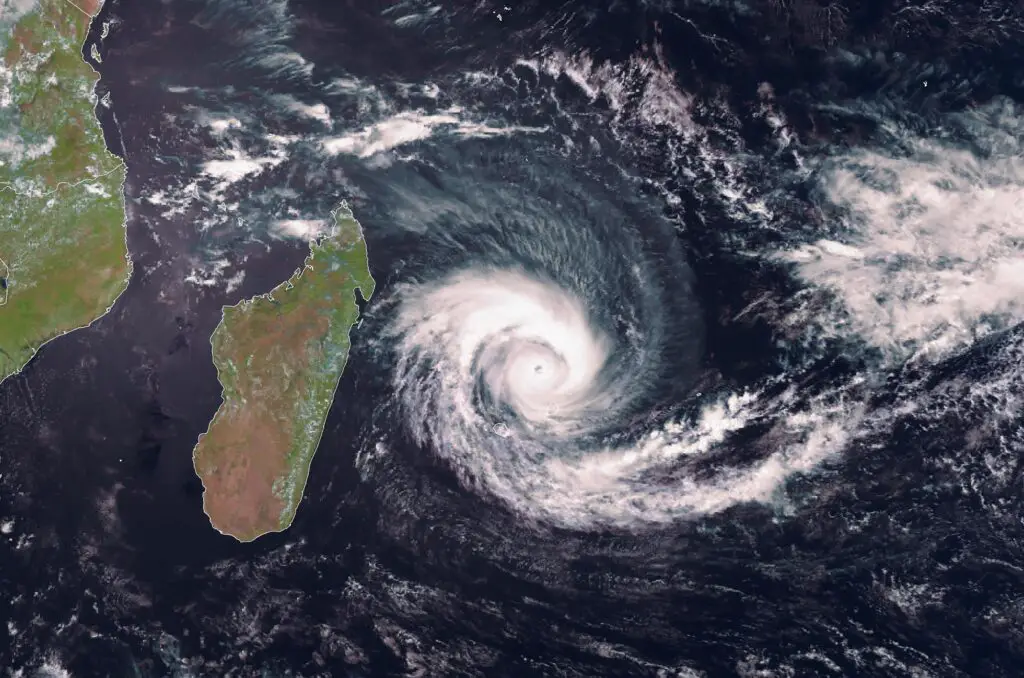
Tropical storm Ana in January 2022 affected 180,869 people, injured 207 people, killed at least 38 people and flooded a…