Trending
- Kenya’s construction costs surge at fastest pace in four years as fuel price shock hits
- African trade is growing despite the obstacles
- Why global capital is betting big on Africa’s digital promise
- Kenya posts stronger-than-expected Q1 growth at 5.3% on manufacturing rebound, tourism boom
- China’s new investment rules are about guardrails, not closed doors
- Zanzibar optimistic economic growth will hit 7.5% on tourism boom
- Kenya defies economic shocks to post record $22 billion in tax collections
- Forget South Africa: East Africa now rules in banking industry returns


Author: Giza Mdoe

Giza Mdoe
Giza Mdoe is an experienced journalist with 10 plus years. He's been a Creative Director on various brand awareness campaigns and a former Copy Editor for some of Tanzania's leading newspapers. He's a graduate with a BA in Journalism from the University of San Jose. Contact me at [email protected]
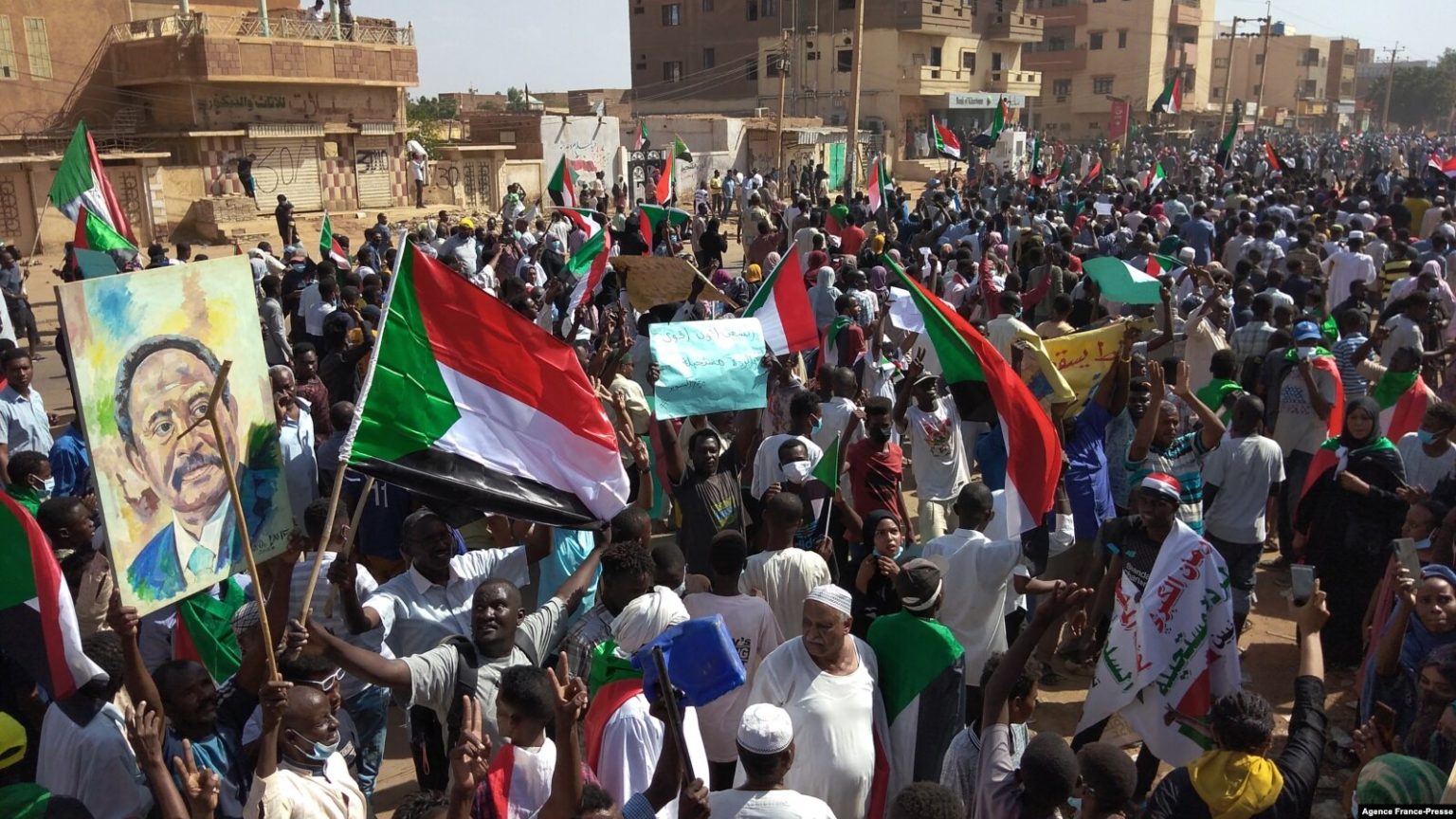
With over 5 billion barrels of proven oil reserves (as of 2016) that should be the story of Sudan, a story of wealth, not poverty, a story of prominence, not conflict, but the opposite is true.
Even though Sudan ranks an impressive 23rd in the world’s list of oil rich countries and accounts for about 0.3% of the world’s total oil reserves, the country continues to squirm in abject poverty.
“The oil story in Sudan is one of controversy, a messy tale of money, conflict and power enmeshed in the country’s decades-long conflict,” writes Elzahra Jadallah in an article titled ‘The Dark Side of Sudan’s Oil.’
There are at least five major oil drilling and processing sites in the country and these are the epicentres of conflict both within Sudan and the seceded South Sudan. Since Sudan controls the only pipeline that both nations use to transport their oil, the two sides are forced into shaky negotiations.
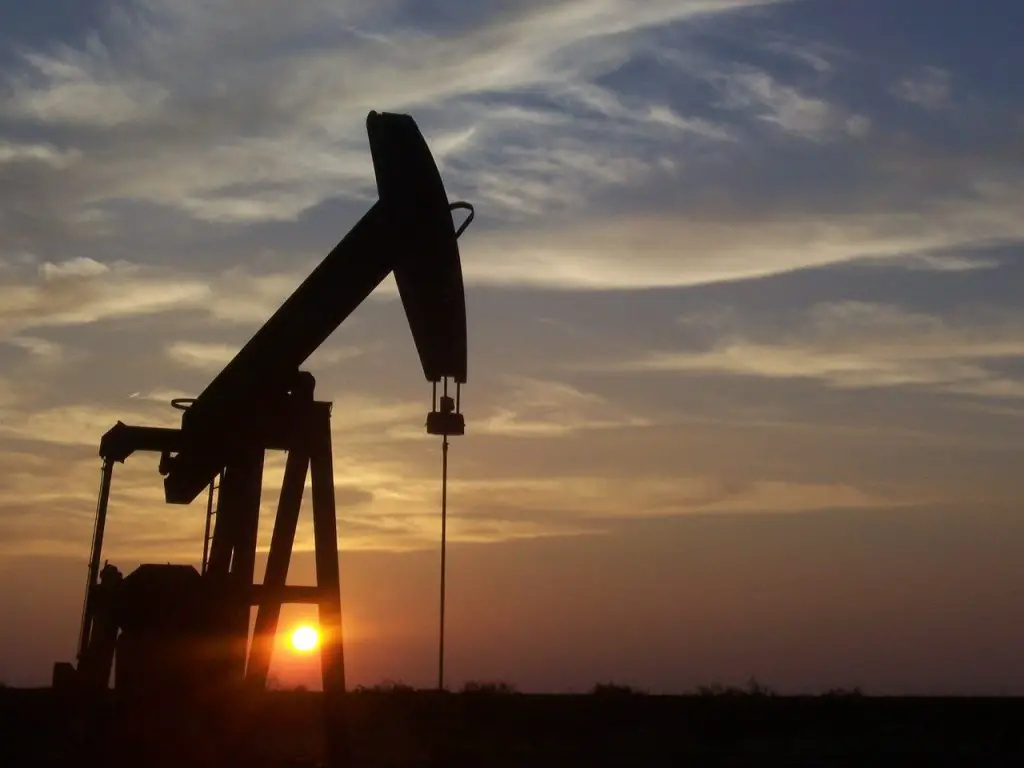
The EACOP is a 1,443km pipeline that is been constructed at a value of 3.5 Billion USD. These funds are been directly injected into the economies of Uganda and Tanzania effectively increasing their FDI by over 60 % during the construction phase alone.
The magnanimous project is been constructed and operated through a shareholding approach among several stakeholders including the government of Uganda through the Uganda National Oil Company (UNOC), the government of Tanzania through the Tanzanian Petroleum Development Corporation (TPDC), France’s Totalenergies and China’s CNOOC.
It is expected that through the East African Crude Oil Pipeline, the region’s East Africa’s oil potential. It will effectively attract investors and companies to explore the region’s oil potential. Further still, as new infrastructure projects commence in line with the pipeline, it will greatly contribute to the enhancement of the central corridor between Uganda and Tanzania.
To push and advocate to circular economy uptake around the globe, the European Union (EU) launched the SWITCH to Circular Economy Value Chains project. The SWITCH to Green (S2G) project is designed to accelerate the uptake of circular practices.
SWITCH aims to improve the business environment and targets value chain actors to increase awareness as the basis to facilitate transformation.
“The overall objective is to support the circular economy transition, thereby contributing to sustainable growth, low carbon and climate resilient development, decent jobs’ creation, and safer, healthier and pollution-free environment,”
The project is designed to deliver tools and services to support the overall coherence and coordination of the EU international partnerships in the green circular economy model. The SWITCH to Green Facility experts work to provide direct support in integrating the Circular Economy across the related value chains from the producers to the final consumers.
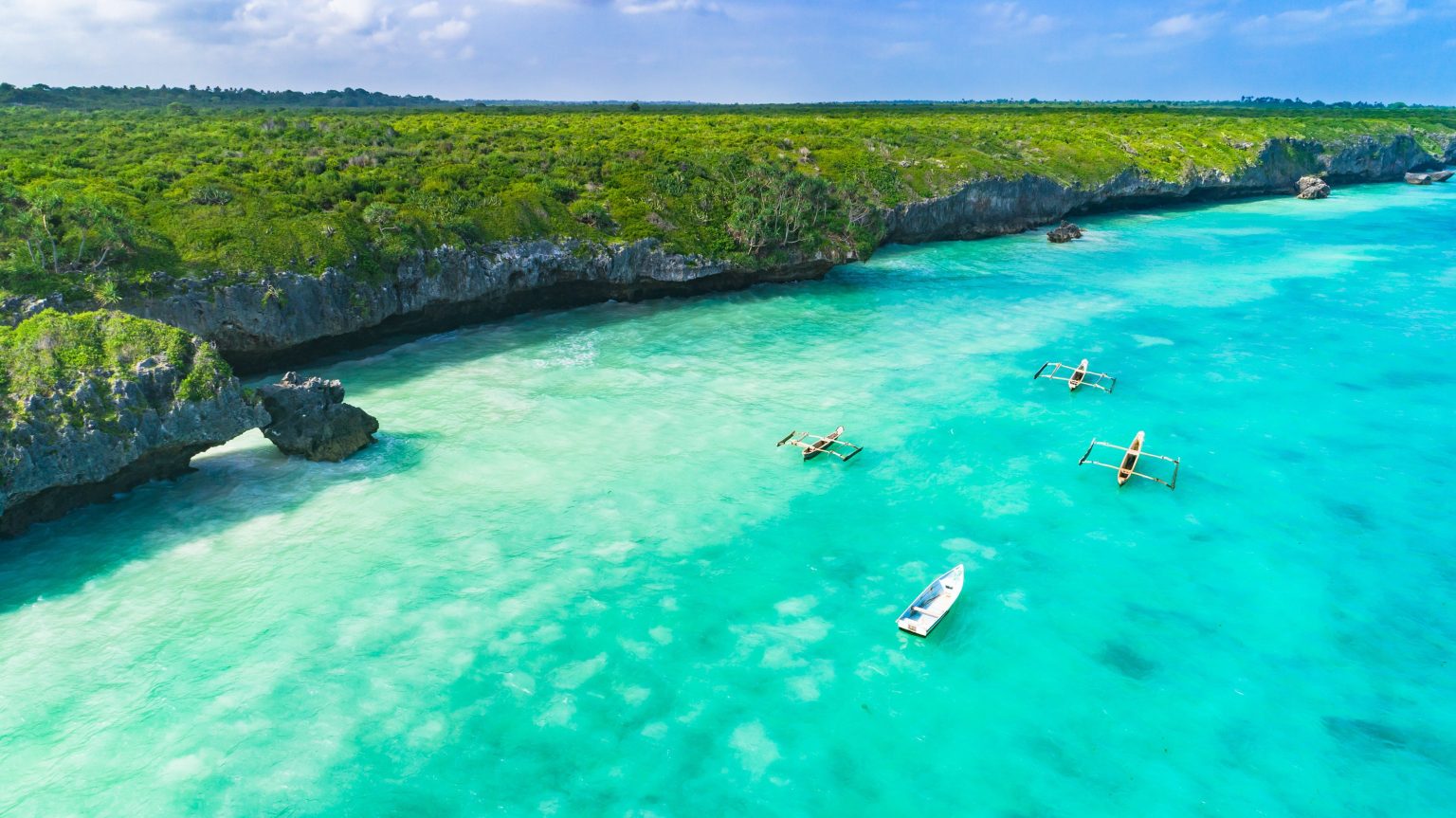
The goal here is to have more companies register on the island to increase Zanzibar’s internal revenue through taxes and related fees. The move is also expected to create employment on the island as companies open subsidiaries they will naturally have to hire.
Overall, according to the International Monetary Fund (IMF ), last year’s growth of around 4 per cent is expected to pick up to about 5½ per cent this year and to then maintain a steady growth of the next few years, assuming no other pandemic strikes that are.
Ceterisperibus, should the economic reforms announced by the new administration and the envisaged improvements in the business climate materialize, then medium-term growth could reach 6 per cent, says the IMF.
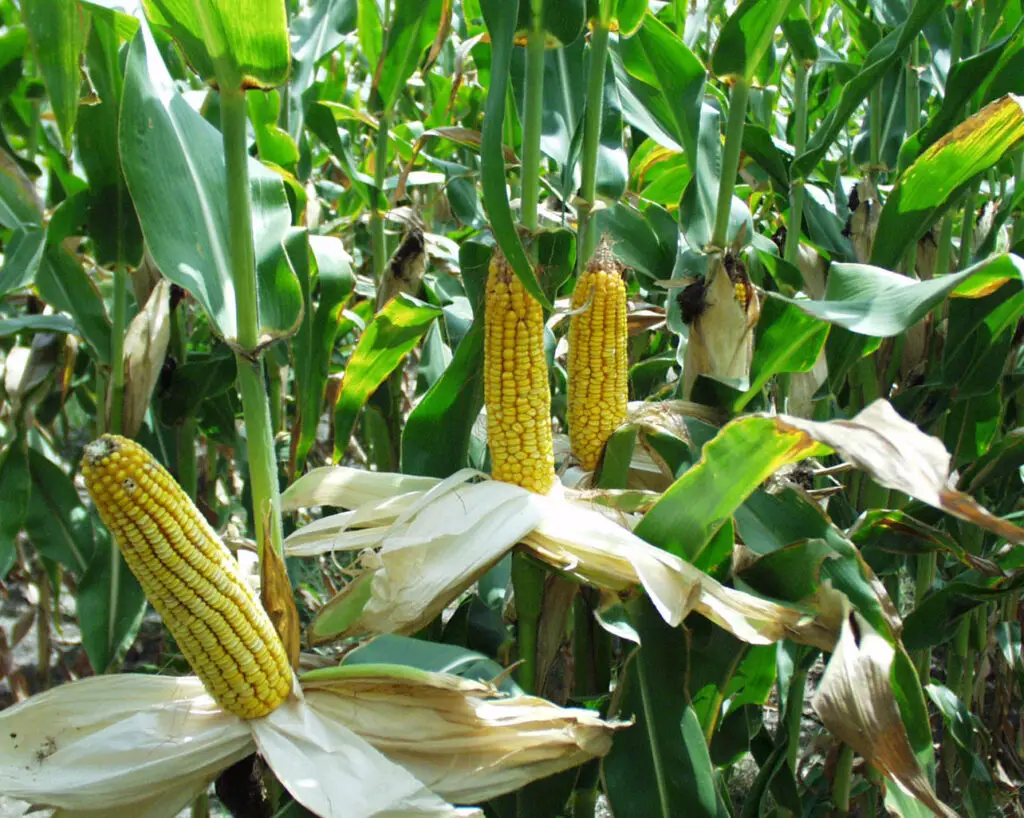
Stakeholders in Tanzania are lobbying for asking the government to establish a department to research and preserve traditional foods and seeds which are feared to be in danger of extinction. “The loss of diverse diets is directly linked to diseases or health risk factors, such as diabetes and obesity,” warns
While the new seed varieties (as well as animal hybrids) are been praised for their fast growth and resistance to disease, the question remains over their nutritional value. There are also concerns that the loss of organic traditional plant and animal varieties places the world at risk of losing traditional medicines.
At a recent Agricultural Ecology (Agroecology) training workshop held in Moshi, Tanzania stakeholders emphasized that; “From providing cures to deadly diseases to maintaining natural ecosystems and improving the overall quality of life, the benefits of preserving threatened and endangered species are invaluable.”

The African Development Bank (AfDB) has inked a massive grant agreement to the tune of $400,000 to modernize the regional financial market infrastructure in West Africa.
The funding is to be extended via the West African Monetary Union (WAMU) and among other things is meant to fund the creation of a digital platform to automate securities issuance for the regional financial market.
In a press release, the AfDB said the funding will also help reduce the holding period preceding subscription allocations and registration on the said digital platform.
As would be expected, Total rebutted the claims. Its first move was to make public the related project social and environmental studies and issue a statement in which it pledged transparency.
The company admits that; “The projects for the development of the oil and gas resources of the Lake Albert region and the cross-border pipeline are situated in a sensitive social and environmental context that requires special measures for the environment and the rights of the local communities.”
In a follow-up statement, the investors maintained that; “All the partners are committed to implementing these projects in an exemplary manner and taking into highest consideration the biodiversity and environmental stakes as well as the local communities’ rights and within the stringent environmental and social performance standards of the International Finance Corporation.”
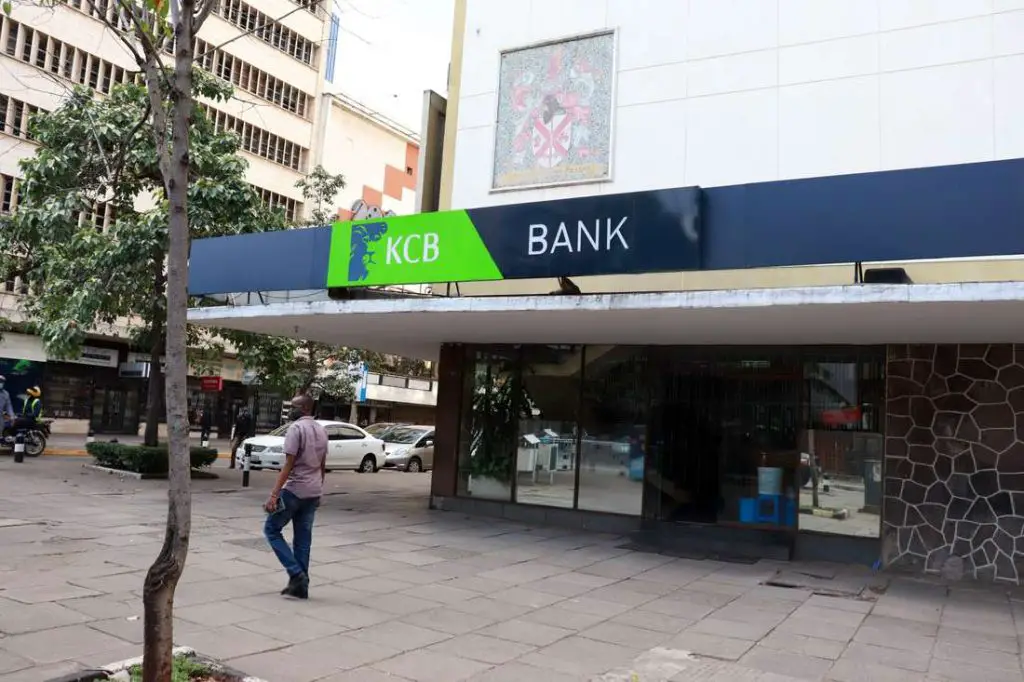
The most recent expansion by Kenya’s KCB was in Tanzania where the bank launched a mini-branch, at the EAC Secretariat Headquarters in Arusha, Tanzania late last year. This expansion speaks volumes to the merit of Kenya banking sector.
Overall speaking, Kenya’s banking industry as exemplified by KCB’s good performance is symbolic of the resilience of Kenya’s economy. The country’s economy has remained strong even in the face of recent economic shock waves wrought by Covid-19 and even regional conflict like the ongoing demonstrations in Sudan.
Actually, according to the Africa Development Bank (AfDB), Kenya’s economy is well on its way towards a full recovery, if no other Ovid waves emerge that is. However, it is not all sugar and candy, the AfDB does acknowledge that “…nearly 2 million people are estimated to have fallen into poverty, and nearly 900,000 lost their jobs,” over the cause of the pandemic.
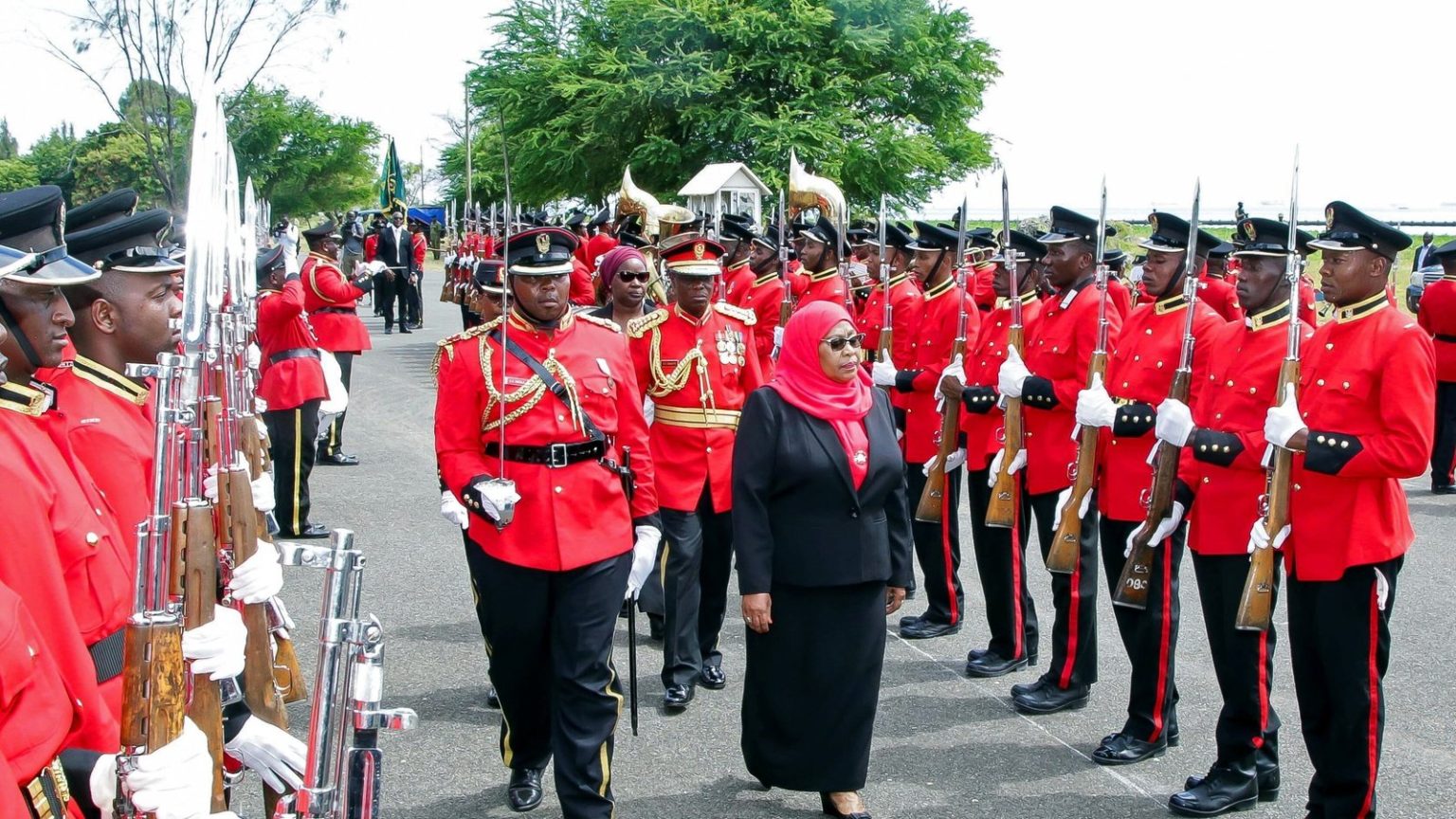
Tanzania President Samia is commended for rebuilding investor confidence Tanzania now enjoying improved regional relations with EAC members President Samia pushes to fast track Tanzania’s national development projects From pushing Covid-19 vaccination campaigns to rebuilding investor confidence, Tanzania’s first female president, Samia Suluhu Hassan is making headlines as an economic focused president with a vision of prosperity. If the recent visit by the African Development Bank Group (AFDB) President Dr. Akinwumi A. Adesina is anything to go by, President Samia is positioning Tanzania to achieve its socio-economic development vision. Ahead of her State tour to France and Belgium where she…
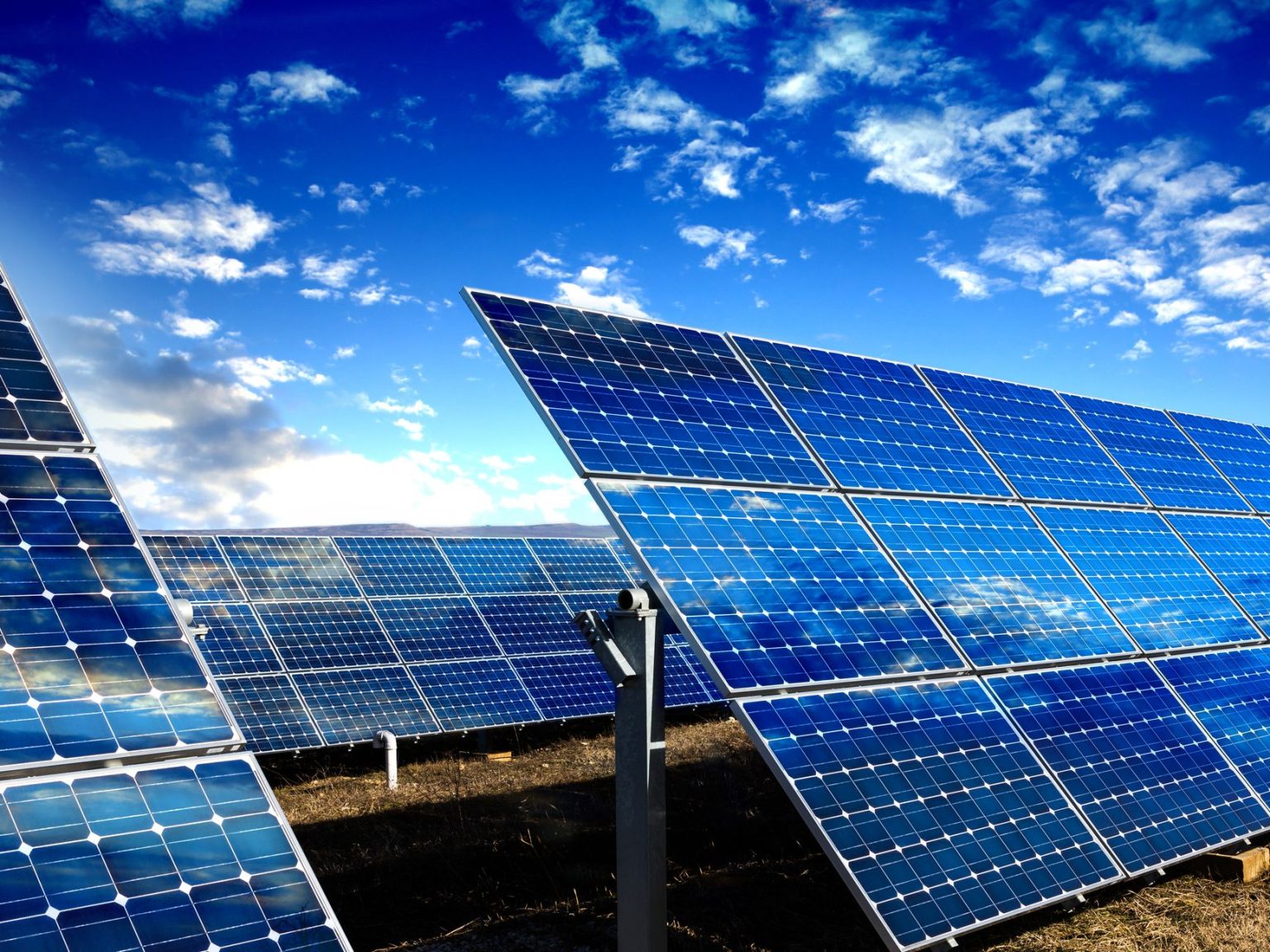
Over the course of the next six years, LEAF is expected to deploy financing options, credit enhancement instruments and technical assistance in partnership with the private sector; including local banks.
As we approach the 2030 deadline of the SDGs, we must unfortunately acknowledge the disturbing truth, we are far from meeting the goal’s sustainable growth targets. The latest Sustainable Development Goal (SDG) 7 tracking report warns that close to 600 million Africans still lack access to electricity and this reality is only worsened by the Covid-19 crisis.
In his comments about the LEAF program, the Bank’s Vice President in charge of Power, Energy, Climate Change and Green Growth, Dr. Kevin Kariuki, notes: “The African Development Bank is delighted to partner with the Green Climate Fund on the Leveraging Energy Access Finance Framework, which will not only accelerate access to electricity based on decentralized renewable energy solutions, hence reducing the respective countries’ carbon footprints, but will do so with the active participation of a private sector facilitated by local currency financing and commercial capital availed under the program.”