Trending
- Women’s entrepreneurship and economic empowerment within fisheries value chains
- What healthy, just and resilient food systems should look like in Africa
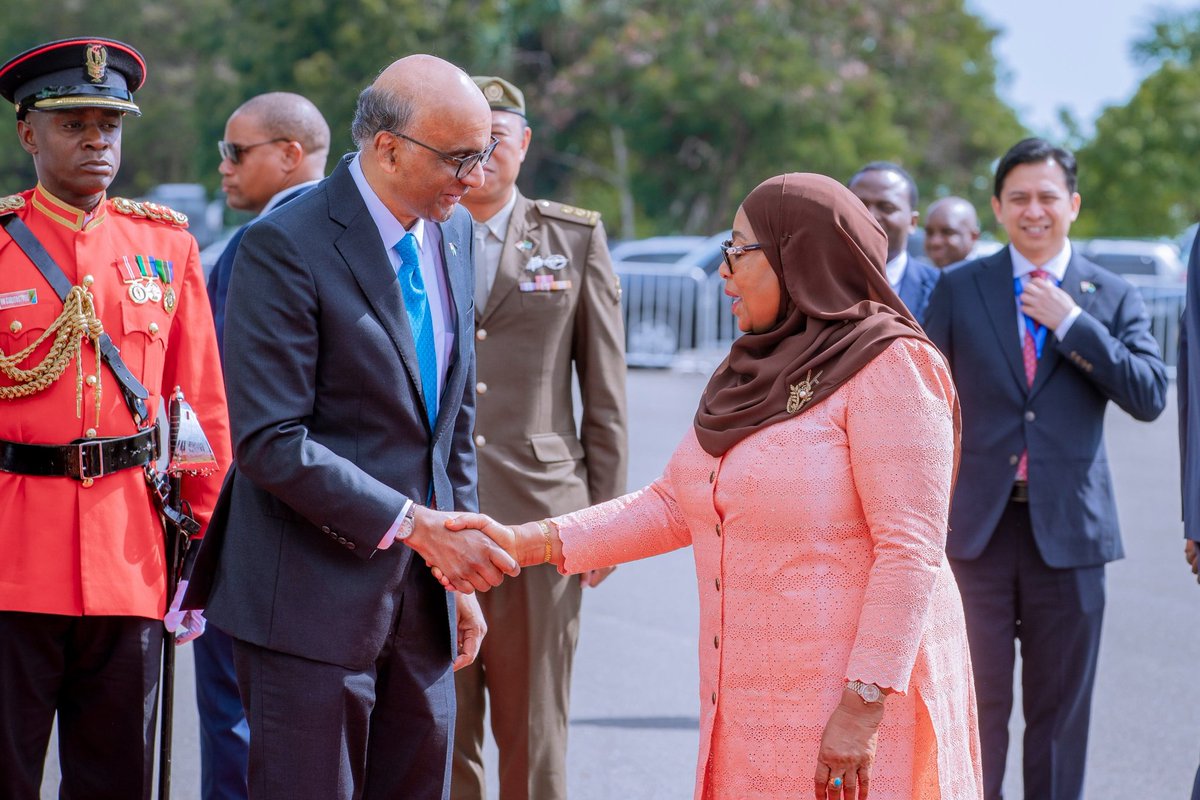
- Beyond extraction: Singapore offers tech partnership as Tanzania opens door to EAC free trade talks
- Cutting the cost of Africa’s energy transition with the right flexibility mix
- Why fish and fisheries may be Africa’s most overlooked food security solution
- BAT Kenya posts record dividend as illicit trade eats nearly half of cigarette market
- Shipping costs to Mombasa and Dar es Salaam surge as Maersk raises peak season surcharge
- How to assess legitimate trading platforms in Kenya using trust, transparency and risk controls


Author: Joseph Kangethe

Joseph Kangethe
I am a journalist who is an enthusiastic tech, business and investment news writer from across Africa. There is always something good happening in Africa but most gets lost in the stereotypes. I tell the stories that matter to the Africans for Africa. Have a tip? You can contact me at [email protected]
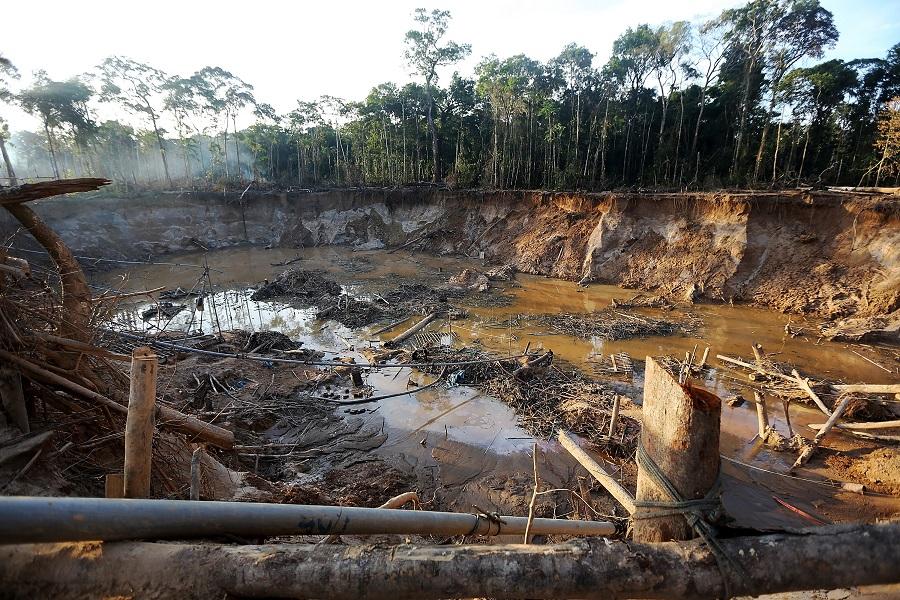
Banks and shareholders are putting pressure on miners to enhance their environmental standards; They strive for net-zero carbon emissions at direct mining operations and value chains Historically, the sector has been responsible for many worker accidents and fatalities. As a result, it would be simple to dismiss the entire industry as an ecologically and socially unsustainable remnant of the industrial past South Africa’s future of sustainable mining methods is considered a bellwether for the most significant African sector since it is the continent’s largest centre of mining activity The mining sector is under increasing pressure to embrace more ecologically and…
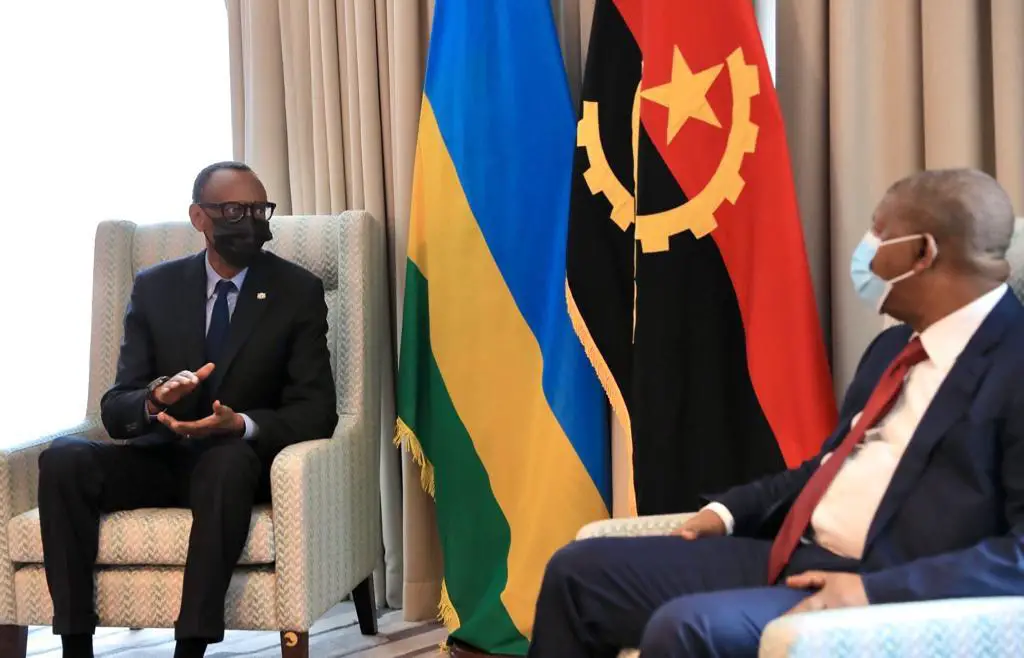
Rwandan Nationals travelling to Angola will not be required to have visas after the two countries have signed a new agreement On Friday, April 15, 2022, Rwanda and Angola signed nine cooperation agreements in different sectors “The government of Rwanda is committed to cementing bilateral cooperation with the government of Angola and working together in addressing regional, continental and global challenges that affect our countries,” Travelling to Angola from Rwanda has been made easy! Rwandan Nationals travelling to Angola will not be required to have visas after the two countries have signed a new agreement to facilitate such. On Friday,…

The takeover of MainOne and Digital Realty is but a tip in the growing startup iceberg. In recent years, the continent has witnessed the creation of a significant number of startups, many of which have proven to be heavily lucrative. “Technology-savvy younger people have established kinds of enterprises that we have not seen before,” Ngozi Okonjo-Iweala, the World Trade Organization (WTO) director, says. They are supporters of Flutterwave, InstaDeep, and Copia International.
The valuation of these African startups is increasing, as is the appetite of foreign traders, mainly venture capital firms from the United States, Europe, and even Asia. They have attracted a total of US$5 billion so far this year. In terms of fundraising, 2022 has gotten off to a strong start for these businesses, with the significant milestone of US$1 billion being reached between January and February.
Nonetheless, the current change is raising key concerns, such as whether Africa is genuinely benefiting from the global capital’s thirst for its technology or if it is being plundered of its gems.
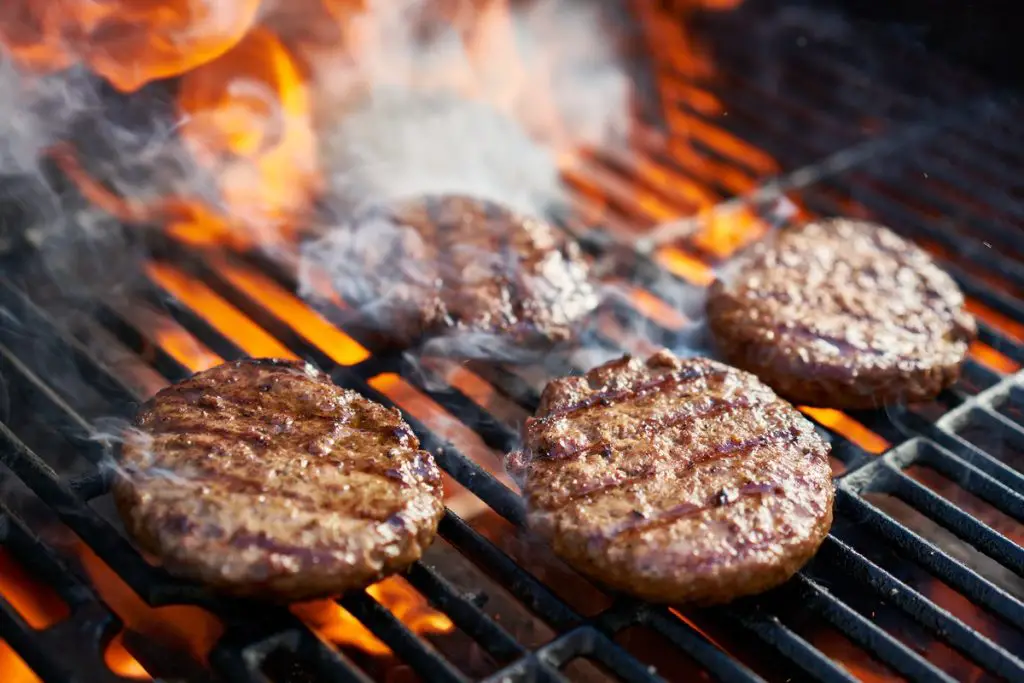
The meat-alternative market is taking advantage of climate change awareness, and the messaging has changed accordingly, particularly as these products enter the mainstream.
“We can see what many brands’ marketing strategies are – they used to market just to vegans and vegetarians – why not advertise it to everyone and call it the healthy burger?” says Will.
“Now, when non-vegans try some of the products on the market, they are surprised by the quality, they say ‘this is amazing and can’t believe it’s plant-based and environmentally friendly.”
Indeed, this shift in messaging is reflected in the advertisements of large retailers introducing meat-alternative products.
Burger King, which recently launched plant-based Whoppers, Royale’s and Nuggets in South Africa, highlighted the health and environmental awareness prominently in press releases and advertisements.
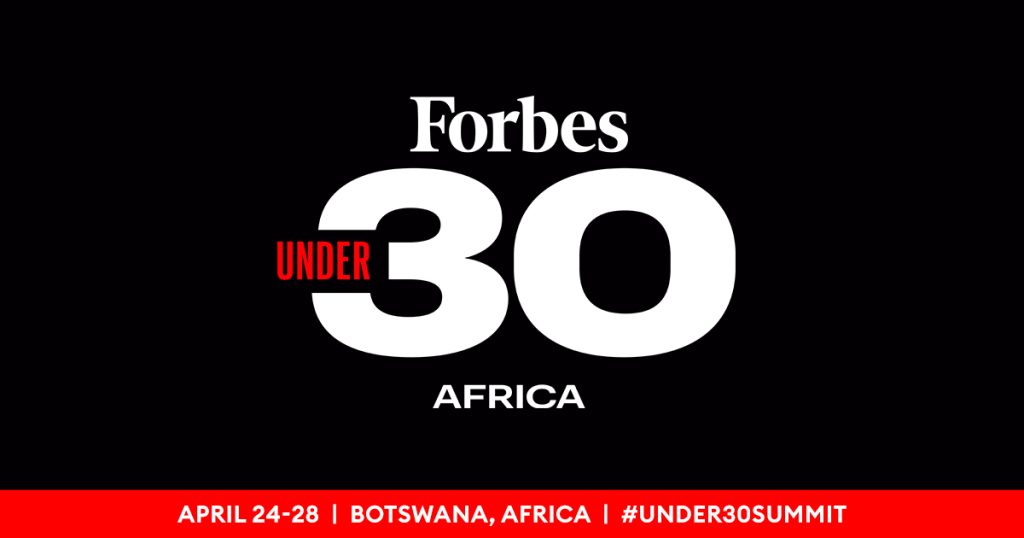
Starting on 24th to 28th April 2022, the world’s most elite young entrepreneurs and specific industries’ game-changers will attend the meeting, which will be held in Botswana.
Among the participants, a third will come from the 30 Under 30 Africa community, the other third from Botswana, and the final third from the Forbes 30 Under 30 community globally.
The Summit will begin in Gaborone, Botswana’s capital city. It will be inaugurated by a speech from the country’s government, venture capital, and business role models, inspiring the next generation of leaders.
The Summit will also house local performers, chefs and entrepreneurs, giving the experience of sounds, cuisine and staples of local culture while engaging in unbeatable networking and pitching opportunities.

The internet has evolved into a worldwide marketplace for the exotic animal trade Southeast Asia, the final destination for many African wildlife goods, had a 50 per cent decrease in smuggling in 2020 Illegal wildlife trafficking is worth about US$7 billion to US$23 billion worldwide each year As per the AWF, up to 2.7 million pangolins are smuggled into Chinese markets each year The Coronavirus pandemic has redefined the African illegal wildlife trade by shifting transactions online, constraining trafficking networks, and increasing bush meat poaching among the poor. Earlier this year, the illicit wildlife trade in Africa took an extraordinary…
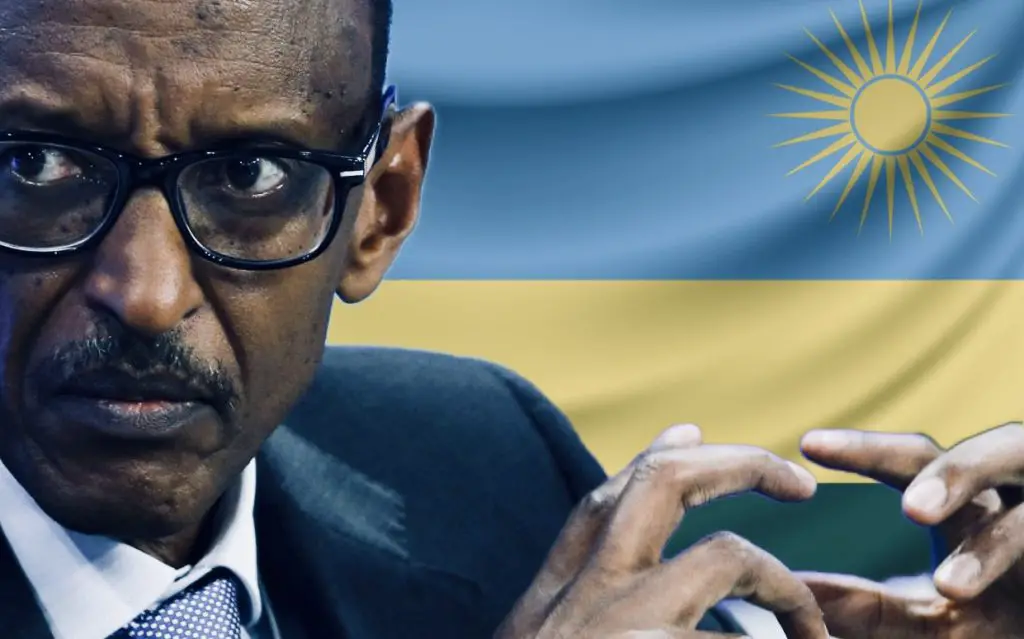
The International Monetary Fund projects that Rwanda will post 7 per cent growth in 2022 Rwanda weathered the Covid-19 pandemic to hit double-digit growth of 10.3 per cent for 2021 Rwanda’s life expectancy has risen from 49 in 2000 to 66.6 in 2017, while extreme poverty fell from 40 per cent to 16 per cent The economic growth in East Africa is expected to flourish with the admission of the DRC to the East African Community (EAC). This move increases the region’s bargaining power and has offered an alternative port of entry that will facilitate international trade. It has also…
In March 2022, while trying to clarify the power situation in Nigeria, TCN reiterated that out of 23 gas-powered stations with a combined capacity of more than 10,000 MW, at least 14 were either shut down or operated at reduced capacity. Two in three power stations have either halted operations or operating below par. It is projected that Nigerians privately generate up to 40,000 MW to address the grid deficit.
According to TCN spokeswoman Ndidi Mbah, the power companies attribute this trend to various factors, including scheduled and unscheduled maintenance, faults in generating units of generating companies, and poor gas supply. However, all these factors cause power generating companies to limit their generating capacities or halt generation altogether. However, the challenges appear to run deeper.
All Progressives Congress Party, after assuming office in 2015, alleged that many of the power companies had been sold by the former People’s Democratic Party government to political cronies that lacked the resources or capacity to run the business.
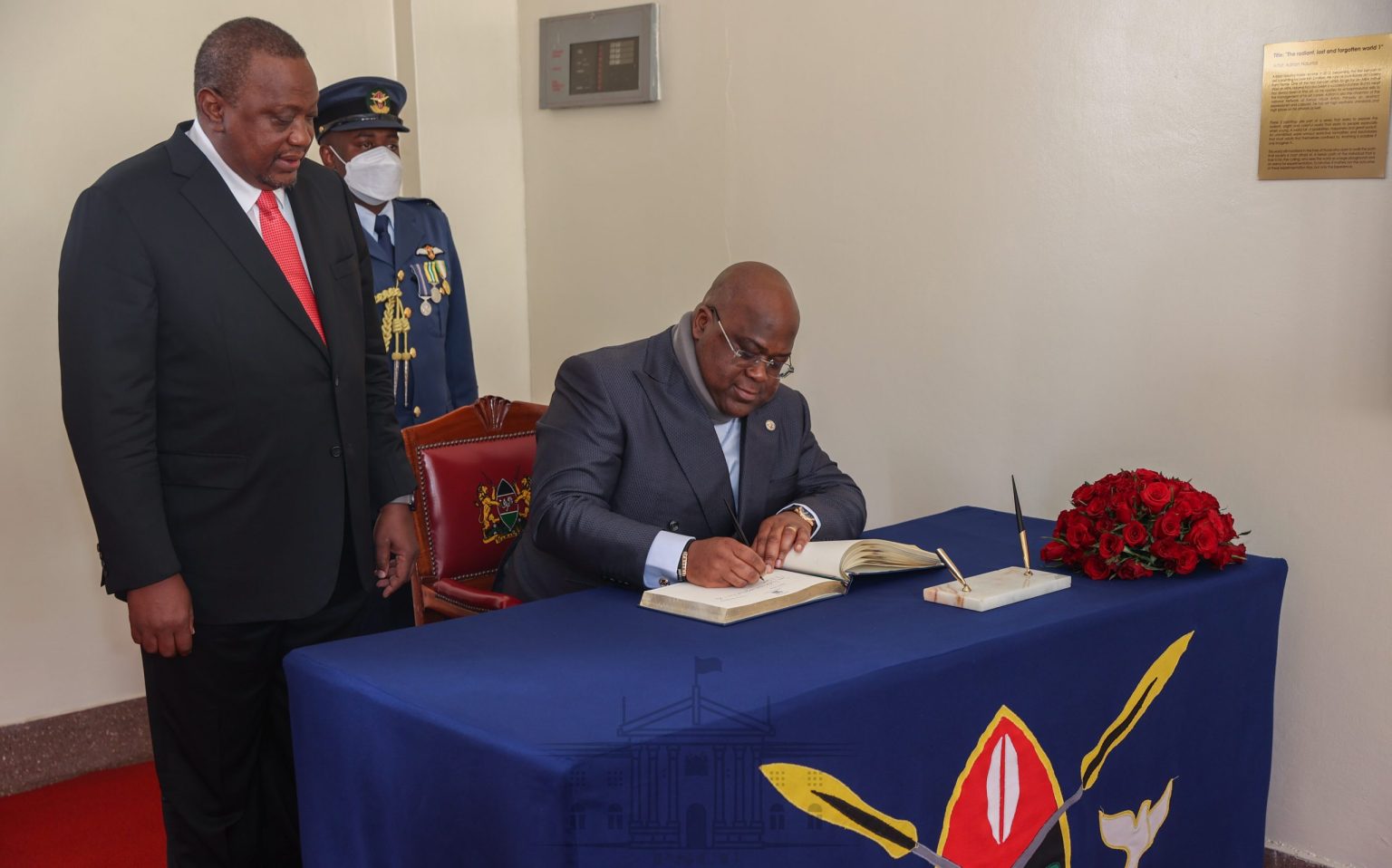
“Concerning the management of the mineral resources sector, the Partner States agree, among other things, to promote joint exploration, efficient exploitation and sustainable utilization of shared mineral resources,” the treaty reads in part. The World Bank notes that DRC’s natural resources are diverse and immense in its country report. The country has the world’s second-largest primary humid tropical rainforest endowment and carbon sink globally.
“However, forest loss rates have accelerated in recent years, and in 2020, the DRC lost 1.31 million ha of natural forest, equivalent to 854 million tonnes of CO₂ of emissions. This has had deleterious environmental impacts (including rainfall patterns, biodiversity, and climate change) and is threatening the livelihoods of the 35 million people who depend on forest resources,” World Bank says in the report.
World Bank’s collaborations in energy sector investments have been intended to rehabilitate transmission networks and hydropower plants, raise Inga’s electricity production by 632 MW and augment power supply to mines, but with limited investment in the distribution network segment. However, the civil war caused insecurity, seeing DRC struggle to maximize its resources, particularly mines.
A way to improve opportunities favoured by small and large scale cultivators would be freeing up the African markets for local consumption. Many Southern African countries legalize medical use, with none entirely permitting recreational use. Therefore, the legal environment in Africa remains one of the most restrictive in the world.
South Africa, however, may be an indication of things to come. Gabriel Theron, CEO of South African cultivator Cilo Cybin and founder of Africa’s first cannabis-focused particular purpose acquisition company, which is due to list on the JSE, says that there is a growing realization that an export-only model is doomed to failure. According to him, an export-only model is not sustainable.
There is a need to de-schedule the THC and CBD levels to open up the recreational market and thus the medicinal market. That also has implications for foreign investment. In the case of operations in Australia, Europe, and North America, openings in South Africa can only happen where there is a grasp of the local markets. African regulators should pursue a more agile regulatory system, flexible towards cannabis and other plant-based medicines. Recreational legalization would particularly unlock a substantial domestic market.