

Trending
- TotalEnergies commits $10 billion to Angola as fresh oil find comes on stream in three months
- In Africa, the conversations defining corporate reputation are going on in channels most CEOs cannot see
- Why economies in Africa must brace for a powerful El Niño
- Passpoint making cross-border payments feel local for African businesses
- Centum Investment’s James Mworia shoulders Kenya’s mega infrastructure funding bet
- Weather experts warn of the most powerful El Niño in decades as extreme weather hits Africa
- Africa Blockchain Festival ignites a new dawn for African innovation
- Africa’s gaming market set to quadruple to $4 billion, defying global slowdown


Author: Martin Mwita

Martin Mwita
Martin Mwita is a business reporter based in Kenya. He covers equities, capital markets, trade and the East African Cooperation markets.
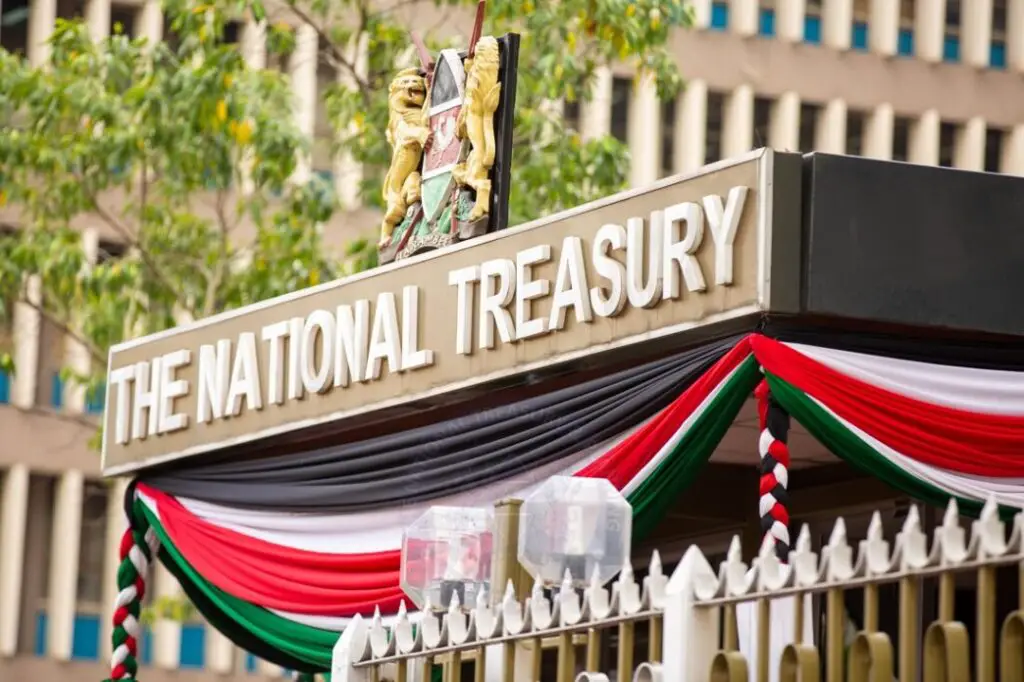
Kenyan manufacturers have raised concerns over several proposals in the Finance Bill 2023. The country looks forward to the next financial year’s budget that the treasury cabinet secretary will table in June. The country’s National Treasury has proposed several new tax measures. Under these measures, the public and private sectors will cough more taxes to fund the 2023/24 budget.
With tightening monetary policies globally, many African economies are struggling with falling forex reserves. Low reserves have sent governments back to the drawing board strategising on how to survive future trends while balancing trade. With this, leaders and policymakers in Africa are engaging in the de-dollarisation conversation. Kenya has sent a strong message to economies in Africa on the need to accelerate dedollarisation of cross-border trade, further amplifying the global conversation on reducing reliance on the US dollar as the main mode of payment. For over a decade, China and Russia have sought to drastically lower their usage of the…

About 84% of millennials and Gen Zs consume media at home. A majority (88%) of them use data bundles to access content online. About 44 percent spend over four hours a day on social media. This is more than triple the number of millennials and Gen Zs spending over four hours on radio (13%) and TV (12%). More than half (55%) are spending 6-9 hours a day online while a further 20 percent spending over 10 hours per day. A new survey has revealed a number of media usage behavioral traits that brands and companies keen on attracting millenials and…
Weaker currencies make the fight to tackle inflation harder given Africa’s dependence on imports. According to the IMF, the average depreciation for the region since January 2022 is about eight percent, but events vary by country. Ghana’s cedi and Sierra Leone’s leone depreciated by over 45 percent. An analysis by The Exchange Africa shows the Kenya shilling has shed about 18.4 per cent since May last year. Most African currencies have weakened against the US dollar, fanning inflationary pressures across the continent as import prices surge, IMF now says. This, together with a growth slowdown, leaves policymakers with difficult choices as they…

The Middle-East market is showing great potential as the period from January to March 2023 witnessed a 20 percent jump in arrivals. Building on this positive trajectory, Kenya aims to expand the Middle-East market by 30 percent by June 2024. Authorities are leveraging partnership with Kenya Airways, travel agents, and private sector players. Tourist numbers from the Middle East are registering an impressive pattern in Kenya, pointing to a key emerging source of holidaymakers, a trajectory that could drive arrival numbers, shoring up the country’s forex earnings. To drive international arrival numbers, the Kenya Tourism Board (KTB) is strategically positioning…
Kenya’s forex reserves dipped to $6.2 billion on May 19, an eight-year low, before a slight improvement to $6.4 billion on May 26. At $6.4 billion, Kenya’s reserves are just 3.60 months of import cover, which is below the Central Bank of Kenya’s desired target. What’s more, the reserves are below the East Africa Community preferred threshold of 4.5 months of import cover, hence exposing the country to high volatilities in the global market. A dip in export earnings, coupled with reducing diaspora inflows at a time of huge debt repayments have left Kenya grappling with low forex reserves, raising…
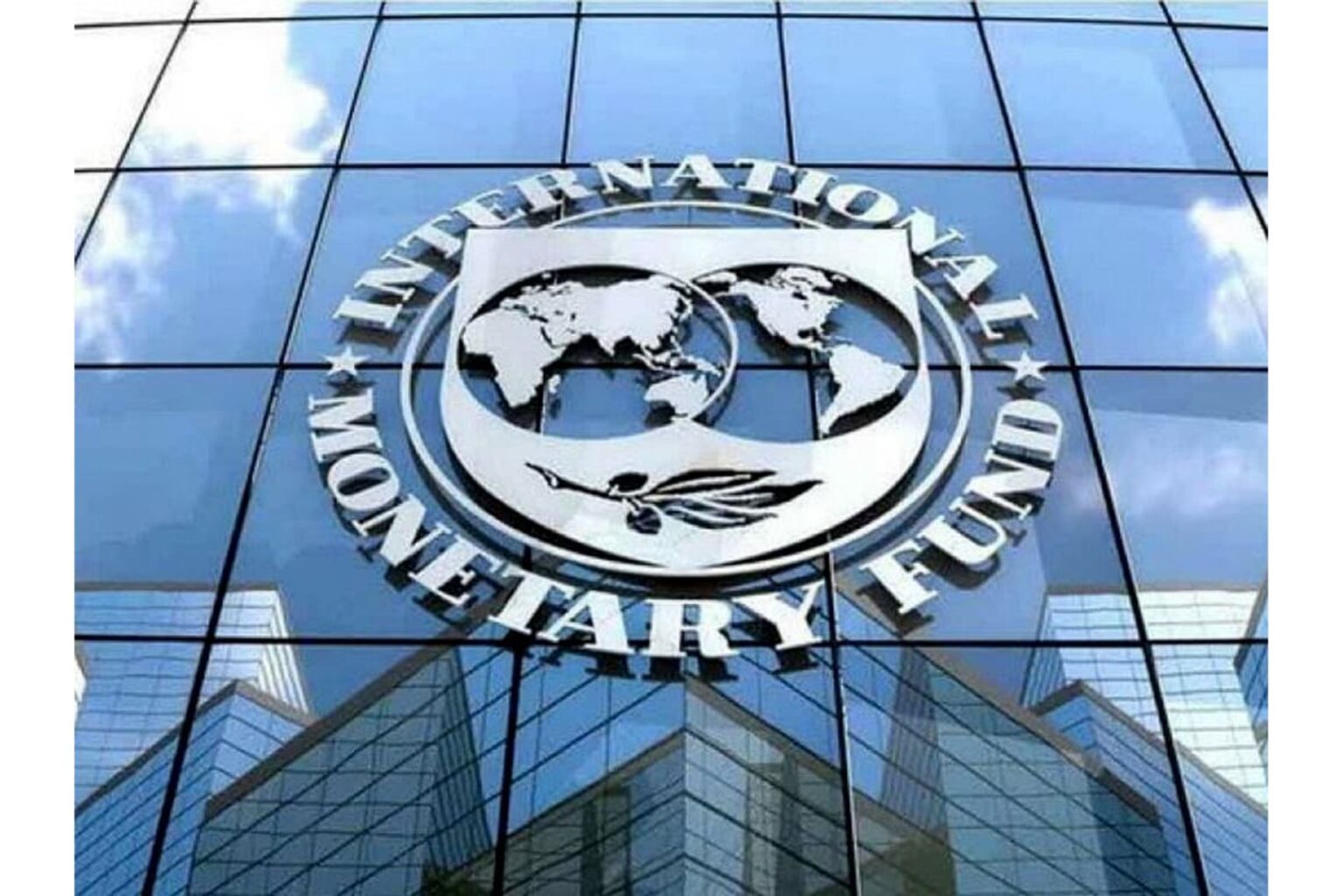
An IMF team was in Nairobi from May 9 – 22, 2023, for the fifth review of Kenya’s economic program. After engagements, Kenya secured a $544.3 million loan from the International Monetary Fund. The parties also agreed to extend the duration of the EFF/ECF arrangements by 10 months to April 2025. Kenya has secured about $544.3 million loan from the International Monetary Fund (IMF) representing 75 percent of the country’s quota. The deal follows staff-level agreement between IMF staff and the Kenyan authorities on economic policies and reforms. It marks conclusion of the fifth reviews of Kenya’s Extended Credit Facility…
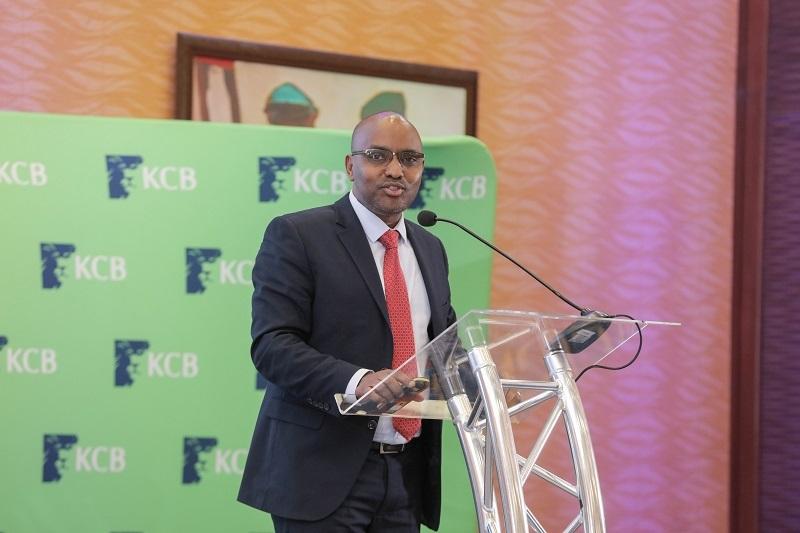
In the three months to March 2023, Group’s total assets rose by 39.8 percent to close at $11.8 billion buoyed by DRC subsidiary TMB. Revenue increased by 26.9 percent to $267.4 million mainly driven by the non-funded income from customer transactions across the Group. This is the Group’s newest subsidiary in the Democratic Republic of Congo. It demonstrated the range and diversified income streams across the group’s businesses, adequate to cover the elevated operating and funding costs. Regional lender KCB Group Plc posted $68.8 million in profit after tax for the first quarter 2023, a marginal drop attributable to acquisition…
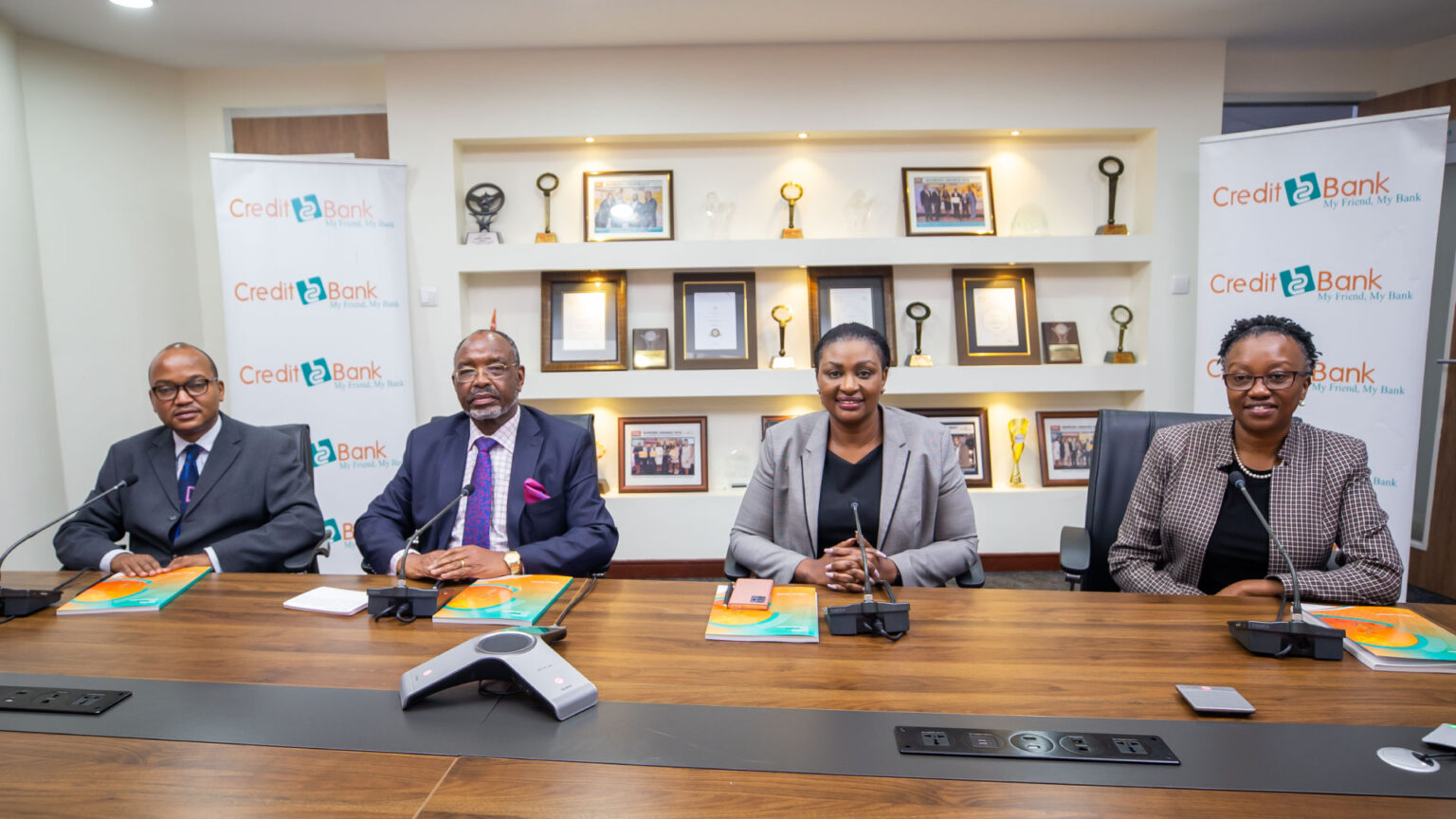
The acquisition by Shorecap III, LP of 20 percent shareholding in Credit Bank has been approved by Central Bank of Kenya. Credit Bank was licensed by CBK as a non-banking financial institution in 1986 under the name Credit Kenya Limited. It converted to a fully-fledged commercial bank in 1995. Credit Bank specializes in provision of banking services to small corporates and Micro, Small and Medium-sized Enterprises (MSMEs). It has a market share of 0.5 percent as at March this year. Mauritian private equity fund Shorecap III, LP has received the nod to acquire a 20 percent stake in Kenyan tier…
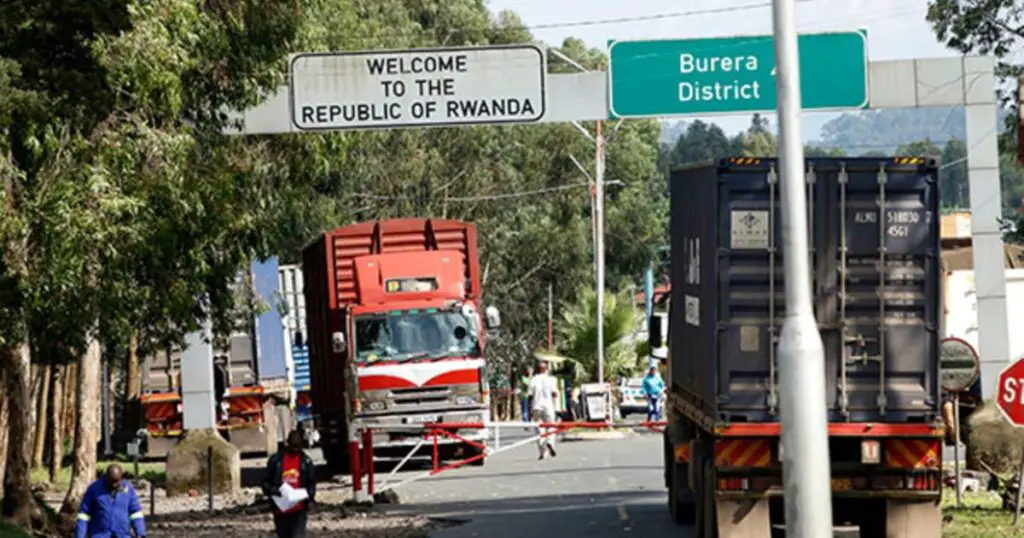
Standard Bank has developed the Africa Trade Barometer, a tool that blends qualitative and quantitative data across African markets. The Africa Trade Barometer is instrumental in solving access to information, a significant non-tariff barrier in Africa. It provides a near real-time view of trade openness, access to finance, and macroeconomic stability data among others. Standard Bank, the biggest lender by assets across Africa, has thrown its weight behind the African Continental Free Trade Area (AfCFTA) saying it is a key opportunity to alleviate poverty, drive economic activity and achieve prosperity. By eliminating trade barriers, AfCFTA aims to lift about 30…