

Trending
- TotalEnergies commits $10 billion to Angola as fresh oil find comes on stream in three months
- In Africa, the conversations defining corporate reputation are going on in channels most CEOs cannot see
- Why economies in Africa must brace for a powerful El Niño
- Passpoint making cross-border payments feel local for African businesses
- Centum Investment’s James Mworia shoulders Kenya’s mega infrastructure funding bet
- Weather experts warn of the most powerful El Niño in decades as extreme weather hits Africa
- Africa Blockchain Festival ignites a new dawn for African innovation
- Africa’s gaming market set to quadruple to $4 billion, defying global slowdown


Author: Martin Mwita

Martin Mwita
Martin Mwita is a business reporter based in Kenya. He covers equities, capital markets, trade and the East African Cooperation markets.
Kenya’s Nairobi Securities Exchange posted drop in capitalization in April due to investor flight. Other poorly performing bourses were Uganda, Mauritius, Namibia, Morocco, Tanzania, Rwanda and Tunisia. Zambia, South Africa, Ghana and Egypt remained positive railing Zimbabwe and Malawi. Zimbabwe has maintained the lead in the African equity markets returns by recording the highest gains at 112.33 percent year-to-date, the latest data shows. In the period under review, Malawi recorded the highest month-on-month value of 10.96 percent. At the same time Kenya posted the highest drops both on year-to-date and month-on-month, Nairobi Securities Exchange (NSE) monthly barometer indicates, which stood…
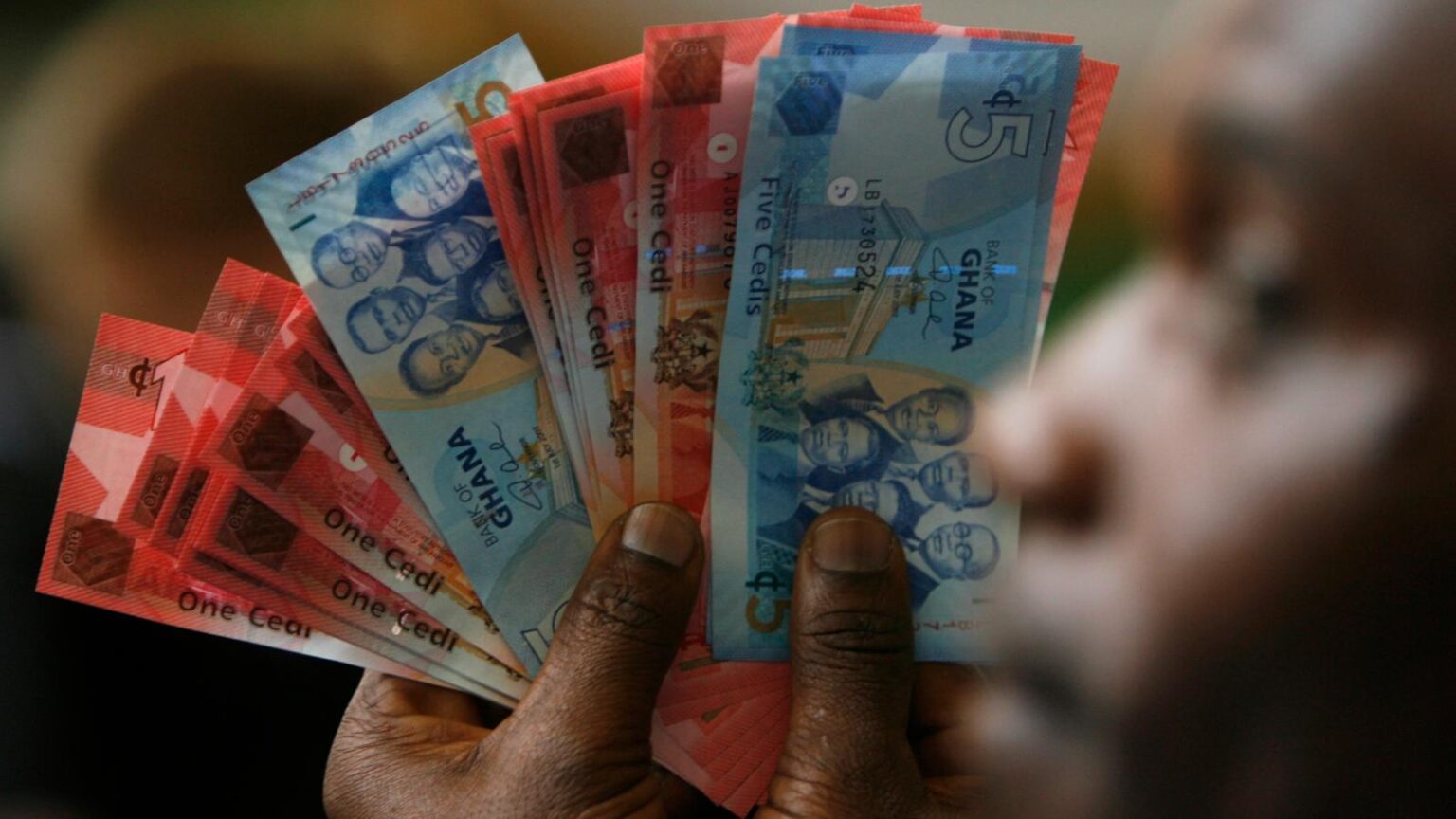
Ghana, a top gold and cocoa exporter rich in oil and gas deposits, is struggling with a $55 billion debt burden. About 70 percent to 100 percent of the government revenue currently goes toward servicing the country’s debt. It is estimated that Ghana’s debt-to-GDP will reach 98.7 percent by the end of 2023. Crisis-saddled Ghana is seeing about $15 billion in external debt relief by 2026, the International Monetary Fund has said even as the country pursues debt restructuring plan with investors. In December 2022, Ghana suspended payments on most of its foreign debts effectively defaulting as policymakers started restructuring…
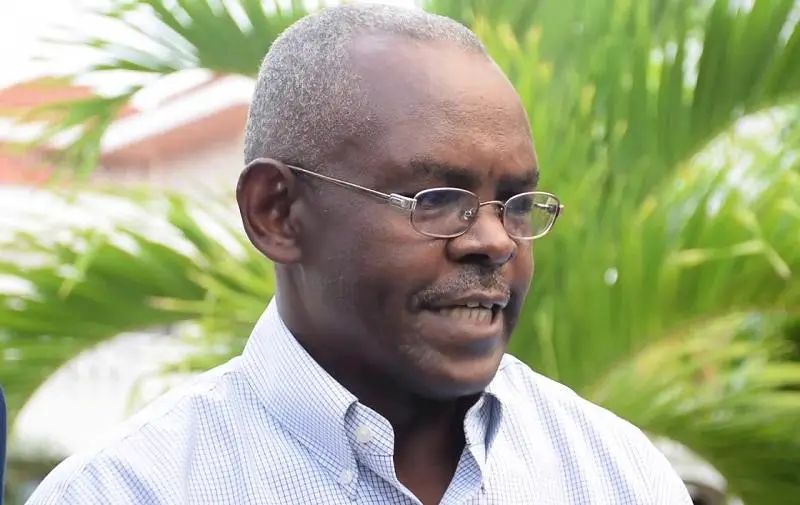
Dr Kamau Thugge, who is President Ruto’s advisor on fiscal affairs, is set to take over from Dr Patrick Njoroge. Previously, Dr Thugge served as the Permanent Secretary at Kenya’s National Treasury between 2013 and 2019. Prior to his nomination as Principal Secretary, he worked as a senior economic adviser in the Ministry of Finance since 2010. President William Ruto has nominated former IMF economist Dr Kamau Thugge for appointment to head the Central Bank of Kenya. Dr Ruto picked Dr Thugge out of a list of six candidates who were interviewed on May 9th for the job that helps define…
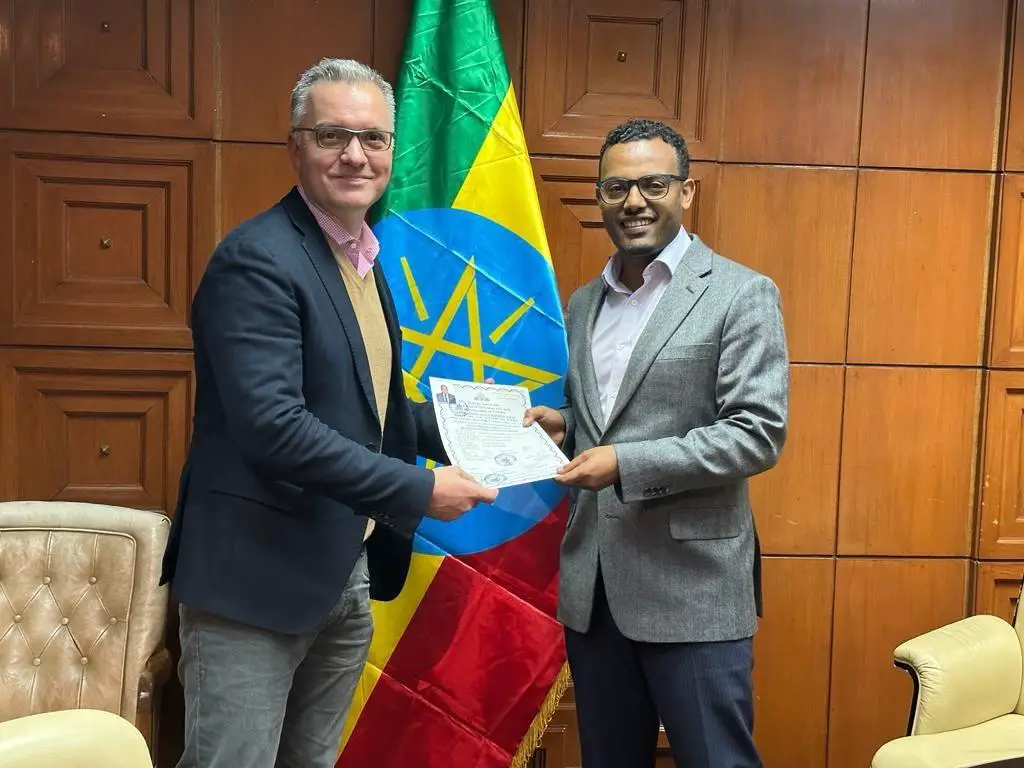
Safaricom targets a customer base of at least 10 million across 25 cities in the next year. Since Safaricom Ethiopia switched on its mobile telecommunications network, it has grown coverage from an initial 11 to 22 cities. Safaricom Ethiopia is building a wholly-owned mobile network and also has infrastructure sharing deal with state-owned Ethio Telecom. Safaricom is now targeting a customer base of at least 10 million in Ethiopia in the next one year. The move is tailored to shake up the country’s telecommunication industry. (nelsongreerpainting) Latest developments follows huge investments in the country, with cash transfer service M-PESA now…
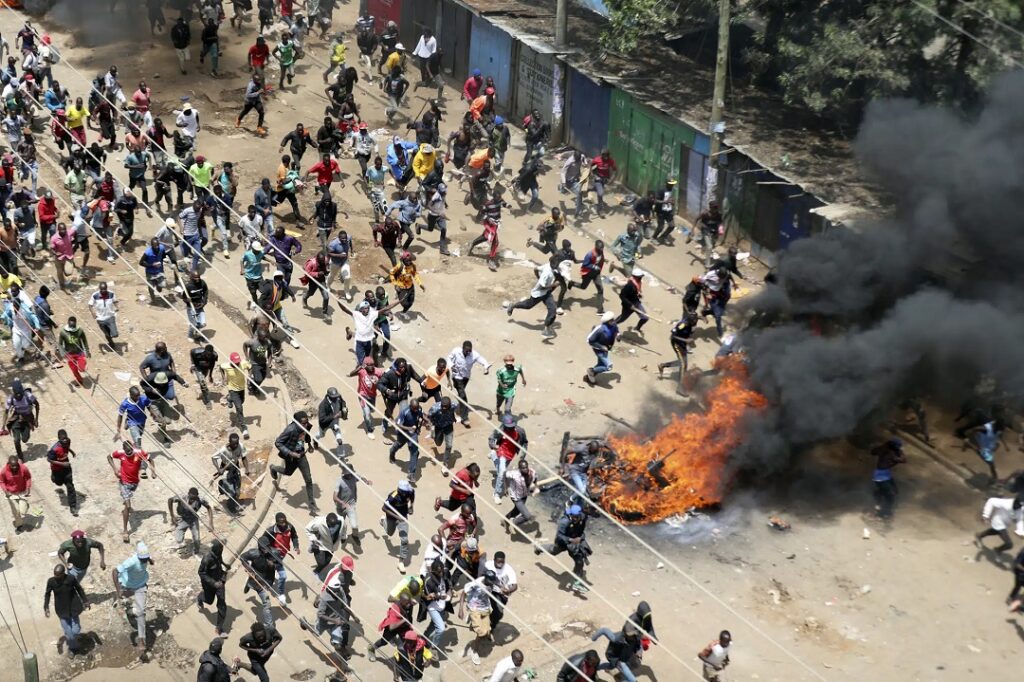
High inflation due to rising fuel and food costs hurt business confidence in April. Stanbic Bank’s Purchasing Manager Index (PMI) shows output and new orders declined sharply. Downturn was led by manufacturing and services, contrasting with expansions in agriculture, construction, wholesale and retail. Kenya’s business confidence dipped to the lowest levels on record in April, the latest PMI survey shows. During the period, high inflation and political unrest led to a sharp fall in customer demand ruffling business confidence. Activity levels and input purchases also fell sharply, but employment numbers continued to rise, the Purchasing Managers’ Index indicates. On a…
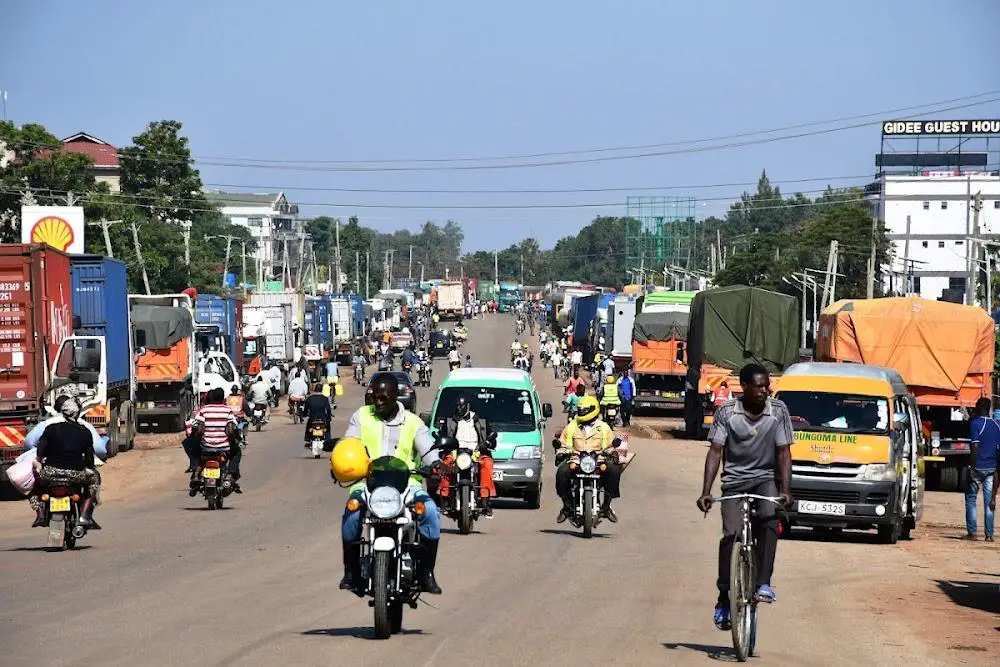
Kenya’s President William Ruto says the free movement was necessary for sustainable growth in the Horn of Africa. Dr Ruto calls on member states in the region to eliminate national boundaries that are chocking growth. EAC Secretary General Peter Mathuki notes EAC can address challenges in advancing movement of goods and labour. Barriers to free movement of goods and people are chocking East Africa’s regional integration. To unlock the bloc’s trade potential, Kenya’s President William Ruto is calling in the East African Community (EAC) and the Intergovernmental Authority on Development (IGAD) to remove barriers to free movement. Dr Ruto urges…
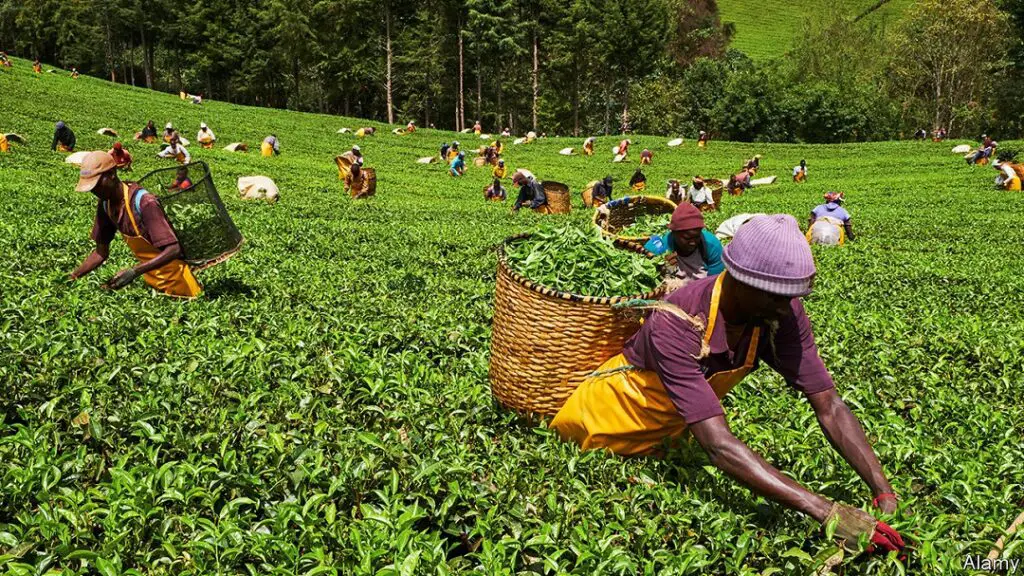
Across the East Africa region, Rwanda posted the strongest performance. Uganda’s economy grew by 4.4 percent in 2022 compared to a 6.7 percent uptick in 2021. Tanzania’s real GDP expanded by 4.5 percent in 2022 compared to 4.9 percent growth in 2021. Kenya’s economy recorded a slower growth of 4.8 percent last year as agriculture slumped due to severe drought. In 2021, Kenya posted 7.6 percent growth as the country emerged from Covid-19 induced economic fallout. Latest data from the Kenya National Bureau of Statistics show that East Africa’s economic powerhouse growth outpaced its neighbours. Kenya saw its nominal GDP…
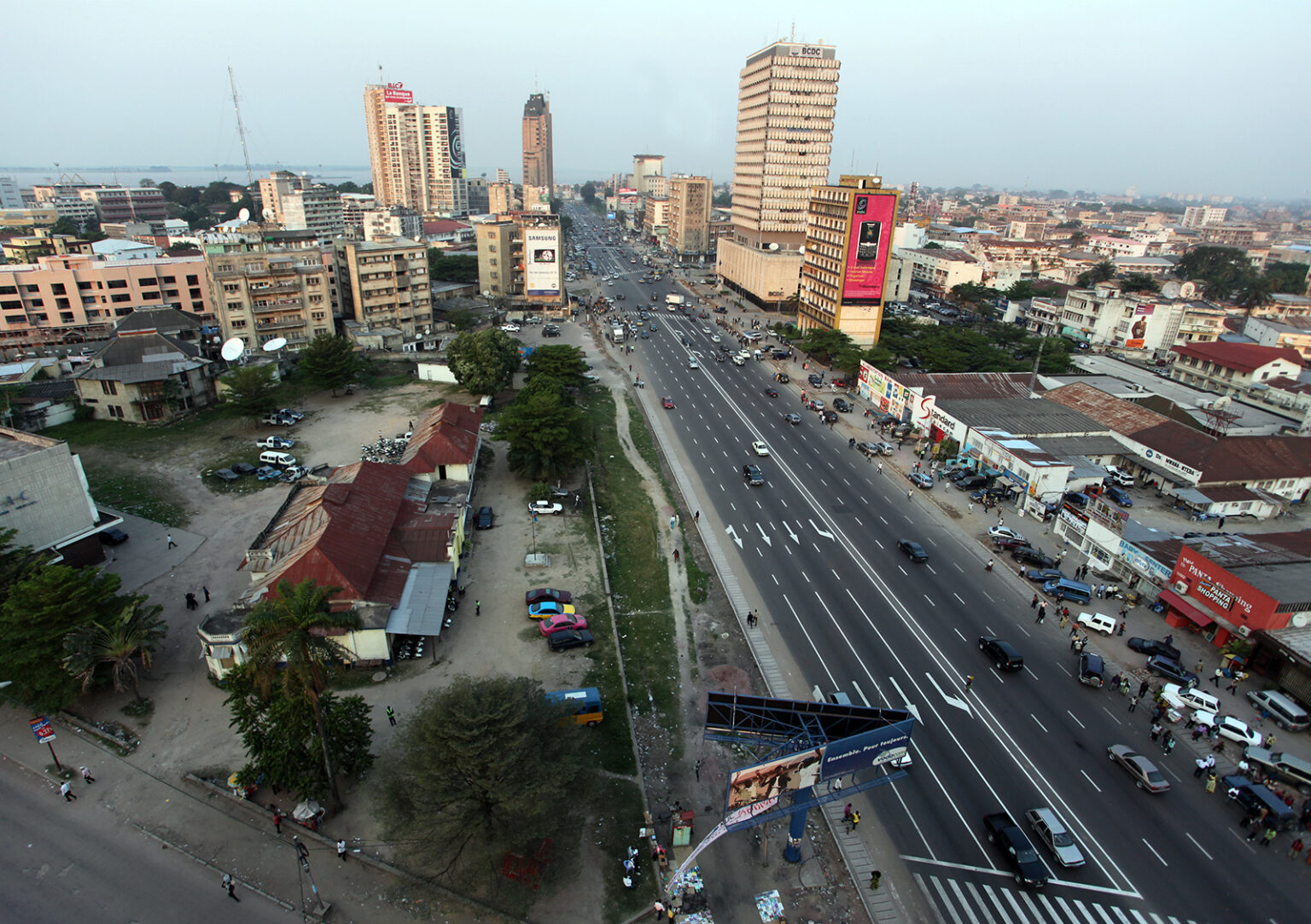
DRC’s economy is rising with real GDP growth at 8.9 percent in 2022 and projected to 6.8 percent in 2023. Macroeconomic imbalances have, however, emerged piling inflationary pressures. The roiling conflict in the East and upcoming elections complicate macroeconomic management. The International Monetary Fund (IMF) has outlined a number of tough measures for war-tone DRC as it seeks $200 million financing. The funds are part of the country’s Special Drawing Rights (SDR), the supplementary forex reserves maintained by the IMF. They are units of account for the IMF, and not a currency per se. What’s more, they represent a claim…
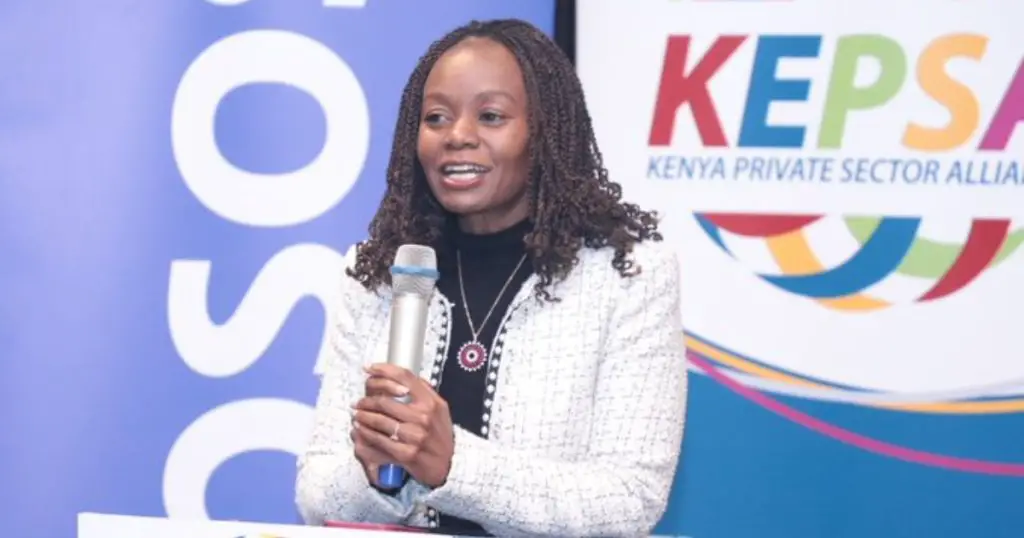
KEPSA, Kenya’s private sector lobby, tables economic manifesto to spur jobs and wealth creation. The proposal seeks to deepen social transformation, bridge inequalities and enhance governance. The lobby group is also keen on investing in cutting-edge innovation and competitive human capital capabilities. Kenya’s private sector plans to channel investments equivalent to 32 percent of the GDP each year, into key productive industries. The plan, which will be implemented in the next five years targets agribusiness, manufacturing, energy, financial services and infrastructure development. According to the Kenya Private Sector Alliance (KEPSA) Chairperson Flora Mutahi, the initiative will spur business growth and create…

20 investments in manufacturing, ICT, energy, health and agri-business have been signed in past two months. Latest Kenya-US trade ties place the East African country at a pole position on attracting more American dollars. Since President William Ruto took office in September 2022, Kenya-US engagements have been on a full throttle. Deepening Kenya-US trade ties have started to pay dividends as American firms move to invest in East Africa’s largest economy. With modern infrastructure, and skilled labour force, Kenya offers one of the best opportunities for US investors eyeing the region. Currently, Kenya is the second most preferred destination by…