Trending
- In Kenya’s Mrima Hill, a test case for Trump’s Africa critical minerals strategy unfolds
- Africa’s tourism boom may begin in churches, not in the vast game reserves
- De Beers’ shutdown triggers ripples across South Africa’s diamond mining belt
- Nigeria’s oil output soars to heights not seen since 2020. Here’s what’s changing behind the numbers
- Kenya’s construction costs surge at fastest pace in four years as fuel price shock hits
- African trade is growing despite the obstacles
- Why global capital is betting big on Africa’s digital promise
- Kenya posts stronger-than-expected Q1 growth at 5.3% on manufacturing rebound, tourism boom


Author: Opinion

Opinion
Opinions by contributors are views of respected thought leaders in the respective industries they operate in. The Exchange is a close partner with each of the various opinion contributors.
From cement to food and beverages to metal production and processing, manufacturing organisations are looking for sustainable energy solutions to help them refine their costs and efficiencies so they can better compete on the local and global stages. Energy provision is now being pulled from mini-grid installations, solar plants, gas plants, wind energy, and rental. The latter becoming increasingly popular as organisations recognise the value of a trusted third-party service provider over having to manage, maintain and install their energy solutions on their own.
Using a supplier that provides the right technologies to remote, rural and high-demand environments allows for the organisation to enhance power production while minimising the administration and cost impact. Leveraging energy-efficient, environmentally friendly and sustainable systems that bypass reliance on diesel and instead introduce hybrid offerings that combine gas, LNG, solar, and diesel means that companies can build stable and reliable energy platforms that not only reduce costs but also risks.
Aggreko has a proven track record in providing manufacturing and mining organisations with trusted energy resilient solutions. The company collaborated with a car manufacturing plant in South Africa that was expanding its paint shop and required additional temperature control for paint cooling, particularly during the hot summer months. The complexity added by an automatically controlled bypass caused flow issues with the cooling equipment and the right level of cooling was required to enable them to make use of the expansion to increase production.
To meet its growing energy needs and increase electricity access across the population, Mozambique must build 1.3GW of new power capacity over the next decade. A further 2GW would be needed to support the planned development of the Beluluane Industrial Park in Maputo province. The challenge facing policymakers today is to identify and develop an optimal energy mix at the lowest total cost to service this growing demand. A recent study carried out by Wärtsilä shows that investing in a combination of renewables and gas would save US$2 billion and 25 million tonnes of CO2 by 2032 compared to adding…
TaRL is a unique intervention for accelerated learning that supports children who would have otherwise been left behind to learn and thrive. Pioneered by Pratham, an Indian NGO, the approach that has now been piloted in several African countries, including Nigeria, Côte d’Ivoire, and Zambia, has revealed that learning outcomes improved with three months of accelerated learning focused on foundational skills through the support of TaRL Africa.
TaRL evaluates children using a simple assessment tool and then groups them according to learning level rather than age or grade. Each group is taught using appropriate fun/play activities and materials, starting from what the child already knows. In Nigeria, for instance, the percentage of children who could read a simple English word increased by 30 percentage points after only 114 hours (on average) of participating in a TaRL pilot.
Schools can ensure that children are never too far behind by targeting teaching to what learners already know. TaRL has provided evidence that by relieving the constraint of poorly targeted instruction, children’s learning can improve significantly.
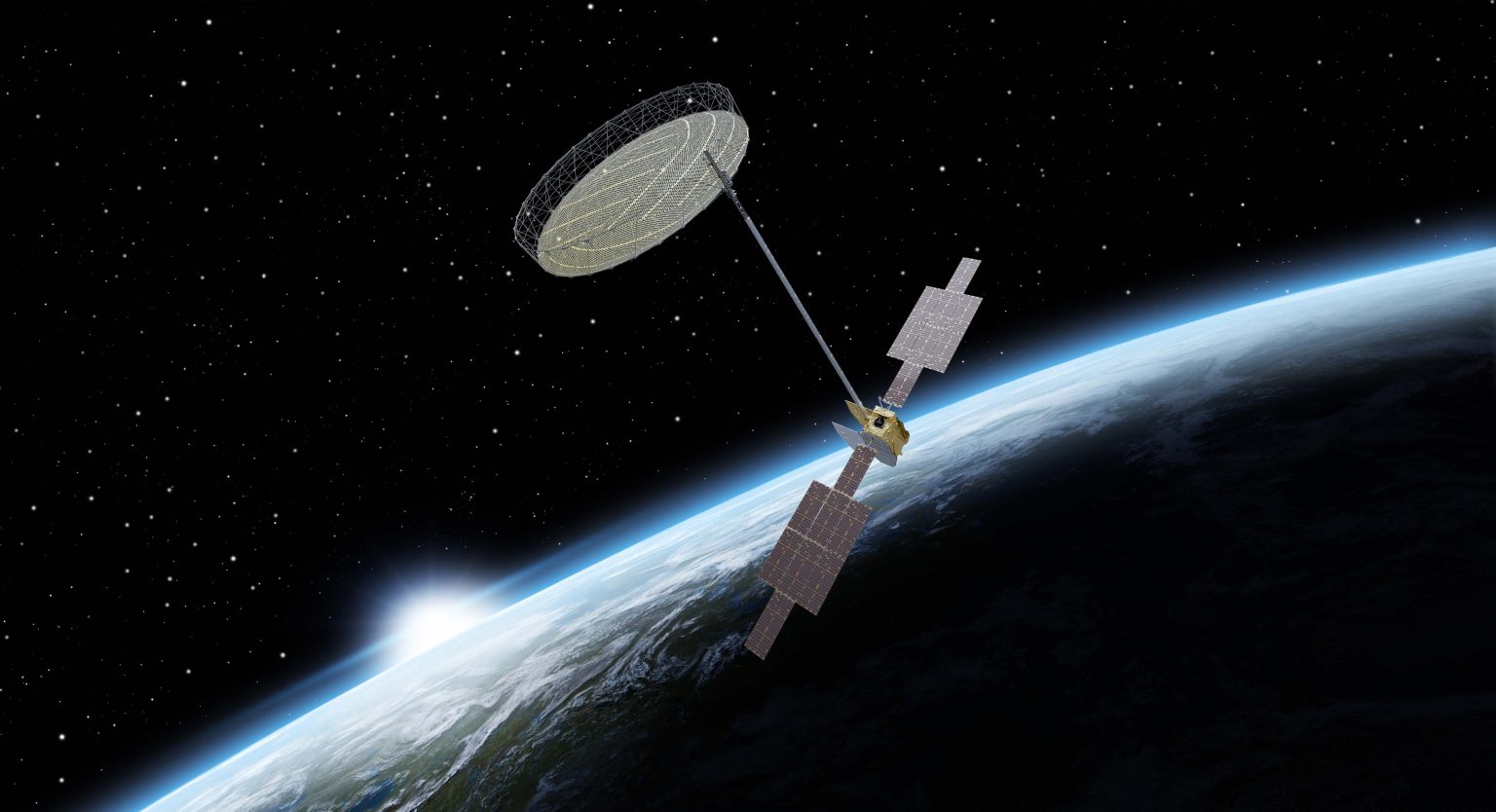
Reliable and affordable telecom services have never been more vital to our national economic and social resilience. That is why, across Africa and throughout the globe, national leaders and policymakers are prioritising the preservation of satellite broadband access – and why South Africa needs to keep pace with the rest of the world on this critical issue. The technical details are relatively simple: the most widely useful and applicable satellite services are provided using the Ka-band, also known more widely as the “28 GHz band”. What kind of useful services? Reducing “digital deserts” by bringing broadband internet connectivity to unserved…
These foreign exchange controls and restrictions will pose challenges for international businesses and foreign investors in Tanzania.
When introducing approvals and making them necessary for just about every kind of transaction, foreign exchange restrictions add a level of complexity to investors’ business model and implementation strategy.
The Tanzania Foreign Exchange Regulations require authorisations and justifications for several areas including exporting, importing or simply where a non-resident is directly investing in Tanzania.
While there could be a problem with income being paid outside of Tanzania for activities that are taking place in Tanzania, putting foreign exchange controls rarely constitutes the answer to encourage investors to keep their funds in the country.
For this reason, the WHO is working tirelessly to stop tobacco use, while also working to make nicotine replacements available to smokers who want to quit.
In Kenya, by contrast, the anti-tobacco lobby has fused tobacco and nicotine into one and decries any voice seeking tobacco harm reduction or reduced smoking as a paid party.
Thus, nicotine pouches are being produced in Kenya that are selling across Africa and globally, but, in Kenya itself, they are banned.
Mapping “Adaptech”: introducing a multi-dimensional map of over 70 digital technologies for climate adaptation Climate change adaptation has been a significantly underfunded area in low-income countries. At the United Nations Climate Summit in Copenhagen 2009, high-income countries made a pledge to provide US$100 billion per year to low-income countries to help them adapt to climate change and mitigate further rises in temperature. To date this amount of investment has not yet been reached in a single year. Among the investments that have been made, less than 30% have been applied to climate change adaptation with the majority of investments applied…
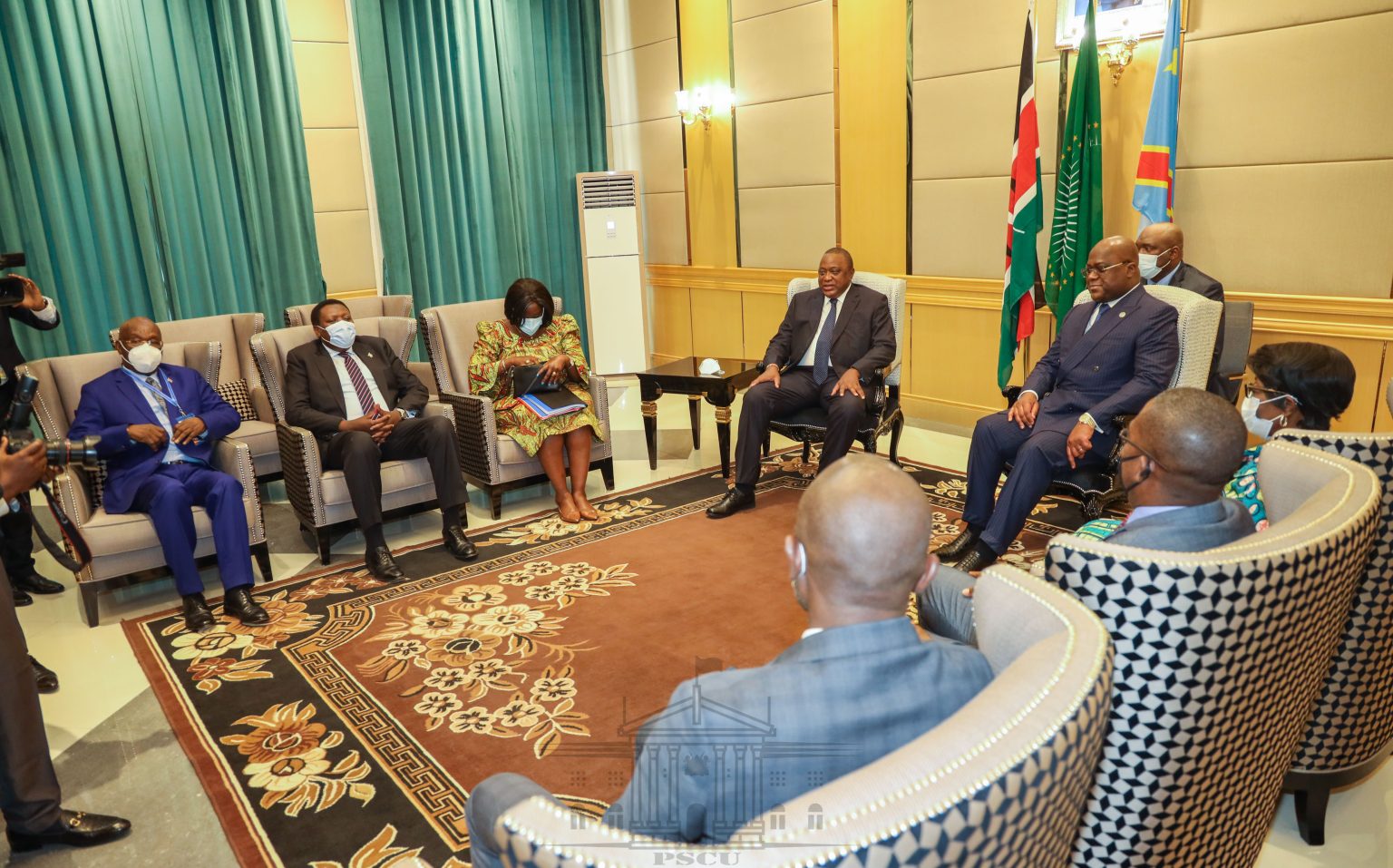
It is obvious that the DRC’s desire to become a member of the EAC is to tap into the benefits of regional trade, i.e. an expanded market of 300 million people, and to increase Foreign Direct Investment (FDI) through its membership in the EAC bloc. DRC’s capital market remains underdeveloped and consists mainly of the issuance of treasury bonds.
There is no stock exchange in the country and only a small number of private equity firms are actively investing in the mining industry. There are hardly any institutional investors in the DRC except for an insurance company and a state pension fund. The Central Bank of Congo (BCC), developed a market for short-term bonds, which are bought and held by local Congolese banks.
The absence of a domestic debt market has meant that the fixed-rate market is limited to government-issued treasury bonds with maturities of up to 28 days traded through commercial banks.
CBDC is a digital currency issued by the central bank and intended to serve as legal tender while Crypto is a privately issued digital asset based on a network that is distributed across a large number of computers.
The fundamental difference between CBDC and Crypto is the former is asset-backed while the latter is not, so seeks to create value through some intrinsic mechanism like mining. One primary drawback is that the speculative nature of mining makes it considerably volatile.
This has given rise to “stable coins” which are crypto assets that aim to maintain a stable value relative to a specified asset, or a pool of assets. A Global Stable Coin (GSC) is a stable coin with potential reach and adoption across multiple jurisdictions and could achieve substantial volume down the line.
On a spiritual level, the fracturing of the relationship between the people and the land as urbanisation kicked in with a vengeance is causing lasting and severe damage to the environment and the population’s food security.
The curious thing to a British observer is that nearly all of the people of my age (more than 50 years!) whom I know and who are at the top of their professions in finance, government, trade, hospitality or retail are also…..farmers.
In fact, I know hardly anyone who came to the big city seeking an escape from rural ways who is not now farming in the village or on the outskirts of their city. Many times I see them a good deal more excited about their crops than they are about their balance sheets.