

Trending
- In Kenya’s Mrima Hill, a test case for Trump’s Africa critical minerals strategy unfolds
- Africa’s tourism boom may begin in churches, not in the vast game reserves
- De Beers’ shutdown triggers ripples across South Africa’s diamond mining belt
- Nigeria’s oil output soars to heights not seen since 2020. Here’s what’s changing behind the numbers
- Kenya’s construction costs surge at fastest pace in four years as fuel price shock hits
- African trade is growing despite the obstacles
- Why global capital is betting big on Africa’s digital promise
- Kenya posts stronger-than-expected Q1 growth at 5.3% on manufacturing rebound, tourism boom


Author: Opinion

Opinion
Opinions by contributors are views of respected thought leaders in the respective industries they operate in. The Exchange is a close partner with each of the various opinion contributors.
Risk asset prices rebounded globally with the benchmark MSCI (Morgan Stanley Composite Index) World trimming first quarter losses to -6.6% at the end of the first half of the year. The steady state in the global financial markets has been anchored on the accommodative policies in the developed economies and easing of containment measures in some pockets across the globe. Some equity markets such as in the emerging world have recouped back the first quarter losses while frontier markets are trailing 18.1% from the start of the year levels. US Dow Jones Industrial Average benchmark that tracks the 30 largest…
In this column called “The Indicator,” we will be taking an economic or financial statistic from East Africa and breaking it down into bite-sized nuggets of knowledge for investors. This month’s indicator figure is 816. 816 of what? There are a total 816 innovation professionals in East African Community (EAC) countries as identified by inclusion of the word “innovation” in their current public job description according to a series of searches using the popular professional social networking site, LinkedIn. This Indicator figure certainly does not incorporate all people involved in innovation, but seeks to use this metric as a rubric…
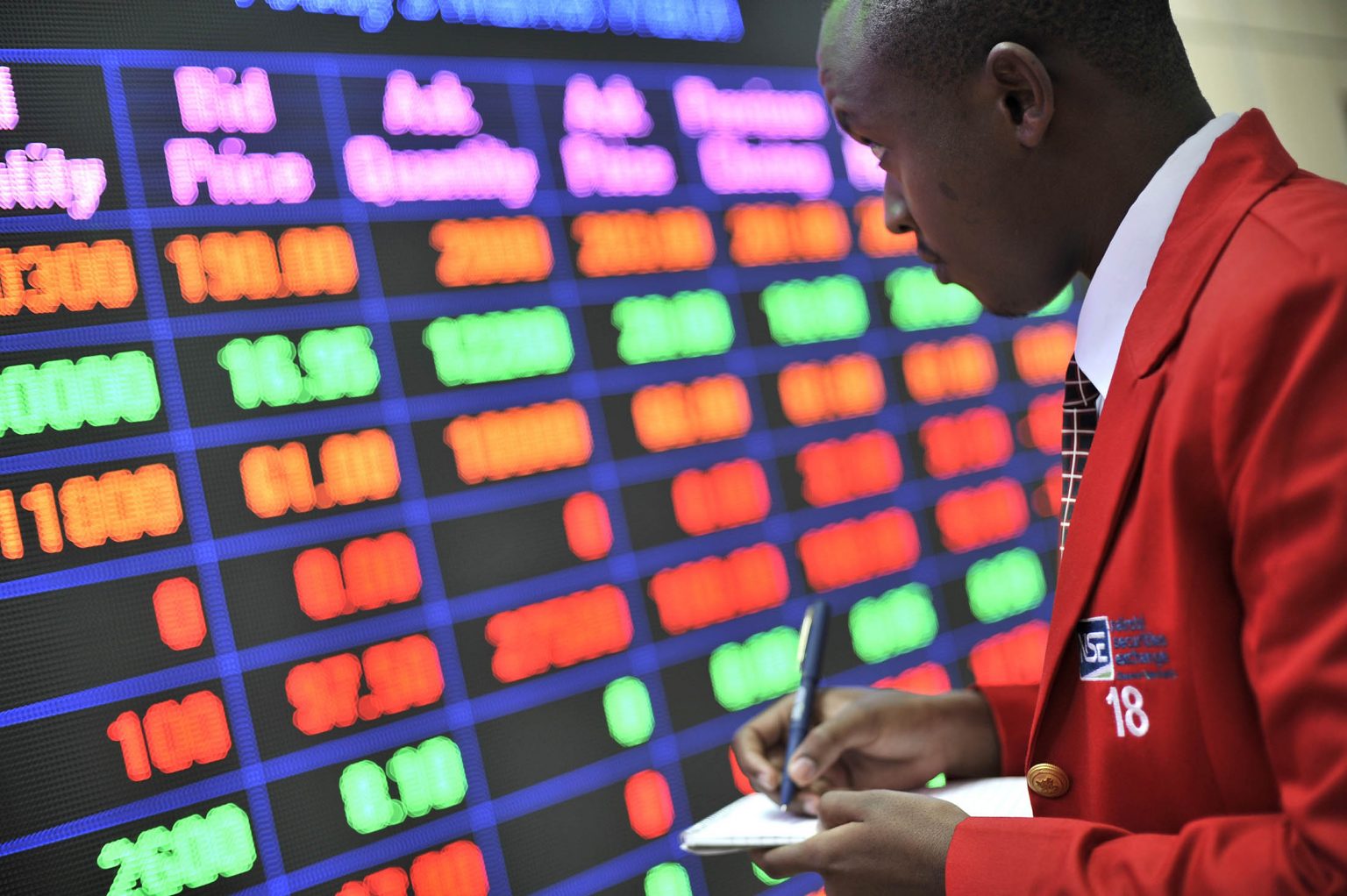
Liquidity in the stock market can simply be defined as the ability of a market to absorb large trade volumes with minimal effect on price movement. The more liquid a market is the lower the costs of transactions, the faster new entrants experience price discovery and also serves as a big attraction for foreign investors. However, there are various challenges observed in frontier and emerging markets with low liquidity levels. Among them include limited free-float, poorly diversified investor profiles and large portions of long-term investors. Moreover, limited awareness of the market by potential domestic investors and complex market access models…
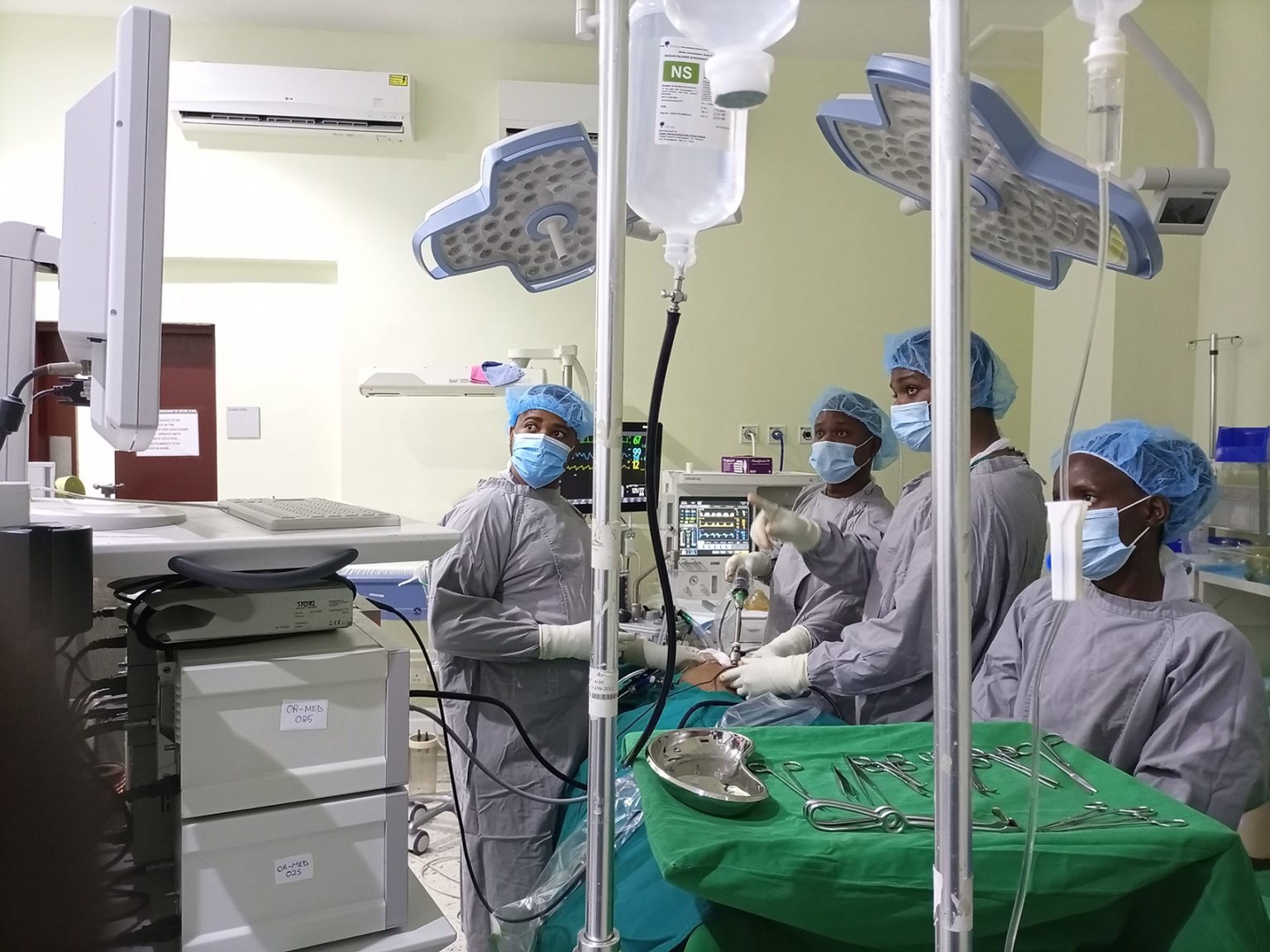
With more than 11 million confirmed cases and over 530,000 deaths globally, the COVID-19 pandemic continues to have a devastating impact around the world. While many countries continue to grapple with the ongoing surge of new cases, the pandemic has offered the opportunity to reflect on the current achievements and challenges of our healthcare systems. For one, the novel coronavirus has created an unprecedented disruption for healthcare systems, which have had to balance between maintaining ongoing operations, scaling-up infectious disease programmes, supporting healthcare workers, and managing financial stress while supporting their communities. At an institutional level, the pandemic has forced…
An understandable response to the economic fallout of Covid-19 is for governments, industries and businesses trying to predict the path that the global economy will take in the coming months and years. However, given that this is a challenging exercise at best, it is probably a better investment of valuable time and effort to ponder the many lessons – some very hard to swallow – that the pandemic has taught us, and integrate them into our future business and investment plans and strategies, so that we are more prepared for what the future brings, irrespective of what that is. For…

On the 10th of July 2020, Helios Holdings Limited announced a merger with Fairfax Africa Holdings Corporation to form Helios Fairfax Partners Corporation – a pan Africa focused alternative investment manager.[1] On the same day, Eversend, an African fintech startup also announced over a $1M raise through crowdfunding.[2] Prior to that Helios announced a $100M investment from the Commonwealth Development Corporation (CDC) into their fund IV.[3] On the 1st of July 2020, our portfolio company, www.hotelonline.co announced the acquisition of two travel tech companies.[4] On 30th June 2020, www.msfafrica.com announced the acquisition of fellow fintech Beyonic based in Tanzania.[5] On…

Rarely does any so-called “world leader” impress me. Some of them probably mean well in that superior, “I know better than you do what’s good for you” kind of way. But in the big scheme of things, they are all elected for very short periods of time in office. Australian Prime Ministers get only three years at a time. US Presidents get four, maximum eight years. In my view, that means they have little or no realistic chance to effect meaningful change for the good and leave their mark, unless they attempt something radical and reckless in the short term,…

In the past years, more research has been conducted about the alternatives of our current linear economy that is focused on ‘take-make-dispose’. A circular economy is an alternative model, that enables green growth and green industrialization by closing the loop of resources and by developing regenerative and circular systems. As stressed by Chatman House1, the circular economy has been mostly seen as a rich-country agenda. However, the circular economy has enormous potential for lower and middle-income countries. Here are four reasons why circular economy supporters should focus on the (East) African region to unlock the potentials of the circular economy…
The Republic of South Sudan’s path to economic recovery has not been an easy one, however, the country’s 2017 decision to join the African Trade Insurance Agency (ATI) has been a positive step in the right direction. ATI, a multilateral provider of investment and trade credit insurance, offers insurance against political and commercial risks, by attracting foreign direct investments into the region. In just a few short years, ATI’s support for the country is valued at over US$500 million. Albert Rweyemamu, a Senior Underwriter at ATI, shed some light on the organisation’s work with South Sudan, which has largely focused…
Coronavirus has brought enormous setbacks, suffering, and forecasts of a global depression ahead following the closure of so many economies for so long. However, if there has been one area where it has exposed our global fragility, that area has been food. Certainly, the curfews, lockdowns and workplace closures delivered an uptick in power cuts, but there is no great clamour about our energy infrastructure now being under threat of failure. Likewise, with water, it remains far from accessible to all, but it has not been plundered by this year’s pandemic. Shelter could take a hit on joblessness and unpaid rents.…