

Trending
- In Kenya’s Mrima Hill, a test case for Trump’s Africa critical minerals strategy unfolds
- Africa’s tourism boom may begin in churches, not in the vast game reserves
- De Beers’ shutdown triggers ripples across South Africa’s diamond mining belt
- Nigeria’s oil output soars to heights not seen since 2020. Here’s what’s changing behind the numbers
- Kenya’s construction costs surge at fastest pace in four years as fuel price shock hits
- African trade is growing despite the obstacles
- Why global capital is betting big on Africa’s digital promise
- Kenya posts stronger-than-expected Q1 growth at 5.3% on manufacturing rebound, tourism boom


Author: Opinion

Opinion
Opinions by contributors are views of respected thought leaders in the respective industries they operate in. The Exchange is a close partner with each of the various opinion contributors.
Of recent times, microfinance has demonstrably become the most coveted solution to building a robust and efficient national economy that is inclusive of the low-income segment in both urban and rural areas. The historically nascent level of microfinance services in Tanzania has prompted various non-government organization (domestic and foreign) and financial institutions to take up active roles in providing this service. Institutions such as the Foundation for International Community Assistance (FINCA), SEDA, PRIDE and Bangladesh Rural Advancement Committee (BRAC) are some of the active players to have taken up this role in the microfinance subsector. Meanwhile, larger financial institutions have…
An insurance company can settle a claim in a number of ways namely repair your vehicle, compensate you in cash in case of total loss or give you cash to repair your car in case you insured on a comprehensive basis. The insurance company giving you cash to settle an accident repair job is called cash-in-lieu in insurance parlance. Section 203 of the Insurance Act Cap 487 tackles the issue of claims settlement. Ideally insurance companies should be giving you cash to repair your vehicle and they should not be running garages or appointing garages to repair your vehicle. This…
In addition to the tragic toll on human lives, the coronavirus outbreak in China brings potential economic and market implications for China and beyond. Franklin Templeton Emerging Markets Equity team has been monitoring the situation and weighs in with some thoughts, comparing it to the outbreak of SARS in 2003. We are closely monitoring the impact on emerging market economies and equity markets from the outbreak of the coronavirus in China and other parts of the world. The situation is at an early stage and is evolving quickly. Both market and macro implications depend on the severity and duration of…

Christoph Fitih, Director Sales: Africa at Parallel Wireless, predicts that open minds and fair trade will play a leading role in revolutionising the African telecoms market into the next decade As the new decade dawns, the telecommunications industry (specifically mobile), has finally woken up to the fact that its economics need to change, especially with the advent and expected widespread uptake of 5G. Much of this realisation has been driven by a need to move away from the consolidation of the RAN industry that has seen Huawei, Ericsson and Nokia dominate the space and in the process, creating a closed,…
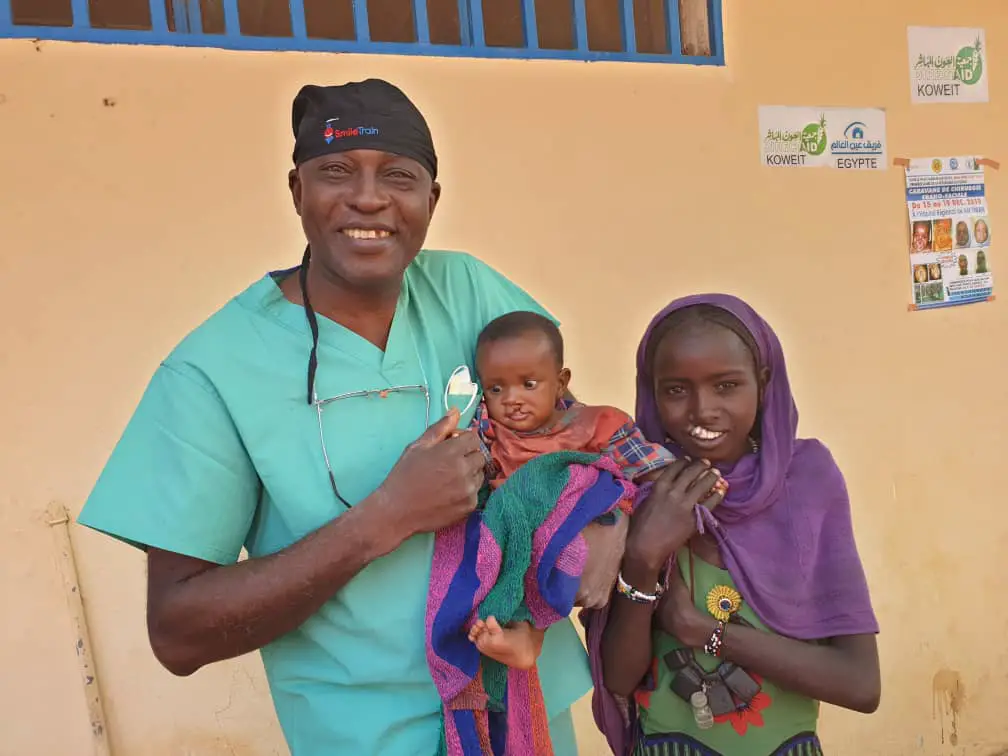
Dr. Esther Njoroge-Muriithi is the Vice President and Regional Director for Smile Train Africa. When we speak of inclusivity in healthcare, cleft lip and palate surgery is often considered a footnote in the priorities given to healthcare financing. Many children with clefts around the world live in isolation, making it difficult to make friends and go to school, but more importantly, have difficulty eating, breathing, and speaking. As we seek to achieve Universal Health Coverage, the long-term benefit of treating a single cleft at an early stage can bring in as much as $50,000 to the economy. This economic benefit…
When the Kenyan budget was read back in 2018 in the month of June, expectations were high for the insurance industry that the budget would create an enabling environment to do business. Various proposals had been fronted from our organisation on what we would want to be included in the budget, among them the recognition of the various industry associations, ours included, and how they would be encompassed into the Insurance Act. However the proposals were not what we expected and the main issue that came out in the Insurance (Amendment) Bill 2018 was that it would be criminal to…

By Emmanuel Mutuma The recruitment industry has completely evolved over the past 20 years. New technologies have transformed the way employers recruit and manage talent. From paper CVs to job boards, applicant tracking systems and online assessments, a lot has changed over the years. While advancements in technology have offered some solutions to challenges that employers faced a decade ago, the industry is ever-evolving and recruiters today are dealing with new challenges when hiring the best talent. It cannot be gainsaid that all top companies struggle to get their workforce planning correct, not knowing when to ‘buy, borrow, build or…
Looking at Africa and only pushing for aid is not in the interest of the everyday Africans. It is about the egos of the elites and latte intellectuals who believe they have the solutions to why the continent is still poor. As Africa’s population and economies surge, greater opportunities for development are presented, societies change, and the aspirations of everyday Africans are increasingly requiring urgent attention. On the other hand, Germany’s energy transition anticipates a vastly more efficient and interconnected energy system in the future, one that I believe, young African technology entrepreneurs can certainly learn from and accelerate the…
African competition law on the continent is the subject of notable growth. An increasing number of jurisdictions have adopted laws and regulations, established authorities, secured membership to regional antitrust regimes and ramped-up enforcement of suspected violations of prevailing competition laws at both domestic and regional levels. Since 2018, domestic competition legislation has been enacted in Angola and Nigeria. In Angola, these legislative developments have been bolstered by the establishment of the Angolan Competition Regulatory Authority, which recently became operational. In Nigeria, the Federal Competition and Consumer Protection Act was signed into law in 2019, establishing the Competition Commission and Competition…
South Sudan is leaving its violent past behind as the country finally heads towards lasting stability. Boasting the third-largest oil reserves in sub-Saharan Africa, South Sudan is the only mature oil producer in East Africa. The country is one of the oldest producers on the continent, with substantial proven reserves of close to 3.5 billion barrels of oil and 3 trillion cubic feet of gas. Dr Arkangelo Okwang Oler, Director-General for Planning, Training and Research at South Sudan’s oil ministry, spoke at the recent Africa Oil & Power 2019 conference in Cape Town, reassuring investors that now is the time…