Trending
- In Kenya’s Mrima Hill, a test case for Trump’s Africa critical minerals strategy unfolds
- Africa’s tourism boom may begin in churches, not in the vast game reserves
- De Beers’ shutdown triggers ripples across South Africa’s diamond mining belt
- Nigeria’s oil output soars to heights not seen since 2020. Here’s what’s changing behind the numbers
- Kenya’s construction costs surge at fastest pace in four years as fuel price shock hits
- African trade is growing despite the obstacles
- Why global capital is betting big on Africa’s digital promise
- Kenya posts stronger-than-expected Q1 growth at 5.3% on manufacturing rebound, tourism boom


Author: Opinion

Opinion
Opinions by contributors are views of respected thought leaders in the respective industries they operate in. The Exchange is a close partner with each of the various opinion contributors.
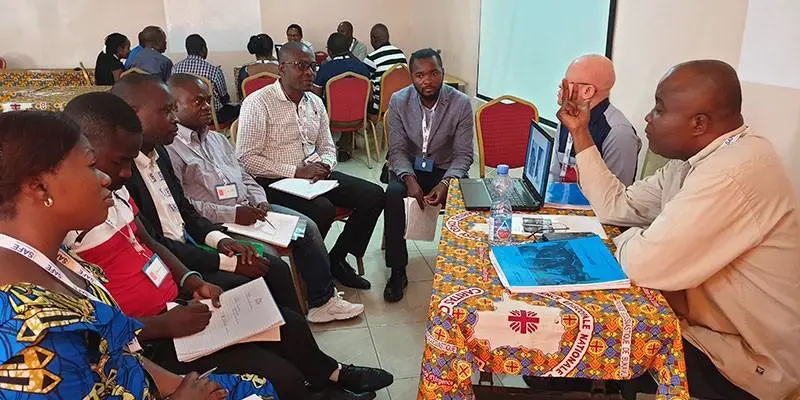
Today, as the world commemorates World Anesthesia Day, we hope deliberations from the 7th All Africa Anesthesia Congress in Morocco will yield progressive results on the ground in order to live up to our commitment of leaving no-one behind. Passy, a 7-year-old girl from Goma in the Democratic Republic of Congo lies unconscious on the operating table at CBCA Bethesda Hospital in Goma, ready to have her cleft palate treated for free, courtesy of Smile Train. Haggai Musinene, the anesthetist in the room monitors Passy’s breathing, intensely switching his eyes between the screen and Passy’s chest before Dr. Obady…
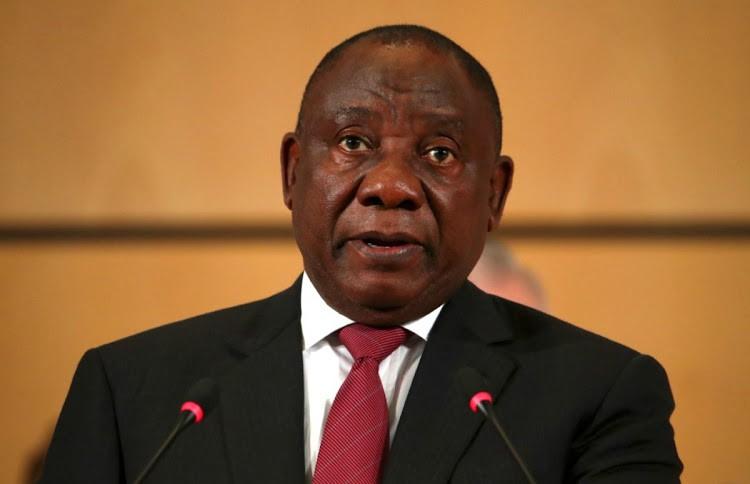
There has never been a better time to invest in Africa, says South African President Cyril Ramaphosa. He said the continent’s governments are committed to creating the necessary enabling environment for business to flourish. Calling on the investor community to “harness the climate of reform” sweeping the continent and “take advantage of its momentum,” he said: “there has never been a better time to invest in Africa”. Ramaphosa was speaking at the Financial Times Africa Summit in London, where other speakers included former Liberian president Ellen Johnson Sirleaf. The launch of the African Continental Free Trade Area will “bring together…

Sierra Leone’s abrupt cancellation of an iron ore mining license last week has raised concerns about a resurgence of resource nationalism across the continent. The action is the latest in a string of disputes between governments and mining companies in Africa, which is home to rich resources of iron ore, copper, gold and diamonds. Gerald Group, a metals trader, said last Tuesday that its license to mine the steelmaking ingredient was cancelled “with immediate effect” by the government, and it would pursue claims for more than $500 million in compensation. A number of African governments are working to right what many see…
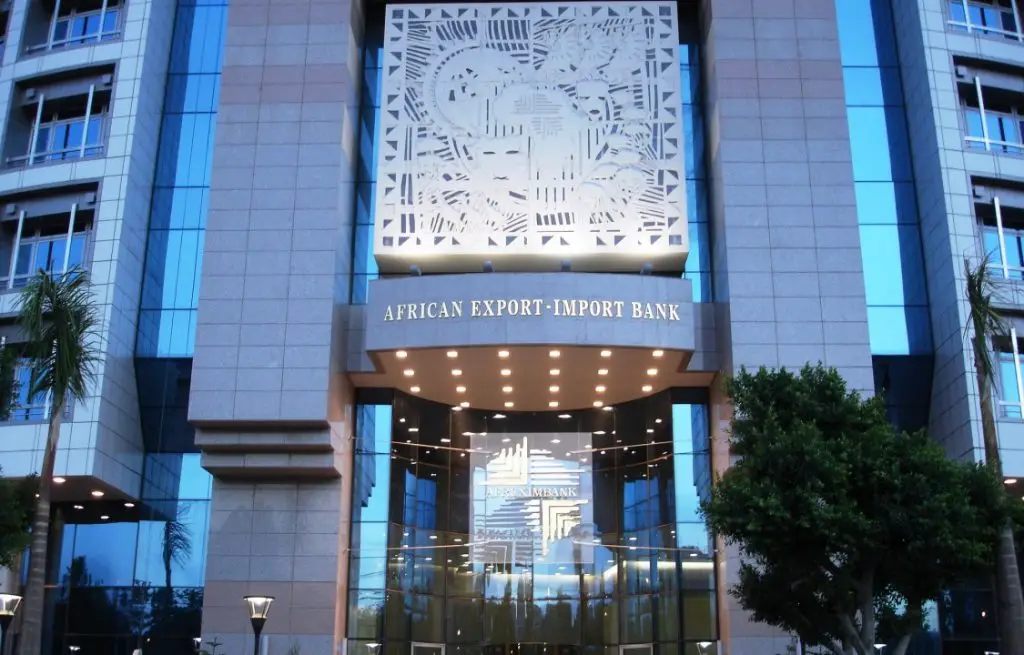
The African Export-Import Bank has announced its plans to list on the London Stock Exchange by way of a $3 billion Initial Public Offering. The LSE announced on Wednesday that the Afreximbank said it intended to publish a registration document and consider proceeding with an IPO of global depositary receipts (GDRs), representing Class D ordinary shares of the bank. It stated that the GDRs were expected to be admitted to the standard listing segment of the official list of the FCA and to trading on the main market of the LSE. The President, Afreximbank, Professor Benedict Oramah, said, the bank…
When Association of Kenya Insurers (AKI) released it’s 2018 insurance industry report few expected the shocker that the results would provide. Insurance penetration in the economy relative to the Gross Domestics Product (GDP) fell from 2.7 percent in 2017 to 2.4 percent in 2018. Overall premium increase was recorded to Kshs 216.11 billion from 210 billion the previous year. The fact that the results showed a decline in insurance penetration in the insurance industry was something that most people didn’t expect especially with the hype that we get of how the economy is doing well. The results are a true…
Even as mobile penetration continue to grow, the East Africa region is still sluggish in technology innovations especially in the insurance sector. The region is considered as Africa’s Silicon Savannah with a high mobile penetration, home grown digital financial innovations like M-PESA that is now being exported in other countries and a fast growing tech start –up ecosystem. Statistics indicate that about $63.6 billion is transacted in aggregate in a single year on mobile money platforms in the East African Community (EAC) countries. This corresponds to 46 percent of the total GDP of the EAC in the most recent statistics.…
African universities are behind the curve. Of the 500 leading global universities, only two – both in South Africa – make the list. What is the issue? The Ugandan intellectual, Mamdhani, argues that African universities, established at independence have become symbolic and emblematic must-haves much like a flag. Others argue that a social reproduction function limits access to higher education so elites beget elites who with good tertiary and professional education, many accessing universities in developed countries, maintain power dynamics and status quo in societies. The debate of what a university is and what is its function is very old.…
This summer has seen a huge amount of interest, and investment, in Africa from private capital outfits. From fund raising – such as the African Infrastructure Investment Managers (AIIM) reaching final close of its US$320 million African Infrastructure Investment Fund 3 and new funds for Centum, the Nairobi Securities Exchange-listed investors – to acquisitions and disposals, interest has been high across the continent. The Exchange even reported in April that Africa is eying US$1 trillion in private equity deals in the near future. It also appears that returns are good. East African exits by private equity investors currently stand at…
Juba – South Sudan has launched its first-ever mobile money transfer service in Juba last week. The aim of m-GURUSH (m-for mobile and GURUSH for money in Arabic) is to make it easier to transfer money, as well as create new job opportunities in South Sudan. The mobile based financial service platform is a joint partnership between South Sudan’s Trinity Technologies Limited and Zain Telecoms South Sudan. Licenced by the Bank of South Sudan and the National Communications Authority of South Sudan, m-GURUSH allows users without bank accounts to access banking services through outlets spread across the country. The virtual…
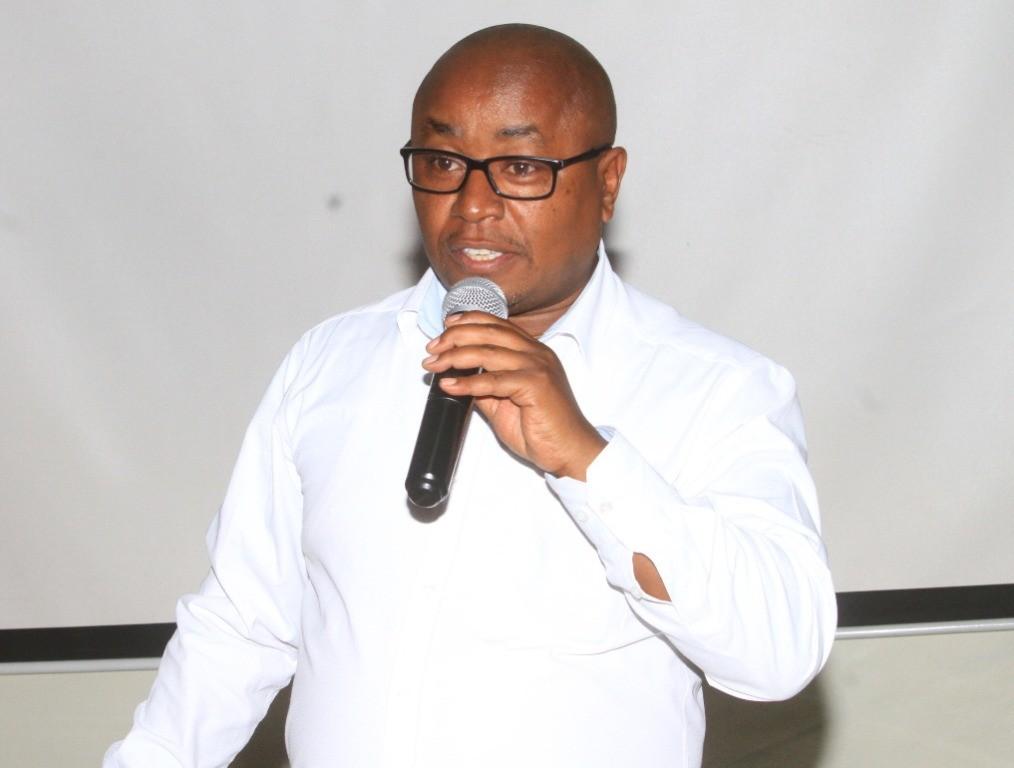
By Washington Ndegea In the year of our Lord Two thousand and Eighteen, the Treasury Secretary Henry Rotich strode to parliament carrying the characteristic brief case just in time to read the twenty eighteen-twenty nineteen budget. That was in the month of June. Expectations were high, that the prices of various basic commodities would reduce, and that we in the insurance industry would get the much needed relief and create an enabling environment to do business. The issue of the prices of the basic commodities were met, but we in the insurance sector were left reeling by the recommendations that…