

Trending
- In Africa, the conversations defining corporate reputation are going on in channels most CEOs cannot see
- Why economies in Africa must brace for a powerful El Niño
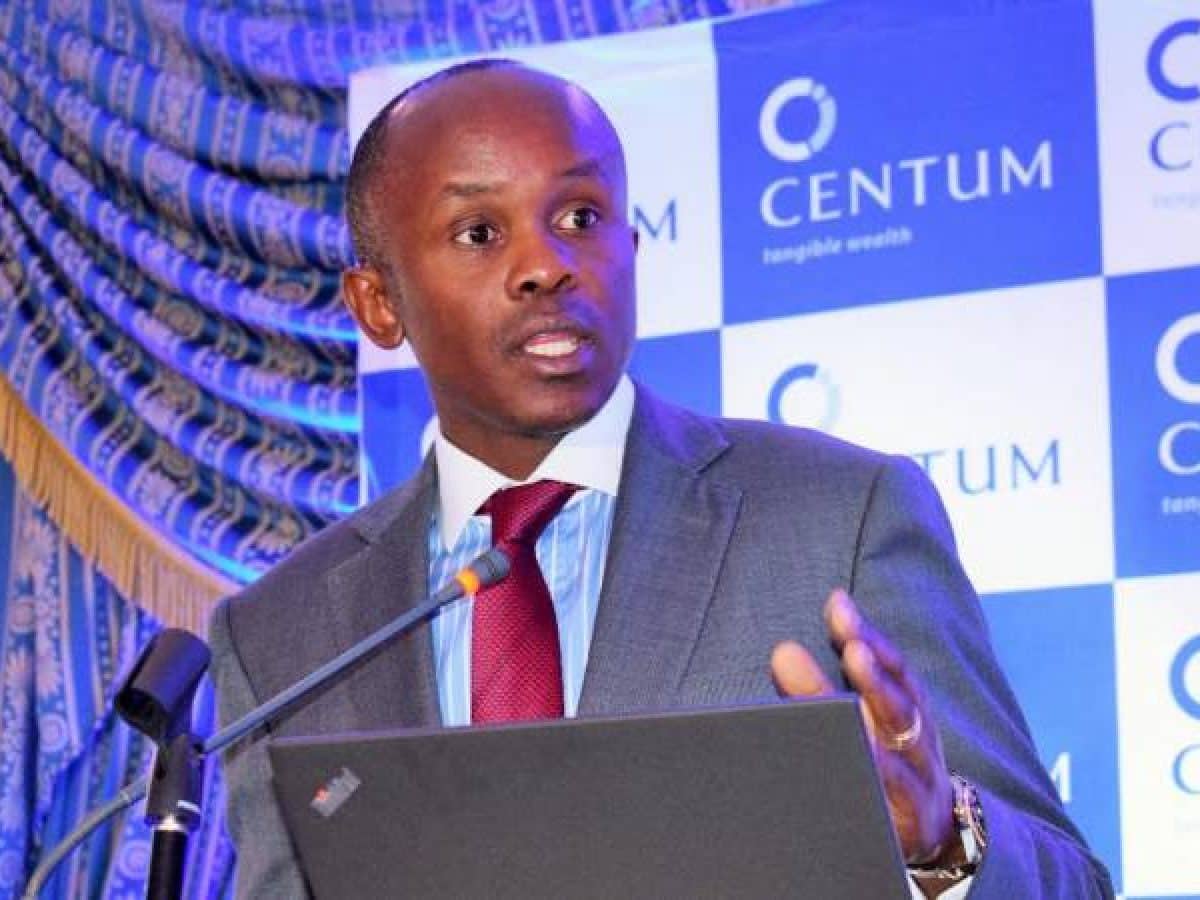
- Centum Investment’s James Mworia shoulders Kenya’s mega infrastructure funding bet
- Weather experts warn of the most powerful El Niño in decades as extreme weather hits Africa
- Africa Blockchain Festival ignites a new dawn for African innovation
- Africa’s gaming market set to quadruple to $4 billion, defying global slowdown
- Tanzania throws its bond market wide open to the global investors
- VALR sets sights on East Africa as blockchain moves deeper into Africa’s financial system


Author: Opinion

Opinion
Opinions by contributors are views of respected thought leaders in the respective industries they operate in. The Exchange is a close partner with each of the various opinion contributors.
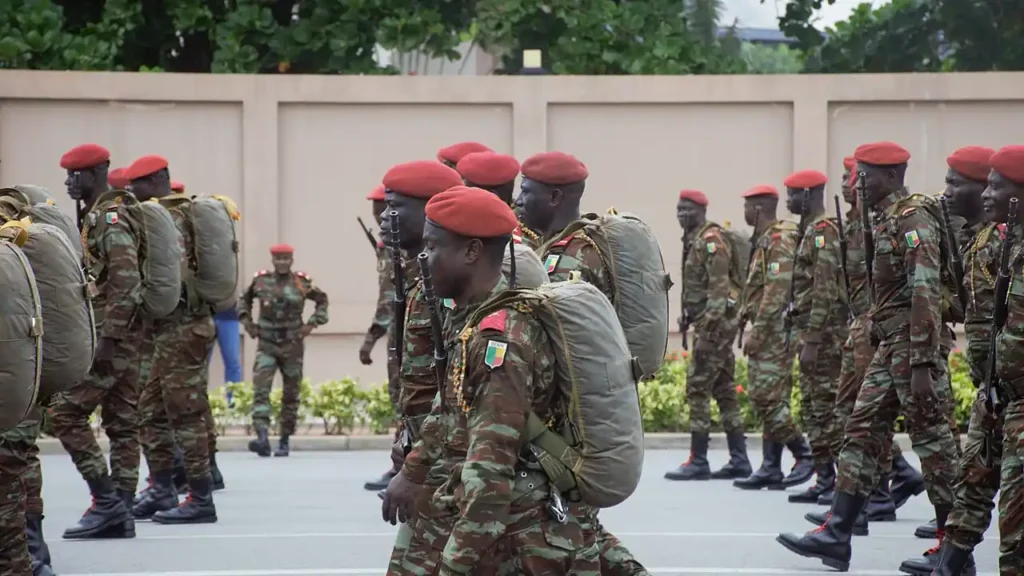
The Benin Coup Attempt: A Crisis Years in the Making Ten years of constitutional tinkering, regional destabilization and trans-border repression under President Patrice Talon made rupture unavoidable. The peace of West Africa now hinges on recognizing that the genuine threat to Benin did not start in the barracks. We must condemn the botched coup in Benin. For those of us who have spent our careers upholding democratic governance, the rule of law and peaceful transfer of power, there is no doubt: Soldier interventions are an illegitimate breach with constitutional order and a slap in the face to the principles that…

A Tribute to Kwezi Mngqibisa: Life & Professional Impact… Brothers and sisters, distinguished colleagues, and friends, We gather here today with heavy hearts to honour the life, the work, and the spirit of our dear brother, Kwezi Kennedy Mngqibisa. On the 1st of December, I received the news from my sister, Martha Kiiza Bakwesegha, that Kwezi had been recalled to higher office on the 27th of November 2025. In that moment, I felt what we call in Kirundi Agahinda—a deep, quiet, overwhelming sadness. Today, we share that sorrow. But we also share gratitude for having known him. A Meeting That…
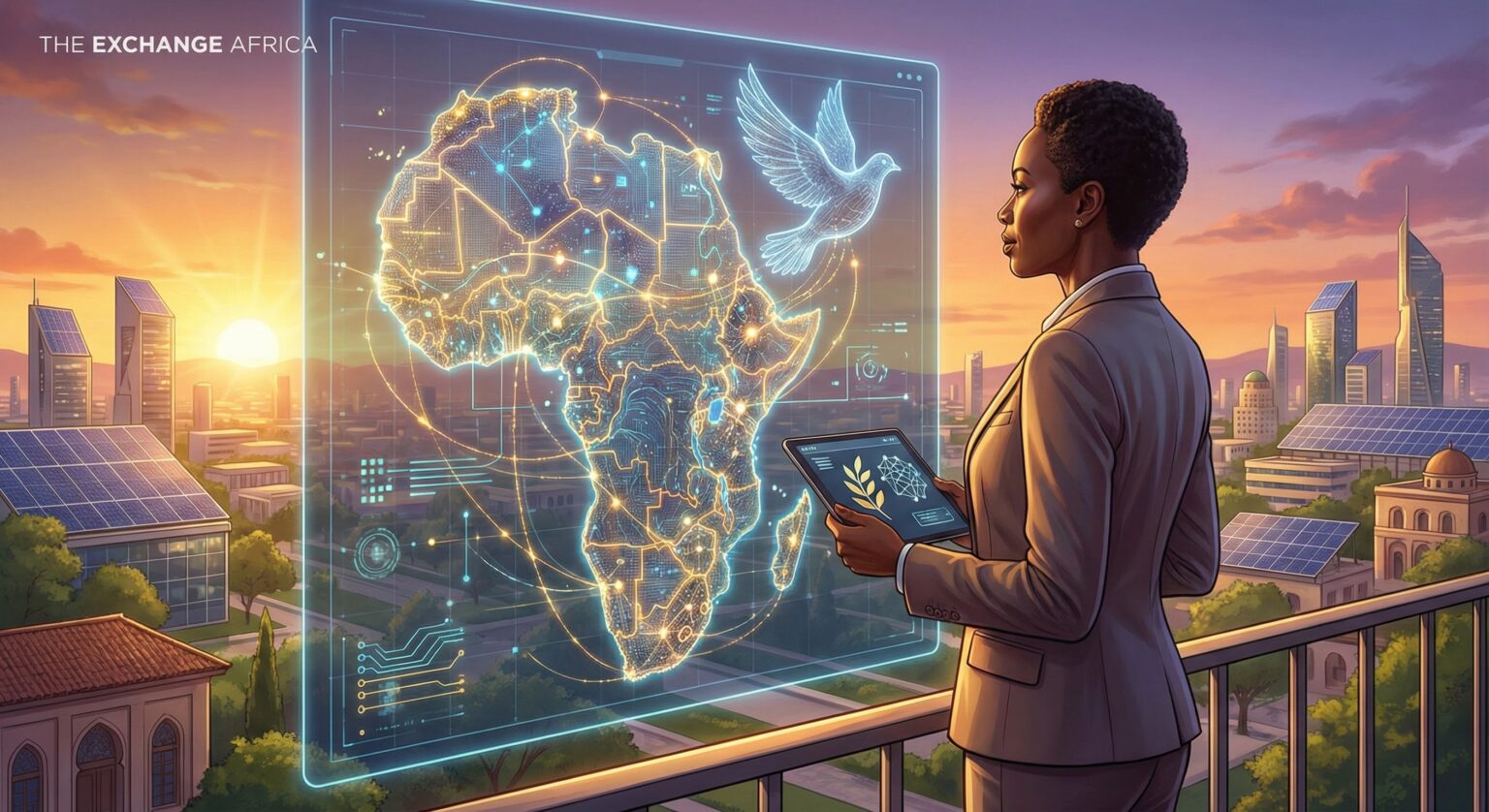
Artificial intelligence in Africa is no longer the stuff of science fiction or a distant technological curiosity. Already, it has entered into the political, social and security landscape of the heart of the continent, sometimes whispering, other times screaming and now and again with radical effect. For a continent struggling with entrenched conflicts, demographic pressures, misinformation and geopolitical shifts, AI represents both an extraordinary opportunity as well as an urgent governance challenge. Africa is now at a cross point: we can define AI, or be defined by it. AI, Governance and Peacebuilding in Africa Across the continent, AI systems now…
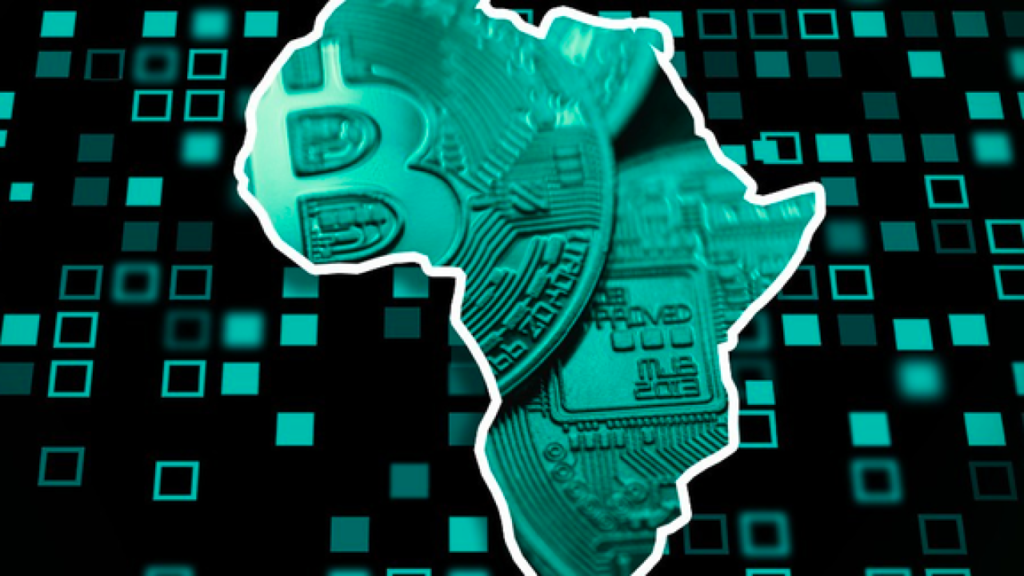
Through blockchain ecosystem, millions of Africans are getting the opportunity to save funds, receive payments, and even access credit using nothing more than a smartphone and an internet connection. For informal savings groups, such as South African stokvels, blockchain and smart contracts are increasing transparency and automating payouts, reducing disputes and making small-scale lending easier. Supply-chain transparency is another area where blockchain is making a tangible impact. As Binance Blockchain Week, taking place from 3 to 4 December, approaches, it’s clear that blockchain is no longer just a buzzword for cryptocurrency traders. Across South Africa and the wider continent, it is…

Traditional grid extension to drive energy access is rarely feasible for rural communities in Africa, but distributed generation (DG) systems and microgrids offer scalable, cost-effective, and increasingly low-carbon solutions that can deliver reliable power to schools, health centers, and households. The countries facing the most severe access gaps include Burkina Faso, Burundi, the Central African Republic, Chad, the Democratic Republic of Congo (DRC), Malawi, Niger, and South Sudan, each with electrification rates below 30%. Decentralized systems, such as solar home units and mini-grids, deliver energy precisely where it’s needed: directly to households, schools, and businesses that national utilities cannot reach…

Universal energy access must be the anchor of Africa’s climate roadmap. African governments and their partners must weave energy access into the heart of climate policy. This means scaling renewable energy investments, strengthening grids, reforming utilities, and designing transition pathways that reflect Africa’s demographics, industrial goals, and financing constraints. With COP30 underway in Belém, Brazil, the global community is once again confronted with the urgency of climate action. For Africa however, the conversation must begin with a more fundamental question: how do we power the continent so that climate ambition does not outpace development reality? While advanced economies frame climate progress…

African oil and gas producers should also seek to maximize their own capacities as they develop their own subsurface resources. Countries need to build gas-fired plants that can provide cleaner power than existing coal- and petroleum product-burning plants; liquid petroleum gas (LPG) plants that can replace traditional biomass fuels such as wood and charcoal, which contribute to health problems and deforestation; and compressed natural gas (CNG) plants that can produce fuel for vehicles. At ADIPEC this year, I was skeptical about participating in COP 30. African nations are heading to Brazil for COP 30 in Belem. The United States, under…

Globally, content piracy costs the media and entertainment industry over $75 billion annually, with projections pushing that number to $125 billion by 2028. More than 229 billion visits to piracy websites were recorded in 2023 alone, with Gen Z and millennials contributing to over 70 per cent of those visits. This isn’t just a global problem—it’s a generational one. In Kenya today, media isn’t just entertainment—it’s the heartbeat of youth culture. It’s the Gengetone beat pulsing through TikTok dances, the graffiti on matatus turning public transport into a gallery, the viral YouTube skits that echo our humour, and the Showmax…
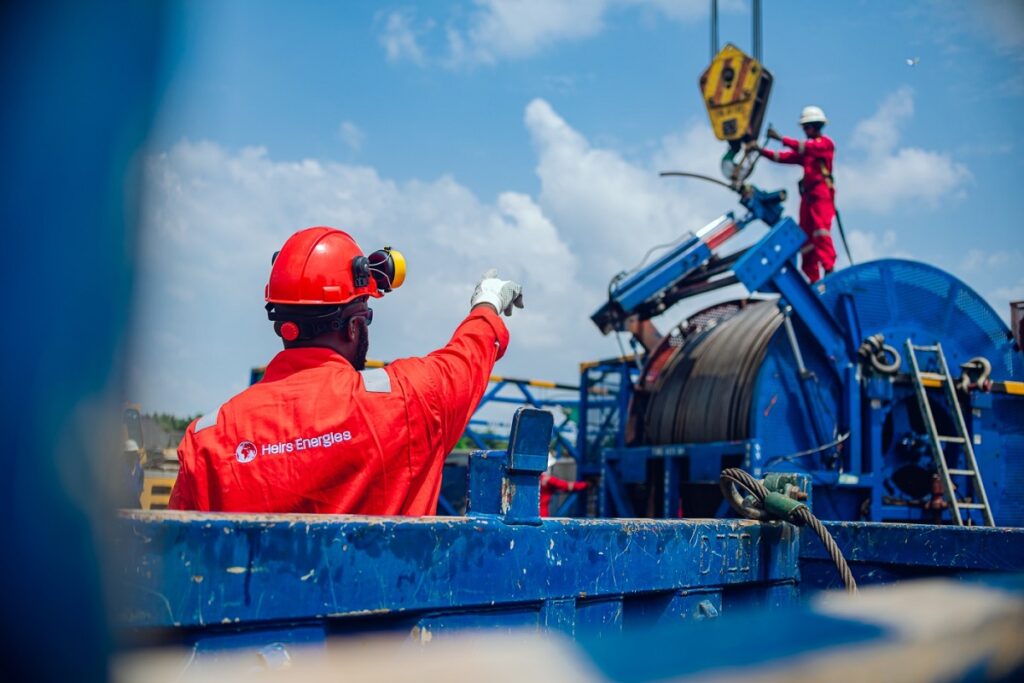
Africa’s energy future remains a tough question for policymakers to answer. Can Africa genuinely fulfil the promise of eradicating energy poverty by 2030? Optimism should not stem from wishful thinking but from tangible evidence that Africans can seize control of their destiny. As we move forward, it is imperative that we harness our collective potential and take ownership of our energy future. As Africa Energy Week wraps up in Cape Town, we are faced with a pressing question: Can we genuinely fulfil the promise of eradicating energy poverty by 2030? The answer hinges not on foreign investment or external solutions, but…

For Kenya’s fast-scaling enterprises, data disorganisation is an existential threat that leads to Massive Inefficiency where for instance ales teams waste hours, finance teams struggle to report accurately, and customer service lacks complete client visibility. It also sees firms waste tech investment since sophisticated technology becomes more “expensive, complex, and ultimately futile” when applied to a chaotic data foundation. What’s more, rapid growth in dynamic markets like fintech or agritech exposes every weakness, forcing companies to choose between slowing down or scaling with massive operational overhead. Walk into any boardroom across Nairobi, Mombasa or Kisumu cities in Kenya today, and…