

Trending
- VALR sets sights on East Africa as blockchain moves deeper into Africa’s financial system
- The cost of the data gap: Why Kenya’s lenders can’t afford to miss the full picture
- Tanzania takes EAC labour migration helm as regional rules face overhaul
- 2026 is turning out as a defining year in geopolitics, but for whom?
- Saudi Arabia and Tanzania pledge to deepen bilateral trade ties
- Tanzania rewrites its digital investment playbook
- Ethical sourcing boosting demand for Tanzania organic cotton
- DRC deploys 70,000 Ebola vaccine doses in high-stakes trial against deadly Bundibugyo strain


Author: Laurence Sithole

Laurence Sithole
I am a financial services professional with a strong background in diverse areas of banking. My skill set includes among others International Banking, Trade Finance, Commercial Lending, Customer Service, Finance, Banking, Corporate Finance, and Investment Banking. Africa is my home and I am passionate about its development,

If the security falls in price, the investor or trader will purchase the security from the market at the prevailing low price and deposit the security back with the broker. The profit for the investor or trader is the difference between the price at which they would have sold at the initial phase of the trade and the price at which they buy back the security when they close out the trade. A strong warning is in order here: this kind of trading (margin trading and short selling) is strictly for the sophisticated investor or trader.
It should never be attempted by a novice or a person with a low tolerance for risk. These trades involve the use of leverage and the use of margin which means that should the trade go sideways the investor or trader stands to lose much more than they would have invested.
In the example given, should an investor decide to short sell the debt of a certain emerging market economy currency believing that the country is in financial distress and is likely to default on its loans sending the price of its sovereign bonds through the floor, that investor would be in a world of trouble if for some reason the price of the said bonds rallies instead of falling! That investor would be at risk of receiving the dreaded margin call from their broker.
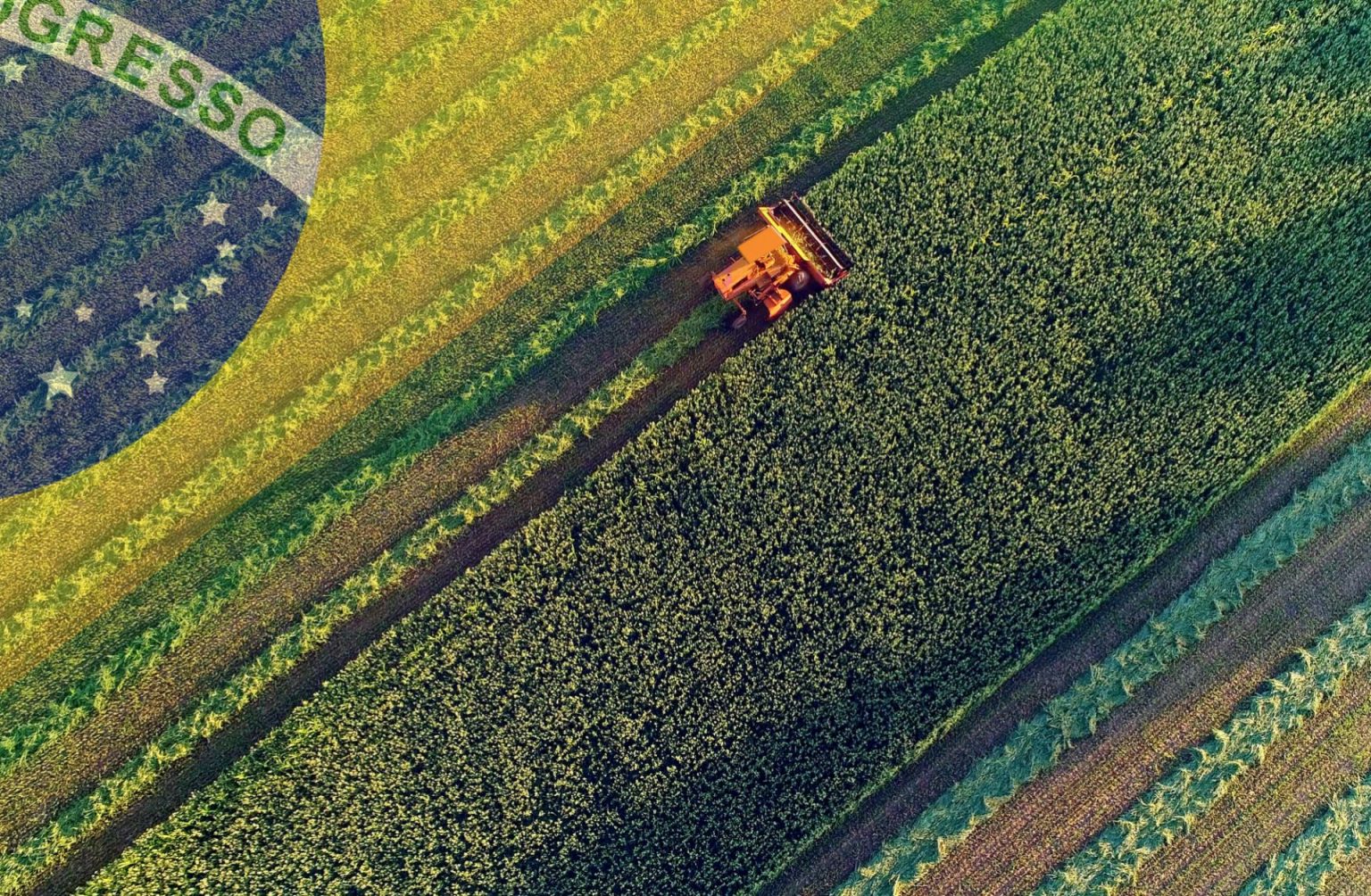
According to Statista, agriculture contributes at least 4% of the annual value added to the gross domestic product of Brazil. It accounts for at least 9% of the people who are employed and able to work. On the face of it reading numbers 4% and 9% seem like they are nominal until one considers the sheer size of the country of Brazil in terms of land mass. Brazil is one of the largest countries in the world in terms of land area. It sits on no less than 8.5 million square kilometres.
Of this land mass, approximately a third is used for agriculture. For perspective’s sake, Brazil is the fifth largest country in the world after Russia, Canada, China, and the United States. The Brazilian Report states that all the countries that make up the European Union would fit inside Brazil’s borders!
To bring the perspective much closer to home, the land mass Brazil sits on is reportedly seven times larger than South Africa. Zimbabwe would fit twenty-two times into Brazil’s land mass, and Kenya would fit 15 times into the South American country. The country is large. The land it uses for agriculture purposes alone would be larger than some countries and continents.
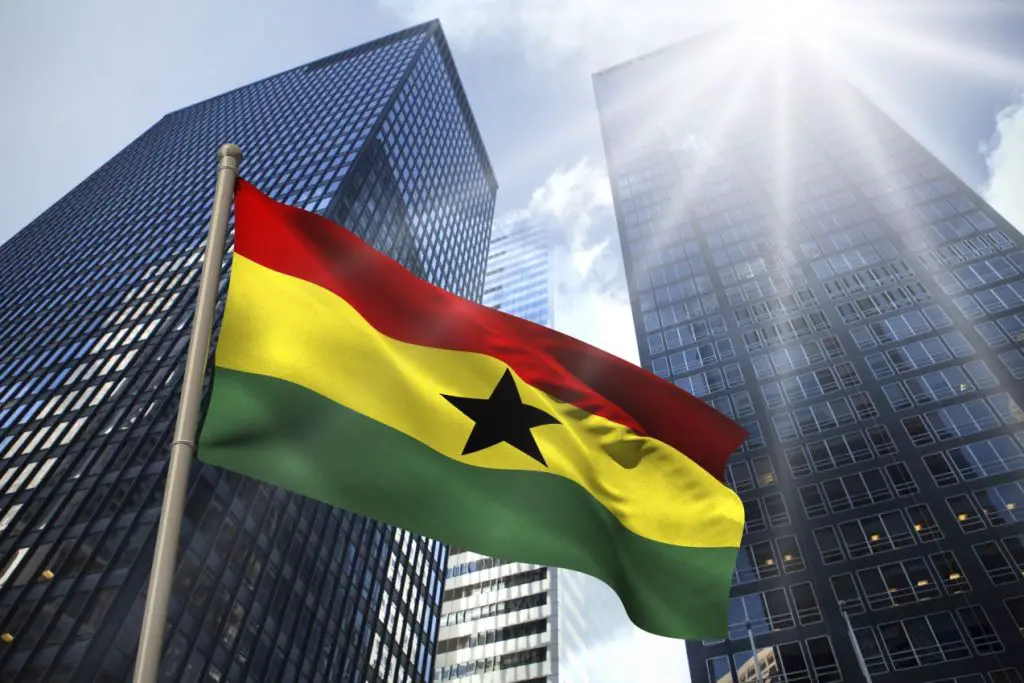
Ghana’s case specifically plays out with the dramatic effect consistent with a Shakespearean tragedy. The west African nation ironically is a darling of the West in terms of foreign direct investment. Yet, its debt levels have breached what multilateral institutions consider to be sustainable. A painful irony in the case of Ghana is that it was offered the opportunity to renegotiate the terms of its debts through the World Bank’s Debt Service Suspension Initiative. However, Ghana did not elect to participate.
A second painful irony is that Ghana, this time around, does not owe most of its debts to multilateral institutions like the International Monetary Fund or the World Bank. It owes the bulk of its debt to private lenders like the world’s largest asset manager Black Rock, and its has expressed that it has no interest in renegotiating the terms of Ghana’s sovereign debt.
If Ghana had borrowed from the multilateral institutions mentioned formerly, it would have the scope to renegotiate its loans as these institutions tend to be more conciliatory and concessionary in their dealings with borrowers, unlike the private lenders who are driven by the profit motive and the need to create value for shareholders.
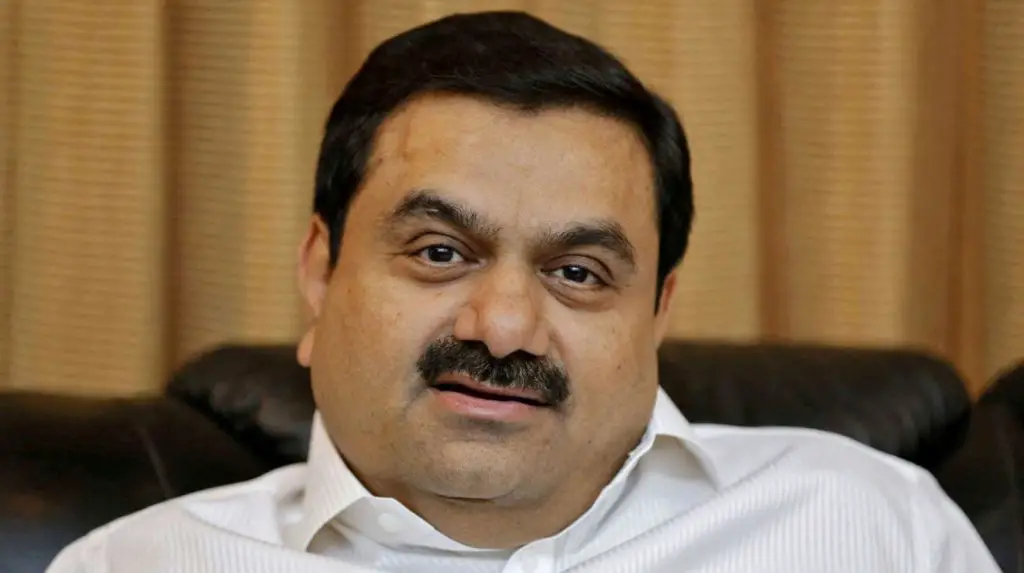
His fortune is estimated to be worth a staggering US$148 billion. He is second only to Tesla founder and eccentric billionaire Elon Musk. Very interesting to note is the fact that the rise of Adani into the high stakes of global wealth is also the first time that two of the wealthiest individuals in the world are from countries that comprise the BRICS nations.
Though now a US citizen, Elon Musk has South African heritage, and Adani is an Indian national.
That two of the richest men in the world are from BRICS countries is indicative of the emergence of the bloc. Adani is the first person of Indian descent to occupy the position. Adani is the chairman of the Adani Group, which operates a litany of businesses in coal mining, infrastructure, and thermal power generation. His companies also operate private airports and firms. According to media reports, Adani’s wealth began to surge at the beginning of this year when he was ranked 14th on the Bloomberg Billionaires Index.
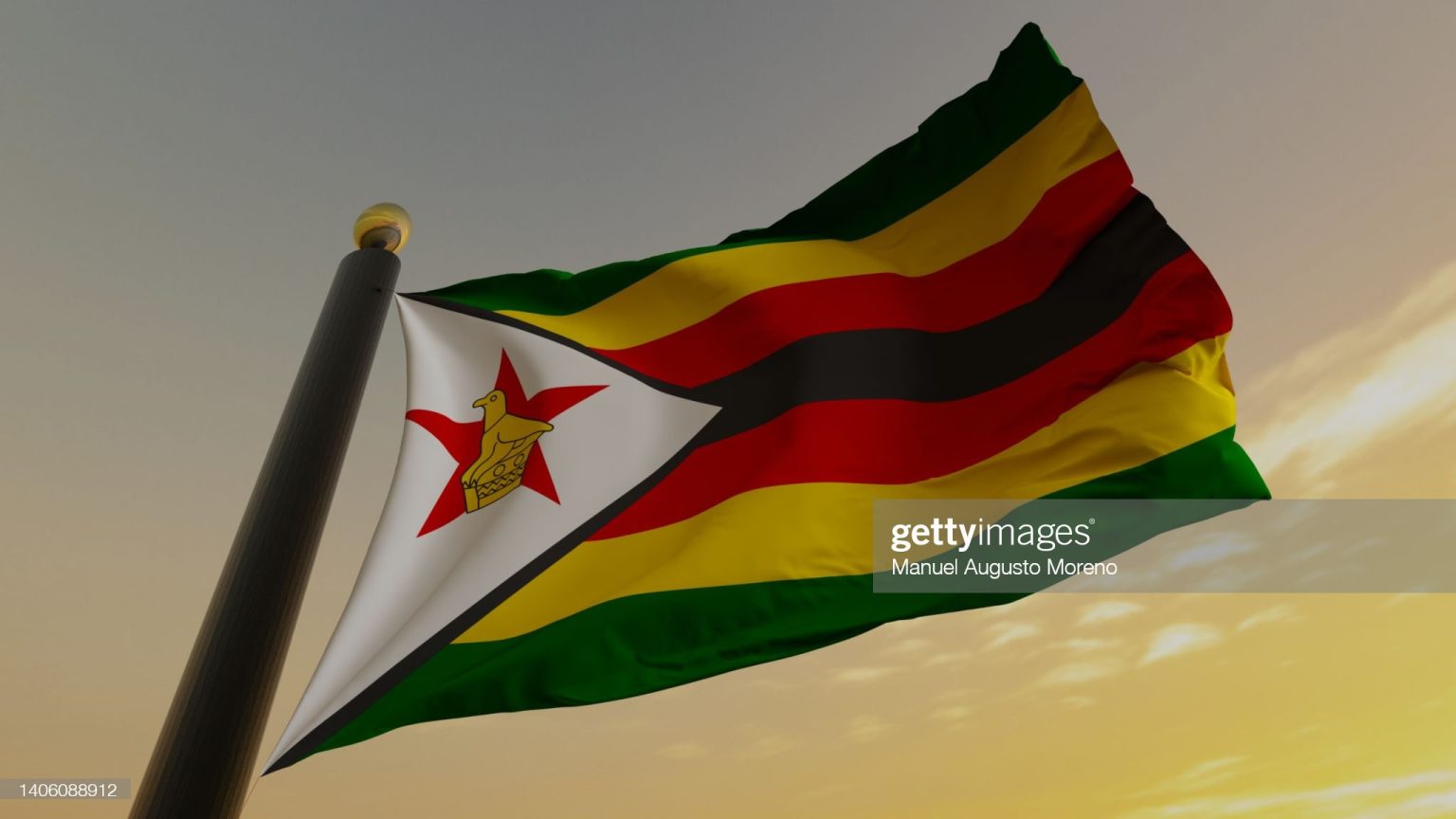
Because of erratic economic policy, Zimbabwe continues to be the sick man of the Southern African Development Community (SADC) region. The country perennially goes from one economic crisis to the next. Presently Zimbabwe is battling with resurgent inflation after managing to rein it in from the hyperinflationary levels reached in the years 2019 to 2020 and during the early months of 2021, peaking at over 837%. Currently, Zimbabwe’s inflation stands at approximately 257%. Conventionally, the origins of inflation have been and always will be excessive money supply that outstrips the rate of growth in an economy resulting in too much…
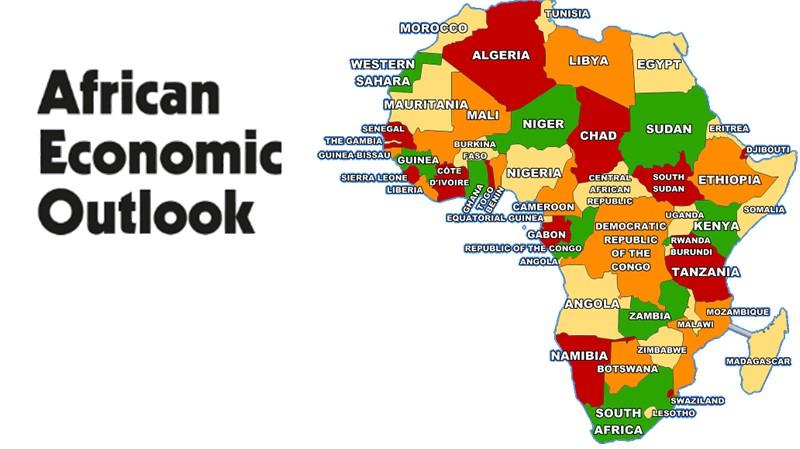
The continent in the near future will have the largest population in the world. The population of Africa is urbanizing as citizens of the nations of the continent migrate from rural to urban areas.
This addition to its vast natural resources is a potent combination for its rapid economic expansion. The world witnessed first-hand the economic miracle where China transformed itself from a rural backwater in 1949 when the modern Chinese state was founded to an economic and military superpower by 2019. The year 2019 is significant to China because the country celebrated 70 years of its founding as a communist state, and the Asian country gained worldwide recognition as a military superpower.
China put on a military parade that displayed a weapons arsenal that made the United States sit up and take notice. How was this possible? China’s economic transformation was because of several factors. One of the most important factors was and remains the rapid urbanization of its population, driven by the migration of millions of Chinese citizens from the rural areas to the booming metropolises. This urbanization increased the demand for natural resources and commodities needed to construct cities, roads, and infrastructure needed to support a rapidly expanding economy.

The United States dollar has reportedly appreciated to levels last seen 20 years ago and shows no signs of slowing down. According to Capital.com, “The ICE US Dollar Index (DXY) – a measure of the currency’s strength against a basket of rival currencies including the euro (EUR), Japanese yen (JPY) and British pound (GBP) – stood at 109.5 on 19 September 2022. The index was up over 14% from the start of the year, but down marginally from the 110.51 mark reached on 7 September – its highest level since 2002.”
The Federal Reserve, the US central bank, is giving further steam to the greenback through its aggressive interest rate stance. The Federal Reserve has raised interest rates a total of four times during 2022 for a total of 2.25 percentage points.
The result is that investors are piling into the US dollar, salivating into the fray as they chase opportunities to earn almost riskless returns from purchasing US government securities. This has boosted the greenback’s reputation as a safe haven currency.
For this reason, investors should take a long position on the US dollar and short other currencies, especially those in emerging and developing markets. In addition to the attractive United States dollar interest rates, conventional wisdom has it that investors should sell investments in depreciating currencies and buy investments in appreciating currencies.
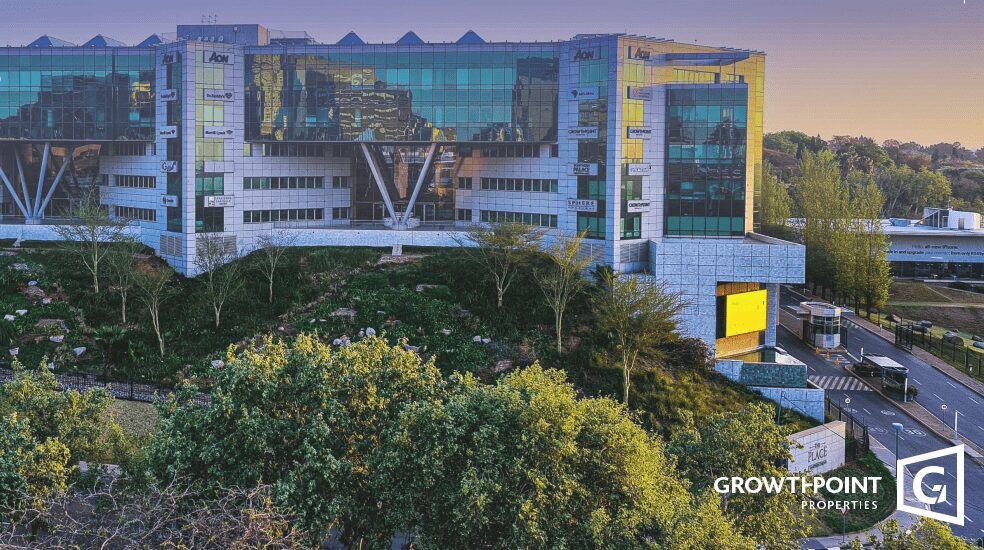
Growthpoint Properties Limited published its financial results for 2021 on the 15th of September 2022. The real estate investment trust (REIT) is the largest such listed entity on the Johannesburg Stock Exchange and is reliable indicator for the sector as a whole. The real estate sector in South Africa as in the rest of the world was one of the biggest casualties of the COVID pandemic. REITs on the JSE were not spared. The COVID pandemic created a perfect storm for property owners in South Africa. When COVID spread to the rest of the world after beginning in Wuhan in…
The remainder of Anglo’s coal assets were demerged from the group and bundled into a new company called Thungela Resources Limited. This strategy in coal mining circles is called “mine to mouth” and is being continued by Seriti. Eskom, South Africa’s power utility, has an agreement where its thermal power stations are fed with coal from the company’s Kriel and New Largo mines. These mines are adjacent to the power stations.
Seriti Resources (the company’s name is from the native Sotho language and means integrity) was formed in 2017. Mike Teke, through his investment vehicle Masimong Holdings Group owns 25% of Seriti Resources.
The remainder of the shares in the energy company is owned by Sandile Zungu’s Zungu Investments Company, Thebe Investments Corporation, and Community Investment Holdings.
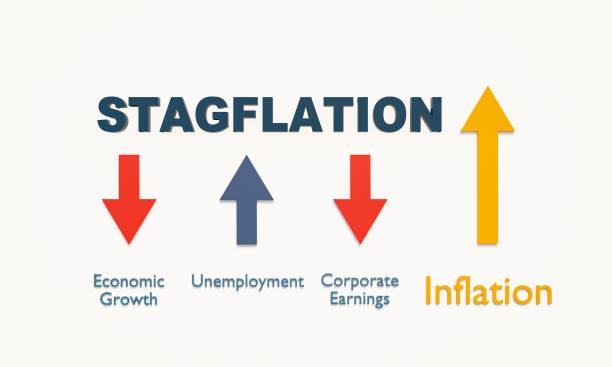
Other reasons that can best explain the origins of stagflation include falling productivity when an economy experience falling productivity. This could be because workers becoming less efficient. The consequence of this will be falling productivity and rising costs. Structural unemployment is another cause in cases where there is a decline in traditional industries.
This creates a tendency for unemployment to rise while productivity falls. Zimbabwe, during its lost decade from 2000 to 2010, experienced this kind of stagflation.
More generally and more contextually, stagflation comes from supply shocks. These result from supply chain disruptions. Where demand for goods and services increases or is unchanged, the result is rising prices and lower productivity.
Stagflation is not desirable in an economy because citizens of a country are generally happy when prices are low and the economy is booming.