
Trending
- How to assess legitimate trading platforms in Kenya using trust, transparency and risk controls
- Kenya secures landmark EU data adequacy pact in first for Africa
- Kenya’s $37.3 billion budget that promises everything except development
- UNEP lauds Ghana tree planting push, terms it continental blueprint
- Blue-Raman: What EU funded new internet cable means for EAC
- Kenya’s huge food deficit mask a deeper failure of finance, FSD Kenya reveals
- Tanzania eyes Belarusian tractor model and motor pools to unlock untapped farmland
- AI-first telcos will lead the race in Africa


Author: The Exchange

The Exchange
- We provide economic news and analysis on the investment arena in Africa, with a particular interest in doing business. Our key areas of focus include banking, capital markets, energy, mining, manufacturing and industrial development.
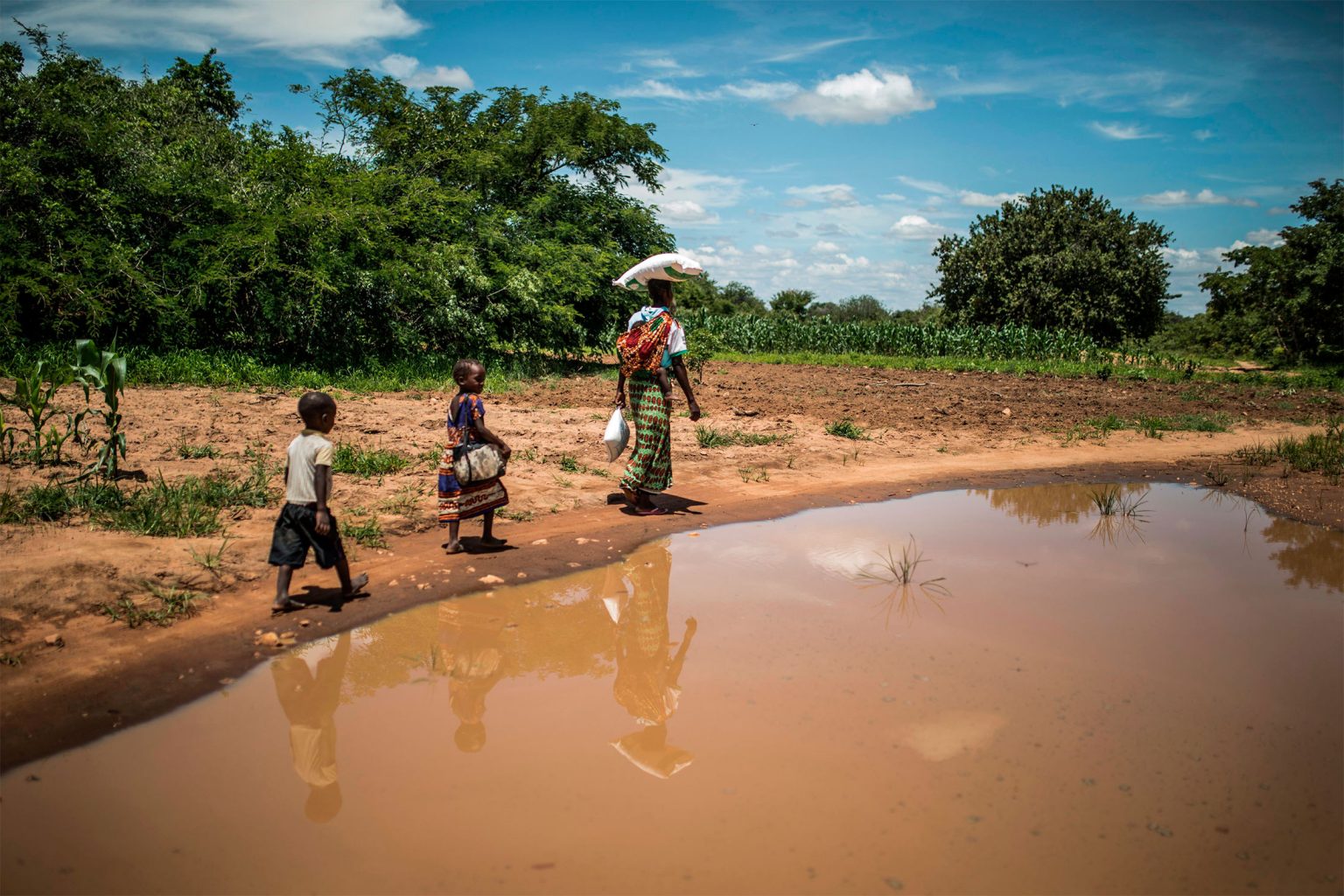
Africa’s fast population growth exacerbates the issue. According to most estimates, Africa’s population will double by 2050 and then double again by 2100, finally reaching over 4 billion by the end of the century. Feeding Africa’s rising population will need considerable breakthroughs in the continent’s food systems.
However, agricultural progress may be difficult if African farmers are subjected to more severe climatic effects. To prepare for these future difficulties, one must understand how climate change will materialize in Africa and its impact on the continent’s agricultural systems.

Mozambique showcases a new visa program to allow visitors a 90-day stay upon entry The travel and tourism industry’s overall contribution to Mozambique’s gross domestic product in 2019 was 6.2%, but that number dropped to 3.4% in 2020. In 2021, Tourism receipts counted for nearly $700 million, accounting for approx. 4.1% of total GDP (according to World Travel and Tourism Council) After the first publication of a stimulus package consisting of twenty measures at the beginning of August, Mozambique made an announcement regarding one of the first measures to be put into action: a reformed Visa system. Mozambique’s Council of…

The Kenyan stock market resumed Wednesday following the general election break with a $268 million gain, as early results revealed a close contest involving Deputy President William Ruto and former Prime Minister Raila Odinga.
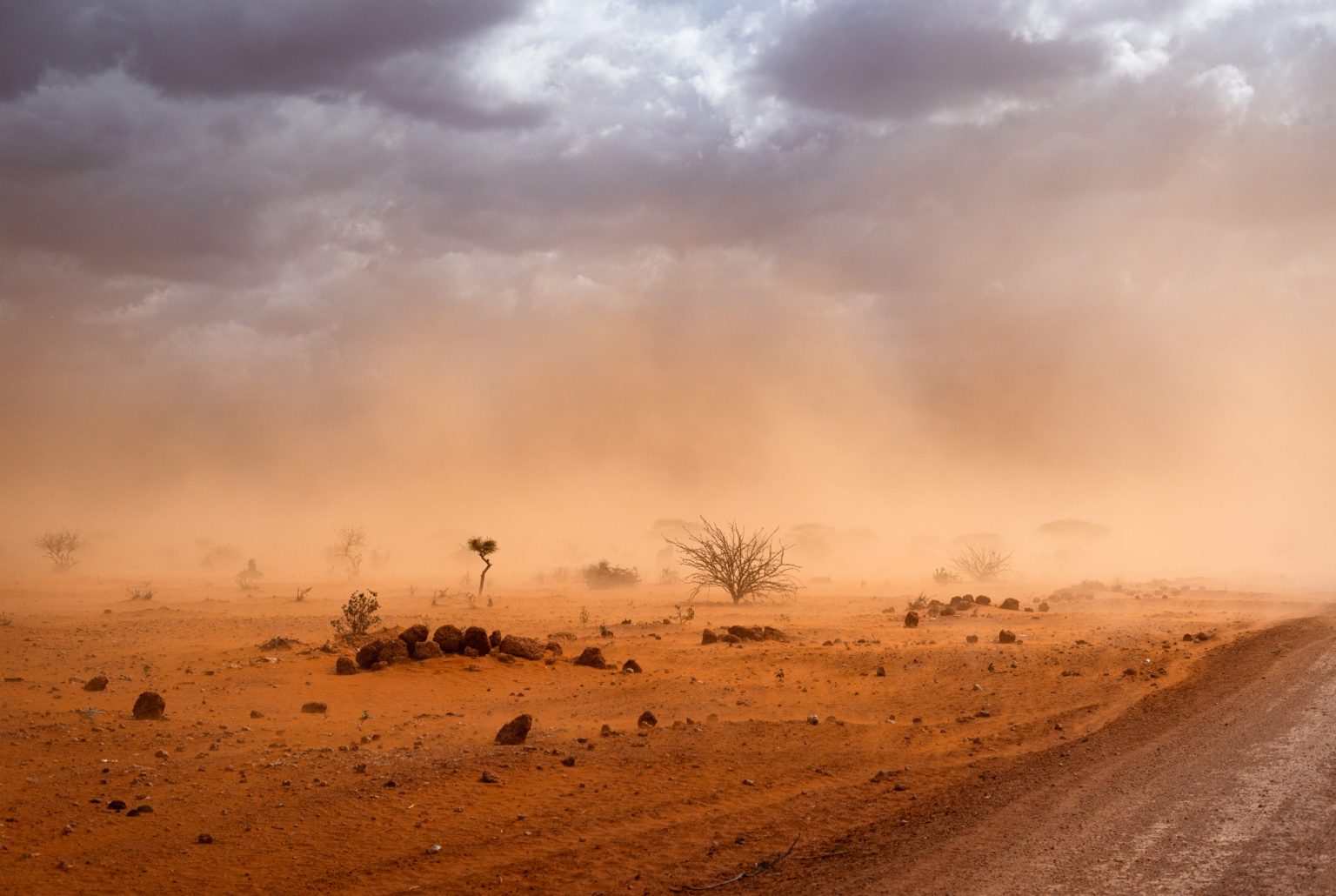
Changes in the global food chain provide essential opportunities to enhance the profile of integrated thinking in Africa. Because these measures will benefit the whole planet, a collective responsibility remains necessary. Landscape-based initiatives and the scaling out of agro-ecological systems and restorative agriculture must be prioritized by African member states.
There should be cross-border collaborations in critical landscapes. Non-African partners and enterprises must also invest in regional systems strategies, focusing on yield and advancing all ecological systems. As investment in Africa’s agricultural industry grows, steps must be taken to avoid negative environmental consequences.
Everyone wants to live in a world with a healthy planet and people and planet. In Africa, this means people with access to healthy diets, economic growth, and development possibilities while interacting with the continent’s unique natural environments.
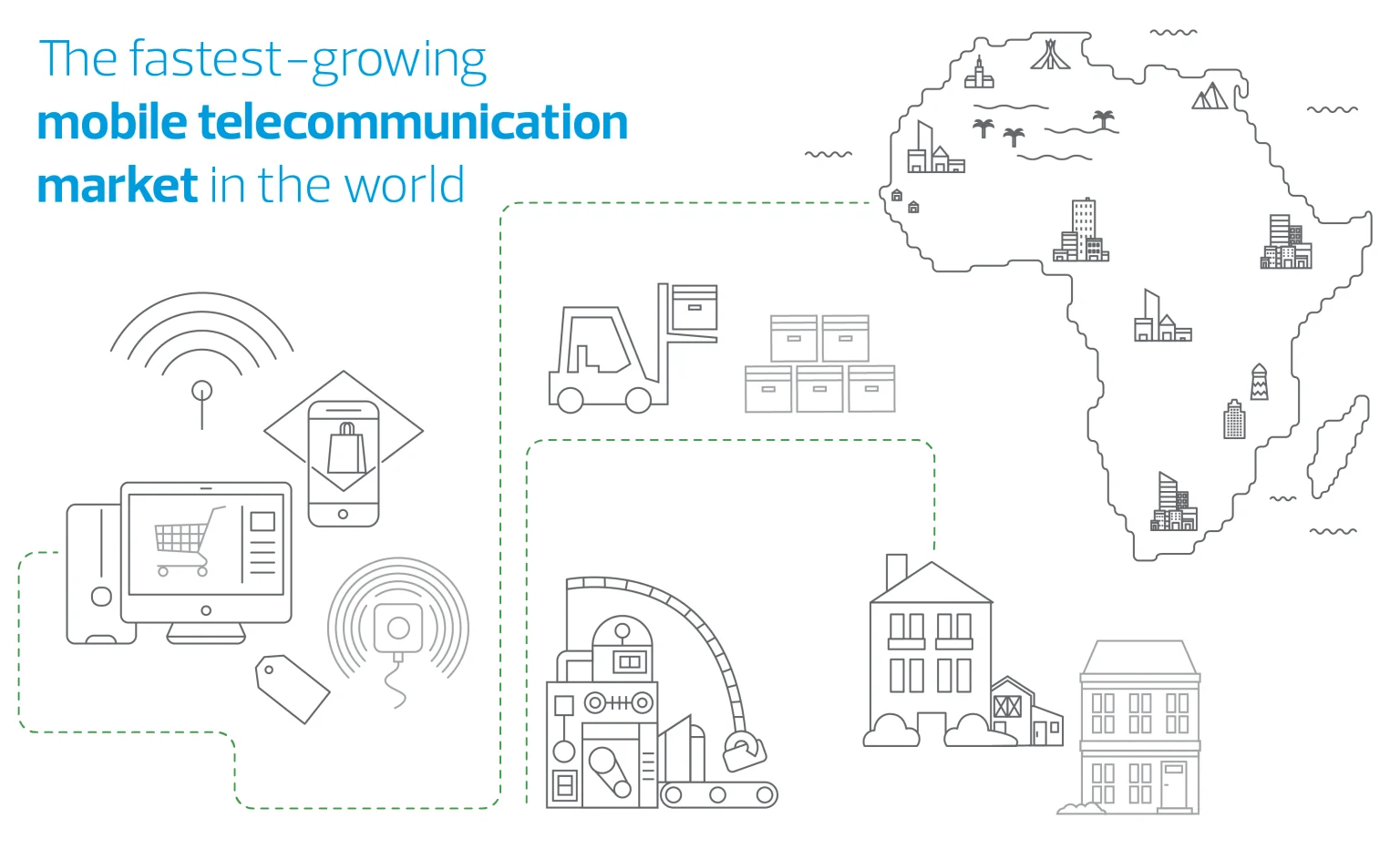
The African logistics market has proven itself ahead of the curve in many areas, with endless potential and opportunities lurking just beneath the surface.

Every African region has felt the effects of Russia’s invasion of Ukraine, with West Africa also bearing the burden of a war miles away in Europe. At a period when West Africa has been facing a severe food crisis since 2011, the Ukraine conflict has complicated matters further. For most West African nations, the expenses of regulating rising prices are already too high. The West African economic crisis and the Russia-Ukraine scenario highlight the perilous linkages between diplomatic sanctions, commerce, and food security. Africa’s post-Covid recovery hampered The Russian-Ukrainian conflict has hampered Africa’s potential recovery from the COVID-19 pandemic by…
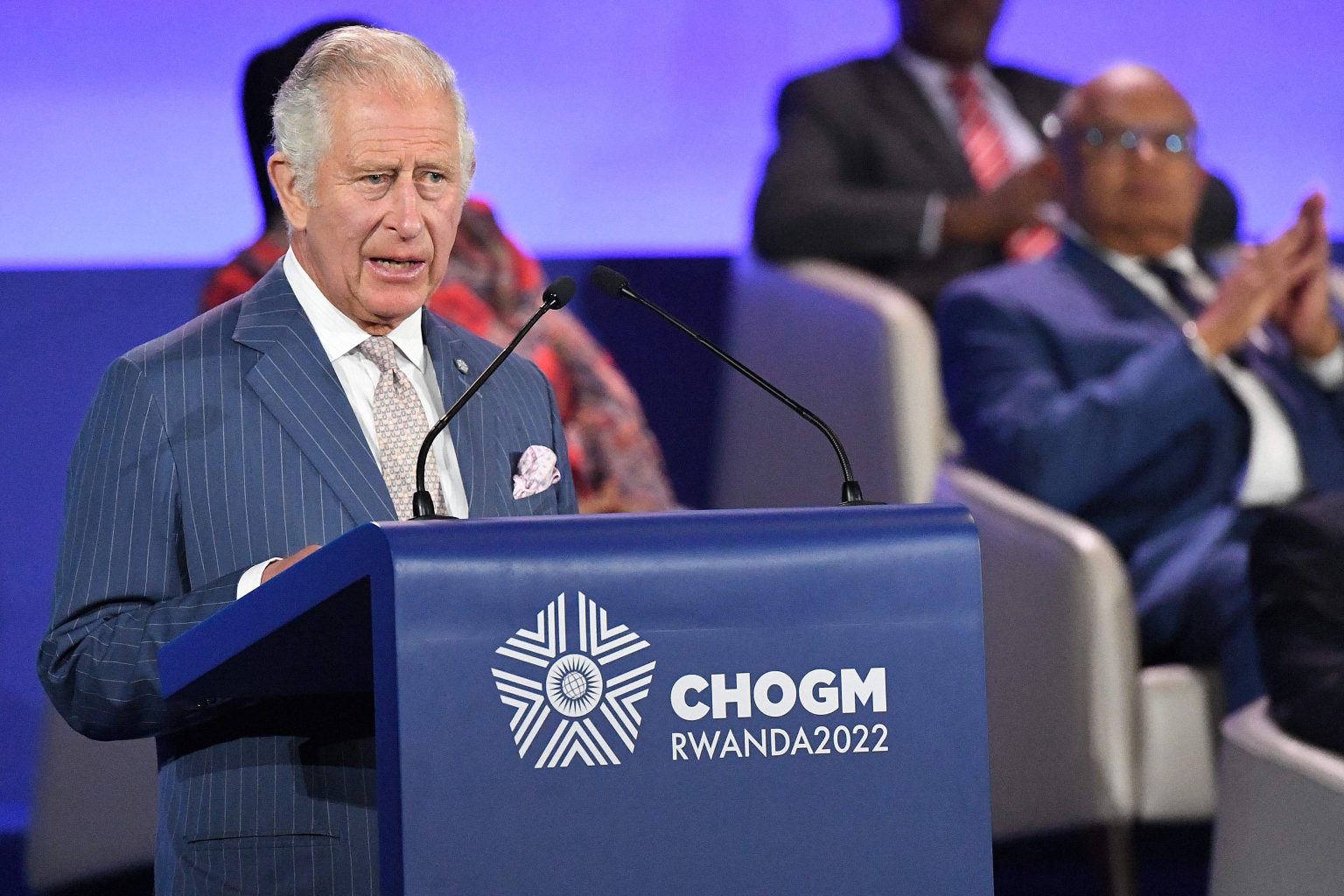
The United Kingdom (UK) has played a key role in participating in commercial investments in Africa in major production areas with varying results.

Africa’s road infrastructure remains essential for landlocked countries, where opening manufacturing zones are needed. Reliable road transport is required for businesses to import and export goods, complete orders, and procure supplies.
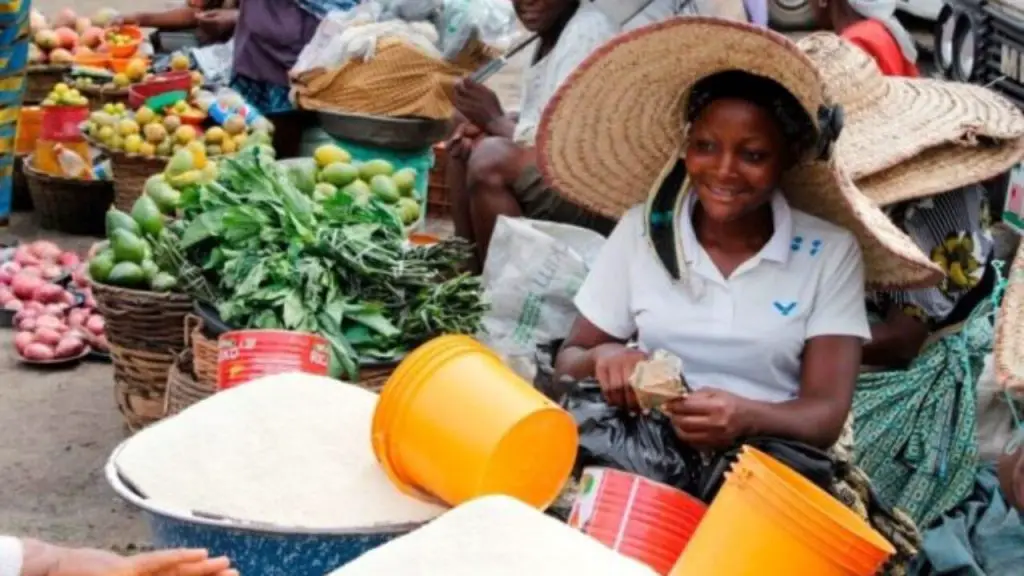
Rising costs have remained a critical issue in the aftermath of the outbreak. Data from the World Bank/NBS Nigeria – COVID-19 National Longitudinal Phone Survey 2020 reveals that food prices rose rapidly following the pandemic. In March and April, basic food commodity prices increased by 17.2 per cent and 18.37 per cent, respectively. According to the National Bureau of Statistics (NBS), the rise remains the highest in two years.
Recent findings based on comprehensive and long-term monthly food price data have revealed considerable price rises for all chosen food categories during the pandemic. Imported rice and wheat costs, for example, have climbed by 41% and 21%, respectively.
Wheat prices surged by 21% nationally, with considerable increases in price dispersion across markets when the epidemic began, and prices continue to grow.
Wheat is the main component of bread and other products such as noodles, pasta, semolina, and other Nigerian pantry staples. The consumption of these items is higher in cities due to easier market access than in rural regions. Nevertheless, bread remains a major staple throughout the country.
The practical implementation of the AfCFTA, the expanding middle class, the evolving consumer market, enhanced use of financial technology and services, and the efficiency of the vibrant private sector will all be enablers of African export diversification and long-term economic growth.