

Trending
- How to assess legitimate trading platforms in Kenya using trust, transparency and risk controls
- Kenya secures landmark EU data adequacy pact in first for Africa
- Kenya’s $37.3 billion budget that promises everything except development
- UNEP lauds Ghana tree planting push, terms it continental blueprint
- Blue-Raman: What EU funded new internet cable means for EAC
- Kenya’s huge food deficit mask a deeper failure of finance, FSD Kenya reveals
- Tanzania eyes Belarusian tractor model and motor pools to unlock untapped farmland
- AI-first telcos will lead the race in Africa


Author: The Exchange

The Exchange
- We provide economic news and analysis on the investment arena in Africa, with a particular interest in doing business. Our key areas of focus include banking, capital markets, energy, mining, manufacturing and industrial development.

There is still plenty to accomplish. Even after a year, the PIA is still in a transitional period, with committees deliberating its practical implications. One seasoned Nigerian expert questioned how much the NNPC would change due to its transition into a limited liability corporation. Still, post-PIA data suggests that Nigeria’s oil and gas industry may be moving in the right direction.
A currency crisis is defined as a quick and abrupt depreciation of a country’s currency. Currency depreciation goes in tandem with turbulent markets and a loss of confidence in the country’s economy. Historically, crises have arisen when market expectations induce significant movements in the value of currencies.
The global economy is now in turmoil. As the world economy enters another era of a currency crisis, the value of the US dollar keeps rising. Over half of all international trade is billed in dollars. A stronger dollar thus hurts consumers globally, particularly in Africa, who rely on dollars to pay for imports.
The US Federal Reserve’s hawkish approach to increasing interest rates more aggressively than central banks in other major countries has contributed to the dollar’s appreciation. The fact that investors generally see the dollar as a “safe haven” asset during times of economic turmoil has added to its resilience.
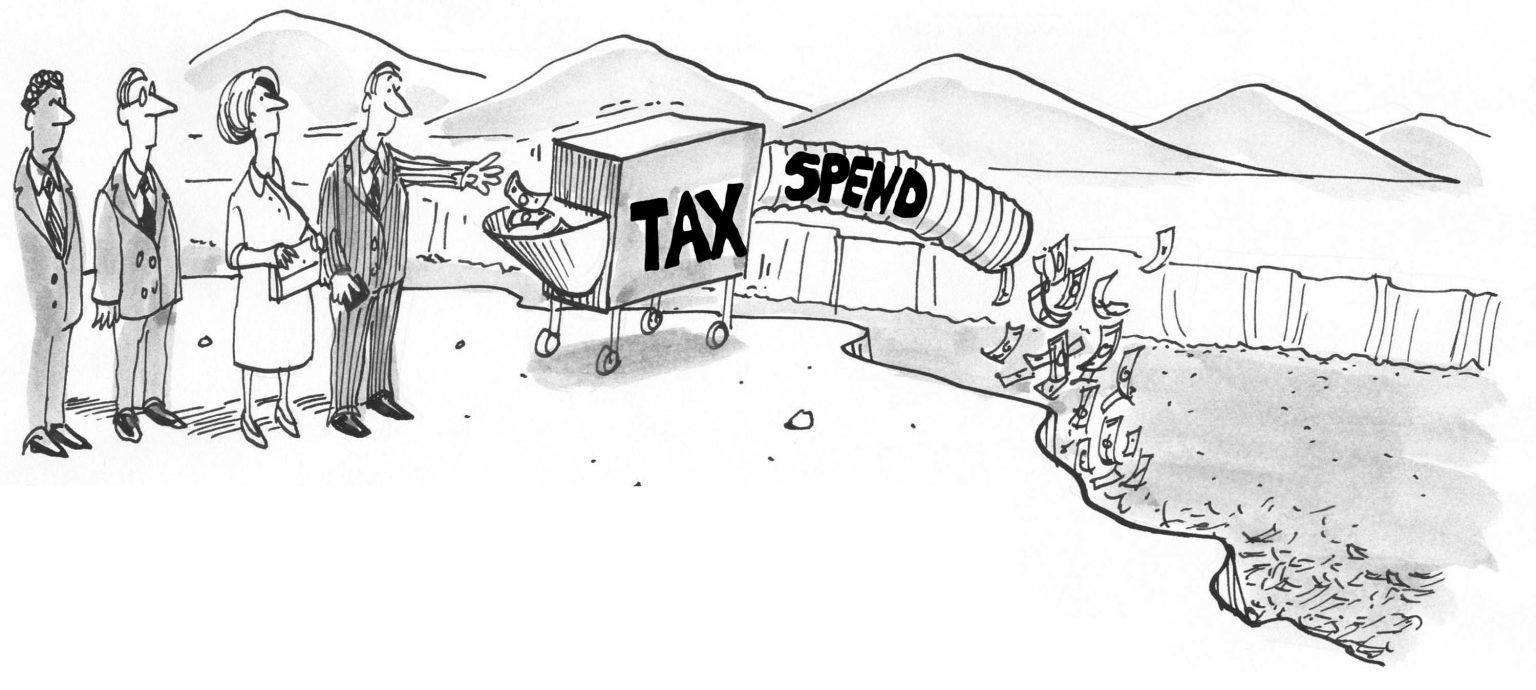
Countries must continue to work to mitigate their vulnerabilities over time. This involves minimizing balance-sheet misalignments, establishing money and foreign exchange markets, and lowering exchange rate passthrough by increasing monetary policy credibility.
However, in the short term—while vulnerabilities remain high—the use of extra instruments may assist relieve short-term policy trade-offs when certain shocks occur. In particular, foreign exchange intervention, macroprudential policy measures, and capital flow controls may help increase monetary and fiscal policy autonomy, promote financial and price stability, and minimize output volatility if reserves are enough and these instruments are available.
Changes in monetary policy may have a substantial influence on all asset classes. However, by understanding the subtleties of monetary policy, investors may position their portfolios to profit from policy shifts and increase returns.
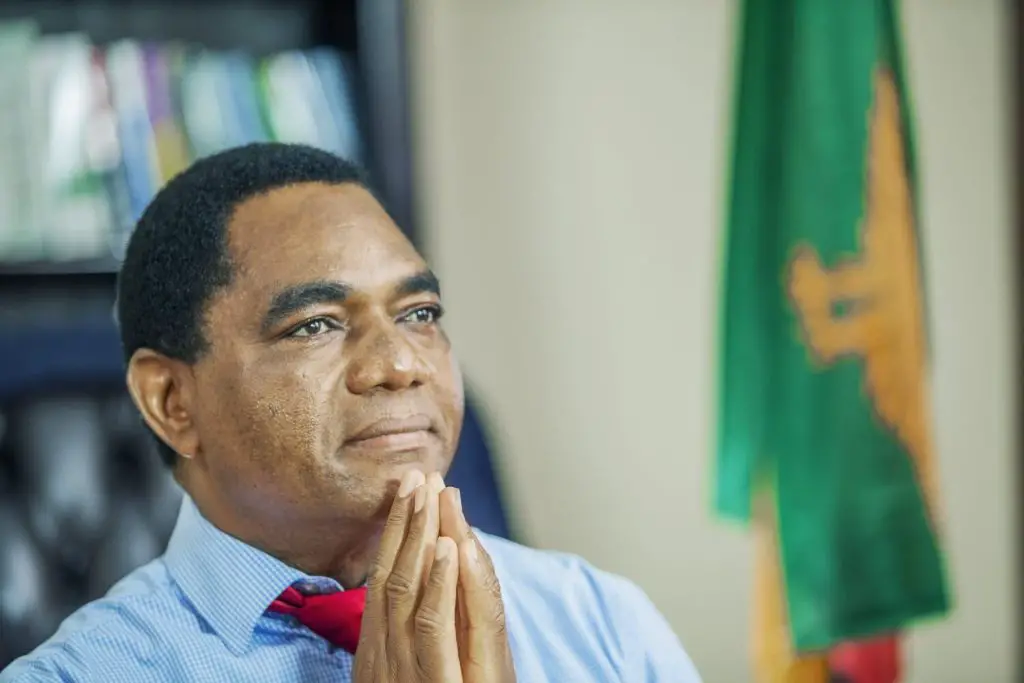
Zambia has dealt with the legacy of years of economic mismanagement, with an especially inefficient public investment drive. Zambia has been in debt distress. Therefore, the country needed a deep and comprehensive debt treatment to place public debt on a sustainable path.
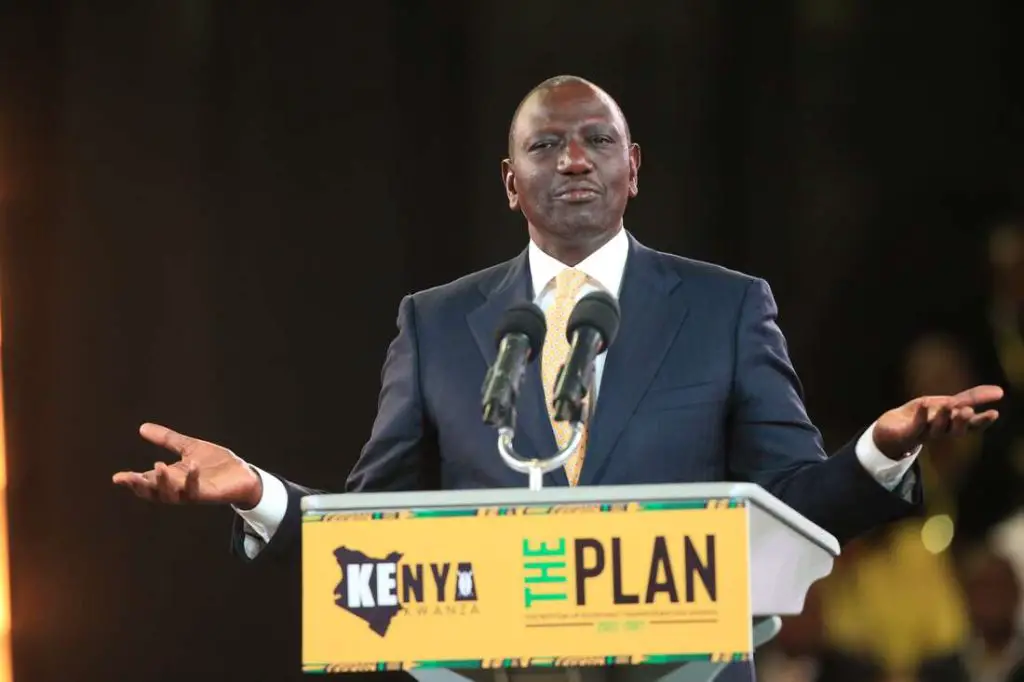
Kenya has not been left behind in the growth and development of technology. East Africa’s richest economy stands tall in the development of digital technology. However, a lot needs to be done, and the new administration has enough space to execute its plan regarding the advancement of the Kenyan digital space.
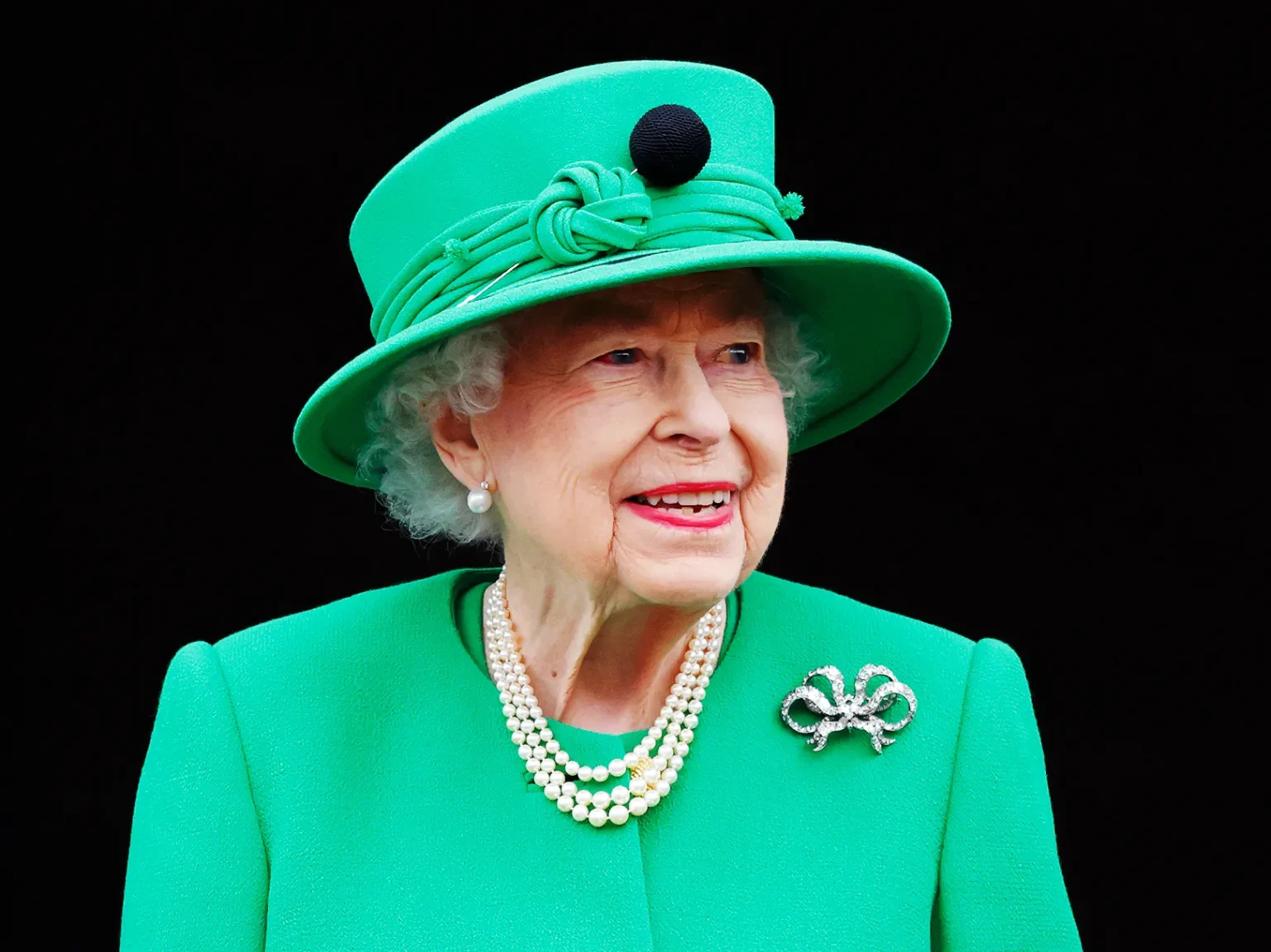
Queen Elizabeth II’s leadership of the Commonwealth for the past seven decades has remained admirable. She steered the institution’s evolution into a forum for effective multilateral engagement whose potential to drive tremendous socioeconomic progress remains incontestable and redounds to the Queen’s historic legacy.
Over the years, Britain’s interactions with its former colonies in Africa have grown to diplomacy, aid, trade and economic growth. The Queen has, over the years, remained highly revered and recognized as the head of the Commonwealth. The Queen has now rested. Her death breeds a wave of uncertainty about the future of the organization. The possibility of the status of the British monarch also disappearing becomes more visible. At this point, the rout of the British monarchy in Africa could be complete.
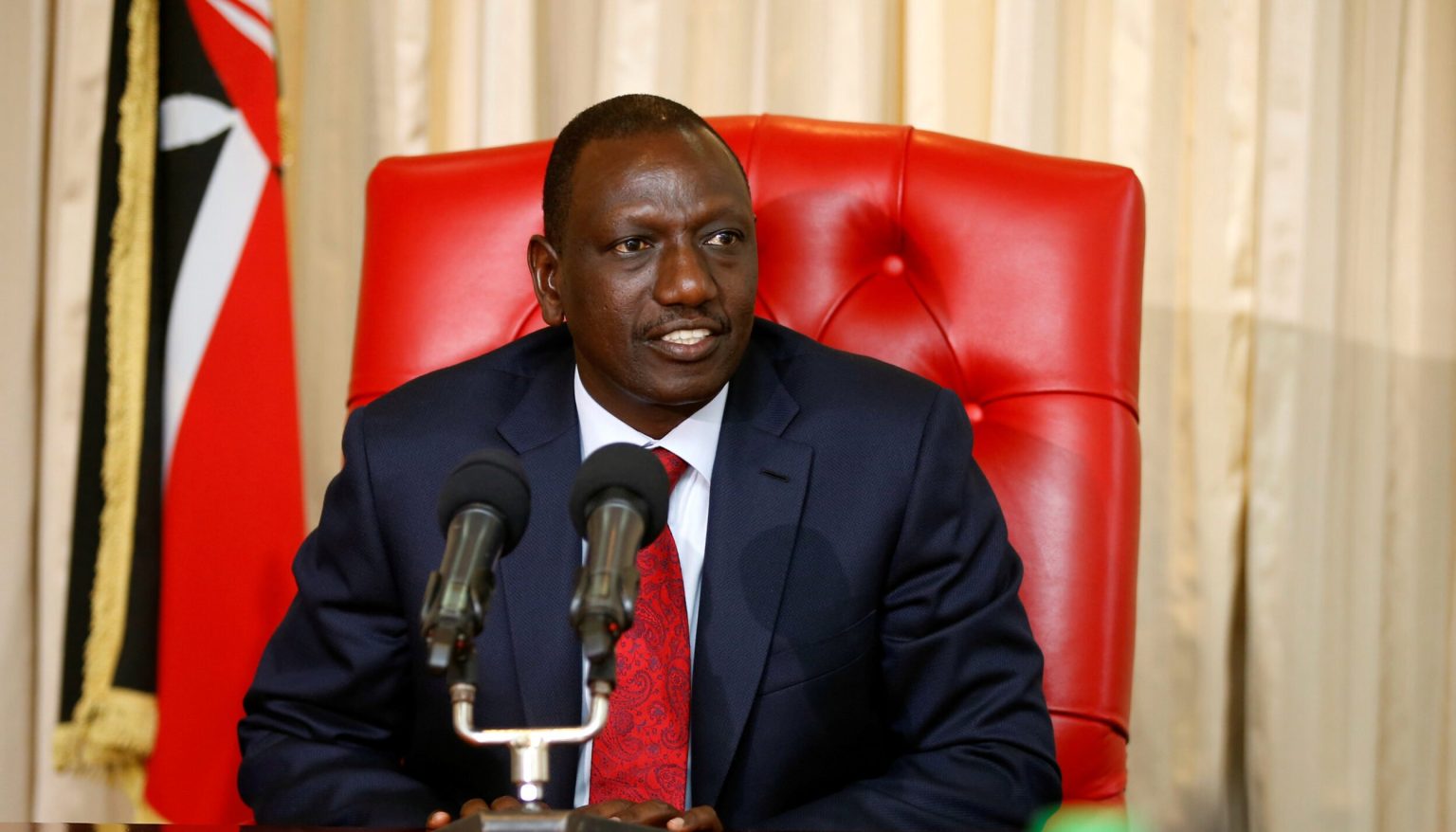
The confirmation of William Ruto as president indicates that Kenya will remain on track with its IMF program and plans to strengthen medium-term public finances, but a sovereign credit 2022 ratings downgrade remains inevitable in the subsequent months.

Today, being an online trader or digital shopper only requires one to have a smartphone, internet connection, a convenient social media platform and some products to sell or to buy.
One of the major hindrances to e-commerce across the world is inadequate online payment systems. In Kenya, however, mobile payment platforms have placed the East African nation at the top of other global economies. For this and many other reasons, Kenya is ranked third in Africa after Nigeria and South Africa, in terms of online shopping volumes, according to an article published in the Daily Nation last year.
All said and done, while you enjoy the convenience of online shopping, doing so comes with risks that can frustrate the modern way of shopping, leaving consumers and dealers vulnerable to the antics of online criminals.
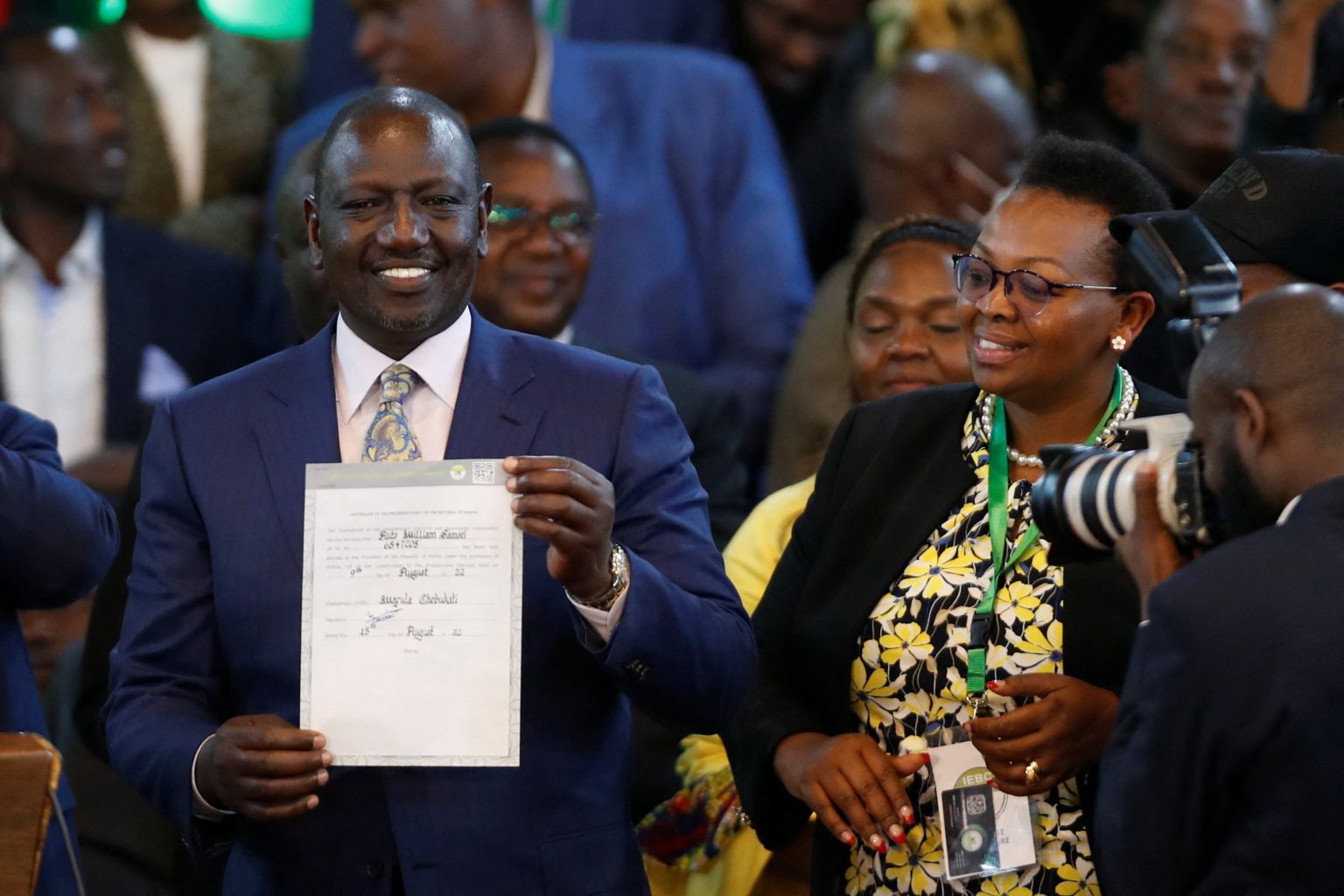
Ruto’s bottom-up economics plan, as described in his manifesto, appealed to the electorate all over the country. The high cost of living and the rising commodity prices have mainly caused despair and hopelessness among those at the bottom of the economic pyramid.
Ruto’s promises, if realised, might give significant relief from poverty and insecurity, notwithstanding the current catastrophic drought, weak institutions, and worldwide economic instability.
Ruto’s victory is thrilling for the most vulnerable members of Kenyan society. Still, if the incoming president fails to deliver on his campaign promises, political confidence will be difficult to regain, and social unrest will likely occur in the long term.