
Trending
- How to assess legitimate trading platforms in Kenya using trust, transparency and risk controls
- Kenya secures landmark EU data adequacy pact in first for Africa
- Kenya’s $37.3 billion budget that promises everything except development
- UNEP lauds Ghana tree planting push, terms it continental blueprint
- Blue-Raman: What EU funded new internet cable means for EAC
- Kenya’s huge food deficit mask a deeper failure of finance, FSD Kenya reveals
- Tanzania eyes Belarusian tractor model and motor pools to unlock untapped farmland
- AI-first telcos will lead the race in Africa


Author: The Exchange

The Exchange
- We provide economic news and analysis on the investment arena in Africa, with a particular interest in doing business. Our key areas of focus include banking, capital markets, energy, mining, manufacturing and industrial development.
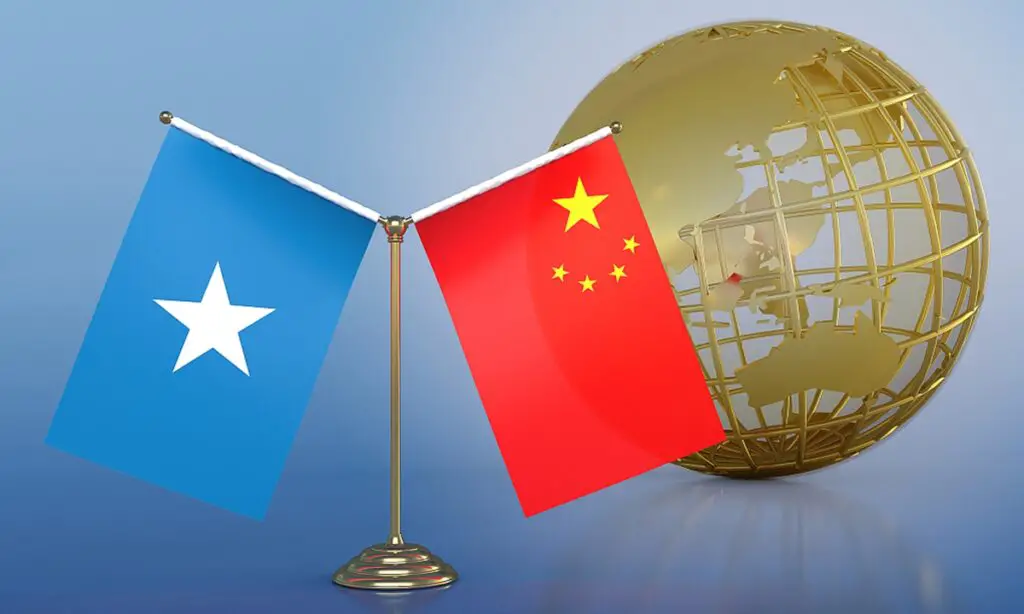
The diplomatic Somalia-China relations have played a crucial role in the Chinese government’s development of over 80 infrastructure projects in Somalia, including the national stadium, Banadir hospital, and north-south highway.

The challenge facing the EAC is not the lack of natural resources but the lack of high-tech industries. China is a perfect example of a country that transformed from an agricultural civilisation to an industrial one. More than 850 million individuals have been lifted out of poverty due to recent economic growth brought about by China’s industrialisation.
Without involvement in the fourth industrial revolution, the East African Community would never be able to escape its state of backwardness. Therefore, the DRC will catalyse industrial transformation inside the East African Community, Africa and the world.
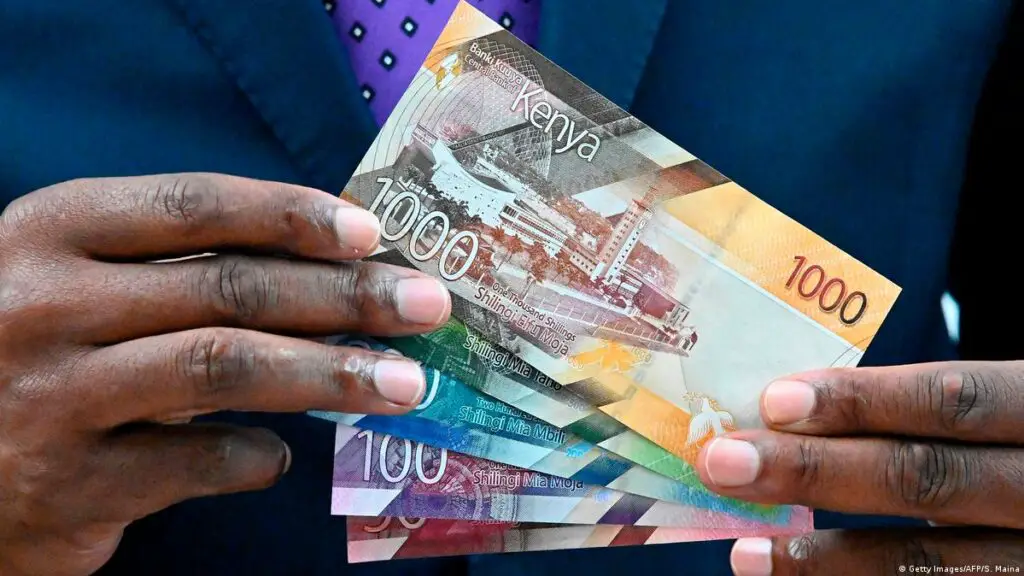
Kenya is one of 23 African nations at risk of debt distress. The major causes of debt distress include poor fiscal management and macroeconomic frameworks to sustain growth, a shift in debt structure toward more costly financing sources, and excessive government expenditure levels.
Kenya’s debt was at about 70 per cent of GDP in 2021, up from 50 per cent in 2015. China is Kenya’s biggest bilateral creditor. It accounts for 67 per cent of the bilateral debt (primarily for infrastructure projects), an increase from 13 per cent in 2011.
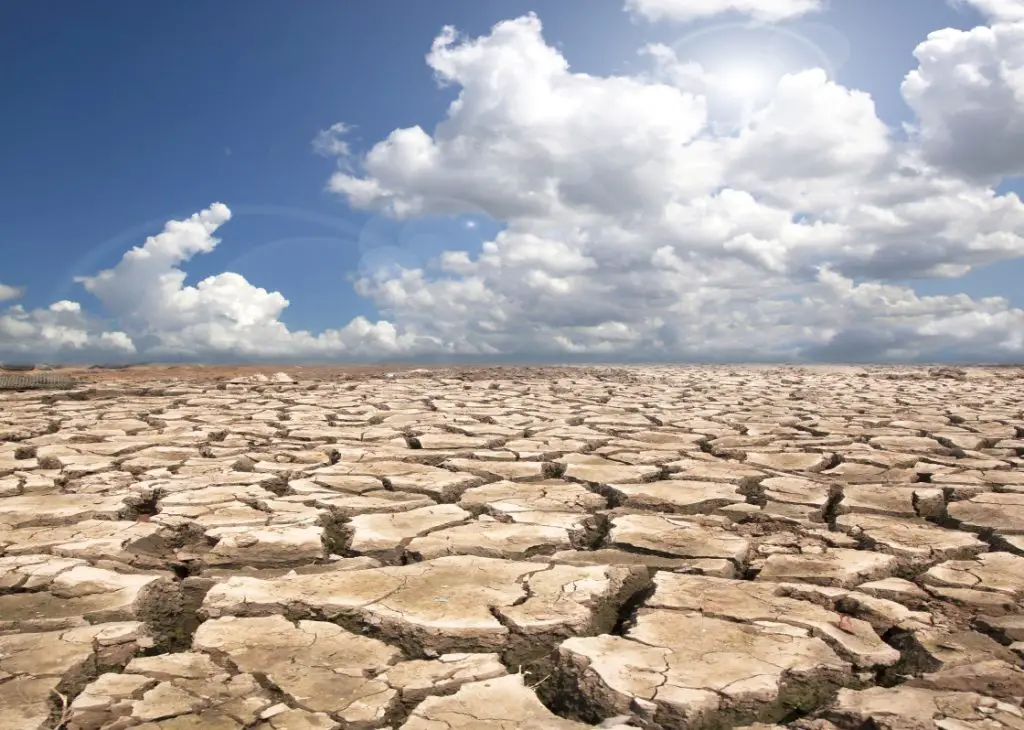
Policymakers must advocate for pooling resources to support the most affected, particularly in Africa. They can financially support and share land restoration and climate adaptation technologies. Collaborations to expand inclusion that can attain a new paradigm in climate change mitigation.
The leaders of the major polluting nations and donor countries, as well as the leaders of African nations—must commit to implementing policies, allocating resources, and taking the necessary actions to address the deteriorating climate situations globally.
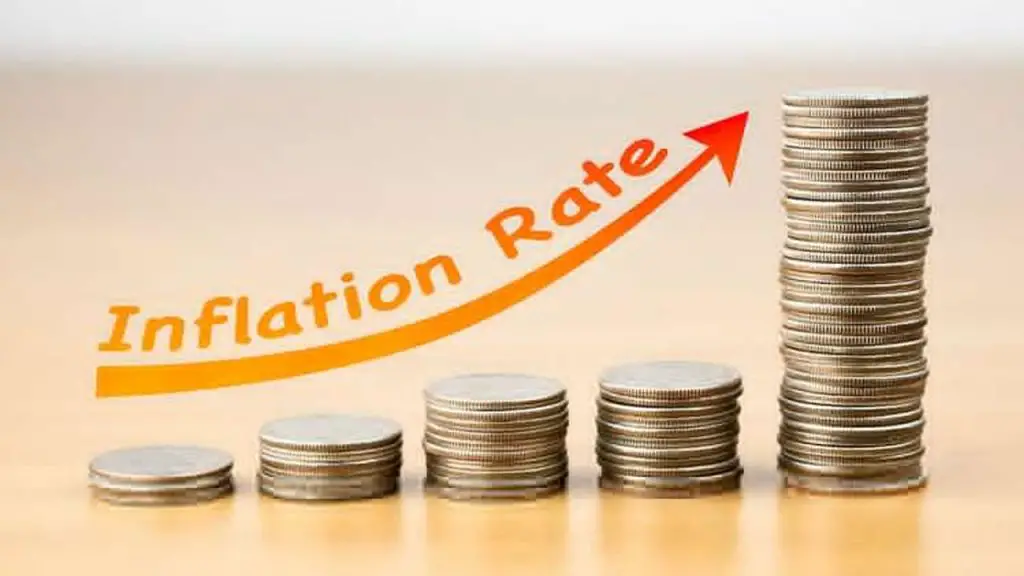
Some worry that monetary policy is still excessively accommodating, given that rate hikes have not matched inflation. Policy cooperation may be beneficial. Fiscal consolidation and a mix of rate rises and currency depreciation may play a role in nations where policy is overly permissive.
The shaky recovery in Sub-Saharan Africa, coupled with domestic demand constraints, has not significantly fueled inflation so far. However, in the coming months, governments and policymakers must carefully monitor and prioritise tackling the rising inflation in Africa.
Enhancing financial literacy is only one of the numerous ways Africa’s youth may be prepared for the future. Stakeholders must simplify financial literacy education and make it practical. Without simplified and functional financial literacy, one could fall victim to the prevailing financial challenges in a highly changing world marked by technological advancements. Improving financial literacy in Africa’s youth will help improve financial inclusion.
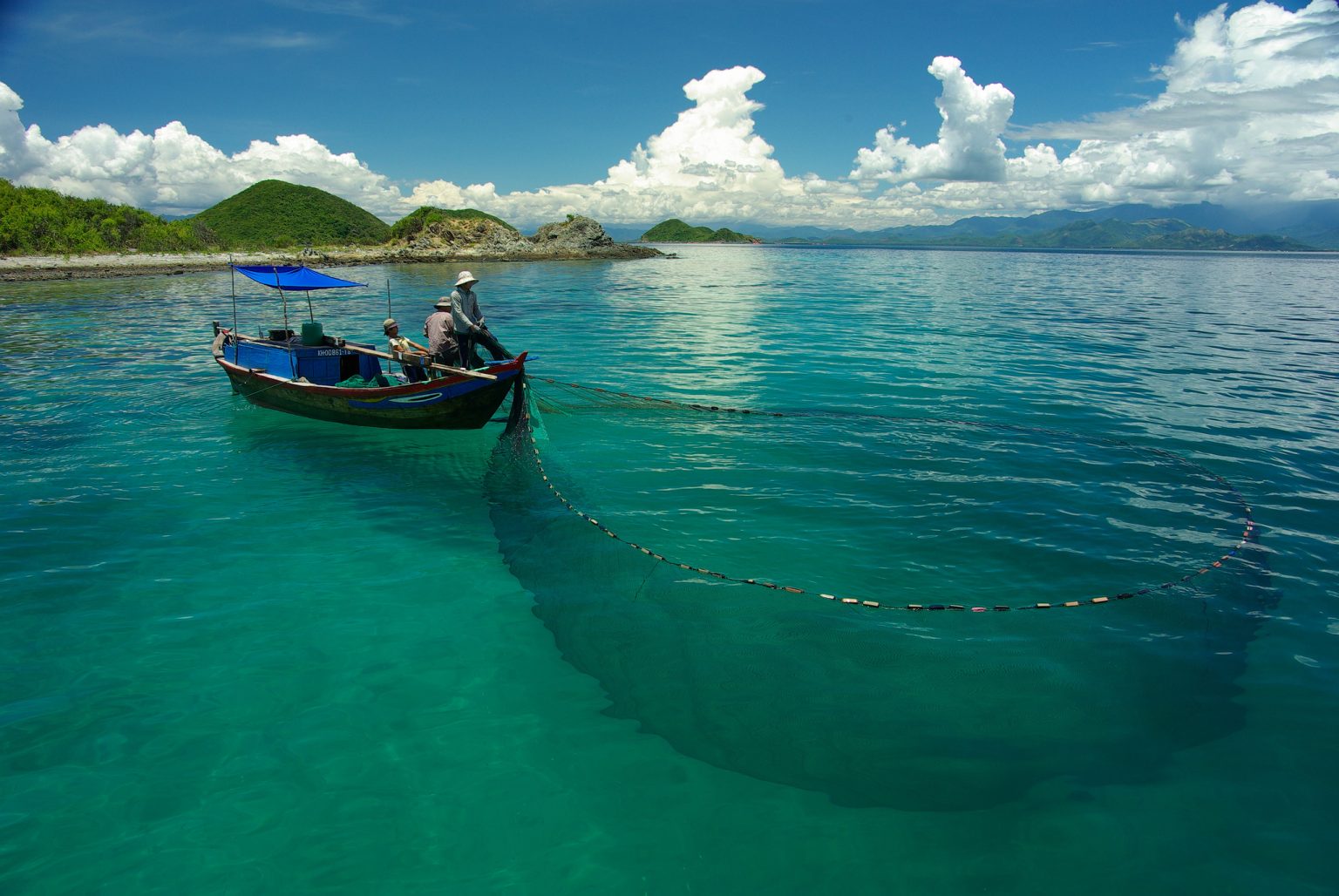
Africa seeks economic prosperity rooted in sustainable development and inclusive growth. Appropriate governance and exploitation of the latent potential in the African blue economy can accelerate economic growth. Consequently, this can help alleviate poverty throughout the continent.
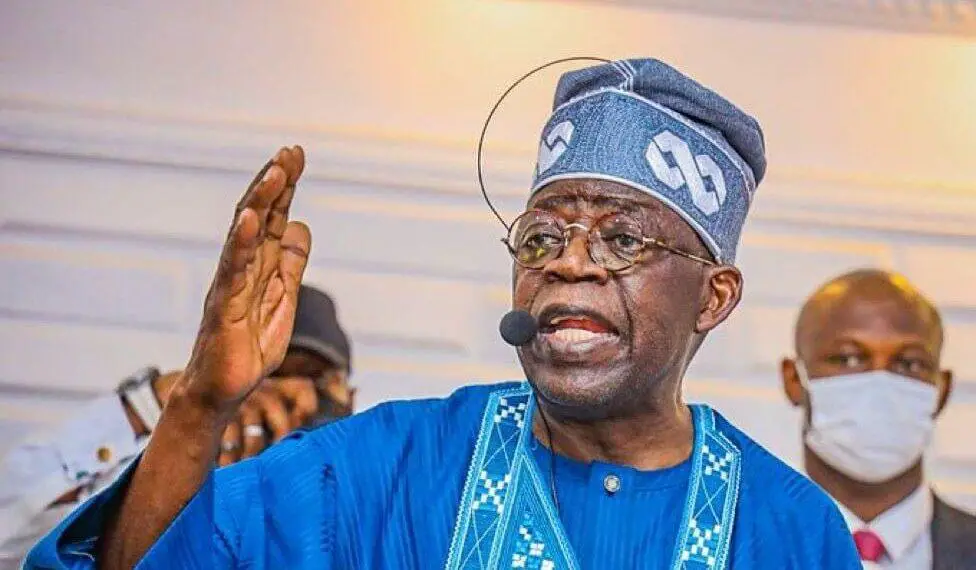
Nigerian presidential contenders must confront persistent insecurity, chronic unemployment, and a deteriorating economic outlook. Bola Tinubu outlined his vision before the Nigeria elections in 2023 in an 80-page paper released by President Muhammadu Buhari at a lavish ceremony on October 21, 2022.

According to the World Bank, skilled workers enhance the quality and efficiency of product development, production, and maintenance and supervise and train workers with lesser skills. As a matter of fact, countries with well-established TVET systems tend to enjoy lower youth unemployment.
This is because the orientation of TVET coupled with the acquisition of employability skills allows it to address issues such as skills mismatch that has impeded smooth school-to-work transitions for many young people. Lower youth unemployment is key to improving lives and building stronger communities necessary for growth.
There is no doubt that Kenya, Tanzania and Rwanda are leading their East African counterparts in promoting technical skills training in their respective countries.
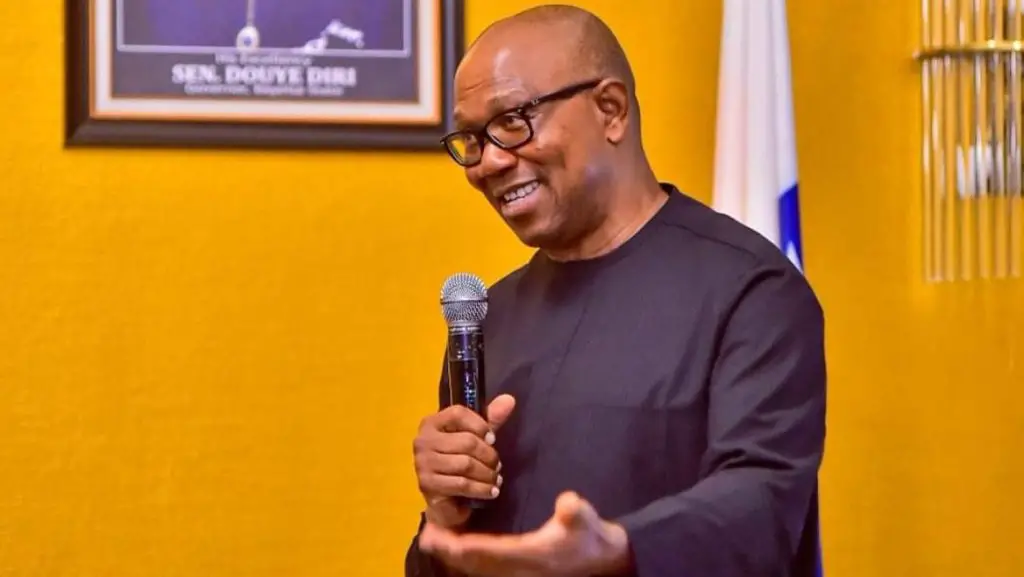
Some have wondered whether Obi will manage to upset the status quo that has defined Nigerian politics since 1999. However, great support for Obi has been borne of the young generation’s apparent frustration with Nigeria’s political class.
More specific, many people view the presidential candidates from the two major political parties, APC and PDP, as representatives of status quo politics that have left Nigeria on the brink of economic shutdown.
In the run-up to Nigeria’s presidential elections in 2023, the electorate confronts the challenges of soaring inflation, a plummeting currency, and prevalent insecurity. Crude oil, Nigeria’s economic backbone, has seen its production slump to multi-decade lows. Moreover, the government has seen its debt service exceed the earned revenue in the first quarter of 2022.