
Trending
- How to assess legitimate trading platforms in Kenya using trust, transparency and risk controls
- Kenya secures landmark EU data adequacy pact in first for Africa
- Kenya’s $37.3 billion budget that promises everything except development
- UNEP lauds Ghana tree planting push, terms it continental blueprint
- Blue-Raman: What EU funded new internet cable means for EAC
- Kenya’s huge food deficit mask a deeper failure of finance, FSD Kenya reveals
- Tanzania eyes Belarusian tractor model and motor pools to unlock untapped farmland
- AI-first telcos will lead the race in Africa


Author: The Exchange

The Exchange
- We provide economic news and analysis on the investment arena in Africa, with a particular interest in doing business. Our key areas of focus include banking, capital markets, energy, mining, manufacturing and industrial development.

With African nations in desperate need of economic boosts, reinventing the continent’s pharmaceutical “wheel” as a contributor to development has become critical. This crucial venture requires public and private participation and, of course, the willingness of the West’s Big Pharma!
Most Africans lack the means to seek qualified healthcare providers for quality medication. People turn to self-help and alternative medicine to avoid medical expenditures, which are often out of reach. With less than 400 drug manufacturers to cater to the more than 1.3 billion people on the continent, millions of Africans die or suffer from protracted illnesses without consistent access to even the most essential medicines. Widespread ill health can trap people in poverty, as healthier people are more productive.
The pandemic’s effects have exacerbated Africa’s healthcare crisis in the last two years. The situation has captured the attention of investors who noted the gap between supply and demand in the pharmaceutical sector. Apart from increasing healthcare results to have more productive individuals in the economy, boosting Africa’s pharmaceutical industry may generate enormous economic value.
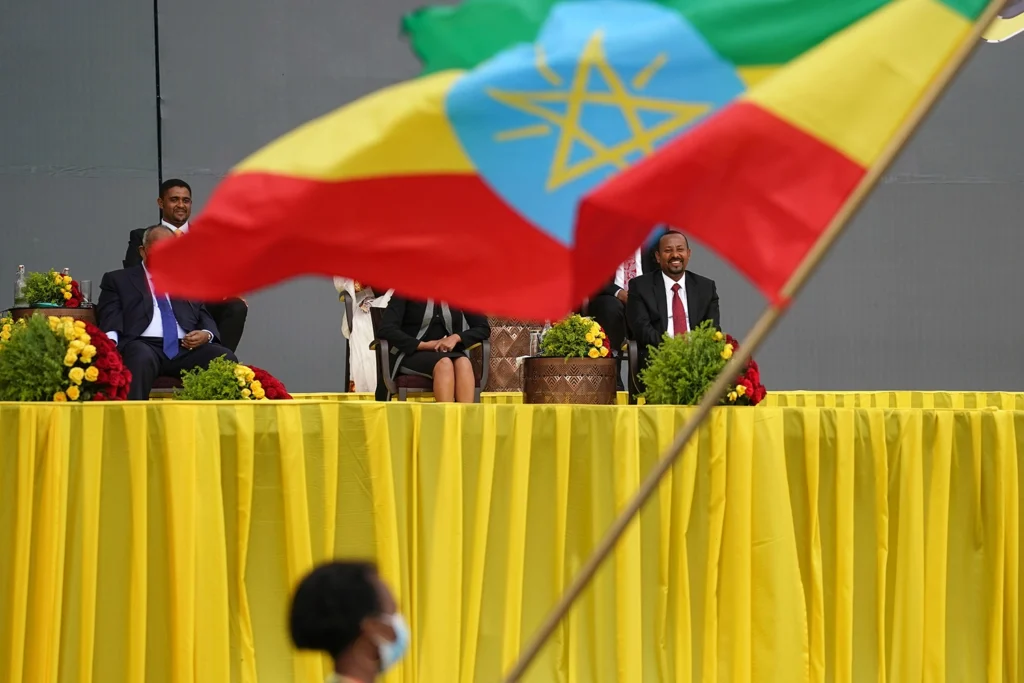
Undoubtedly, the return to peace after two years has restored hope Ethiopia’s economy can regain its growth momentum. According to officials, a permanent return to peace will help unlock more than $4bn in frozen funding. The funds will ease a crippling shortage of foreign exchange that plagued the economy even before the war began. Agriculture, the primary sector driving Ethiopia’s economy, should provide the much-needed boost to economic recovery.

Namibia has made progress on structural changes to foster economic diversification and boost productivity. Improving the business environment, promoting access to capital, improving governance, and decreasing skills mismatches are crucial for stimulating growth and achieving long-term debt sustainability.
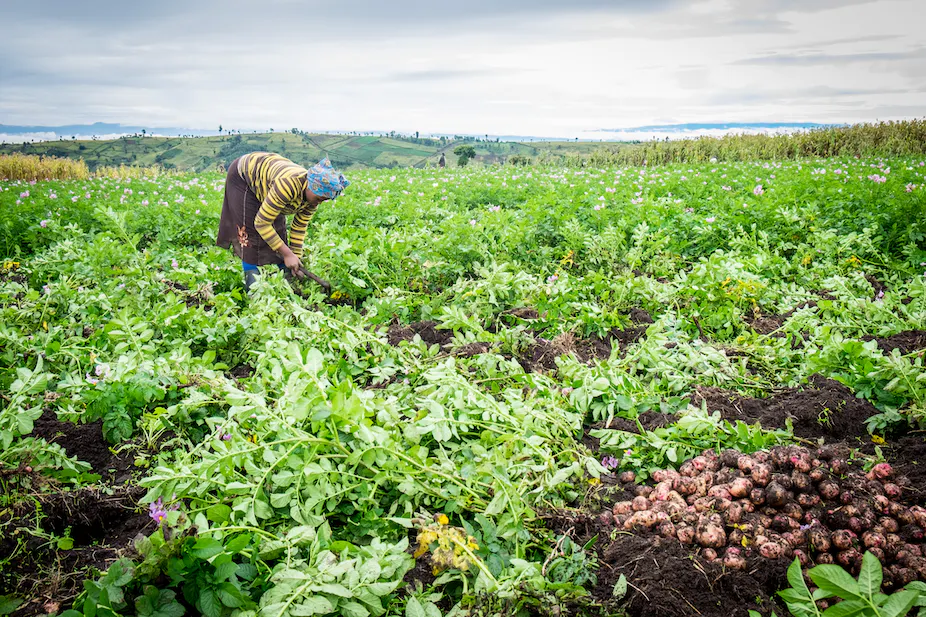
Time is running out for Africa to guarantee food security for its population. As the saying goes, it is not very reasonable to keep doing the same things and expect different results.
Africa needs crops that can withstand pests and disease, withstand drought, flourish without excessive pesticides and fertilizers, and produce healthy food. Africa needs crops to enable smallholder farmers to prosper. GMOs provide a powerful instrument for Africa to address these demands when other choices fail over time.
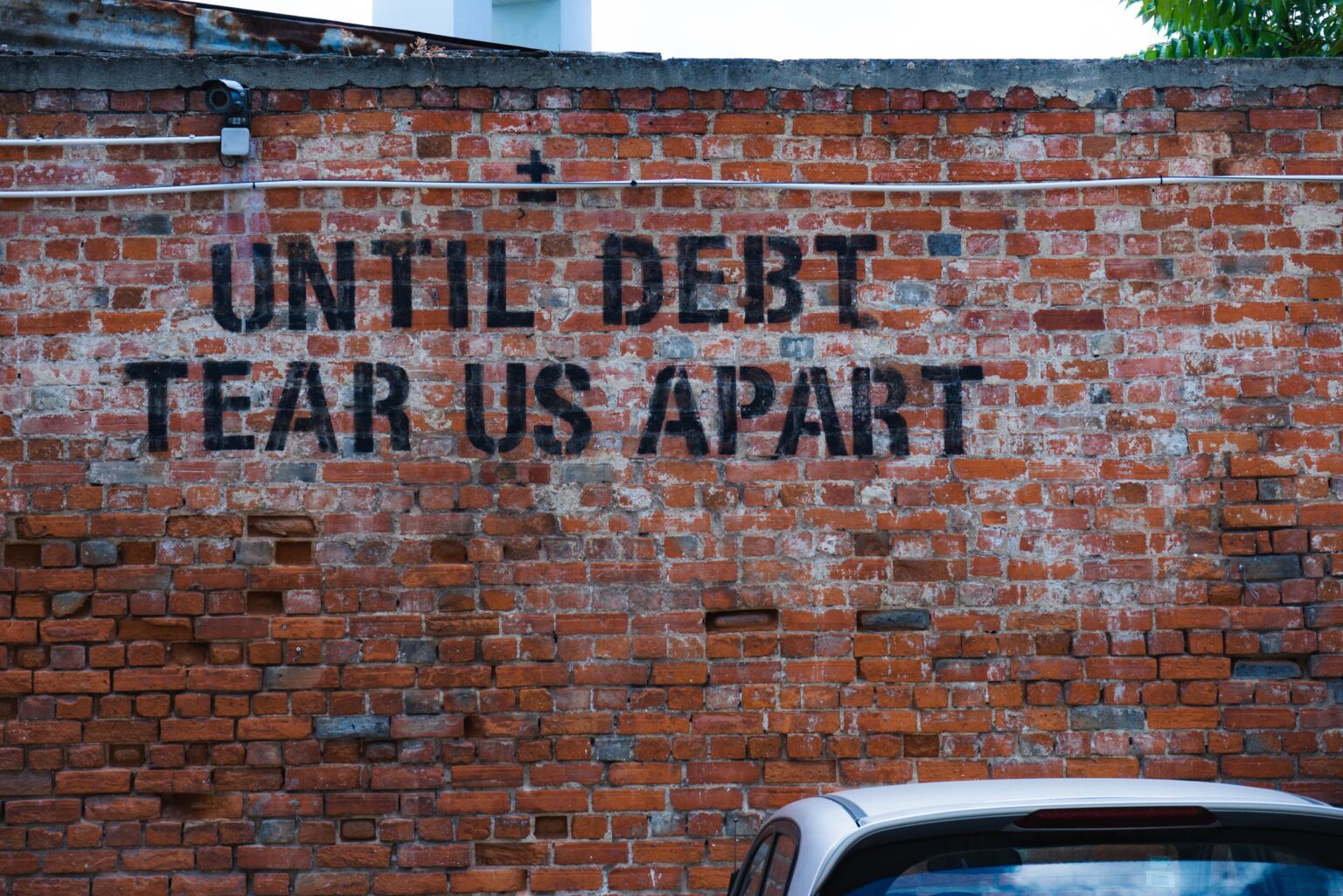
Sierra Leone’s government may have to impose severe austerity measures. These measures will address inefficiencies and inadequacies in allocating and administrating public resources. However, all hands must be on deck within these economic management measures. This will secure the ring-fencing of money for essential objectives like education, livelihood preservation, and health. These objectives remain critical to maintaining social stability and a rapid return to the economic recovery path.
Describing the signing of the five memorandums of understanding, Dawood Al Shezawi, Chairman of the Organizing Committee of the Annual Investment Meeting, stated that the MOUs come in the context of the ongoing efforts made by the Annual Investment Meeting to implement that strategic plan into real-world results that will encourage direct and indirect investment and drive sustainable development.
The Annual Investment Meeting (AIM) is an initiative of the AIM Foundation, an independent international organization fully committed to empowering the world’s economy by boosting effective promotion strategies and facilitating opportunities for economic productivity and expansion.
The Foundation also undertakes the operation and management of the AIM Global Investment Network and its 15 affiliated Business Groups, including the supervision of the Annual Investment Meeting Global and Regional Chapters.
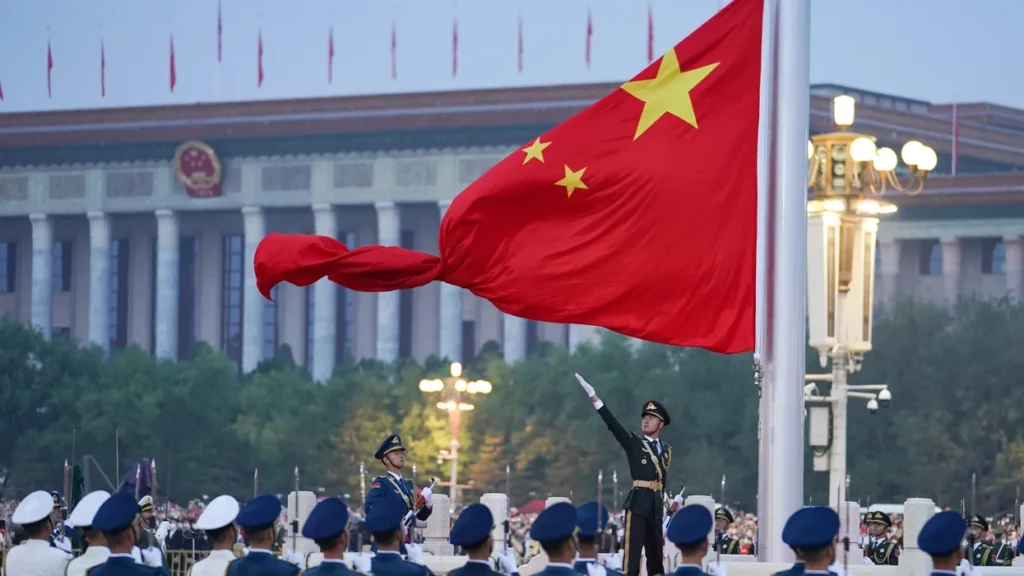
Xi Jinping has elevated the China-Africa friendship to its most significant level since Mao Zedong’s reign. With Xi getting a third five-year term and perhaps staying in power even longer, those relations will strengthen further. Thus, Africa will remain pivotal in China’s plans for global economic control.

Until substantial reforms are implemented, and remittance flows channelled towards long-term economic prospects, the diaspora will continue to be a net negative for weak African economies. Africa cannot depend on exporting its brilliant people abroad to bring money home forever. Thus, governments must establish vibrant economies that appreciate the continent’s human capital and enable bright individuals to prosper.

The transformative effects of DeFi on advancing financial inclusion, assisting African trade, and strengthening Africa’s economy match the technology with the global sustainability agenda and the UN Sustainable Development Goals. As a result, the industry is an attractive investment for investors, asset managers, and pension funds seeking to make their portfolios more sustainable while directly addressing social implications.
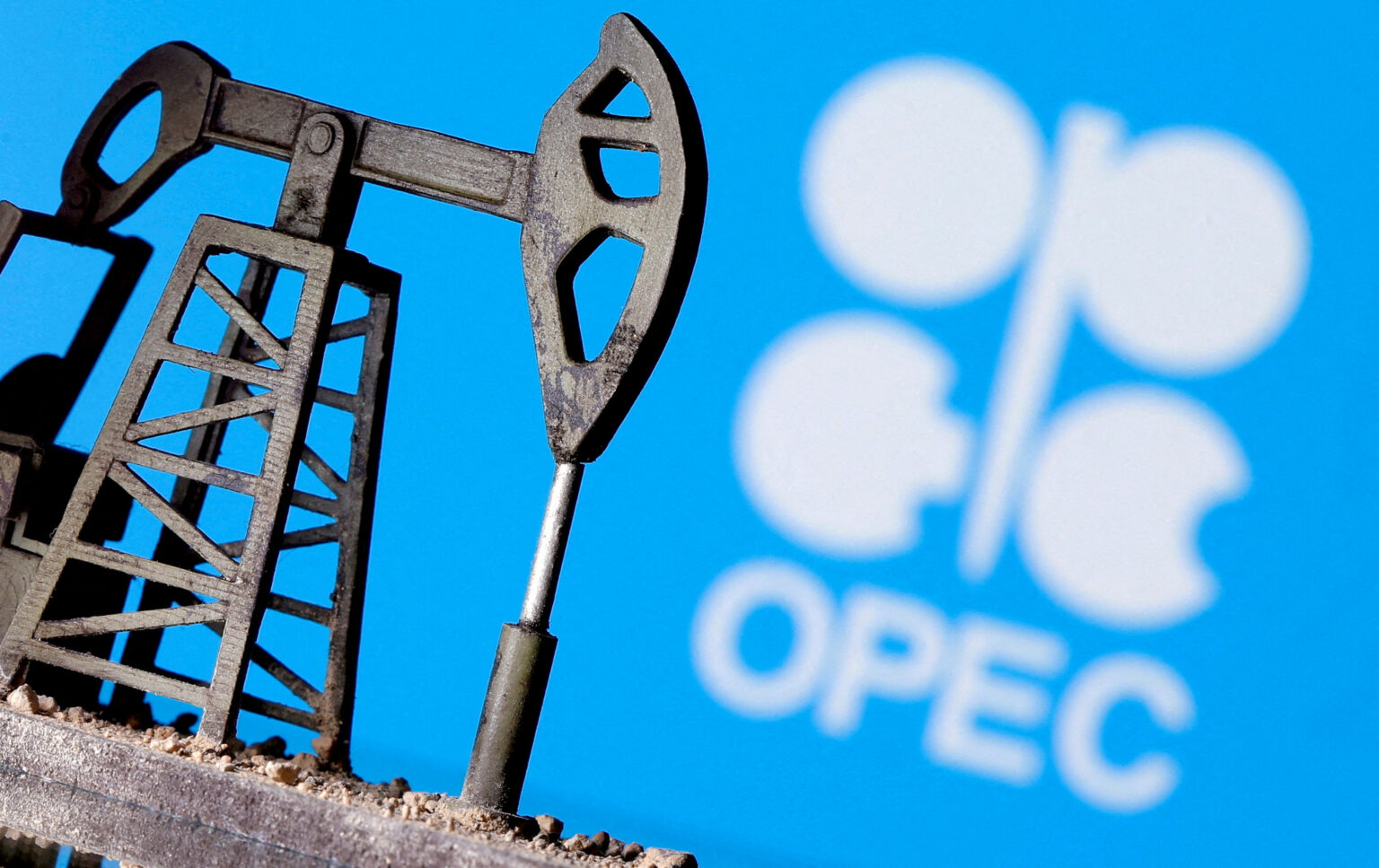
African governments must consider strategies to optimise the effective use of imported oil. The optimisation will reduce net oil import proportions to minimise expenses. More generally, African nations must explore these strategies to minimise their reliance on oil as their only energy source.
Reducing oil consumption by shifting to renewable resources represents a long-term or short-term solution. In contrast, if Africa is to benefit or gain from the imminent possibility of an increase in oil prices, these few oil-producing nations must expand their crude oil production and refinery capacity.