
Trending
- How to assess legitimate trading platforms in Kenya using trust, transparency and risk controls
- Kenya secures landmark EU data adequacy pact in first for Africa
- Kenya’s $37.3 billion budget that promises everything except development
- UNEP lauds Ghana tree planting push, terms it continental blueprint
- Blue-Raman: What EU funded new internet cable means for EAC
- Kenya’s huge food deficit mask a deeper failure of finance, FSD Kenya reveals
- Tanzania eyes Belarusian tractor model and motor pools to unlock untapped farmland
- AI-first telcos will lead the race in Africa


Author: The Exchange

The Exchange
- We provide economic news and analysis on the investment arena in Africa, with a particular interest in doing business. Our key areas of focus include banking, capital markets, energy, mining, manufacturing and industrial development.

East Africa has made huge strides in improving the tourism sector in the bloc. So far, three countries have embraced the Single Tourist visa making it easier for the bloc to market it as a single destination as well as allowing tourists access to all three countries from one visa.
The single tourist visa was introduced in 2014 as a pilot between Kenya, Uganda, and Rwanda. Under the initiative, tourists can choose between a single-country visa or an EAC tourist visa. With the latter, they are allowed to move freely between the three countries for a period of up to 90 days.
In October 2020, the East African Legislative Assembly (EALA) released a report citing the tourism situation in the region.
The EALA noted that certain overriding challenges, including sector underfunding, insecurity, and lack of harmonized policies and laws, need to be speedily addressed to ensure that the sector thrives.
This year’s progress has been threatened by Russia’s invasion of Ukraine, which has caused a global economic shock that has hit Africa at a time when the government’s policy space to respond to it is small to nonexistent.
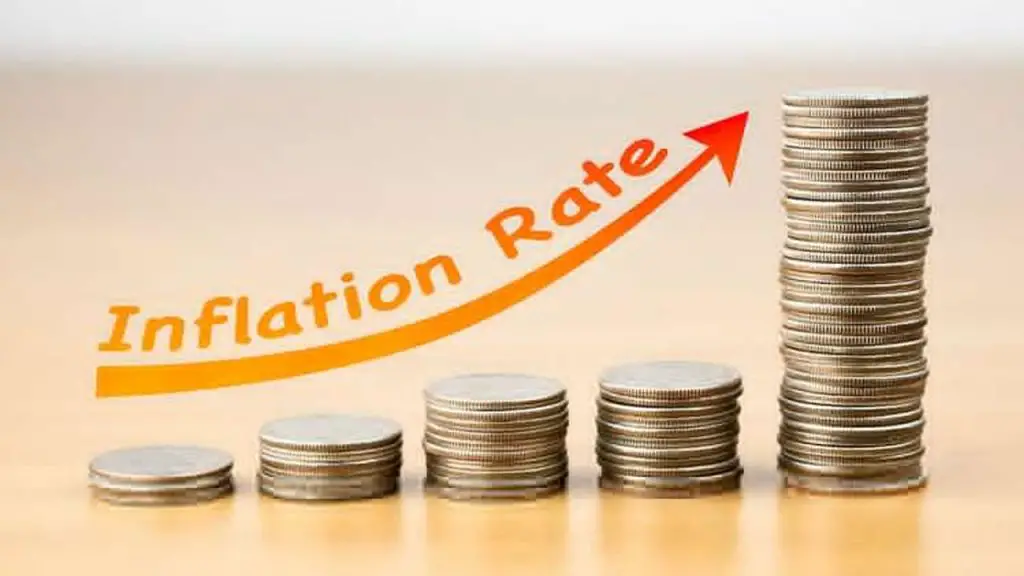
The rising commodity prices, surging inflationary pressures, and the contracting global financial situation have risked African trade and production capabilities. Moreover, the rising threat of sovereign defaults poses a severe risk to the growth of African trade. Thus, African trade prospects remain unclear, considering the challenging global economic scenario.
The Covid-19, energy and food shortages have hit with the countries having minimal or no policy space to respond. As a result, African countries have fallen into a real risk of debt distress and even possibilities for sovereign debt default.
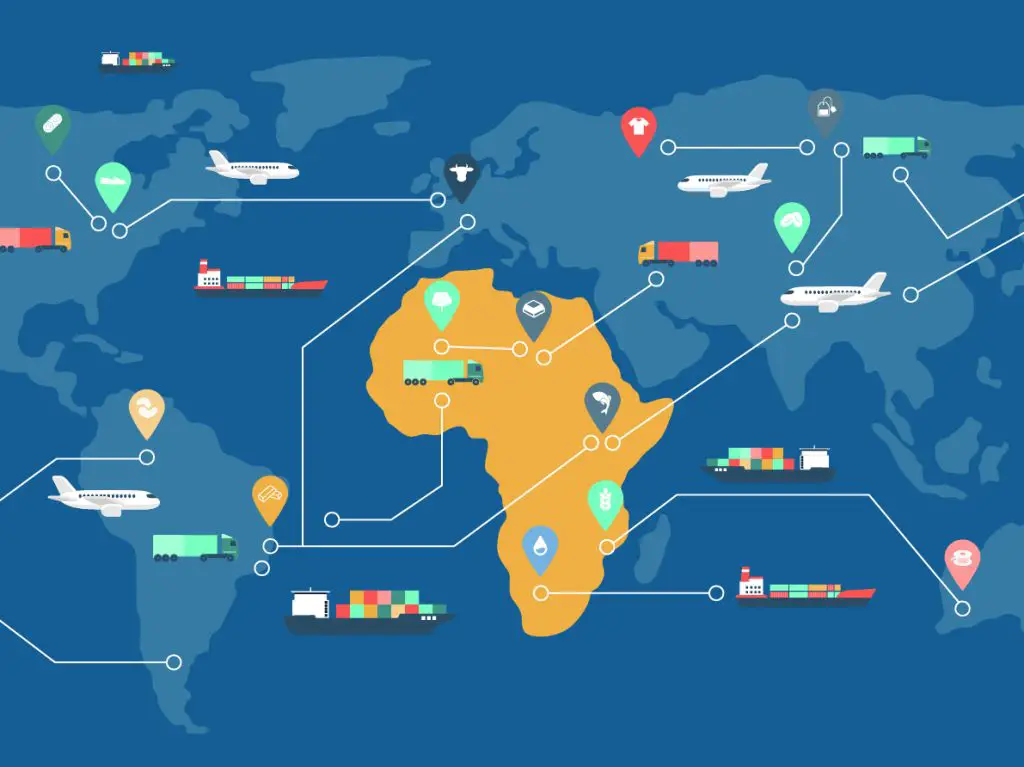
The world largely considers Africa as the next great growth market, a designation that has persisted for years. There are several reasons to be optimistic: the African continent has some of the world’s youngest populations, promises to be a key consuming market over the next three decades, and is becoming more mobile phone-enabled. Because access to smartphones and other devices improves consumer information, networking, job-creating resources, and even financial inclusion, a rising digital ecosystem is especially important as a multiplier of heightened economic growth.
![Africa must look to improve and transform its agricultural practices to increase food production for food security and economic growth [Photo/Silvapinto] www.theexchange.africa](https://theexchange.africa/wp-content/uploads/2022/08/dreamstime_xl_116738955-scaled-1-1536x1024.jpg "Africa: Focus on transforming agricultural practices to boost food production")
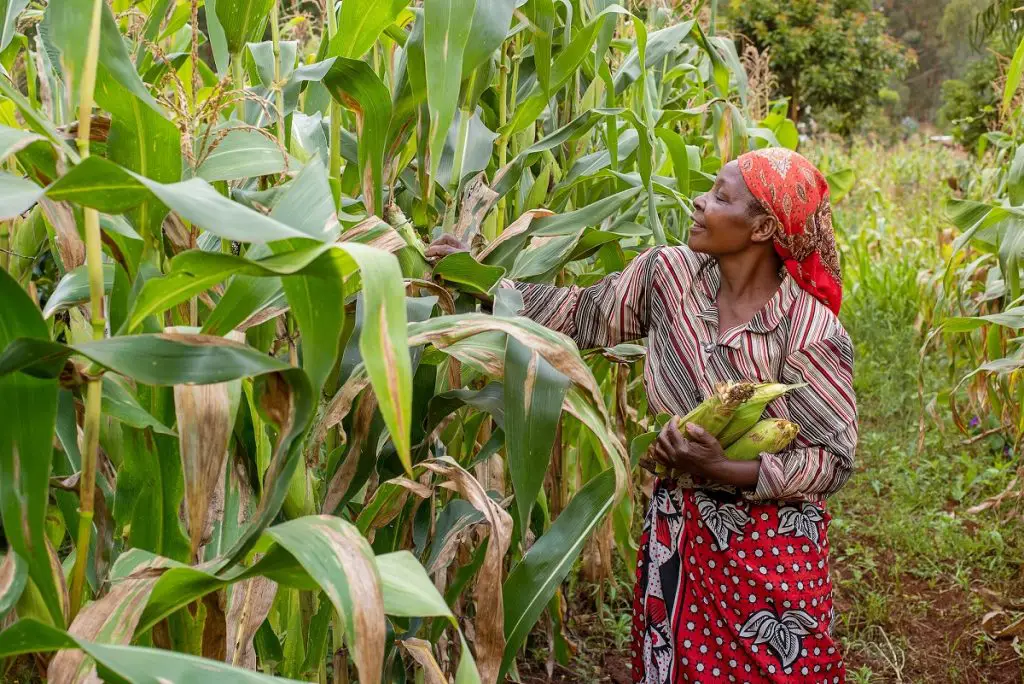
The agricultural transformation in Sierra Leone has demonstrated that delivery changes in traditional sectors may significantly impact food production when implemented effectively and under the appropriate circumstances.
As far as where to put money is concerned, Kenya has numerous investment sectors with tremendous potential. The prospective stability and economic recovery expected under the new administration will no doubt make way for the realization of huge money investments in the countries.

Economic diversification beyond commerce, as defined in the Djibouti Vision 2035 plan, the government’s national development program released in 2014, would depend primarily on the country’s capacity to sustainably enhance its tourism offerings.
While President Ismael Omar Guelleh’s administration has succeeded in increasing infrastructure investment, which is critical to fostering tourism, the nation still has a long way to go in enhancing international connectivity and domestic accessibility to become a top tourist destination.
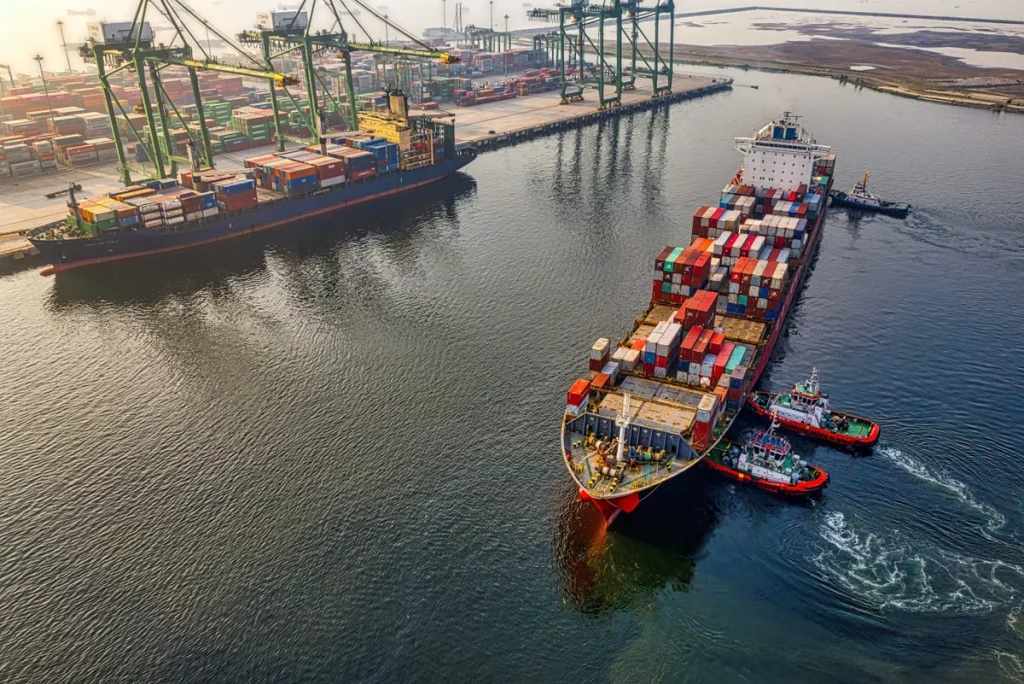
Recent economic growth and development within Southern and Eastern Africa have created positive opportunities to expand water transportation services. Owing to the impressive growth of the East African economy, where countries like Tanzania and Ethiopia have experienced remarkable growth rates higher than the regional and continental levels, there is a prospect for expanding cargo traffic. A few of the sub-regions ports are experiencing capacity constraints and congestion.
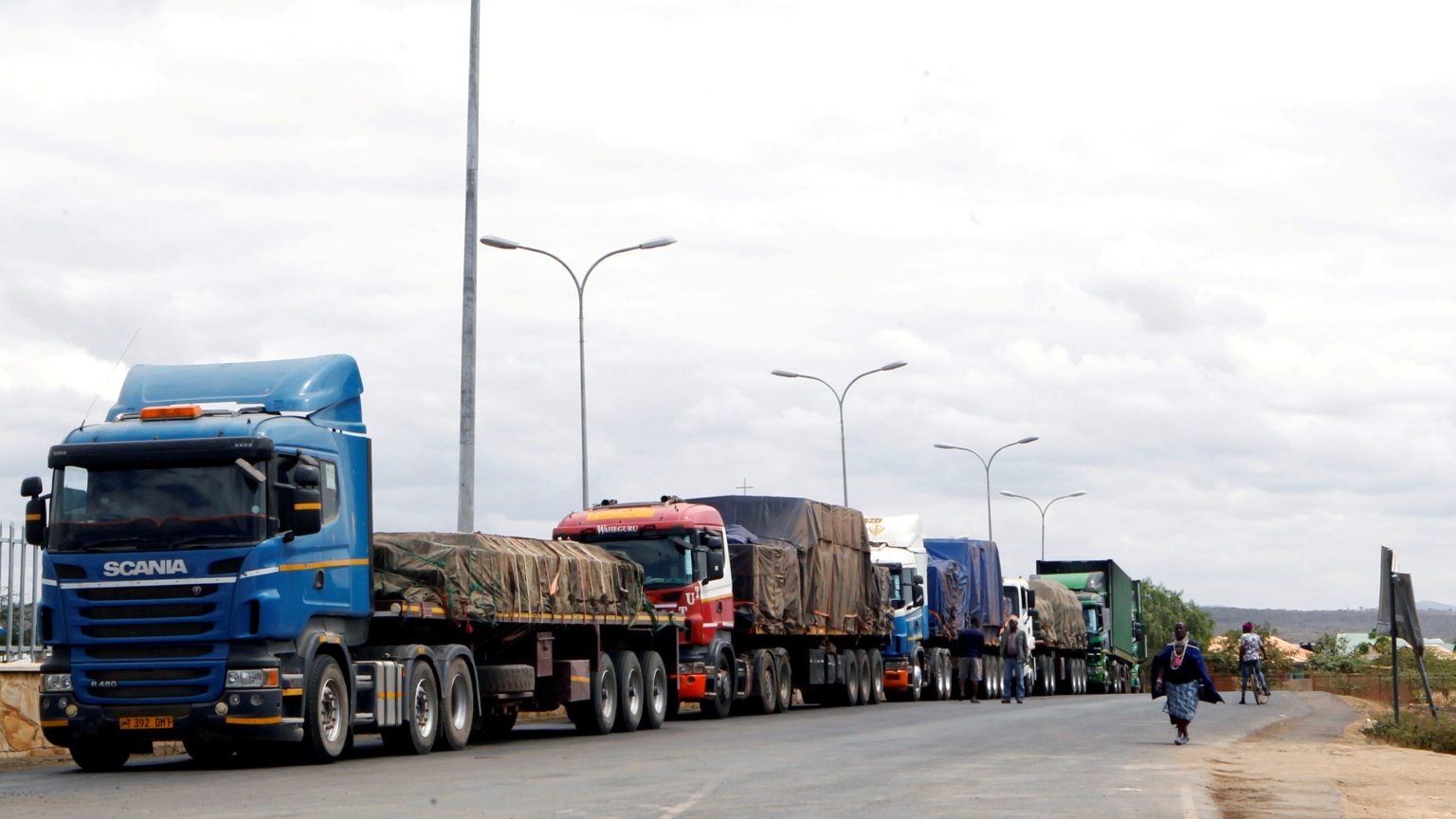
The difficulty of transferring commodities throughout Africa is not new to the continent. It is currently a key impediment to the AfCFTA’s prospects, especially in building regional industrial supply chain clusters. Africa’s massive infrastructure deficit has hindered regional trade and economic integration for decades, notably in transportation and supply chain fragmentation.
Some parts of the continent, specifically areas surrounding East African nations, do far better in cross-border movement and trade. However, most African countries fare poorly on metrics such as cross-border clearance processes. According to the World Bank’s Logistics Performance Index, the regions also struggle with trade quality, infrastructure, inconsistent tax regimes, and consignment trace and track techniques.
Digitalisation in Africa’s logistics industry will address some of these difficulties. Furthermore, the development of digital logistics startups has aided in the facilitation of connection, which is critical to the movement of commodities within the area and across borders.
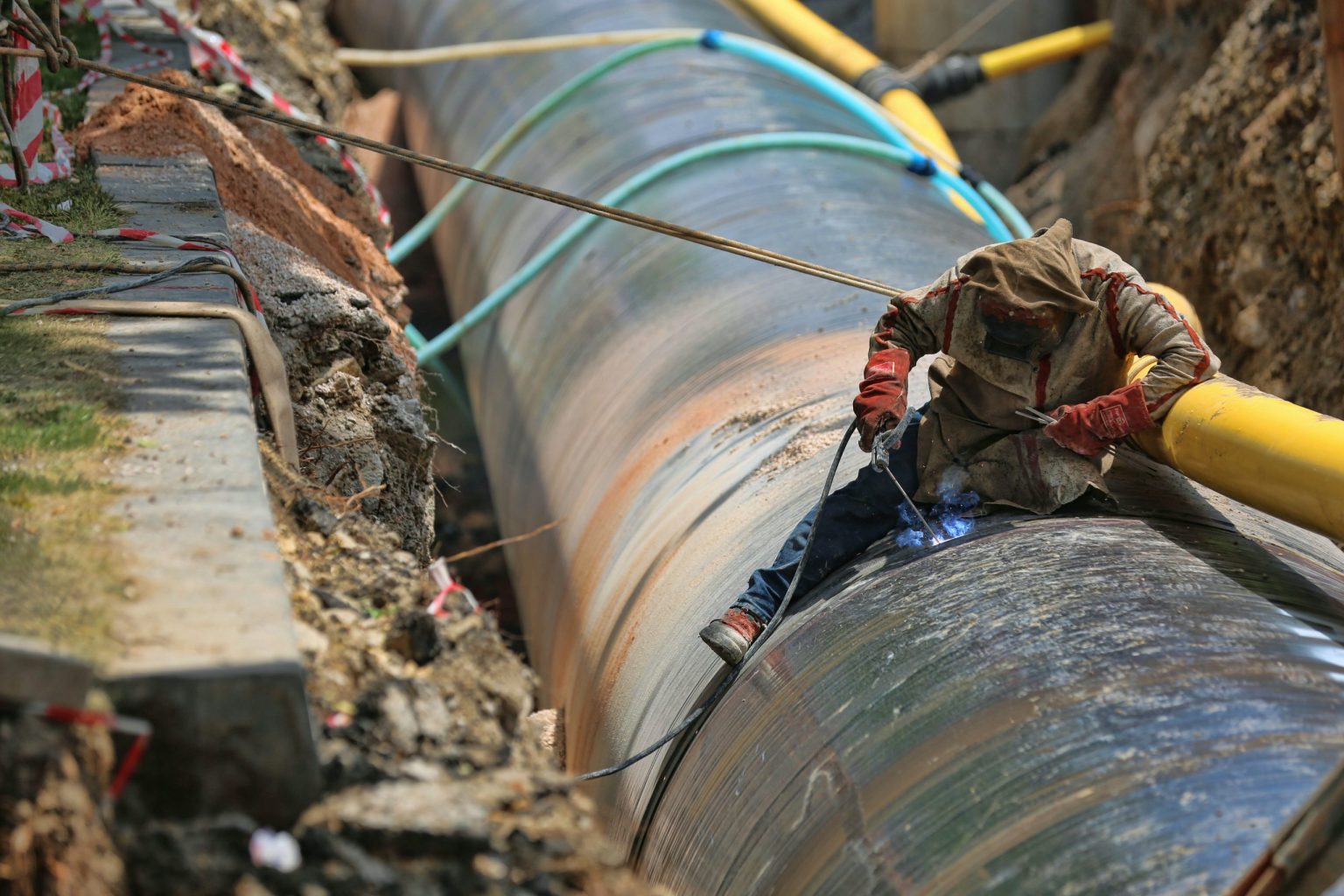
What is good for the goose must also be good for the gander. However, the EU commission has commissioned the Baltic pipe project, somewhat similar to the EACOP. The Baltic Pipe project was inaugurated on September 27, 2022, at an opening ceremony in Goleniów, Poland.