
Trending
- How to assess legitimate trading platforms in Kenya using trust, transparency and risk controls
- Kenya secures landmark EU data adequacy pact in first for Africa
- Kenya’s $37.3 billion budget that promises everything except development
- UNEP lauds Ghana tree planting push, terms it continental blueprint
- Blue-Raman: What EU funded new internet cable means for EAC
- Kenya’s huge food deficit mask a deeper failure of finance, FSD Kenya reveals
- Tanzania eyes Belarusian tractor model and motor pools to unlock untapped farmland
- AI-first telcos will lead the race in Africa


Author: The Exchange

The Exchange
- We provide economic news and analysis on the investment arena in Africa, with a particular interest in doing business. Our key areas of focus include banking, capital markets, energy, mining, manufacturing and industrial development.
Ghana finds itself in the classic emerging market trap. This comes from owing too much in someone else’s currency when the global economic tide turns. One ought not to read too much into an emerging economy getting creative with money or to confuse the confiscation of private assets with a more conventional process of fiscal retrenchment that would gain IMF approval. If the plan succeeds, Ghana may have saved itself from an economic meltdown, especially in a period widely considered as economic turmoil, per the World Bank’s analysis of the 2023 economy.

Over the past decade, African countries have accumulated external debt at a faster pace. The countries have capitalized on abundant, low-cost international credit for fiscal and balance-of-payments funding to help drive development plans.
Africa’s total external debt, accrued by both the private and public sectors, owed to foreign lenders, has surpassed $1 trillion. The related annual debt servicing costs broke through the $100 billion threshold for the first time in 2021.
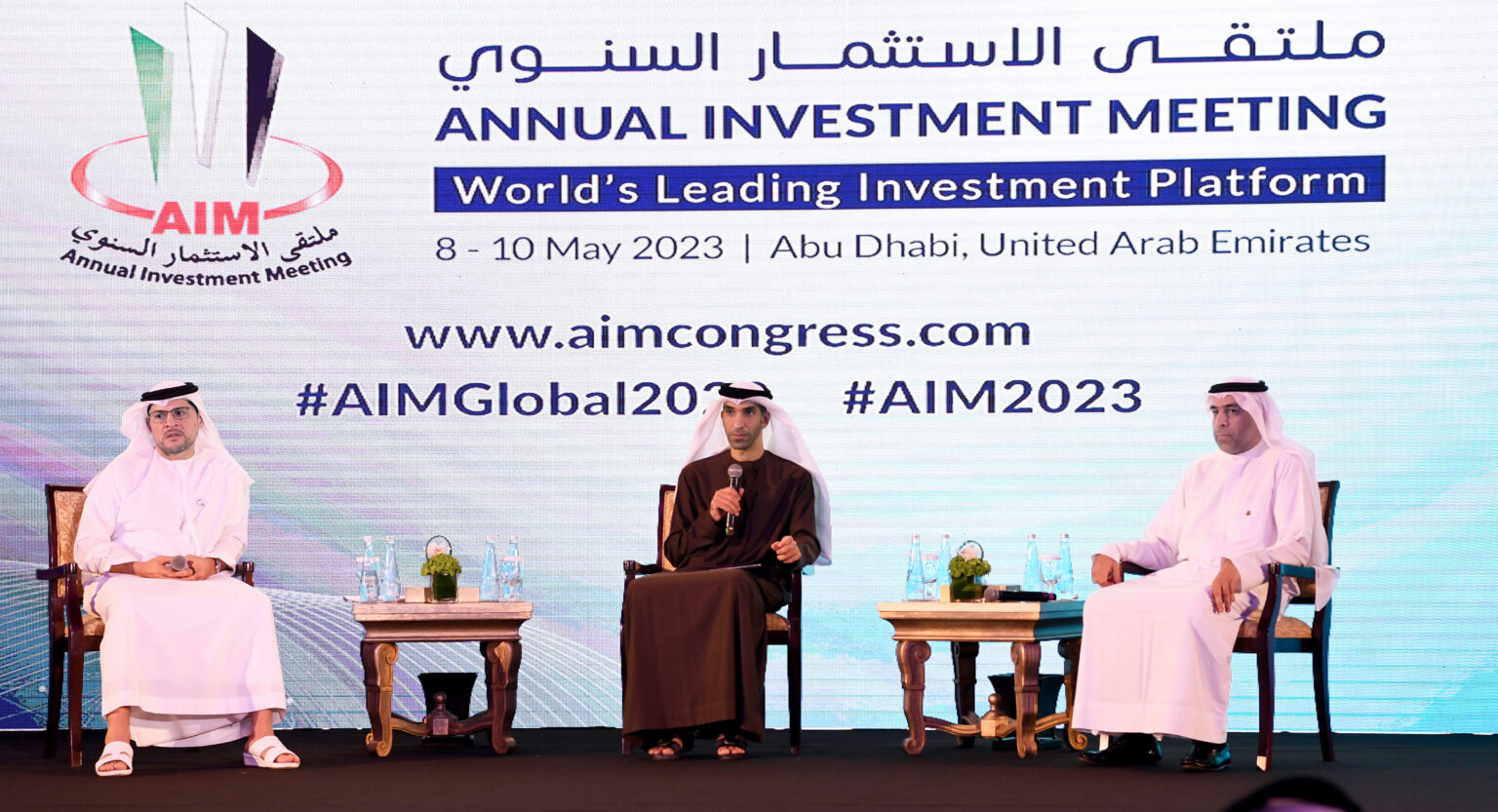
The Annual Investment Meeting (AIM) will be holding its 12th Congress in Abu Dhabi during May 8-10, 2023. This is in response to the rapidly shifting global climate. This year’s conference theme is “The Investment Paradigm Shift: Future Investment Opportunities to Foster Sustainable Economic Growth, Diversity, and Prosperity.” The conference is being sponsored by the Ministry of Industry and Advanced Technology of the Government of the United Arab Emirates. The global economic order is changing toward emerging countries, people, and economies that have the potential for enormous growth. AIM 2023 will serve as a launching pad for African nations during…
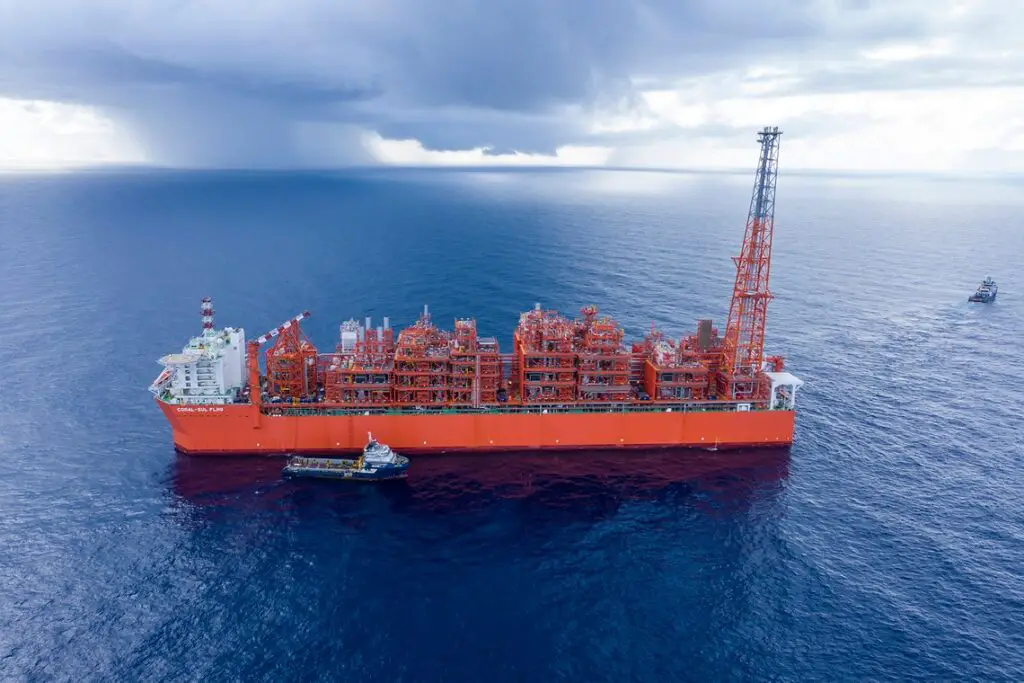
After a substantial decline in 2021, Mozambique’s GDP is expected to recover to 4.5% at the closing of 2022 and potentially expand to 5.1% in 2023. The impact of the Covid-19 pandemic, extreme climactic events and jihadist insurgency in the north of Mozambique were the driving factors of the contraction in the economy. As a consequence of violence in the northern gas-rich province of Cabo Delgado, French energy firm TotalEnergies, declared force majeure at its Area 1 site in May 2021, after an attack on a nearby town. Several mines and other businesses in the province have also suspended operations…

There appears to be a consensus that the world is finally turning its back on the US dollar. There are simmering shifts within the global monetary system. The shift becomes ever more apparent, best described as de-dollarisation.
The world is searching for alternatives to the US dollar, finding them more often. Thus, moving away from the dollar can no longer be stopped. For instance, early this year, Indonesia reiterated it would promote local currency settlement (LCS) in cross-border trade and investment to reduce dependence on the US dollar.
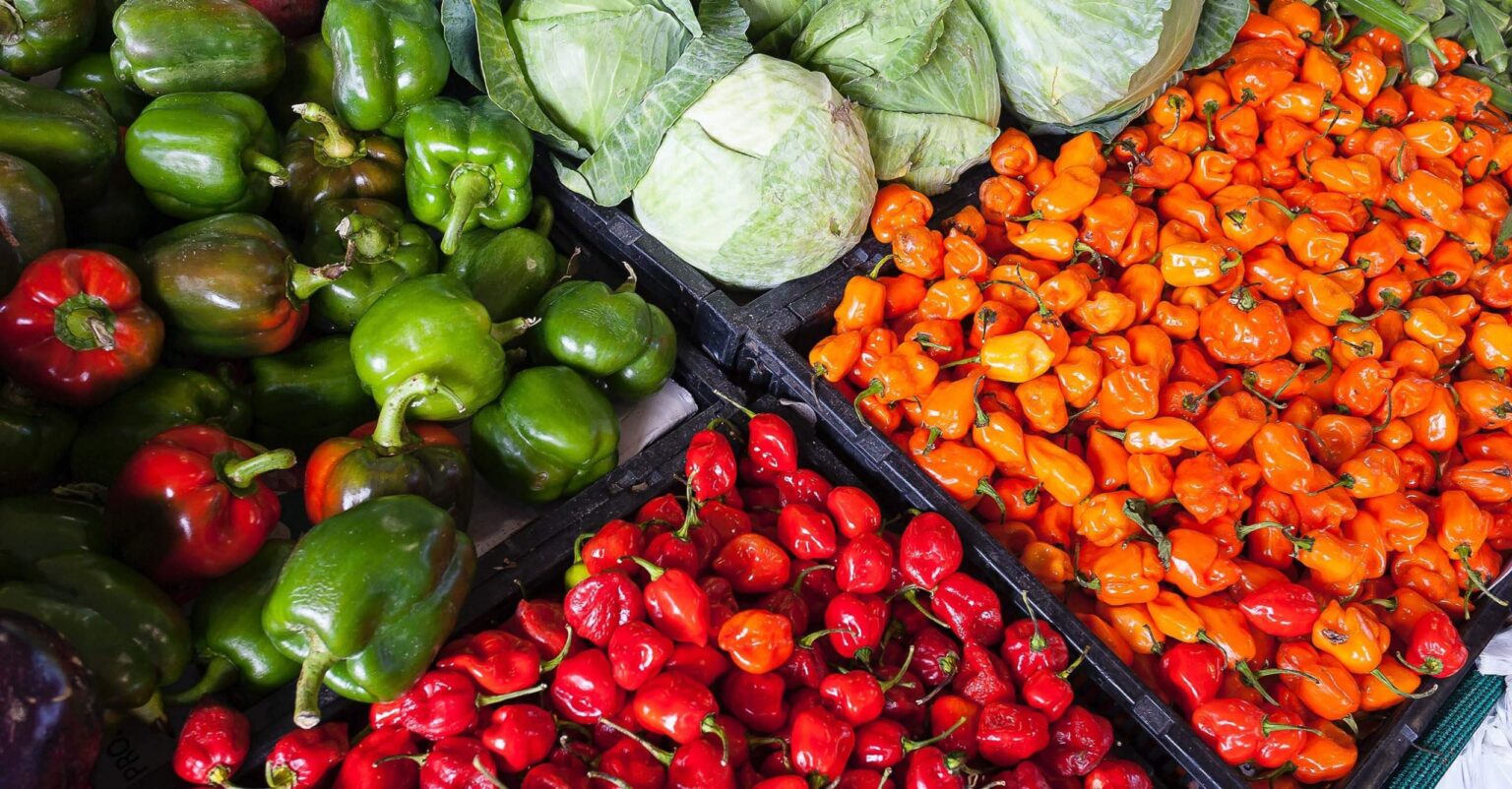
According to the Central Bank of West African States (BCEAO), growth should accelerate in the WAEMU economic region in the medium term. The increased production in the tertiary and secondary sectors remains crucial. These sectors should benefit from controlling the current health crisis in the Union and the continued implementation of the NDPs.
Growth in the Union is expected to drop from 6 per cent in 2021 to 5.9 per cent in 2022 before settling at 7.2 per cent in 2023. The contribution to growth from the tertiary sector should stand at 3.5 per cent in 2023, up by 0.3 points compared to 2022. The contribution of the secondary sector should grow by 0.9 points between the two years to settle at 2.6 per cent in 2023.
The low adoption of CBDCs in Africa, which would hinder the policy objectives central banks hope to achieve, remains a significant concern for African central banks. 90 per cent of central banks were involved in CBDC analysis or projects in 2021. The percentage of central banks undertaking pilot projects reached 26 per cent Access to digital cash as an alternative payment mode is a critical factor driving the adoption of CBDCs in Africa. Providing access to those without internet or smartphones is a significant challenge for adopting CBDCs in Africa. What is a CBDC A central bank digital currency (CBDC)…
Should a common currency in the EAC come to fruition, the trade will be fueled by a reduction, albeit limited, in transaction costs, the elimination of exchange rate risk and region-wide price harmonisation – all of which will undoubtedly be underpinned by policy incentives. Monetary Union is the third stage towards EAC regional integration, capped through Political Federation. Considering individual economies are relatively small, currency harmonisation might play a significant role in improving intra-African trade. The IMF, through its chief Christine Lagarde, previously warned the EAC not to rush into a currency union, pointing to the issues faced in Europe.…
Côte d’Ivoire’s economy remains on a favourable trajectory. The economy needs bolstering to expedite the structural change of its economy as envisioned by the new 2030 plan. To achieve this, the nation needs to raise its investments in new sectors with considerable potential for wealth generation and improvement in quality of life. These sectors would enable the inclusion and realisation of benefits for women and the most disadvantaged populations in society, especially those residing in the most isolated rural areas.
AfCFTA’s successful implementation can boost trade and promote Africa’s economic recovery and growth. The AfCFTA is the world’s most extensive free trade area in terms of size and number of nations, with a combined GDP of around $3.4 trillion.
Increased integration would improve incomes, generate employment, stimulate investment, and make establishing regional supply chains easier. In comparison to Africa’s external trade, intra-African trade remains tiny. In 2020, just 18 per cent of exports went to other African nations.