
Trending
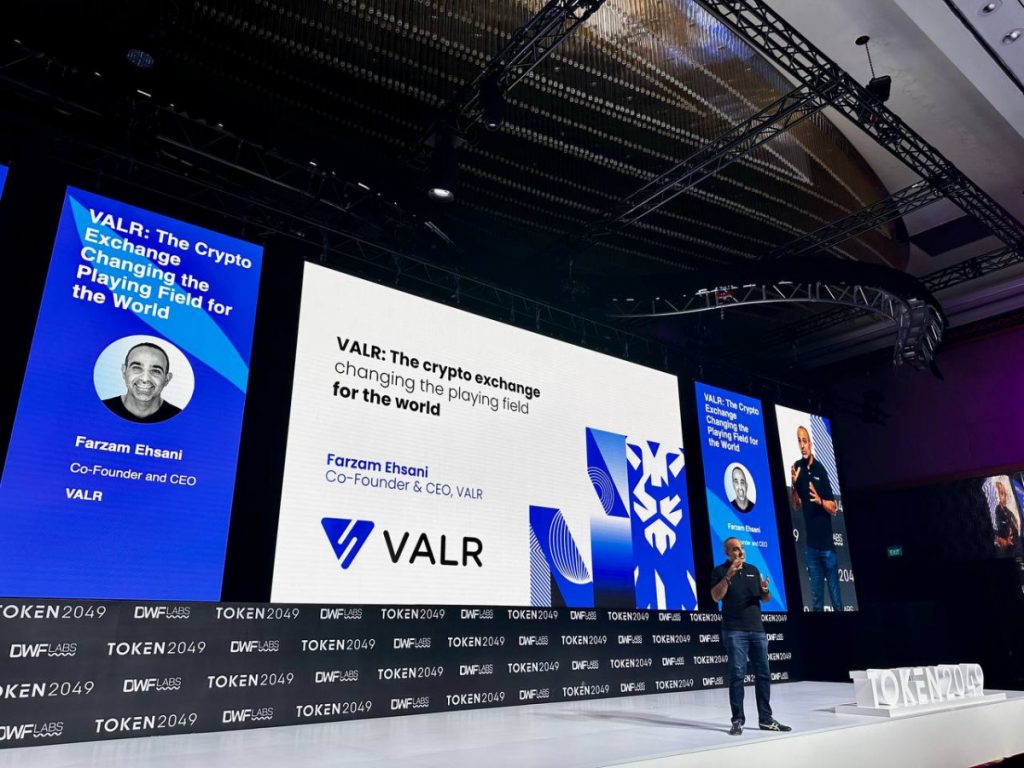
- VALR sets sights on East Africa as blockchain moves deeper into Africa’s financial system
- The cost of the data gap: Why Kenya’s lenders can’t afford to miss the full picture
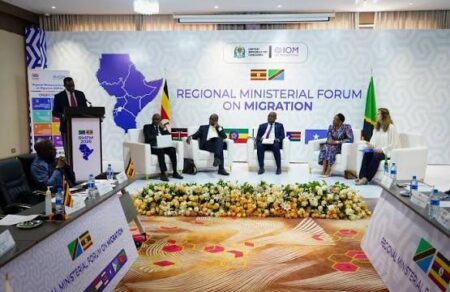
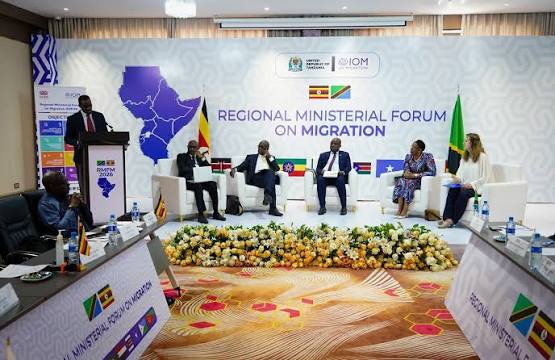
- Tanzania takes EAC labour migration helm as regional rules face overhaul
- 2026 is turning out as a defining year in geopolitics, but for whom?
- Saudi Arabia and Tanzania pledge to deepen bilateral trade ties
- Tanzania rewrites its digital investment playbook
- Ethical sourcing boosting demand for Tanzania organic cotton
- DRC deploys 70,000 Ebola vaccine doses in high-stakes trial against deadly Bundibugyo strain


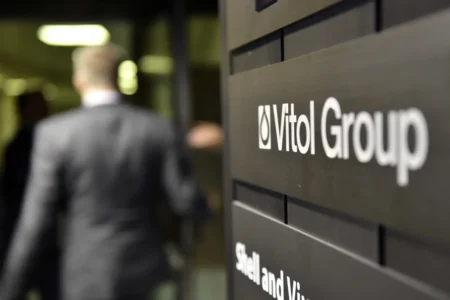
The Uganda National Oil Company (UNOC) is directly importing petroleum products from Vitol Bahrain, aiming to reduce reliance on Kenyan firms and mitigate high…
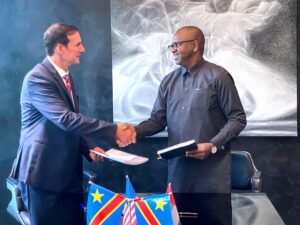
The joint development of the Green Giant Project will expedite…
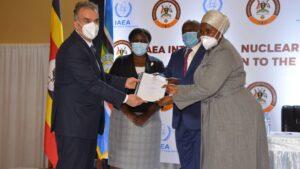
Uganda signed a deal with China under which the China…
Data by the World Bank Group reveals that Kenya’s electrification rate currently stands at 70…
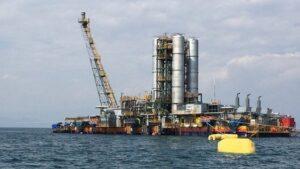
Extracts from Lake Kivu are sustainable as it would take centuries to exhaust the gas…

Kenya Insights reported that the ship (MT Jag Prarena) docked at the Port of Mombasa on December 30 and was offloaded for nearly three days. Four other vessels that had gone through the legal importation process we kept at bay, incurring approximately Ksh100 million (US$88 million) in demurrage charges.
OMAK said that Gulf had imported the petrol contrary to the petroleum act 2019, with the importation and offloading of the cargo being done outside the Open Tender System (OTS).
The act prohibits private imports of refined petroleum products using state-owned common user facilities.
President Muhammadu Buhari said in an interview with Sun Nigeria that he was discontented with electricity in Nigeria.
The All Electricity Consumers Protection Forum expressed the same discontent with the power sector and pointed the slow progress in the power sector to the Nigerian Electricity Regulatory Commission (NERC).
The forum has advised President Buhari to do away with the power regulator in the country, NERC, and move the responsibilities to the Federal Competition and Consumer Protection Commission (FCCPC).
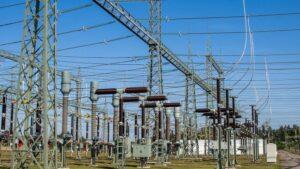
In pursuit of bringing about electrification to the continent, the energy sector was abuzz with…
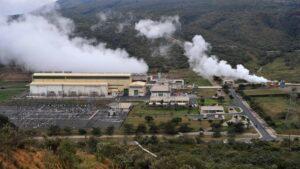
While the world is fighting for zero-carbon neutrality, Africa’s—and Kenya’s—struggle to achieve a zero-carbon footprint…