
Trending
- 2026 is turning out as a defining year in geopolitics, but for whom?
- Bitcoin Surges 20%: How Crypto Holders Are Exploring Cloud Mining Income in 2026
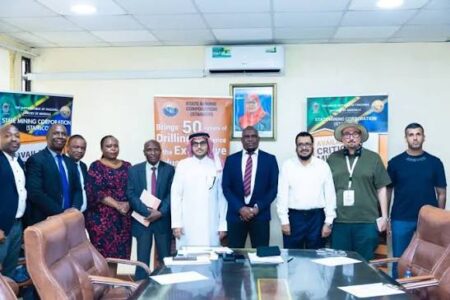
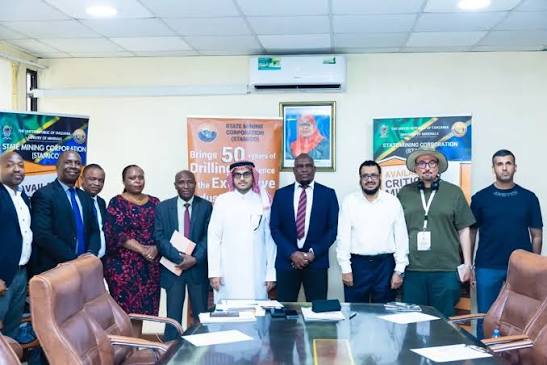
- Saudi Arabia and Tanzania pledge to deepen bilateral trade ties
- Tanzania rewrites its digital investment playbook
- Ethical sourcing boosting demand for Tanzania organic cotton
- DRC deploys 70,000 Ebola vaccine doses in high-stakes trial against deadly Bundibugyo strain
- Kenya’s private sector optimistic on growth despite inflation and geopolitical risks
- AfDB and Standard Bank ink $332 million social bond deal to fund South African SMEs



Bitcoin is back in the spotlight after one of its strongest rallies of 2026. BTC has climbed roughly 20% this week, briefly moving above…

Latest investment fund pool cover products from Britam Asset Managers Limited…
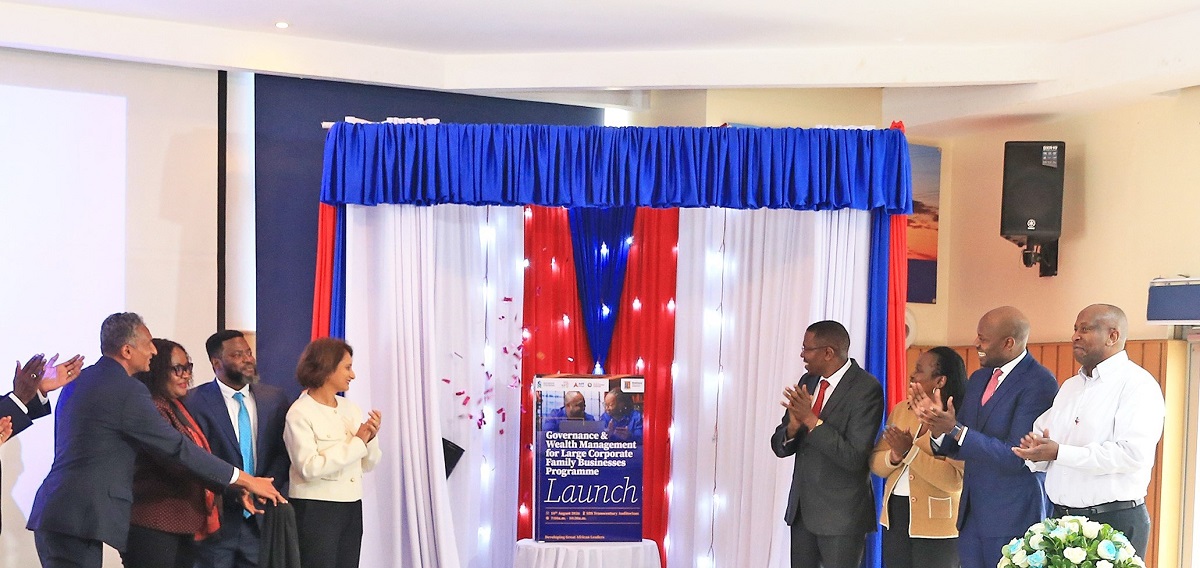
Family business, which constitutes the backbone of the continent’s enterprise…
Africa has been hailed as the next frontier in the provision of global oil and…
As Africa’s role in the global economy continues to garner prominence, it’s imperative for the…

MTN Uganda has appointed Sylvia Mulinge of Safaricom as its CEO, effective September 1, 2022…
From cement to food and beverages to metal production and processing, manufacturing organisations are looking for sustainable energy solutions to help them refine their costs and efficiencies so they can better compete on the local and global stages. Energy provision is now being pulled from mini-grid installations, solar plants, gas plants, wind energy, and rental. The latter becoming increasingly popular as organisations recognise the value of a trusted third-party service provider over having to manage, maintain and install their energy solutions on their own.
Using a supplier that provides the right technologies to remote, rural and high-demand environments allows for the organisation to enhance power production while minimising the administration and cost impact. Leveraging energy-efficient, environmentally friendly and sustainable systems that bypass reliance on diesel and instead introduce hybrid offerings that combine gas, LNG, solar, and diesel means that companies can build stable and reliable energy platforms that not only reduce costs but also risks.
Aggreko has a proven track record in providing manufacturing and mining organisations with trusted energy resilient solutions. The company collaborated with a car manufacturing plant in South Africa that was expanding its paint shop and required additional temperature control for paint cooling, particularly during the hot summer months. The complexity added by an automatically controlled bypass caused flow issues with the cooling equipment and the right level of cooling was required to enable them to make use of the expansion to increase production.
To meet its growing energy needs and increase electricity access across the population, Mozambique must…

Among the ways that the colonizers slowed down the growth and unity of Africa is through the demarcation of boundaries 60 years ago. These boundaries gave birth to over 41 different currencies on the continent that have complicated intra-African trade.
The continent uses over 5 billion dollars in currency conversion, monies that could have been directed to other economic development projects. African countries’ attempts to form a common regional currency have proven futile precisely because of all the frameworks of laws that need to be revised and harmonized in the different countries.