
Trending
- 2026 is turning out as a defining year in geopolitics, but for whom?
- Bitcoin Surges 20%: How Crypto Holders Are Exploring Cloud Mining Income in 2026
- Saudi Arabia and Tanzania pledge to deepen bilateral trade ties
- Tanzania rewrites its digital investment playbook
- Ethical sourcing boosting demand for Tanzania organic cotton
- DRC deploys 70,000 Ebola vaccine doses in high-stakes trial against deadly Bundibugyo strain
- Kenya’s private sector optimistic on growth despite inflation and geopolitical risks
- AfDB and Standard Bank ink $332 million social bond deal to fund South African SMEs



Bitcoin is back in the spotlight after one of its strongest rallies of 2026. BTC has climbed roughly 20% this week, briefly moving above…

Latest investment fund pool cover products from Britam Asset Managers Limited…

Family business, which constitutes the backbone of the continent’s enterprise…
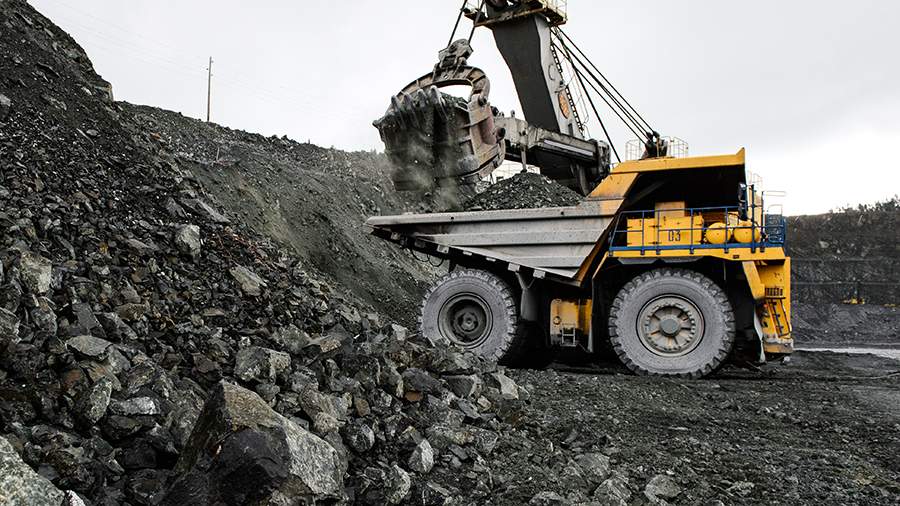

Copper production is set to resume at Alaska Mine in Chinhoyi after a US$6 million capital injection by Chinese investors in partnership with the Zimbabwe Mining Development Corporation (ZMDC). The total capital injection required is US$12 million and so far, a Chinese investor, Grand Sanyuan Copper Resources has poured in half the amount.
As far as June 10, 2021, ZBC News said the majority of the funds will be channelled towards the construction and refurbishment of a flotation plant, a smelter, and an electrolysis refinery, with an environmental impact assessment completed.
The Alaska Copper smelting plant has been closed since 2000, but has now been resuscitated and is expected to be fully operational by July this year with a target to produce 300 tonnes of copper per day.
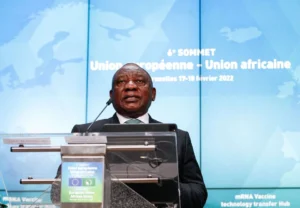
Stavros Nicolaou, a Senior Executive at Aspen Pharmacare Group said in the absence of orders or commitments, Aspen is considering the repurposing of two COVID-19 production lines for the manufacture of other products.
“The continent would lose its only existing COVID vaccine manufacturing capacity, It would be a massive setback for Africa’s plans to localize and reduce its dependency on imported vaccines,” he said.
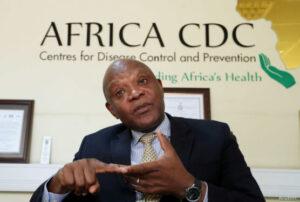
John Nkengasong, director of the Africa Centres for Disease Control and Prevention, said global health security would be undermined if companies like Aspen were not backed.

According to the most current known statistics, Cameroon had 9.15 million internet users in January 2021, representing an increase from 7.8 million users in the same month the year prior.
Although the fixed-line broadband industry appears to have stagnated, with only extremely sluggish growth in subscriber numbers, the national penetration rate has increased from 2 per cent in 2011 to 34 per cent in 2021. On the other hand, the number of mobile phone consumers in the country increased from 10 million in 2011 to 24 million in 2020, which encouraged growth in internet usage.
Camtel, despite its established position, was left behind by the growth in the telecom industry and is currently seeking to make amends for this lapse. It got 2G, 3G, and 4G licenses in 2020, and in April of that year, it inked a roaming contract with a rival called MTN, which allows it to utilize MTN’s infrastructure in parts of the country where it does not currently operate.

The government is already working on all issues facing Dangote’s factor on President Suluhu’s directives. This means Tanzania is reshuffling its strategies and operations along the investment lines, to keep up with the rest of the region far ahead of her.
As a country that graduated to a low-middle-income level much more effort towards building sound and attracting an investment environment is required.
The current small achievements prove that there is more coming from President Suluhu’s administration in terms of advancing more foreign investment in the country.

Kenya’s Twiga Foods has launched Twiga Fresh, a new subsidiary that will grow the company’s…

A Pan-African crypto exchange dubbed Mara has been launched today and announced $23 million in…