
Trending
- 2026 is turning out as a defining year in geopolitics, but for whom?
- Bitcoin Surges 20%: How Crypto Holders Are Exploring Cloud Mining Income in 2026
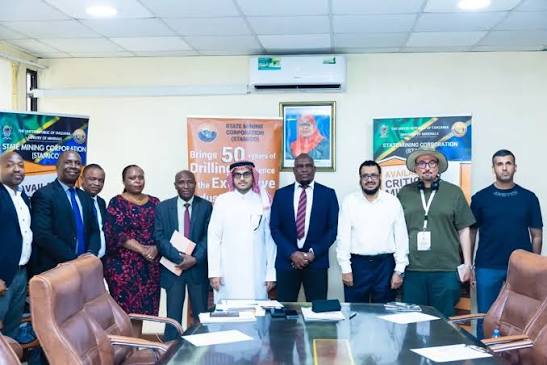
- Saudi Arabia and Tanzania pledge to deepen bilateral trade ties
- Tanzania rewrites its digital investment playbook
- Ethical sourcing boosting demand for Tanzania organic cotton
- DRC deploys 70,000 Ebola vaccine doses in high-stakes trial against deadly Bundibugyo strain
- Kenya’s private sector optimistic on growth despite inflation and geopolitical risks
- AfDB and Standard Bank ink $332 million social bond deal to fund South African SMEs



Bitcoin is back in the spotlight after one of its strongest rallies of 2026. BTC has climbed roughly 20% this week, briefly moving above…

Latest investment fund pool cover products from Britam Asset Managers Limited…
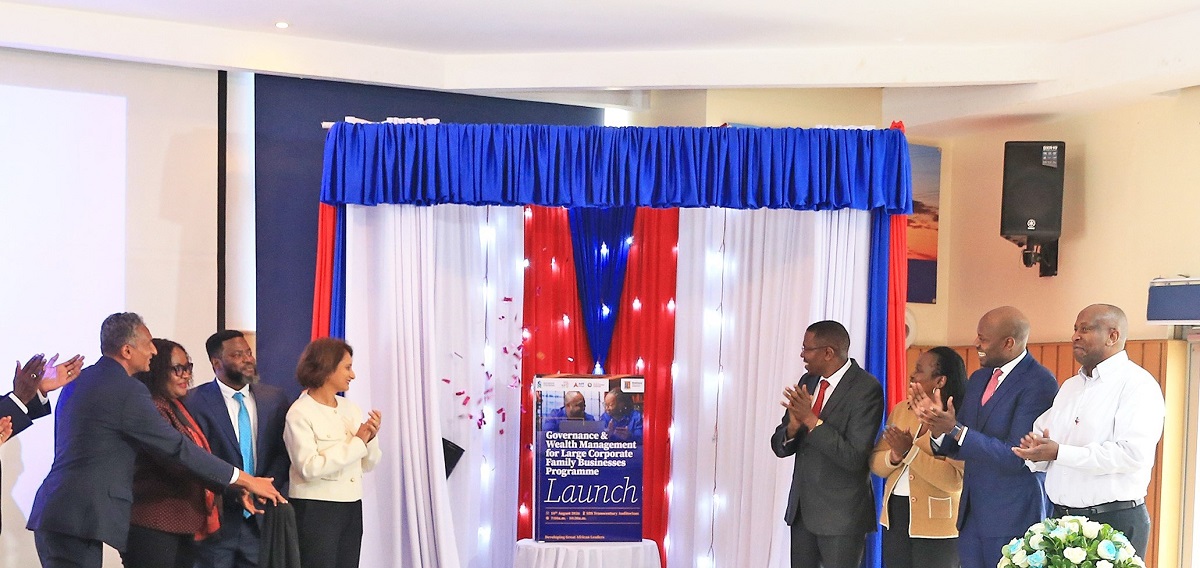
Family business, which constitutes the backbone of the continent’s enterprise…

Businesses in Kenya only saw a mild improvement in operating conditions in October 2022 The…

By listing, the REIT aims to attract focused and permanent capital for the promoter to develop further assets, support the Insurance and Pensions Commission and Ministry of Finance and Economic Development in their efforts to provide liquidity and deepen the savings pool through REIT products and also to provide retail and institutional investors quality and liquid commercial real estate investment vehicle.
Based on the published prospectors, the company said the economic growth of a nation is driven by a vibrant commercial infrastructure both industrial and retail properties to support production and trade.
The development of quality commercial property is more than imperative in the Southern African country as the economy is set for a path of recovery that is expected to revitalize significant economic activity.
“The participation of local beneficiaries in the development and ownership of such property fosters an inclusive capital growth and sources of passive income for average Zimbabweans. This presents a strong case for a well-structured REIT that allows participation of investors with minimum capital requirement, offering value preservation and stable return on capital through income distributions and capital gains.
Riozim Limited the Zimbabwe based, and Zimbabwe Stock Exchange-listed diversified miner, has more going wrong…
Food security in Africa has always been the centre stage of all major global meetings. Photos of starving naked children have been paraded so much that hunger and Africa have become synonymous.
However, after years of talks, recommendations, solutions, funding, monitoring, evaluation, more talks, more recommendations, more funding…and then more years of new talks, new recommendations, new solutions, new funding… it’s exhausting; Africa is still hungry!
The cool acronyms, the endless list of organizations, the countless projects and initiatives, the billions upon trillions issued every year, its all mind-boggling.
Global Development Goals (GDG), Sustainable Development Goals (SDG), World Food Organisation (WFP), International Monetary Fund (IFM), World Bank (WB), African Development Bank (AfDB), Alliance for a Green Revolution in Africa (AGRA)…it goes on and on.
KCB Bank Kenya has set aside KSh 250 billion to fund women entrepreneurs in the…

Medical marijuana may very well be the agri-business that Africa needs to get its economies…