
Trending
- 2026 is turning out as a defining year in geopolitics, but for whom?
- Bitcoin Surges 20%: How Crypto Holders Are Exploring Cloud Mining Income in 2026
- Saudi Arabia and Tanzania pledge to deepen bilateral trade ties
- Tanzania rewrites its digital investment playbook
- Ethical sourcing boosting demand for Tanzania organic cotton
- DRC deploys 70,000 Ebola vaccine doses in high-stakes trial against deadly Bundibugyo strain
- Kenya’s private sector optimistic on growth despite inflation and geopolitical risks
- AfDB and Standard Bank ink $332 million social bond deal to fund South African SMEs



Bitcoin is back in the spotlight after one of its strongest rallies of 2026. BTC has climbed roughly 20% this week, briefly moving above…

Latest investment fund pool cover products from Britam Asset Managers Limited…
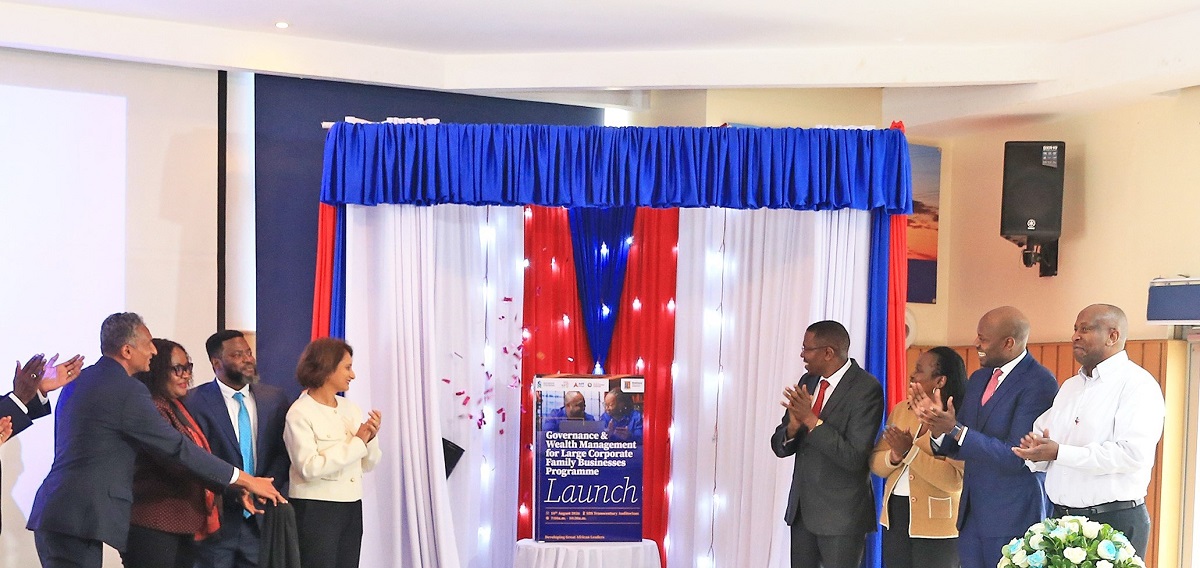
Family business, which constitutes the backbone of the continent’s enterprise…




Ntsele and his partners began to diversify the interests of their company.
The highlight of this strategy to diversify their interests was trip Ntsele made to the United States to obtain a license to distribute Nike not only in South Africa but also in southern Africa in the early 1990s. Ntsele got the money to grow his Nike operation in southern Africa from Citibank!
The largest transaction that Ndaba Ntsele was involved in which put Pamodzi Investment Holdings on the map must be the leveraged buy-out of Food Corp. When he could not come up with the money needed to buy the company from the local banks in South Africa he went overseas to the Netherlands and got the bulk of the US$ 1.8 billion needed to acquire Food Corp! How about that for a black man with guts!
Ndabahle Ntsele and his Pamodzi Investment Holdings are certainly a class act worth emulating. However, despite his great success, Ntsele has experienced failures. Pamodzi Gold which was one of his mining ventures was liquidated. He had started it by approaching the mining majors who no longer thought it was profitable to mine from older mines.
KCB Group PLC has reported a 28.4 per cent rise in its net earnings to…
Kenya Airways (KQ) narrowed its half-year loss to KSh 9.88 billion, less than the KSh…
There has been a decline in bank visits across Kenya, with customers opting to deposit…
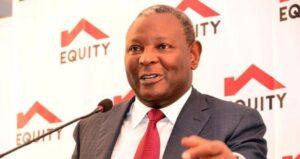
Equity Group has reported a 36% growth in its after-tax profit to hit KSh 24.4…
Kenya’s next government will be required to work on new strategies to reduce the country’s…