


- Over 754 new factories, $433 million in industrial exports, and a 10.2% GDP boom, Ethiopia is rewriting its growth story. Is this Africa’s new industrial tiger?
- Under its ‘Made in Ethiopia’ push, Addis Ababa just tripled its exports, recording $10 billion and growing.
Ethiopia is on track to clock USD10 billion in export earnings this fiscal year, more than three times it’s previous earnings in the last three year. Speaking at the 4th “Made in Ethiopia” Expo in the nation’s capital Addis Ababa, Prime Minister Abiy Ahmed, accredited the success to industrial development and strategic government policies.
The “Made in Ethiopia” campaign, also famously and fondly known locally as “Ethiopia Tamirt” (Let Ethiopia Produce), is a national initiative geared at driving growth of domestic manufacturing and rural industrialization fuelled by among other things, strategic policies.
“The national economic framework has prioritized the expansion of export activities alongside a strategic reduction in import dependency by enhancing domestic manufacturing capabilities,” he informed delegates at the expo.
Sharing his contentment with achievements of the expo, the well spoken PM Abiy took to X, stating; “It is truly an honor to witness the tangible realization of our national vision at this year’s ‘Made in Ethiopia’ Expo.”
Attaching the achievement to ‘results-driven governance,’ the report says Ethiopia has attracted well over 2,800 domestic and foreign direct investments the said four years.
Likewise, thanks to import substitution i.e. use of locally produced goods instead of foreign imports, Ethiopia has saved more than USD4.85 billion in foreign exchange. To further save it’s foreign exchange, Prime Minister Abiy said the country has specified some 96 products for domestic production. Among the specified are items from Ethiopia’s renowned ceramics industry.
Overall, tangible outcome of the strategic investment in industrial development is evident in Ethiopia’s 10.2 percent economic expansion about which PM Abiy said; “The outcome is the joint result of several sectors including agriculture, mining, manufacturing, tourism, and technology.”
Also Read: In Tanzania, a new chapter in value addition for critical minerals opens

Made in Ethiopia saves on forex
On the wings of its industrial transformation, Ethiopia has in the last nine months saved USD 4.85 billion US dollars by substituting foreign imports with domestic alternatives.
In his announcement of the data, Ethiopia’s Industry Minister Melaku Alebel told stakeholders that the achievement is not a one time occurrence, rather it is the beginning of economic self-reliance wrought by strategic structural reforms.
He said the import substitution drive is only a part of the country’s broader national industrialization strategy.
“The initiative aims to boost local production, enhance export competitiveness, and promote the consumption of Ethiopian-made goods,” he underscored praising progress made thus far.
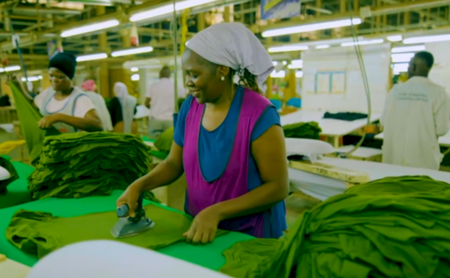
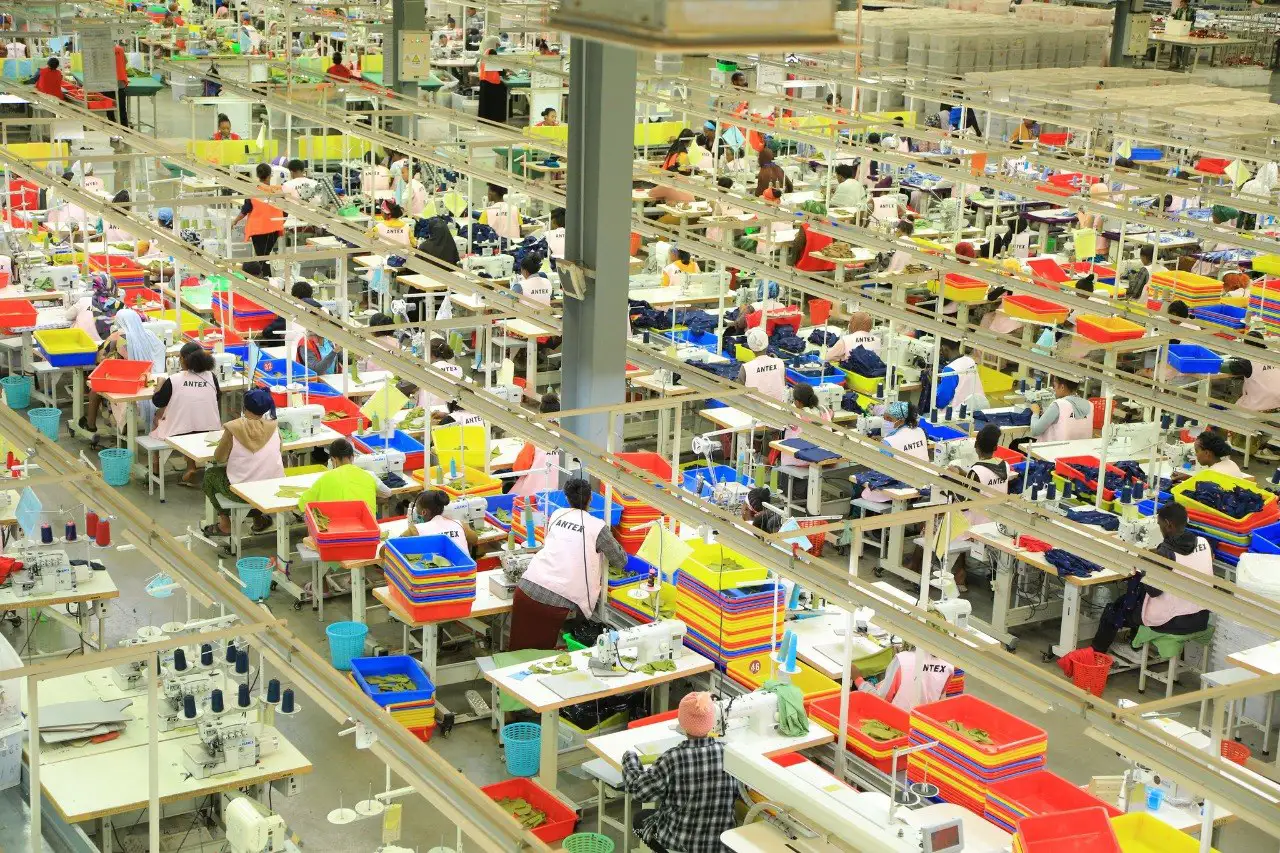
As part of the import substitution program, ministry data shows some 754 industries are now operational producing various products and significantly expanding the nation’s industrial base.
Industry Minister Alebel seconds the data noting that the manufacturing sector’s annual growth is at impressive 13 percent, more than the four times the previous 4.3 percent.
“Over the last nine-month we have exported industrial goods valued at USD433 million…a result of increased industrial output,” he said.
The minister strongly believes that, the import substitution initiative has is eased pressure on foreign currency reserves and helped reduce the general cost of living while stimulating the ongoing economic recovery.
“Looking ahead, the government plans to further strengthen the sector by improving access to finance, raw materials, reliable energy, and market linkages,” he added.