

Businesses are expanding across borders, new trade corridors are emerging, and regional ambition remains strong,…

Digital development is attracting new Foreign Direct Investment (FDI) to Africa. This as overall FDI…







Businesses are expanding across borders, new trade corridors are emerging, and regional ambition remains strong,…

Businesses are expanding across borders, new trade corridors are emerging, and regional ambition remains strong, but liquidity, payments and execution challenges continue to shape the reality of doing business across Africa. Six months into 2026, African trade appears to be telling two stories at once.…













Zanzibar legislators project 7.5% economic growth. President Mwinyi advocates private sector participation.…
Featured
Kenya-DRC and Tanzania-DRC Corridors have been identified as the key links that…



Industry & Trade

Zhu Ruowan, the Editor, CGTN Global Business, argues that China’s new investment…

Zanzibar legislators project 7.5% economic growth. President Mwinyi advocates private sector participation. Zanzibar recent talks with Brazil, US expected to bare fruits. Zanzibar has…











Editor's Picks

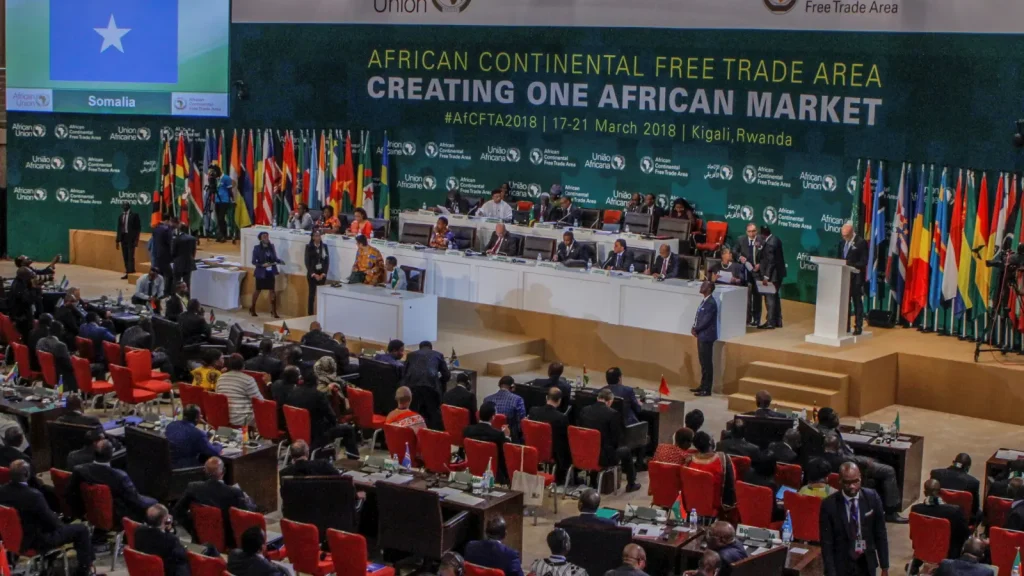
These gains will come from reduced tariffs which are stubbornly high among states in the region. More and greater gains will come from the reduction of trade costs by reducing non-tariff barriers and improving what the World Bank describes as hard and soft infrastructure at borders. The aim of these measures is to reduce red tape, lower compliance costs for traders and make the integration of African businesses with global supply chains seamless.
AfCFTA is still in its infancy stages in terms of implementation with a lot still to be seen in terms of its success. These practical reforms will be difficult to implement given the sheer size of the trade area. The trade area encompasses 54 countries however, the successful implementation of the initiative will provide substantial rewards. In terms of employment, seamless and frictionless trade between African countries has the potential to lower the gender wage gap in favour of women and help all workers by increasing the amount of decent employment opportunities.
The World Bank estimates that the implementation of AfCFTA will lead to an increase in wages by 10% with the largest gains accruing to women and unskilled labour.





Industry & trade

Digital development is attracting new Foreign Direct Investment (FDI) to Africa. This…
Money Deals

Paris-based Kulipa’s seed round co-led by Flourish Ventures and 1kx will expand…
Investing

Businesses are expanding across borders, new trade corridors are emerging, and regional…