Trending
- African trade is growing despite the obstacles
- Why global capital is betting big on Africa’s digital promise
- Kenya posts stronger-than-expected Q1 growth at 5.3% on manufacturing rebound, tourism boom
- China’s new investment rules are about guardrails, not closed doors
- Zanzibar optimistic economic growth will hit 7.5% on tourism boom
- Kenya defies economic shocks to post record $22 billion in tax collections
- Forget South Africa: East Africa now rules in banking industry returns
- Lamu over Tanga: The commercial calculus that cost Tanzania $20bn refinery


Browsing: Angola
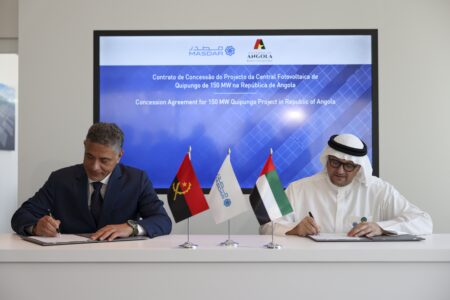
Masdar, UAE’s renewable energy company, signs agreement with Angola’s Ministry of Energy and Water at COP28 to develop solar plant…
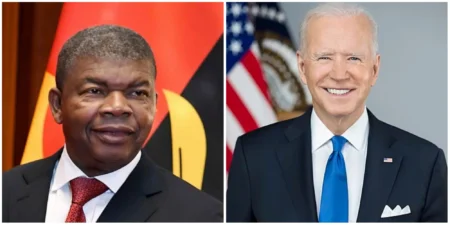
As Angola President João Manuel Gonçalves Lourenço visits the White House on Thursday, November 30, the US is poised to strengthen a complex alliance developed during the past three decades of diplomatic ties between the two countries. Going beyond the usual protocol, this visit exemplifies the growing bond between two countries sharing common ideals with hope for a bright and safe future.
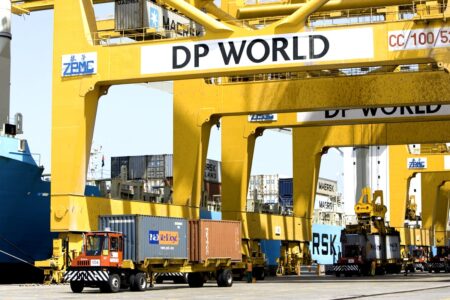
Dubai Ports World (DP World), based in the United Arab Emirates, is rapidly expanding its operations across Africa to become…
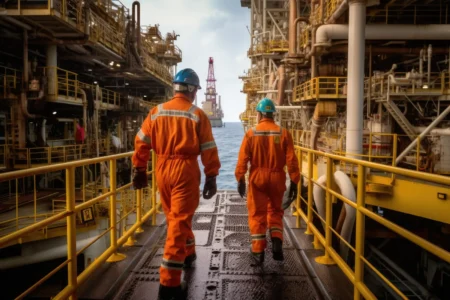
Behind every discovery in the African energy industry, final investment decision (FID), and first oil announcement in our continent are…
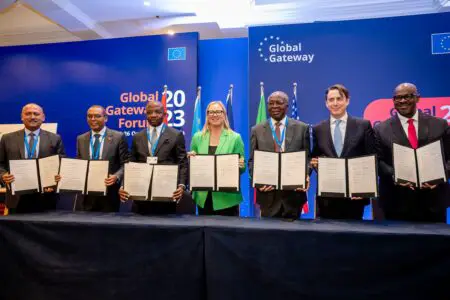
The Lobito Corridor represents a significant transport infrastructure project in Africa. The project will now become a reality with the backing of the US. Moreover, this is one of the projects through which Washington seeks to strengthen its investment ties on the continent. This project entails a transportation network that links northwest Zambia to Angola’s Benguela railway, ultimately connecting to the strategic Lobito port, the second largest seaport in oil-rich Angola.
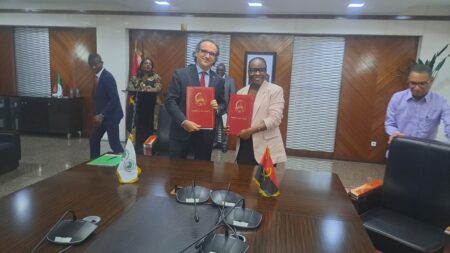
Angola will receive $124.4 million through two loan agreements to enhance the nation’s access to water, hygiene, and sanitation services. These agreements cover a $75 million loan from the African Development Bank and an additional $49.4 million from the Africa Growing Together Fund (AGTF).
The agreements were signed in Luanda, Angola, with the participation of Angolan Finance Minister Vera Daves de Sousa and African Development Bank Country Manager Pietro Toigo. This financing will enhance climate-resilient sanitation services in four coastal towns with a total population of 1.4 million. The towns include Benguela, Baía Farta, Catumbela, and Lobito.
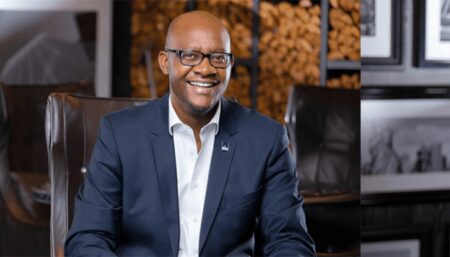
Angola has become Africa Trade Insurance Agency’s (ATI) 21st member state by paying $25 million in capital subscription fees. ATI’s…
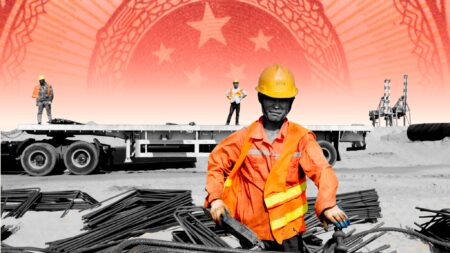
In the last 20 years, Africa’s external debt has grown fivefold to about $700 billion. According to Chatham House, a policy centre in London, Chinese lenders account for about 12 per cent of that amount. As of November 2022, the International Monetary Fund (IMF) and the World Bank considered 22 low-income African countries to either be in debt distress or facing potential external debt distress.
![Oil-extraction-in-Angola. [Photo: Financial Fortune]](https://theexchange.africa/wp-content/uploads/2022/10/ANgola.jpg "Sectors to revive Angola’s heavily indebted economy")
Angola is also rich in other minerals like iron ores, diamonds, gold, marble and phosphate deposits. The embassy of Angola’s economic outlook indicates that from the 1950s through 1975, iron ores were explored in provinces such as Malange, Bié, Huambo, and Huíla, and average output reached 5.7 million tonnes per year between 1970 and 1974.
The most explored minerals were exported to Japan, Germany, and the United Kingdom, earning Angola US$50 million a year.
Angola’s phosphate deposits are estimated at 150 million tonnes, located in the provinces of Cabinda and Záire. These resources have so far been unexplored. In Southeastern Angola in the provinces of Namibe and Huíla, marble, granite, and quartz reserves abound. Marble is especially consumed in the local market, while black granite is on demand and exported to United States and Japanese markets.
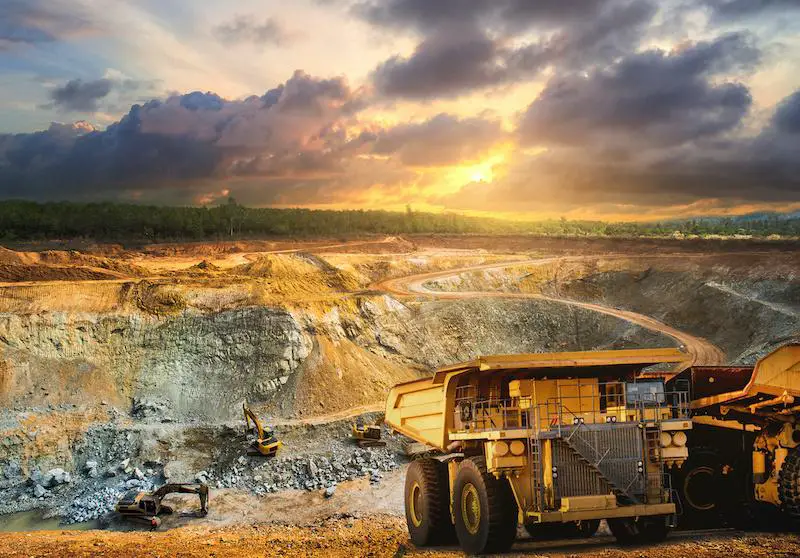
The answer is in the law and the governance models that these countries approach. The way in which the governments of those countries approach the mining industry is imperative.
In South Africa, the natural resource curse is more pronounced in the sense that while the mining sector has made a few individuals fabulously wealthy, inequality in that country has meant that while the richest of the rich get richer, the poor get poorer.
How can governments approach the mining sector to ensure its development leads to broad-based and shared prosperity for all? The answer is the same. The answer is in the respective governments and the legal frameworks for the mining industries of those countries.