

Trending
- Africa’s Green Economy Summit 2026 readies pipeline of investment-ready green ventures
- East Africa banks on youth-led innovation to transform food systems sector
- The Washington Accords and Rwanda DRC Peace Deal
- Binance Junior, a crypto savings account targeting children and teens debuts in Africa
- African Union Agenda 2063 and the Conflicts Threatening “The Africa We Want”
- New HIV prevention drug is out — can ravaged African nations afford to miss it?
- From banking to supply chains, here’s how blockchain is powering lives across Africa
- Modern railways system sparks fresh drive in Tanzania’s economic ambitions


Browsing: COP26
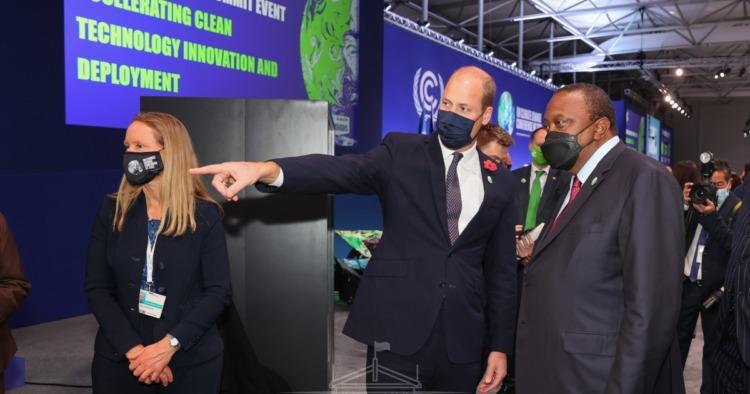
President Uhuru Kenyatta said renewable energy currently accounts for 73% of Kenya’s installed power generation capacity The Kenyan leader called…

CDC Group will invest over £3 billion (US$ 4 billion) to support emerging economies in Africa and Asia to combat…
As part of the requirements under the Kenyan Act, the government additionally established an Integrated Monitoring Reporting and Verification (Integrated MRV) system and published Kenya’s National Climate Change Action Plan 2018-2022 (NCCAP). The five year plan requires the government to develop “action plans”, providing mechanisms to assist stakeholders in bringing about low-carbon climate-resilient development.
Angola boasts some of the most ambitious targets for transition to low carbon development in Africa, albeit having ratified the Paris Agreement in November 2020. Since then the country has launched a national development plan, established a climate observatory and implemented a continuous national emissions monitoring system.
In addition, Gambia is committed to reducing its GHG emissions unconditionally, by 2.4 per cent by 2025 having implemented the Sustainable Energy Action Plan in 2015, which sets out the country’s renewable energy targets and corresponding measures necessary for their achievement. It has also committed to terminating oil importation by 2025. Between 2020 and 2030, Ghana proposes to implement twenty mitigation and eleven adaptation programmes. The Democratic Republic of Congo (DRC) NDCs, commit the country to a 17 per cent reduction rate by 2030.
Albeit marred with difficulties, green manufacturing in Africa is possible and the continent stands to greatly benefit from the transition. It will promote inclusive economic transformation through domestic manufacturing and a commodity-based industrialization process, capitalizing on the continent’s resources and opportunities presented by the dynamic nature of the global structure of production.
Green industrialization has been identified as the holy grail of Africa’s socio-economic transformation; infusing green initiatives into value chain activities for instance, during sourcing and processing of raw materials to the marketing and selling of finished products. The Economic Commission for Africa (ECA) economic report on Greening Africa’s Industrialization, deduces that it is imperative for African countries to identify green industrialization entry points, set policies that support green industrialization and mobilize resources from the public and private sectors, as it is a precondition for sustainable and inclusive growth.