

Trending
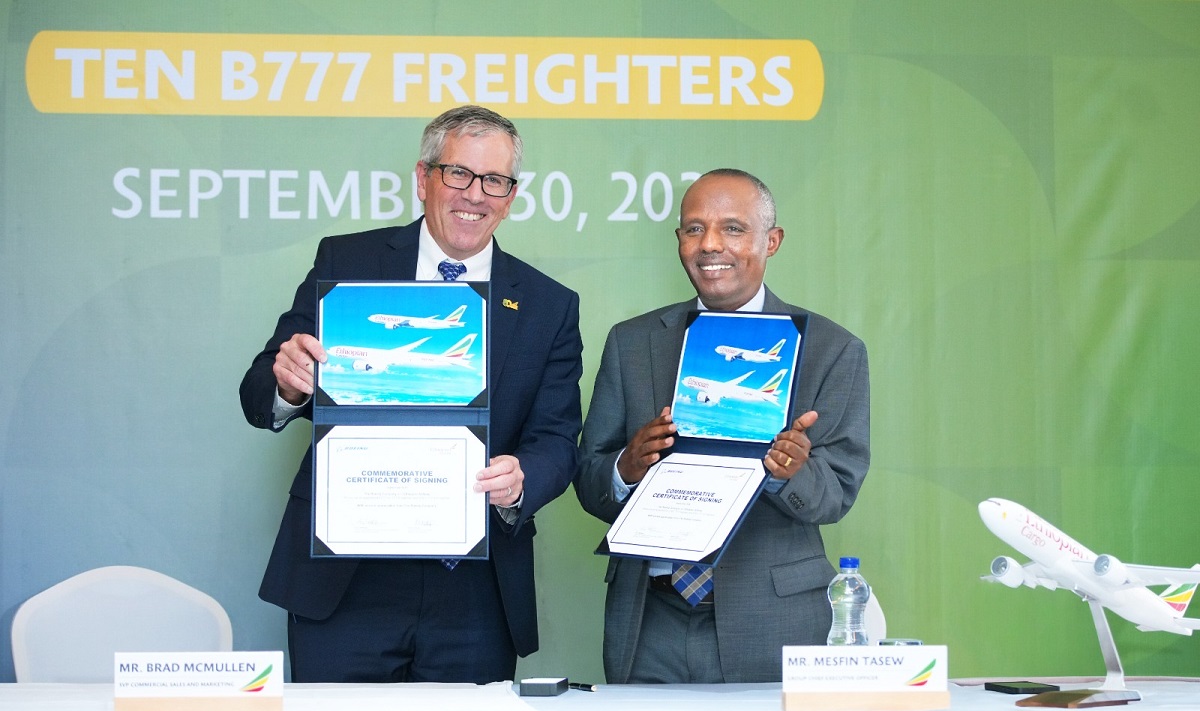
- Ethiopian Airlines bets big on Boeing freighters in $5 billion cargo fleet expansion
- Silicon Valley’s Tim Draper backs Nairobi blockchain festival, sees Africa as next digital frontier
- Dangote breaks ground on $16bn Lamu refinery as East Africa seeks fuel independence
- Gulf and African states meet in Dar to rewrite rules of labour migration
- African governments drive new forest finance progress as global report warns funding globally must scale faster
- Fine Spinners eyes Kenya’s Agoa-backed apparel supply chain with $5m plant
- Why young Kenyan investors need to stop treating the stock market like a betting slip
- Tanzania tax reforms mandate VAT refunds to under 30 days


Browsing: East Africa

In a fresh strategy, Kenya Tourism Board (KTB) says arrivals from China hold massive potential in contributing to the country’s…

The country is considered East Africa’s strongest economy. It is among countries facing a huge challenge of illicit trade, estimated…
East Africa is anticipated to have the highest performance, surpassing other regions. Central Africa is projected to experience growth of…

In Kenya, the airline is projected to register 19% more seats than in 2022. The expected growth is attributed to…

Auto firm Peugeot has stirred the pick-up market in Kenya that is currently dominated by rivals Isuzu and Toyota. Majority…
Uganda Bureau of Statistics has indicated that the country’s inflation has for the first time since 2012 hit double digits, rising to 10 per cent in September 2022 from 2.7 per cent in January 2022 and 4.9 per cent in April 2022.
It is said that inflation above an annual average of 5 per cent retards economic growth and derails economic development.
According to an article titled Uganda grapples with soaring inflation amid persistent global uncertainties, the rise in inflation has been brought about by issues such as tightening of global financial conditions, which triggered investors’ exit from the domestic debt market, thus stoking depreciation pressures on the Uganda Shilling; the Russia-Ukraine conflict, which disrupted global production and supply chains; extended drought in some regions of the country; and increased global commodity prices.
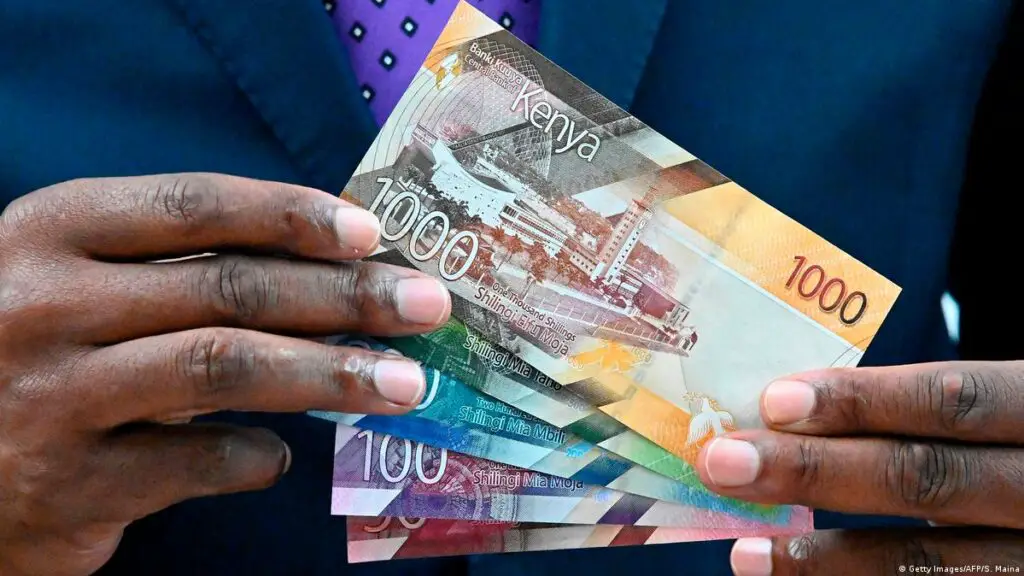
Kenya is one of 23 African nations at risk of debt distress. The major causes of debt distress include poor fiscal management and macroeconomic frameworks to sustain growth, a shift in debt structure toward more costly financing sources, and excessive government expenditure levels.
Kenya’s debt was at about 70 per cent of GDP in 2021, up from 50 per cent in 2015. China is Kenya’s biggest bilateral creditor. It accounts for 67 per cent of the bilateral debt (primarily for infrastructure projects), an increase from 13 per cent in 2011.

According to the World Bank, skilled workers enhance the quality and efficiency of product development, production, and maintenance and supervise and train workers with lesser skills. As a matter of fact, countries with well-established TVET systems tend to enjoy lower youth unemployment.
This is because the orientation of TVET coupled with the acquisition of employability skills allows it to address issues such as skills mismatch that has impeded smooth school-to-work transitions for many young people. Lower youth unemployment is key to improving lives and building stronger communities necessary for growth.
There is no doubt that Kenya, Tanzania and Rwanda are leading their East African counterparts in promoting technical skills training in their respective countries.

East Africa has made huge strides in improving the tourism sector in the bloc. So far, three countries have embraced the Single Tourist visa making it easier for the bloc to market it as a single destination as well as allowing tourists access to all three countries from one visa.
The single tourist visa was introduced in 2014 as a pilot between Kenya, Uganda, and Rwanda. Under the initiative, tourists can choose between a single-country visa or an EAC tourist visa. With the latter, they are allowed to move freely between the three countries for a period of up to 90 days.
In October 2020, the East African Legislative Assembly (EALA) released a report citing the tourism situation in the region.
The EALA noted that certain overriding challenges, including sector underfunding, insecurity, and lack of harmonized policies and laws, need to be speedily addressed to ensure that the sector thrives.
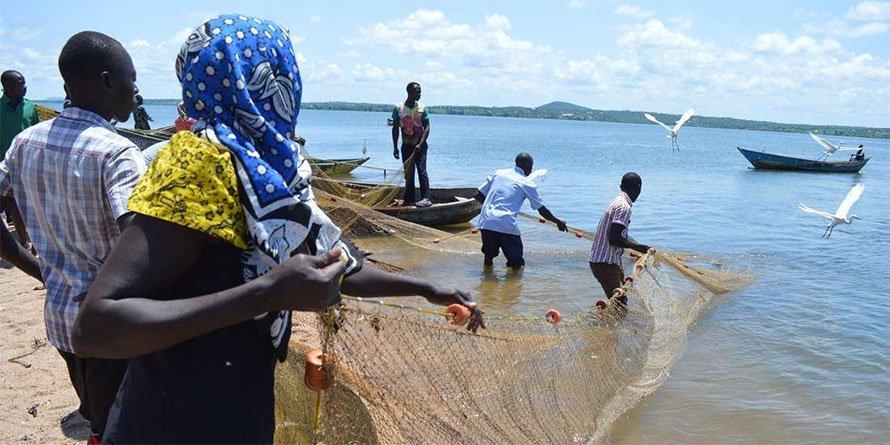
Lake Victoria’s fisheries support more than 3 million livelihoods and bring in US$500 million in revenues annually.
Nile Perch is the main fish caught in Lake Victoria. Fish maw – the air sack that aids the Nile Perch in floating and a Chinese delicacy – has been a major export source. Statistics from the Uganda Ministry of Agriculture indicate an increase in fish maw exports earning from US$27m in 2015, to US$31m in 2016, US$48m in 2017 and US$52m in 2018. These earnings exclude the earnings from Nile Perch and its eggs.
However, the lake has been invaded by water hyacinth – the floating, green mats of waxy leaves with purple blossoms – depriving the waters below of oxygen which makes it hard for aquatic life to survive.
That, plus overfishing which occurs when fishermen use undersized nets that catch fish before they reach maturity, rapid population growth, and pollution by wastewater, agro-pesticides and fertilisers threaten the future of fishing in Lake Victoria.