Trending
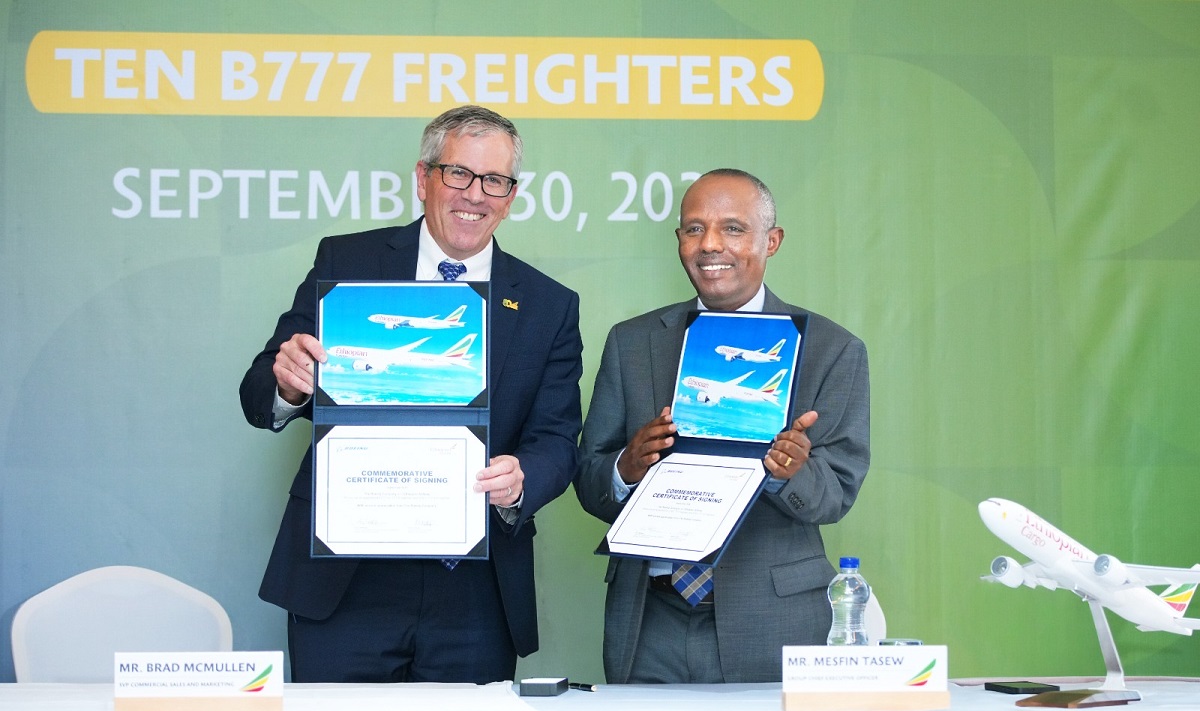
- Ethiopian Airlines bets big on Boeing freighters in $5 billion cargo fleet expansion
- Silicon Valley’s Tim Draper backs Nairobi blockchain festival, sees Africa as next digital frontier
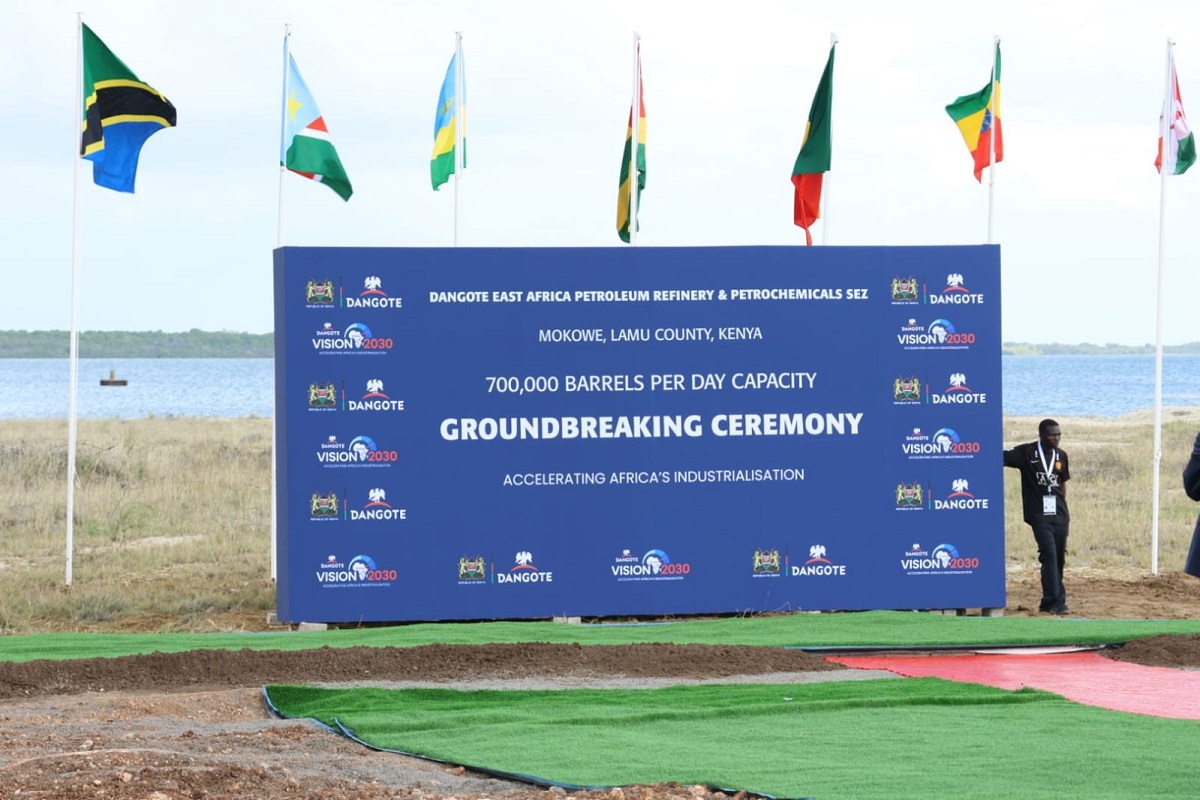
- Dangote breaks ground on $16bn Lamu refinery as East Africa seeks fuel independence
- Gulf and African states meet in Dar to rewrite rules of labour migration
- African governments drive new forest finance progress as global report warns funding globally must scale faster
- Fine Spinners eyes Kenya’s Agoa-backed apparel supply chain with $5m plant
- Why young Kenyan investors need to stop treating the stock market like a betting slip
- Tanzania tax reforms mandate VAT refunds to under 30 days


Browsing: East Africa
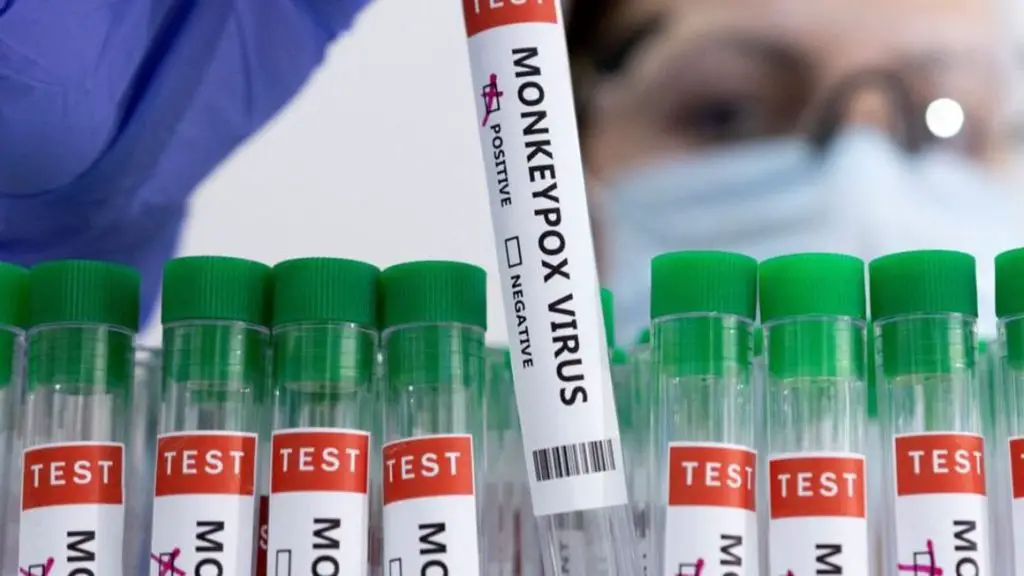
Cases so far have “mainly but not exclusively been identified amongst men who have sex with men,” according to WHO. This new revelation is against known medical knowledge of the disease because the WHO considers monkeypox not to be a sexually transmitted infection.
In a recent media briefing, Dr John Brooks, an epidemiologist with the US Centers for Disease Control and Prevention, explained that “…monkeypox is not a sexually transmitted infection in the typical sense, but it can be transmitted during sexual and intimate contact.”
From there onwards, the disease has continued to spread, as of May 21st the WHO has reported some 92 confirmed cases and 28 suspected ones. In the wake of this outbreak in the UK, other cases have been reported in Spain and Portugal and several other European countries.
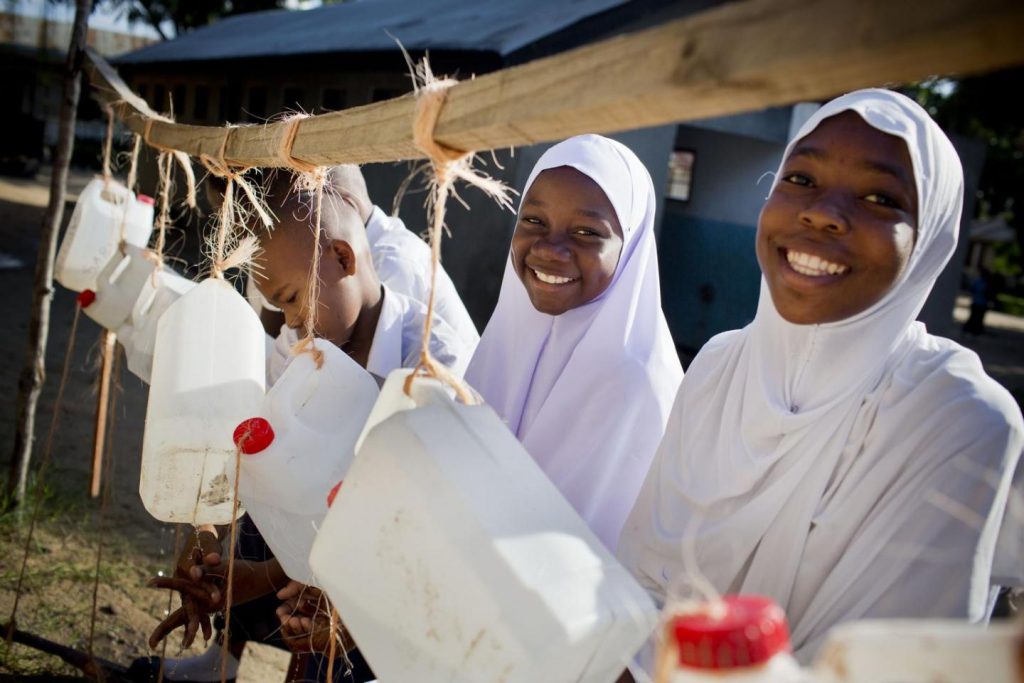
With numerous international companies and organizations operating in Tanzania’s rural areas, input by this sector has huge direct impact on the related communities.
Support ranges from digging of wells to funding irrigation and smart agriculture projects. There is also the matter of lack of adequate financing and poor sanitation all of which gravely hold back social and economic growth across the country.
Also, as the minister pointed out, through CSR, companies have the opportunity to help the government increase water supply by digging wells for rural communities and by protecting water catchment areas in places they operate.
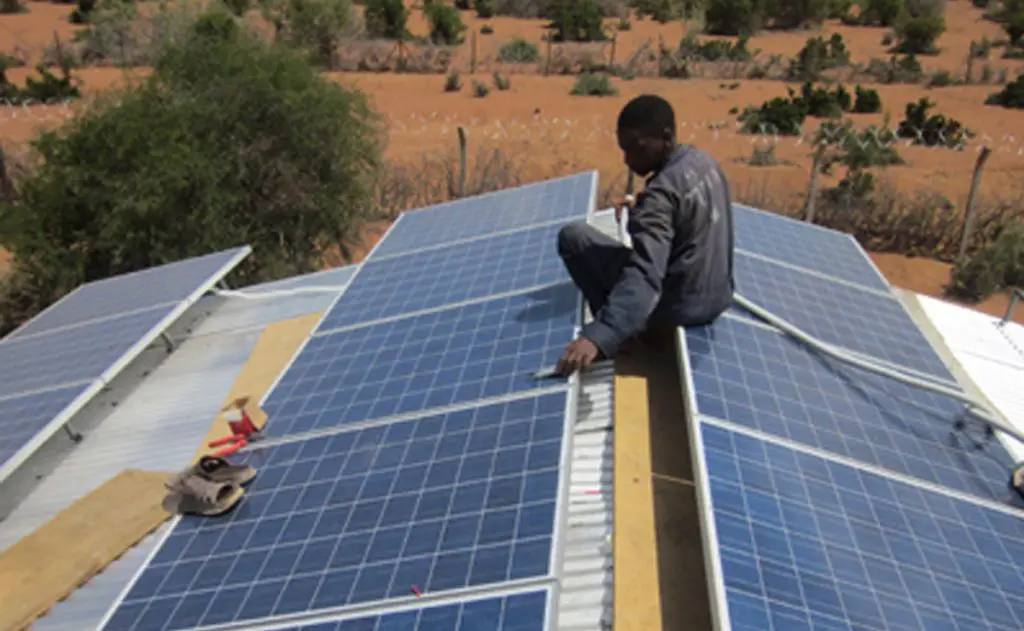
Unfortunately, even with an increased power supply, electricity is mostly used for lighting but the vast part of the community still relies on biomass ‘…which makes up close to 90% of the total primary energy consumption in Tanzania.’
According to REA, this reliance on biomass leads to the deforestation of 100,000 hectares every year and only about a quarter of this is ever reforested. At the moment, at least 63.5% of the households in Tanzania Mainland use firewood as the main source of energy for cooking which is the main cause of deforestation along with the clearing of forests for cultivation.
Another 26.2% of Tanzanians rely on charcoal for cooking and another 5.1% use, liquified petroleum gas and a mere 3 per cent use electricity. These figures show that even though there is an increased supply of electricity there is still profound destruction of forests and the atmosphere through deforestation and the burning of fossil fuels respectively.
A road here and a railway there can never equate to bloodshed, torture endured, families separated, a history lost, a culture destroyed, a people lost. Because of colonisation modern-day Africans no longer know who they are or what their heritage is.
They look up to the Caucasians as the embodiment of beauty, progress, of reason, none the wiser that it is their forefathers in Puntland and Ohir, in Egypt and Mesopotamia, that brought civilization to the world.
2022 Africa Day must be about recognition of Africa, re-branding Africa and re-establishing Africa’s position in the global socio-economic and political arena. On this Africa Day we must not only ask what is Africa but who is Africa.
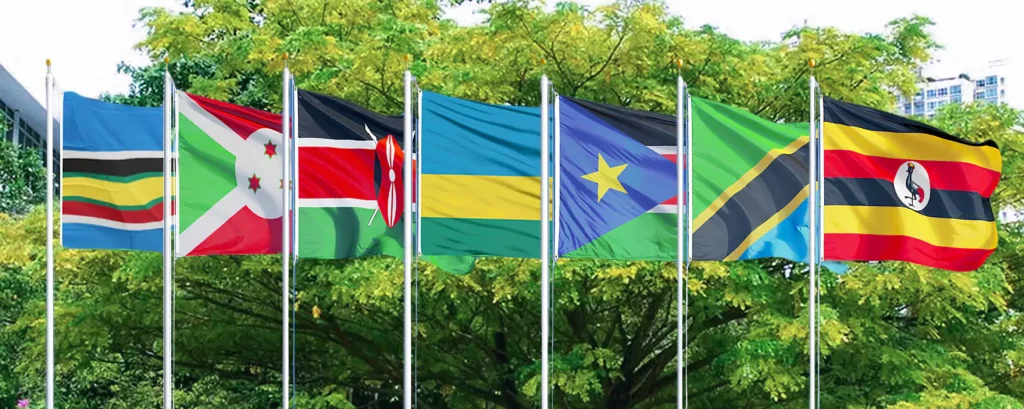
With the recent addition of the DRC to the East African region, landlocked countries have found an alternative port of entry in the Atlantic Ocean. The swiftness of trade with two ports of entry and the region’s strategic location will be incomparable to any other region on the continent.
The East African Federation would be the fourth largest country in both population and landmass, trailing after China, India and the United States. President Uhuru Kenyatta says that the federation would have over 300 million people.
The gross domestic product for the region will sum up to US$250 billion, the fourth-largest in Africa and the 34th biggest globally. Since the beginning of the last decade, East Africa has had the fastest growing economy globally. In 2019, the region’s economy grew by about 5 per cent. If the federation continues with this growth rate, the new country would quickly become the biggest superpower in Africa.
The EAF would become Africa’s largest superpower precisely because of the weaker nations surrounding the region. Among the languages official languages suggested in the region will be English and Swahili.

Digital disinformation is becoming an increasingly common feature of Africa’s political landscape. Africa’s technological space has grown exponentially over the…
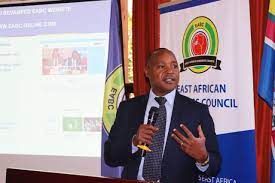
World Bank further notes that the unified digitisation of the East African economy is estimated to generate up to a US$2.6 billion boost in GDP and 4.5 million new jobs that will largely benefit those at the bottom of the pyramid.
Data by GSMA reveals that by the end of 2020, 495 million people subscribed to mobile services in Sub-Saharan Africa, representing 46 percent of the region’s population, an increase of almost 20 million on 2019.
GSMA revealed that smartphone connections will more than double by 2025 in Sub-Saharan Africa with the East African Community registering the largest incremental growth, led by Rwanda and Tanzania.
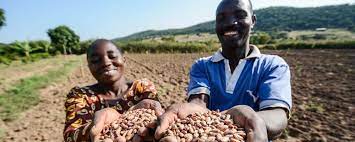
So now the government through its Ministry for Agriculture has decided to take action to increase domestic production of edible oils. To do this, the government has developed several strategic approaches including upgrading peasant technology.
This initiative fits into the country’s overall industrialization initiative that targets mainly agricultural mechanization. By increasing funding for the set up of factories and smaller production plants, Tanzania is able to increase its output of edible oils.
However, the country needs to increase seed production hand in hand with increasing its value chain capacity. This is where the Tanzania Agricultural Research Institute (Tari) based in Dar es Salaam comes in. A globally-renowned research institute that develops hybrid seeds among other agricultural research works.
Norrsken22 plans on capitalizing on its general partners’ years of experience and investment philosophies to back startups in fintech, MedTech, Edtech, and market-enabling solutions such as B2B marketplaces and inventory management businesses.
Kolbe, whose previous firm Actis backed Egyptian fintech giant Fawry in 2019 as it prepared to go public, said Norrsken would look at Egypt ‘opportunistically.’
Deals from the country that may be of interest to the firm will be those planning an expansion into the four markets Norrsken22 is currently keen on, including Nigeria, Ghana, Kenya and South Africa.
Justice Makau’s ruling was as follows, “I find as decided in the Court of Appeal decision, the petitioner has a right to mechanise and adopt technology in its operations. The matter in dispute is therefore effectively concluded and settled in terms stated.”
If the cry of the workers’ Union is true, then this ruling threatens more than 50,000 workers’ jobs and allegedly, already over 10,000 tea pickers have lost their jobs to the machines.
However, the odds are pinned against the peasants, the Kenya Tea Growers Association says the loss of jobs has nothing to do with the machines but rather ‘…tea companies reducing their workforce through natural attrition.